From Arsonist to Ashes— Pak’s Strategy of Chaos Became Its Own Undoing
In a cruel twist of fate, Pakistan now finds itself ensnared by the very forces it once nurtured. The recent hijacking of the Jaffer Express in Balochistan is not just another act of terrorism—it is a stark manifestation of a nation reaping what it has sown for decades. For years, Pakistan wielded separatist terrorism as a tool against its neighbours, particularly in Kashmir, believing it could control the monster it had created. Today, the same monster has turned inward, threatening to devour the country from within.
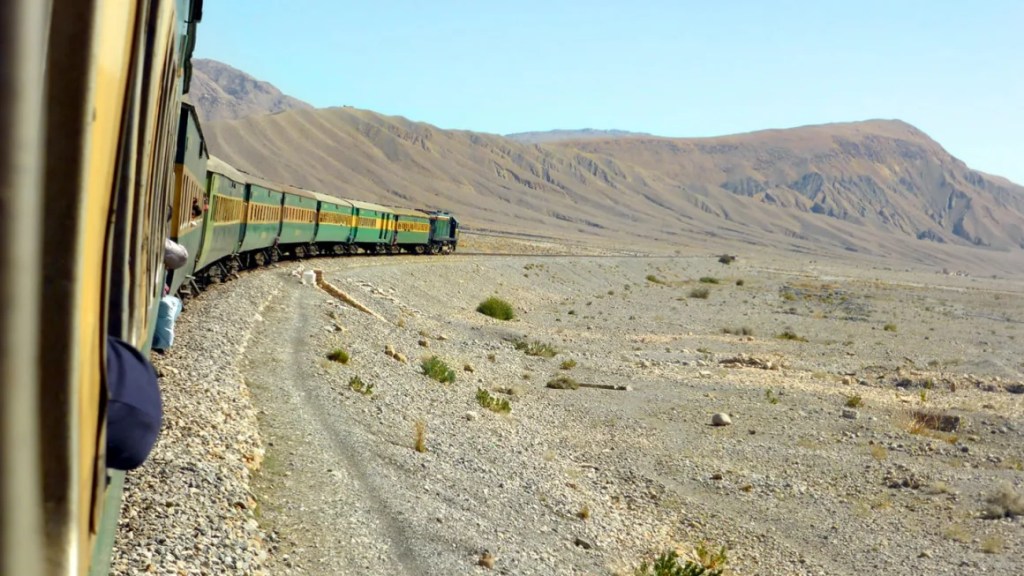
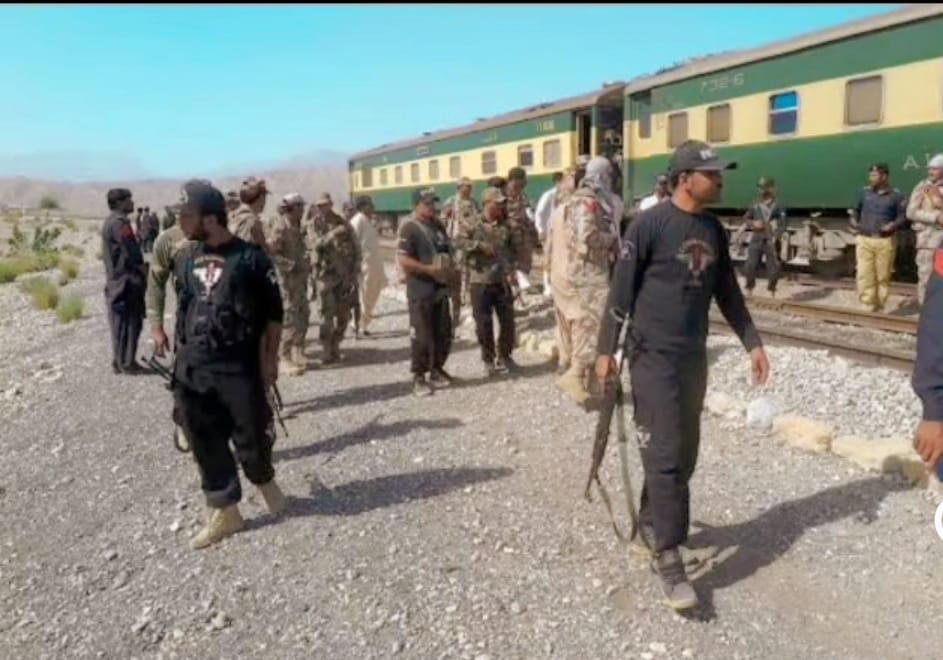
The recent hijacking—unprecedented in Pakistan’s history—exposes the widening chasm between the state and its most restive province. The Balochistan Liberation Army (BLA), an insurgent group that has escalated its resistance against Pakistani rule, took hundreds of passengers hostage, killing military personnel and challenging the state’s authority in broad daylight. This incident is not an isolated act of violence; it is a symptom of deep-seated resentment among the Baloch people, who have long suffered under the weight of exploitation, resource plundering, and systemic neglect. With a rich trove of natural resources and a strategic location, Balochistan should have been a crown jewel in Pakistan’s economic ambitions. Instead, it remains a land of underdevelopment, militarization, and perpetual conflict.
The ironies are profound. Decades ago, Pakistan openly endorsed separatist violence in Kashmir, branding it as a legitimate freedom struggle. It provided sanctuary, funding, and ideological backing to groups that waged war across the border. The doctrine of “strategic depth” justified harbouring militant factions, fostering instability beyond its own borders, and using terrorism as an instrument of state policy. But history is unkind to those who believe they can control chaos. The same strategy that destabilized Afghanistan and India has now turned Pakistan into a tinderbox. The Jaffer Express hijacking is a grim testament to this reality.
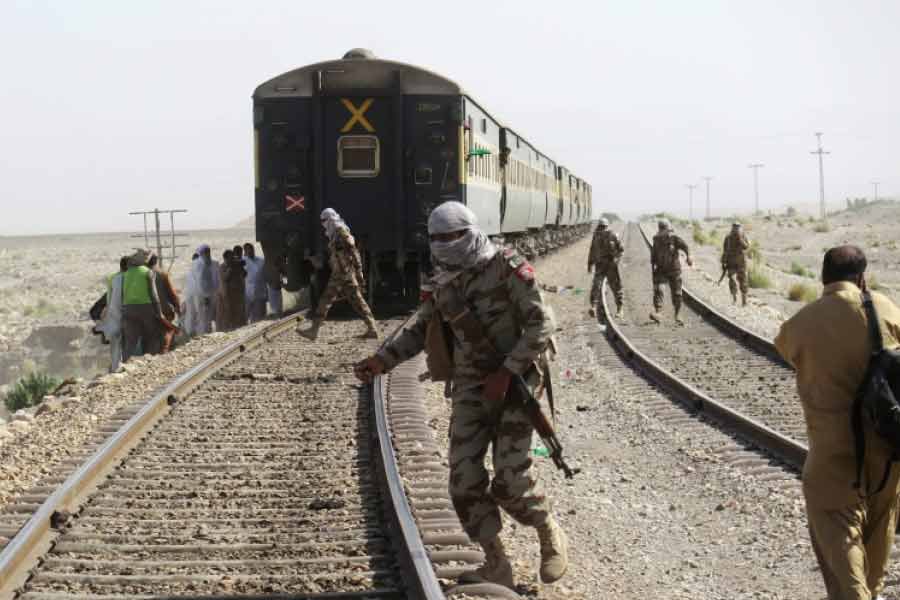
Terrorism is an insatiable force—it does not recognize national boundaries, nor does it adhere to the designs of its creators. The Taliban, once a proxy in Afghanistan, now dictates terms to Islamabad, routinely launching attacks within Pakistan. The Tehrik-i-Taliban Pakistan (TTP), a group once considered a strategic ally, now operates with impunity, executing deadly assaults against the Pakistani military. The BLA, once dismissed as a fringe insurgency, has now evolved into an organized resistance movement, directly challenging state authority. The lesson is clear: when a state chooses to incubate terrorism, it inevitably becomes its next victim.
Pakistan’s paradox is further highlighted by its continued denial of the underlying issues plaguing its provinces. For years, Baluchistan has cried out for justice, autonomy, and equitable development. Instead of listening, Islamabad has responded with an iron fist—military crackdowns, enforced disappearances, and extrajudicial killings. The result? A deepening rift that has now reached a point of no return. The Jaffer Express attack is not merely an act of defiance; it is a declaration that the province will no longer be subdued by brute force.

The consequences of Pakistan’s approach to governance are starkly evident. Generations are being lost to endless cycles of violence. The youth of Balochistan, disillusioned by broken promises and state oppression, see militancy not as a choice but as a necessity for survival. The cycle of radicalization, once confined to external jihadist networks, has firmly taken root within Pakistan’s own population. The country’s leadership now faces an existential question: will it continue down this perilous path, or will it finally heed the lessons of its own past?
The global stage, too, is taking note. Pakistan’s longstanding narrative of victimhood—where it portrays itself as a country besieged by terrorism—has begun to lose credibility. The world recognizes that Pakistan is both the arsonist and the firefighter, lamenting its own burns while still playing with fire. The international community is less willing to buy into Islamabad’s rhetoric, and patience is wearing thin. Economic sanctions, dwindling foreign investments, and diplomatic isolation loom as real threats.
To salvage what remains, Pakistan must undergo a radical shift in its approach. The first step is acknowledging that terrorism, in any form, is an existential threat—not a foreign policy instrument. It must abandon the policy of selective outrage, where some insurgencies are condemned while others are covertly supported. The second step is engaging in meaningful dialogue with disaffected groups, particularly in Balochistan. The people there do not seek war; they seek dignity, recognition, and basic human rights. Addressing their grievances through democratic means is the only viable path forward.
Perhaps most crucially, Pakistan must rein in its military establishment, which has long operated as a parallel state. The unchecked power of the army and intelligence agencies has been the driving force behind Pakistan’s disastrous security policies. A civilian-led, democratically accountable government is the only hope for reversing the tide of extremism. Without such a transformation, Pakistan will continue its descent into chaos, a nation devoured by the very beasts it once unleashed upon others.
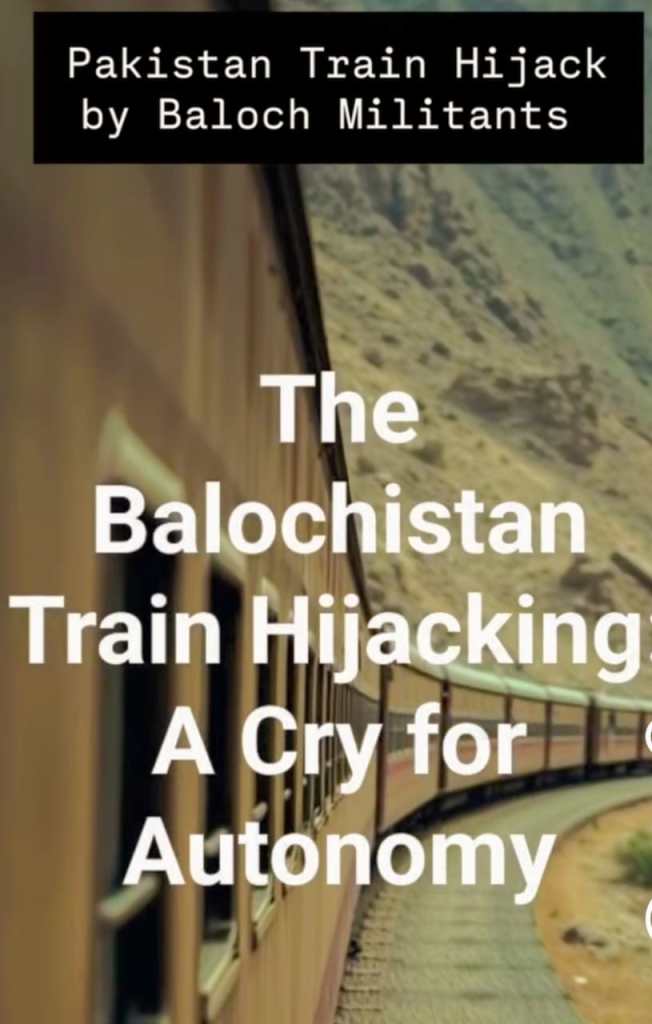
In the end, the hijacking of the Jaffer Express is more than just a tragic incident; it is a harbinger of what lies ahead if Pakistan refuses to change course. The country stands at a crossroads, where it must choose between perpetuating a cycle of violence or embracing reform. The choice is stark, and the stakes could not be higher. Will Pakistan finally listen to the voices of its own people, or will it continue to be haunted by the echoes of its past misdeeds? The answer will shape not just its own future, but the future of an entire region teetering on the brink.
Visit arjasrikanth.in for more insights
 SOCIAL PERSPECTIVES