
A Canal of Hope Stuck in a Swamp of Delay: Will Rayalaseema’s Water Crisis Ever Quench Its Thirst?
Rayalaseema, an arid land that has long grappled with chronic water shortages, is desperate for a solution that could quench its thirst—yet one crucial project has remained stuck in a perpetual state of delay. The Handri-Neeva Sujala Sravanthi Project, a grand water canal initiative, was conceived with the promise to end the region’s water woes. This monumental project, which aims to provide both irrigation and drinking water to the parched districts of Rayalaseema, stretches over an impressive 550 kilometers. But, despite its critical importance, it is yet to be completed, and the region remains at the mercy of unreliable water sources.
The project, which has been in the works since 2006, draws water from the Srisailam Reservoir, providing a lifeline to four key districts: Kurnool, Ananthapur, Kadapa, and Chittoor. At its core, the Handri-Neeva project represents a historic attempt to resolve the water crisis in one of India’s most drought-prone areas. It has the potential to change the lives of millions, from farmers seeking water for crops to households hoping for a steady supply of drinking water. However, the grand ambition has faced numerous setbacks, most notably delays in its execution.

Originally, the project was envisioned as a comprehensive system that would harness floodwaters and store them in a vast network of reservoirs. The first phase, spanning 220 kilometers, was completed in 2012, and included crucial infrastructure like balancing reservoirs to regulate water flow. The second phase, covering 349 kilometers, is 75% complete, but the remaining work has been a source of frustration for local communities and policymakers alike. The project has faced multiple delays, with infrastructure unable to meet the region’s needs on time.
The canal’s design is a technical marvel, featuring 43 pump houses and 269 motor-pump units that work to lift water from the Srisailam Reservoir and distribute it across vast stretches of land. This ambitious lift irrigation system was initially touted as one of the largest in Asia, with the capacity to supply irrigation water to 6.25 lakh acres of farmland and potable water to over 35 lakh people. However, the infrastructure that supports it, such as the pumping stations, remains underutilized, and the flow of water has been inconsistent. The project’s slow pace of completion has meant that communities continue to depend on unpredictable sources of water for both drinking and irrigation. As climate change exacerbates water scarcity in the region, the urgency of completing this project grows ever more critical.

The Handri-Neeva Sujala Sravanthi Project is not just another irrigation scheme; it is a promise to a region battered by droughts and perennial water shortages. When the project was first proposed, it was seen as a breakthrough that would reshape the future of agriculture in Rayalaseema. Farmers who had long been at the mercy of erratic monsoons and dwindling groundwater reserves were promised a consistent supply of water. The hope was that this canal would serve as a reliable source of irrigation, even in the driest of times. In addition, the canal would also bring drinking water to thousands of villages, addressing another pressing issue in the region. Yet, here we are, years later, and only a fraction of this potential has been realized.
The need for expeditious action in Rayalaseema has never been more pressing. It’s a region that has been consistently ignored, with its development plans often sidelined in the face of political battles and bureaucratic delays. Comparisons have been drawn with the Polavaram Project, another ambitious water initiative that has seen its own share of delays. The speed at which the Polavaram Project has been pursued stands in stark contrast to the hand-wringing over Handri-Neeva. If the state government can accelerate one water project, why is Rayalaseema still waiting for its lifeline? Local leaders have called for the same level of urgency to be applied to the Handri-Neeva project, arguing that the region deserves better.
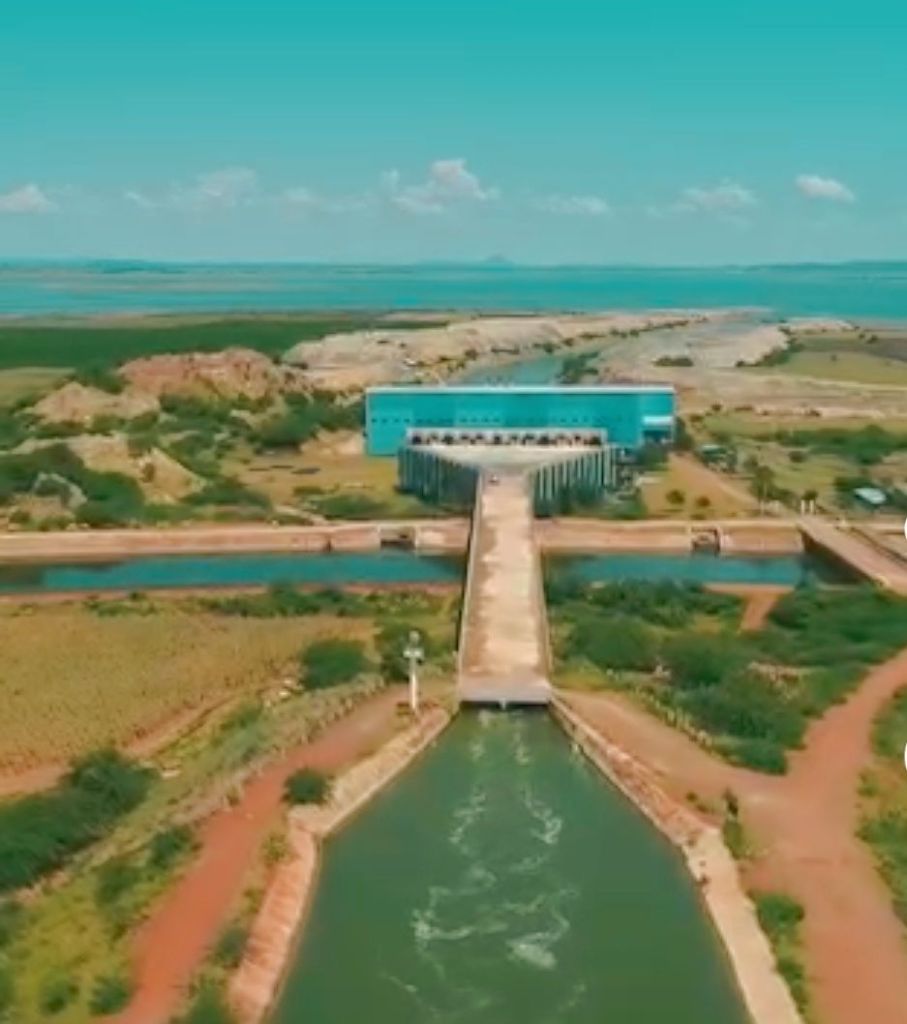
The problems that have plagued the Handri-Neeva Sujala Sravanthi Project are not isolated to construction delays alone. Political infighting and a lack of coordination between various agencies have hampered progress. While the first phase received substantial funding, the second phase has encountered funding gaps and bottlenecks that continue to stall work. Even though some significant portions of the canal have been completed, issues related to land acquisition, pump installations, and reservoir construction remain unresolved. If these obstacles are not cleared in a timely manner, Rayalaseema’s water crisis will continue unabated.
In recent months, the project has become a lightning rod for political debate. Some claim that while funds were allocated for the project, the execution has been subpar, with only limited progress made since 2019. Critics argue that political leaders from the ruling party in the past have failed to deliver on their promises, and many locals have become disillusioned with the slow pace of progress. The water resources minister himself has been vocal about these shortcomings, acknowledging the issues with pump underutilization and reservoir underdevelopment.
Yet, despite the mounting challenges, there is still hope that the project can be completed within a reasonable timeframe. Local leaders are pushing for increased investment and coordination, emphasizing that Rayalaseema deserves the same level of attention as other regions in the state. After all, water is not just an issue of infrastructure—it is a matter of life and death for those living in the region. As political squabbles continue to delay progress, the people of Rayalaseema are left asking the same question: when will the promises of the Handri-Neeva Sujala Sravanthi Project finally be fulfilled?
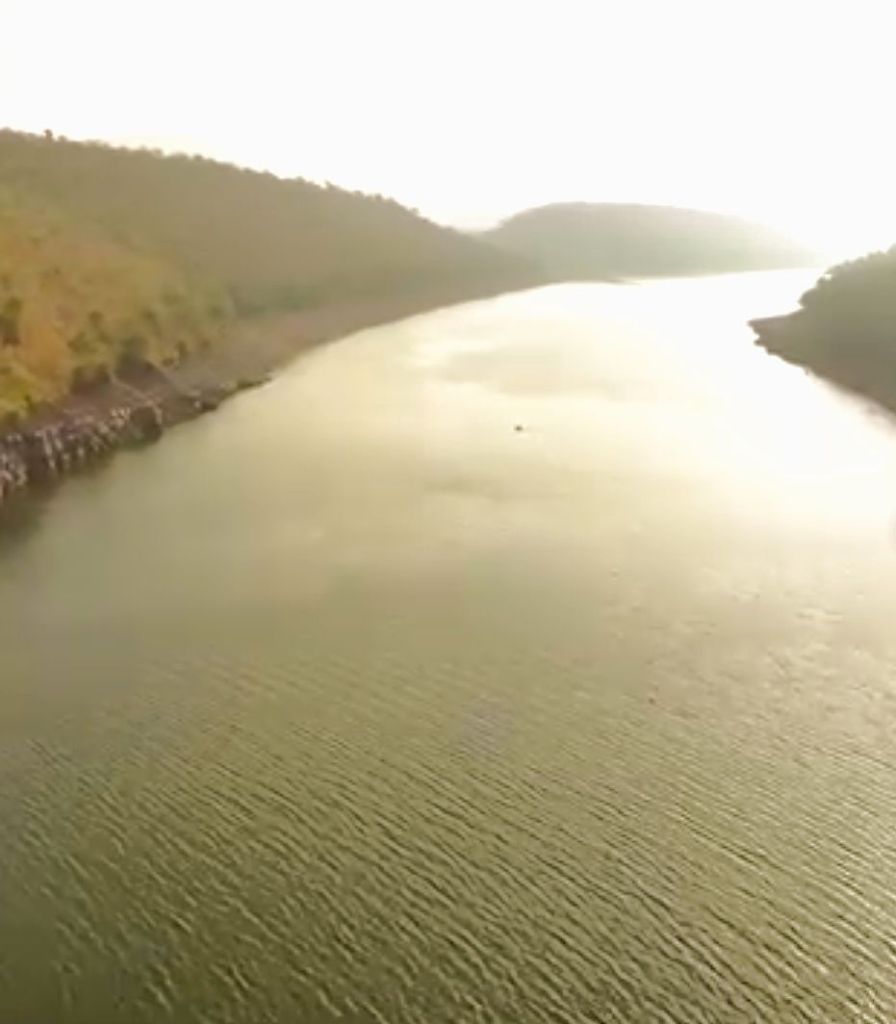
The Handri-Neeva project is a testament to the potential of ambitious water management initiatives. Its completion could bring much-needed relief to a region that has long been ignored, offering a steady supply of water that could change the fate of Rayalaseema forever. But for this promise to become a reality, the political will and commitment to completing the project must be matched with swift action. The time to act is now—before the project’s delays turn a hopeful vision into a forgotten dream.
Visit arjasrikanth.in for more insights
 SOCIAL PERSPECTIVES