
From Door darshan to Digital Dominance: India’s Cricketing Renaissance
India’s cricketing odyssey is a remarkable tale of transformation – from struggling for airtime on Doordarshan in the early 1990s to becoming a global entertainment spectacle watched by nearly a billion people. The 2025 ICC Champions Trophy final, held in Dubai, offers the perfect epitome of this evolution. With over 900 million viewers tuning in through platforms like JioHotstar, the final between India and New Zealand not only captivated the nation but also set new viewership records, outpacing even the high-profile India-Pakistan encounter earlier in the tournament. As India chased down New Zealand’s challenging total of 251/7 to claim a four-wicket victory, it was clear that this wasn’t just another match – it was a showcase of cricket’s ascent into a global cultural force.
KL Rahul and Ravindra Jadeja’s brilliant partnership, which guided India to victory with an over to spare, exemplified the modern cricket experience. The dramatic chase, where every ball held the nation’s breath, became a collective experience that saw the viewership surge. It wasn’t just the Indian innings that kept audiences glued to their screens – New Zealand’s total, too, had fans across the globe captivated. Cricket, once a niche sport, now serves as a thrilling spectacle that transcends entertainment boundaries and speaks to the cultural pulse of millions.
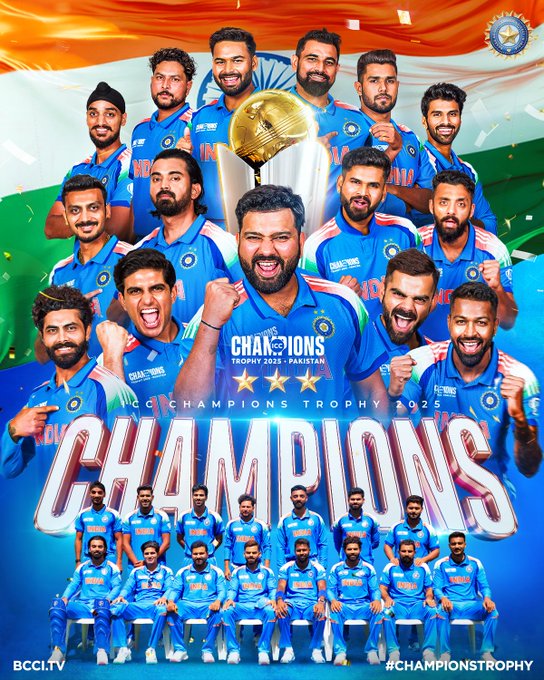
But how did cricket, once struggling for television airtime, evolve into this global juggernaut? The answer lies in decades of strategic planning, visionary leadership, and milestones that shaped the sport in India. From the early struggles in the 1990s when the sport barely made a dent on India’s only state-run broadcaster, Doordarshan, to its current stature driven by tech giants like JioHotstar, cricket’s rise mirrors India’s own economic and cultural ascent.
Cricket’s transformation into a nationwide obsession began with a few key moments that laid the groundwork for its eventual success. In the early 1990s, the sport was still largely an unrefined passion in India, hampered by limited broadcasting options. Doordarshan was the only platform available to millions of fans, but it could barely cover the growing interest in the sport. It wasn’t until visionary leaders like Jagmohan Dalmiya and Inderjit Singh Bindra at the helm of Indian cricket that the sport’s commercial potential was recognized. Their strategic moves helped unlock the true economic and cultural value of cricket.
A landmark moment came in 1983, when Kapil Dev led India to an unexpected victory in the Cricket World Cup. It wasn’t just a sporting achievement; it was a cultural awakening that cemented cricket as the unifying force for a nation. The win sparked an identity shift for millions, elevating cricket from a pastime for the elite to a symbol of pride for every Indian, transcending regional, linguistic, and social divisions.
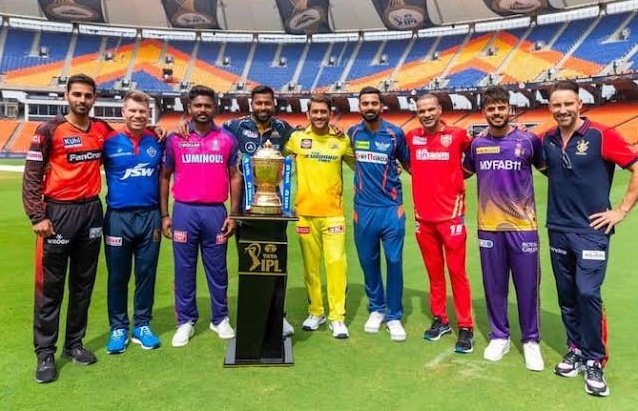
By the time the 1987 World Cup rolled around, which India co-hosted with Pakistan, the sport had firmly embedded itself into the nation’s fabric. India’s hosting of international events further solidified the country’s position on the global cricketing map. But it wasn’t just about victories on the field. The commercial side of cricket, bolstered by the introduction of the Indian Premier League (IPL) in 2008, revolutionized how the sport was consumed. The IPL’s blend of cricket and entertainment, with its glitzy shows, star-studded teams, and global appeal, brought cricket into the mainstream of global entertainment, attracting both traditional fans and a new generation of viewers.

As cricket evolved, so too did the technology and platforms that brought it to viewers. The turn of the 21st century saw the rise of private broadcasting networks, marking the beginning of cricket’s digital age. The 2025 ICC Champions Trophy final, broadcast on JioHotstar, illustrated just how far cricket had come. What once required a TV set and Doordarshan is now accessible at the tap of a phone screen. The live-streaming experience offered by platforms like JioHotstar allowed fans from across the world, including India’s vast diaspora, to witness the thrilling final, bringing the game closer to them than ever before.
This shift towards digital broadcasting reflects the changing consumption habits of a new generation – one that seeks not just sport but an experience. The younger demographic, increasingly digitally connected, consumes cricket in a way that wasn’t possible for previous generations. It’s no longer about waiting for a broadcast; it’s about engaging with the game on multiple devices, consuming content in real-time, and immersing themselves in the broader ecosystem of digital engagement that surrounds modern cricket.
The staggering viewership figures for the 2025 Champions Trophy final show how far the sport has come in terms of global reach. From humble beginnings on Doordarshan to today’s digital streaming age, cricket’s journey is a testament to India’s innovation and resilience. It’s not just a sport; it’s become a powerful cultural force, one that continues to shape and reflect the country’s global identity.
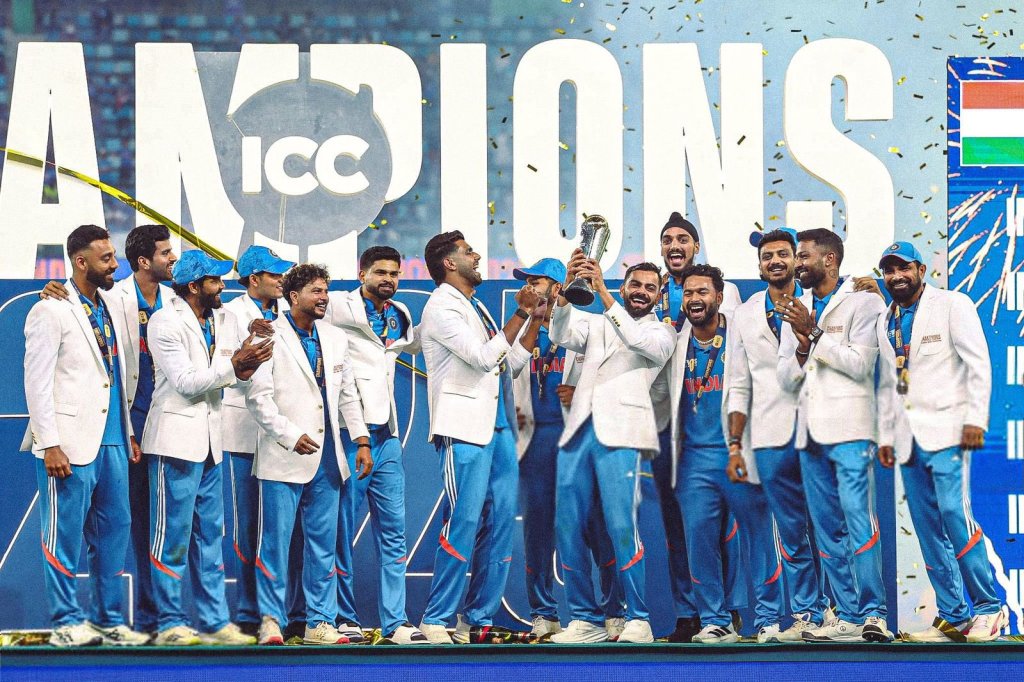
Looking ahead, cricket in India is set to rise even further. With technology, broadcasting rights, and fan engagement becoming increasingly sophisticated, the sport is poised to not only strengthen its hold in India but also solidify its place as the world’s most watched and celebrated sport. The 2025 Champions Trophy final was a milestone in this journey – a celebration of cricket’s evolution in India, its rise from niche to juggernaut, and its promise of an even brighter future. Cricket is no longer just a game; it is a global brand that continues to soar, setting new standards and redefining the way sport is consumed.
Visit arjasrikanth.in for more insights
 SOCIAL PERSPECTIVES
One response to “The 2025 ICC Champions Trophy Final: A Game-Changer That Redefined Global Sports Entertainment”
Anna, Good Morning., Excellent analysis and its a big lesson how a small viewer sport has become a global entertainment, its huge financials and bringing more and more talent into the sport. Not only entertainment, its a mania that unites the entire country into one.
Regards,
Rama Mohan
LikeLike