
When Stardom Becomes a Smokescreen for the Dark Alchemy of Crime*
In the intersection of cinematic glamour and political influence, where celebrity allure often converges with institutional authority, the recent case of Kannada actress Ranya Rao has ignited not just outrage but also deep introspection about the intersection of privilege and criminality. This is not merely a sensational criminal case; it is an exposé of the complex power dynamics that enable the privileged to exploit systemic loopholes. The unfolding narrative of Rao’s arrest is emblematic of a larger structural malaise, wherein the confluence of fame, high-ranking connections, and a culture of impunity enables illicit operations to flourish.

Ranya Rao, recognized for her roles in films such as “Maanikya” and “Wagah,” transitioned from cinematic prominence to ignominy when she was apprehended on March 4, 2025, at Bengaluru’s Kempegowda International Airport. The Directorate of Revenue Intelligence (DRI) intercepted her allegedly attempting to smuggle 14.2 kg of gold from Dubai, an illicit consignment valued at approximately ₹12.56 crore. Subsequent investigations unearthed an additional ₹2.06 crore in gold jewelry and ₹2.67 crore in cash at her residence, escalating the total seizure to an astonishing ₹17 crore. This case has laid bare the deep nexus between affluence and transgression, underscoring the ease with which individuals of status manipulate legal blind spots for personal enrichment.

What makes this scandal particularly jarring is its stark irony—Ranya Rao is the stepdaughter of Ramachandra Rao, a senior police officer in Karnataka. A man tasked with upholding the rule of law now finds his familial ties embroiled in allegations of high-stakes smuggling. This development is a sobering reminder that privilege often engenders a false sense of invincibility, where even those closest to the enforcement apparatus may seek to circumvent the very legal structures they are sworn to uphold. The question that arises is not just about Rao’s culpability but about the systemic enablers who allowed such operations to persist undetected for so long.
Her purported justification—that her frequent travels (27 trips to Dubai within six months) were for legitimate real estate business—crumbles under scrutiny. Four visits to the Gulf in a span of two weeks, alongside reports of employing specially designed apparel for smuggling gold, render her defense implausible. The extent to which she may have leveraged her celebrity status as a shield against airport security protocols raises disturbing questions about institutional complicity. If a film actress can allegedly orchestrate such an operation, how many more might be exploiting their positions to evade the law?
Following her arrest, Ramachandra Rao issued statements of shock and dismay, asserting his distance from his stepdaughter’s alleged transgressions. Yet, this incident underscores a broader issue: when power and privilege intersect, accountability often becomes an inconvenient afterthought. The implications of this case transcend the realm of individual culpability; they touch upon the ethical conundrum of whether public figures and their associates are held to the same standards as ordinary citizens.
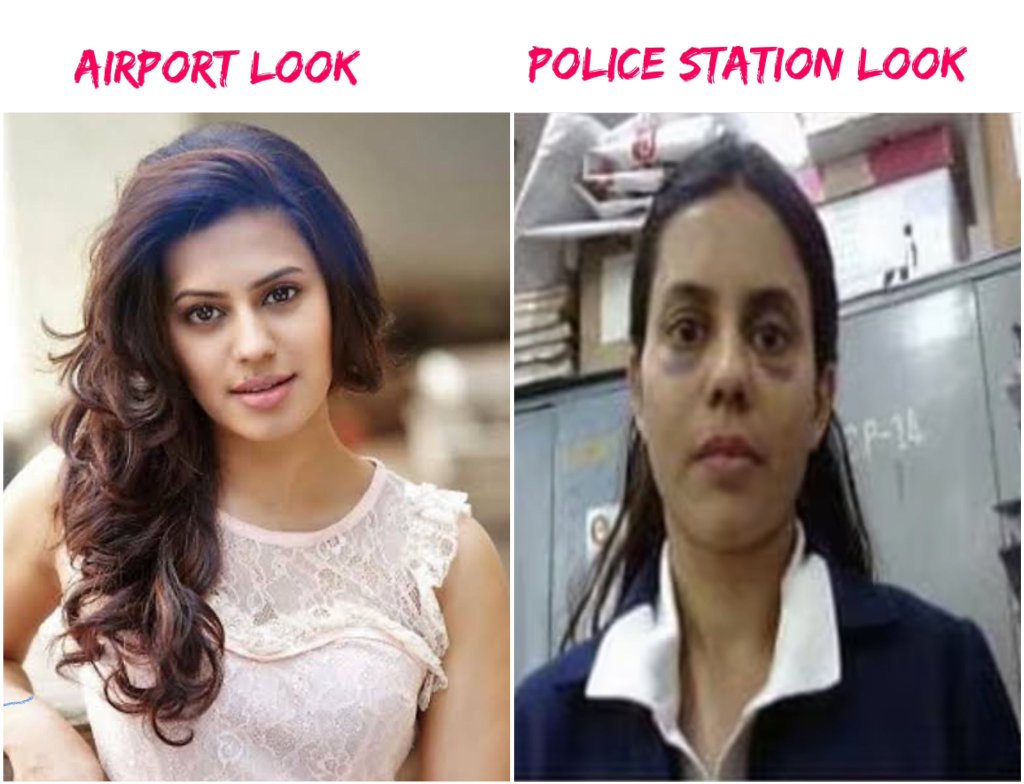
The ramifications extend beyond legal entanglements. Reports of Ranya Rao sustaining injuries while in custody have prompted further scrutiny. Images depicting visible bruises and swelling have spurred allegations of custodial misconduct, prompting the Karnataka State Commission for Women to initiate inquiries into the treatment of detainees. This secondary controversy compounds the credibility crisis facing law enforcement, forcing the state apparatus to navigate an already precarious situation with increased transparency and procedural integrity.
At its core, this case is a referendum on the fragile equilibrium between celebrity, authority, and legal accountability. It compels us to reflect on the ways in which public figures manipulate systemic vulnerabilities for personal gain. Does the law possess the resilience to counteract the distortions imposed by wealth and influence, or will it falter under the weight of celebrity impunity? This judicial conundrum is emblematic of a larger societal reckoning—one that necessitates a recalibration of institutional rigor in the face of entrenched privilege.

Ultimately, Ranya Rao’s arrest is more than a cautionary tale; it is a litmus test for the robustness of India’s legal and regulatory frameworks. The ongoing investigation by the DRI is not merely about apprehending an individual smuggler but about dismantling an ecosystem of corruption that thrives in the shadows of affluence. As the legal proceedings unfold, the nation watches with bated breath: will the system reaffirm its commitment to justice, or will the gilded veneer of celebrity once again obscure the path to accountability?
Visit arjasrikanth.in for more insights
 SOCIAL PERSPECTIVES