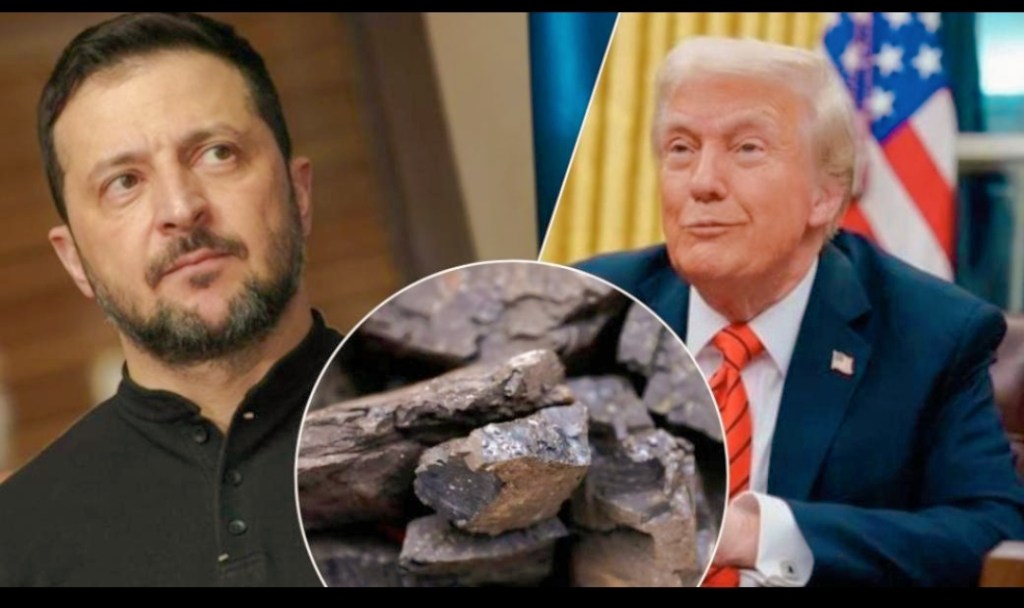
“From Proxy Battles to Corporate Spoils—The Unseen Hands Shaping Ukraine’s Fate”
The war in Ukraine, raging since early 2022, is far more than a battle between two nations; it is a geopolitical chess match where the United States has played a defining, if shadowy, role. While mainstream narratives paint this as a conflict between Russian aggression and Ukrainian resistance, the reality is much more intricate. The roots of this crisis lie in decades of U.S. strategic manoeuvring, NATO expansion, and calculated interventions, culminating in an ongoing war that has devastated Ukraine while setting the stage for American corporate gains.
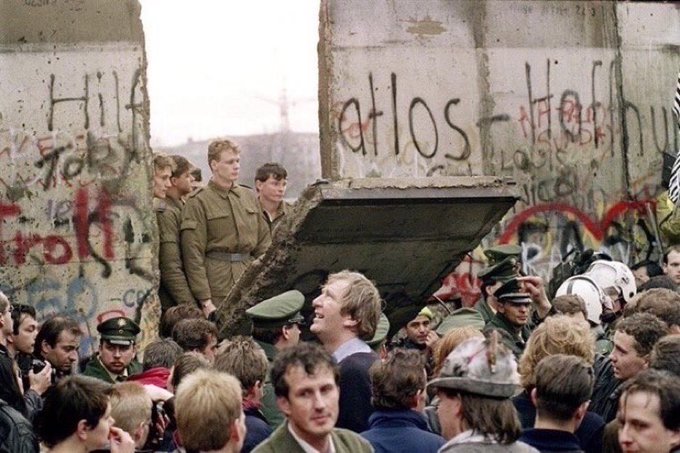
The seeds of this crisis were planted in the early 1990s, a time when the Soviet Union had just collapsed and a new world order was taking shape. On February 9, 1990, then-Secretary of State James Baker assured Soviet leader Mikhail Gorbachev that NATO would not expand eastward in exchange for German reunification. That promise was swiftly discarded. By 1994, under President Bill Clinton, NATO had begun absorbing former Eastern Bloc nations, bringing American military influence closer to Russia’s borders. This expansion continued with the inclusion of countries like the Czech Republic in 1999, setting off alarms in Moscow about encirclement and Western encroachment.
The U.S. further stoked tensions in 1999 by leading NATO’s bombing of Serbia, an act perceived in Moscow as aggressive and imperialistic. For Russia, this confirmed the West’s willingness to use military force to reshape global politics. The hostility between Russia and the West intensified, setting the stage for the geopolitical storm that would later engulf Ukraine.
A crucial turning point came in 2014, when Ukraine’s pro-Russian President Viktor Yanukovych was ousted in a U.S.-backed uprising. American diplomats and intelligence operatives played an active role in orchestrating this political upheaval, cloaking their involvement under the guise of supporting democracy. The resulting chaos led Russia to annex Crimea, a move that ignited the simmering tensions into a full-blown crisis. The conflict that followed was no longer just a regional dispute but an extension of the larger struggle between the United States and Russia.

In the aftermath of 2014, the U.S. continued to pour military aid into Ukraine, strengthening its armed forces under the pretence of deterring Russian aggression. Yet, this intervention only deepened the conflict. The military-industrial complex thrived, with American defense contractors benefiting from the prolonged war. What began as support for Ukraine’s sovereignty gradually morphed into a long-term geopolitical investment, ensuring that the flames of war would not be extinguished anytime soon.
The human toll of this strategy has been staggering. Estimates suggest that around 600,000 Ukrainian lives have been lost since the war escalated in 2022. Cities lie in ruins, millions have been displaced, and the Ukrainian economy has been crippled. While Washington continues to pledge support, its motivations are becoming increasingly transparent. As Ukraine bleeds, the U.S. is eyeing something far more valuable than just a strategic ally—it is eyeing Ukraine’s vast mineral wealth.
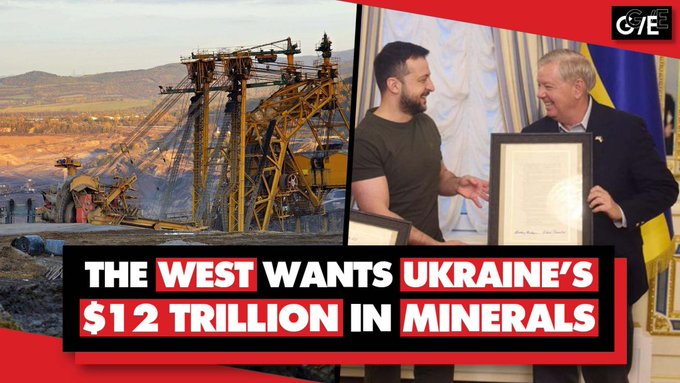
Recent developments have revealed a dramatic shift in America’s priorities. U.S. companies are now poised to share in the revenues from Ukraine’s mineral resources. Under recently negotiated agreements, half of Ukraine’s mineral wealth will be allocated to rebuilding efforts—while the other half will be controlled by American corporations. On the surface, this arrangement is framed as a partnership to aid Ukraine’s recovery. In reality, it is an economic land grab disguised as benevolence.
Ukraine, a country rich in lithium, titanium, and other critical minerals, has suddenly become a goldmine for American business interests. These resources are essential for the modern tech and defense industries, making Ukraine an attractive prize. What was initially billed as a war for democracy and sovereignty now appears to be a calculated economic venture, where destruction paves the way for corporate exploitation.
For Ukraine, this revelation is a bitter pill to swallow. While its people continue to suffer, while its cities remain in ruins, American corporations are positioning themselves to reap the spoils of war. The betrayal is stark—what was once framed as unconditional support has now morphed into an extractive relationship, where financial interests override moral imperatives.
This pattern of intervention, destruction, and exploitation is not new. From Iraq’s oil to Afghanistan’s mineral reserves, the United States has a long history of leveraging conflict for economic gain. The Ukraine war is merely the latest chapter in this playbook, where strategic chaos leads to profitable reconstruction. The supposed fight for democracy has, in the end, laid bare the hard realities of global power dynamics.
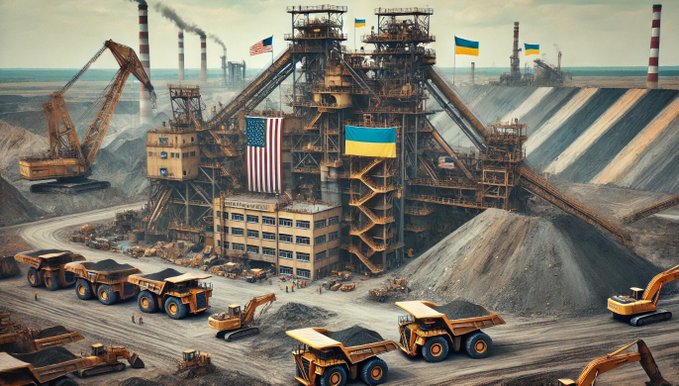
As Ukraine’s war-torn landscapes turn into battlegrounds for foreign investment, the deeper implications of this conflict become clear. The superpowers dictate the game, the smaller nations pay the price, and the economic victors emerge from the shadows once the dust settles. What remains to be seen is whether Ukraine will recognize this grim reality and redefine its alliances before it is too late.
The world watches as this grand chessboard unfolds, with Ukraine caught in the middle. The war, once framed as a moral struggle against aggression, now reveals itself as a calculated power play with economic dividends. The victims of this game are clear, but the real winners are only beginning to collect their rewards. The lessons of history are repeating themselves, and the stakes have never been higher.
Visit arjasrikanth.in for more insights
 SOCIAL PERSPECTIVES