
Andhra Pradesh Leads India’s High-Stakes Race to Woo Elon Musk and Drive the EV Revolution
As the electric vehicle revolution accelerates globally, India stands on the brink of a transformative shift in its automotive landscape. Among the most discussed prospects is Tesla’s potential entry into India—a development that has sparked intense competition among various states vying to host the iconic electric vehicle manufacturer. Leading this charge is Andhra Pradesh, where young leader Nara Lokesh has taken up the mantle to attract Tesla, continuing an initiative that began in 2017 under the stewardship of Nara Chandrababu Naidu. This strategic pursuit aims to position Andhra Pradesh as a pivotal player in India’s burgeoning electric vehicle (EV) market.
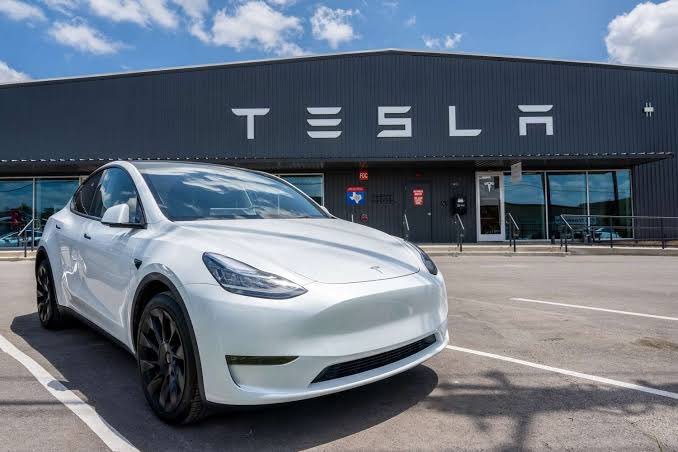
The excitement around Tesla’s potential entry into India was reignited following a high-profile meeting between Tesla CEO Elon Musk and India’s Prime Minister in Washington, D.C. Far more than a diplomatic gesture, this meeting catalysed renewed discussions about Tesla’s recruitment efforts in India, which have been ongoing for the past two years. In response, local governments have been proactive, offering lucrative incentives and infrastructure support to lure the EV giant to establish manufacturing bases within their regions.
The stakes are immense—not only for Tesla but also for local automotive players like Tata Motors and Mahindra & Mahindra, who see Tesla as a formidable competitor. Known for its cutting-edge technology and market-disrupting innovations, Tesla’s entry into India would elevate the competition within the domestic EV sector. Despite the absence of a concrete commitment from Musk, the buzz surrounding Tesla’s potential expansion has only grown louder. One significant hurdle remains: India’s steep import duties on electric vehicles. However, the Indian government has signalled a willingness to negotiate, potentially paving the way for a smoother entry for Tesla.

Amidst this competitive backdrop, Andhra Pradesh has emerged as a strong contender to host Tesla’s manufacturing operations. The state offers strategic advantages, including well-developed infrastructure, land availability, and proximity to a network of suppliers and existing automotive manufacturers. The government has been proactive in showcasing these strengths, presenting Andhra Pradesh as an ideal location for Tesla’s ambitious plans. This approach mirrors the earlier success of bringing Kia Motors to the state, which stands as a testament to the leadership’s ability to attract significant automotive investments.

The foundation for Andhra Pradesh’s current efforts was laid years ago, with consistent follow-ups and strategic presentations to Tesla’s leadership. This long-term vision reflects the state’s commitment to becoming a hub for electric vehicle manufacturing. The renewed push gained further momentum during the last Lok Sabha and Assembly elections, where attracting Tesla was highlighted as a significant political promise. This pledge not only served as a powerful campaign tool but also demonstrated the leadership’s focus on economic development and job creation.
The competition isn’t limited to Andhra Pradesh. States like Maharashtra, Tamil Nadu, and Gujarat are also aggressively courting Tesla. Maharashtra offers an established automotive ecosystem, Tamil Nadu boasts extensive manufacturing capabilities, and Gujarat provides a business-friendly environment. Each state is leveraging its unique strengths to meet Tesla’s specific and intricate requirements. However, Andhra Pradesh’s proactive approach and strategic advantages make it a formidable contender.
Beyond the economic implications, Tesla’s potential entry into India carries significant geopolitical weight. The ongoing trade tensions between the U.S. and China have prompted many American companies, including Tesla, to diversify their manufacturing bases. India presents a viable alternative, offering a vast market and favourable diplomatic ties with the U.S. For Musk, expanding into India could serve as both a strategic business move and a geopolitical hedge. However, balancing this expansion with Tesla’s existing operations in the U.S. and China adds complexity to the decision-making process.
The local automotive industry is watching these developments closely. Tesla’s entry would likely accelerate the adoption of electric vehicles in India, pushing local manufacturers to innovate and adapt more rapidly. While some see this as a threat, others view it as an opportunity for collaboration and growth within the EV sector.
As discussions continue and states compete for Tesla’s investment, the question remains: will Andhra Pradesh’s efforts pay off? The outcome is still uncertain, but the state’s proactive engagement, strategic planning, and political commitment place it in a strong position. The leadership’s vision of transforming Andhra Pradesh into an EV manufacturing hub aligns with broader national goals of promoting sustainable mobility and reducing carbon emissions.

In conclusion, while Tesla’s entry into India is still in the negotiation phase, the enthusiasm from various states, particularly Andhra Pradesh, underscores the country’s readiness to embrace the electric vehicle revolution. The continuous dialogue between state leaders and Tesla’s executives suggests that the dream of seeing Tesla cars on Indian roads is within reach. Andhra Pradesh’s proactive approach, strategic advantages, and political will could very well tilt the scales in its favour. Should this vision materialize, it would not only mark a significant milestone for the state but also contribute to India’s broader ambitions of leading the global shift towards sustainable transportation. The race to attract Tesla is more than just an economic contest—it’s a reflection of India’s evolving automotive landscape and its commitment to a greener, more sustainable future.
VISIT ARJASRIKANTH.IN FOR MORE INSIGHTS
 SOCIAL PERSPECTIVES