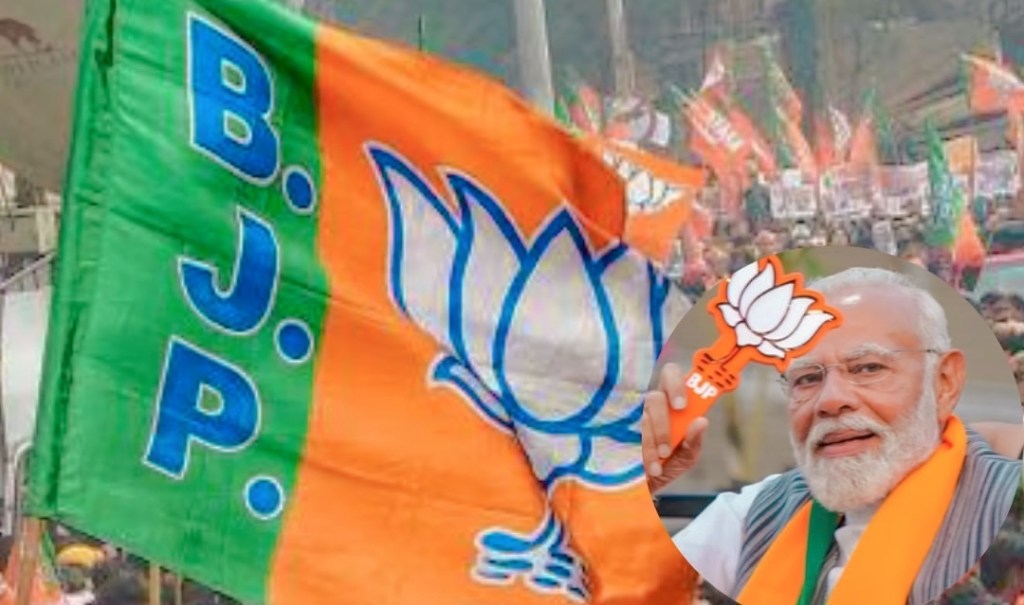
Missteps, Missed Opportunities, and the Road Ahead for the Saffron Party in Tamil Nadu, Andhra Pradesh, Telangana, Karnataka, and Kerala
In the grand theatre of Indian politics, the Bharatiya Janata Party (BJP) has established itself as a dominant force in the north. Yet, its southern expansion remains a turbulent journey marred by strategic miscalculations, an over-reliance on central leadership, and a failure to resonate with regional aspirations. Despite its ambitions, the BJP continues to struggle in Tamil Nadu, Andhra Pradesh, Telangana, Kerala, and even Karnataka, where its stronghold remains fragile. These challenges stem from the party’s inability to grasp regional nuances, nurture homegrown leadership, and craft a compelling narrative that aligns with the distinct socio-political identities of these states. If the BJP hopes to make meaningful inroads in the south, it must abandon its Delhi-centric approach and embrace the diversity, identity, and aspirations of the southern electorate.

Nowhere is the BJP’s disconnect more pronounced than in Tamil Nadu, where politics is intricately woven into the state’s linguistic and cultural fabric. Despite a predominantly Hindu population, the party’s Hindutva-driven approach fails to resonate. In Tamil Nadu, religion is deeply personal and not a political tool. The BJP’s attempts to polarize voters along religious lines have backfired, reinforcing its status as an outsider to the Dravidian ethos.

Additionally, the absence of a credible regional leader continues to weaken its prospects. The party’s alliance with the AIADMK has further diluted its identity, making it appear as a secondary player rather than a serious contender. Tamil Nadu voters demand ideological clarity and regional ownership, but the BJP has yet to offer either. Until the party cultivates an organic leadership rooted in Tamil identity, it will struggle to shed its “outsider” tag.
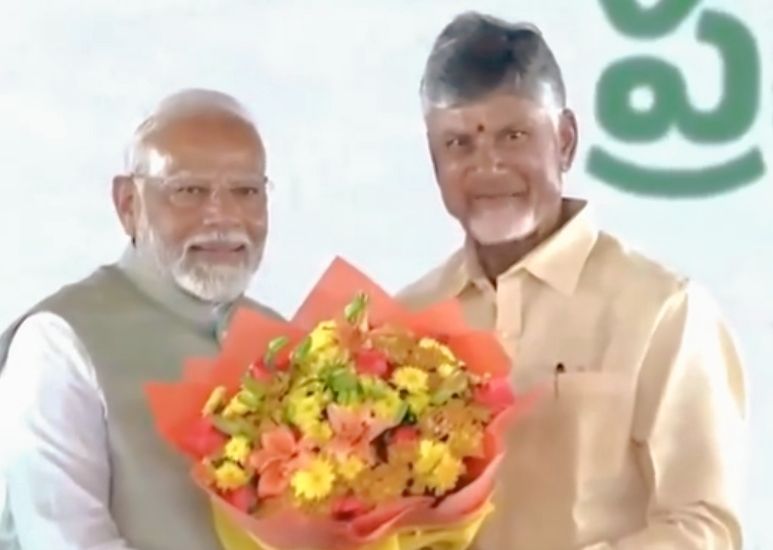
In Andhra Pradesh, the BJP’s struggles stem largely from its failure to build lasting alliances and uphold key commitments. Its early partnership with the Telugu Desam Party (TDP) was cemented on the promise of securing special status for the state—an assurance that was later reneged upon, leading to a severe credibility crisis. This betrayal alienated voters and left the party politically adrift.
Furthermore, the BJP has failed to cultivate its own leadership in the state. Most of its prominent figures are defectors from TDP, Congress, or YSRCP, leading to the perception that the party is merely an extension of Chandrababu Naidu’s political network. This has demoralized the cadre, who see no authentic BJP leadership emerging from within. Over the past decade, the party has neglected grassroots workers in favour of political imports, leading to stagnation and dissatisfaction. To establish a meaningful presence, the BJP must build independent leadership at the grassroots level and move beyond dependence on defectors.
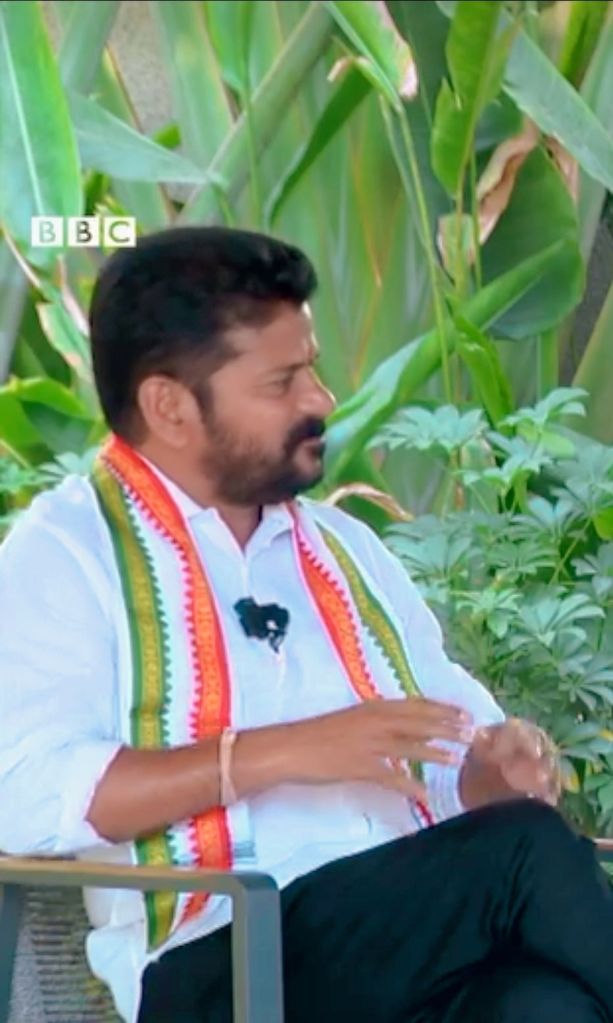
In Telangana, the BJP faces formidable opposition from both the Congress and the Bharat Rashtra Samithi (BRS), led by strong regional leaders like Revanth Reddy and K. Chandrashekar Rao. These leaders have successfully positioned themselves as champions of Telangana’s identity and aspirations. The BJP’s overarching nationalist rhetoric fails to strike a chord in a state deeply rooted in its distinct regional pride and history.
Lacking a dynamic local leadership and a resonant political vision, the BJP continues to remain a peripheral player in Telangana’s political landscape. While the party has gained some traction in urban pockets, its inability to craft a broader narrative that connects with the state’s electorate has hindered its growth. Unless the BJP nurtures strong regional leadership and tailors its messaging to local sentiments, it will continue to struggle against well-entrenched regional forces.
Karnataka remains the BJP’s only stronghold in the south, but even here, its grip is far from secure. The party’s rise in the state was fueled by strong caste-based mobilization, particularly among the Lingayats, but internal factionalism and allegations of corruption have considerably weakened its standing.
The departure of stalwart leader B.S. Yediyurappa from the chief minister’s post marked a turning point, leaving the party in a leadership crisis. The BJP’s inability to reconcile competing interests within its own ranks threatens to undo the gains it has painstakingly made over the years. Unless it can maintain internal cohesion and present a united front, Karnataka could very well slip from its grasp.
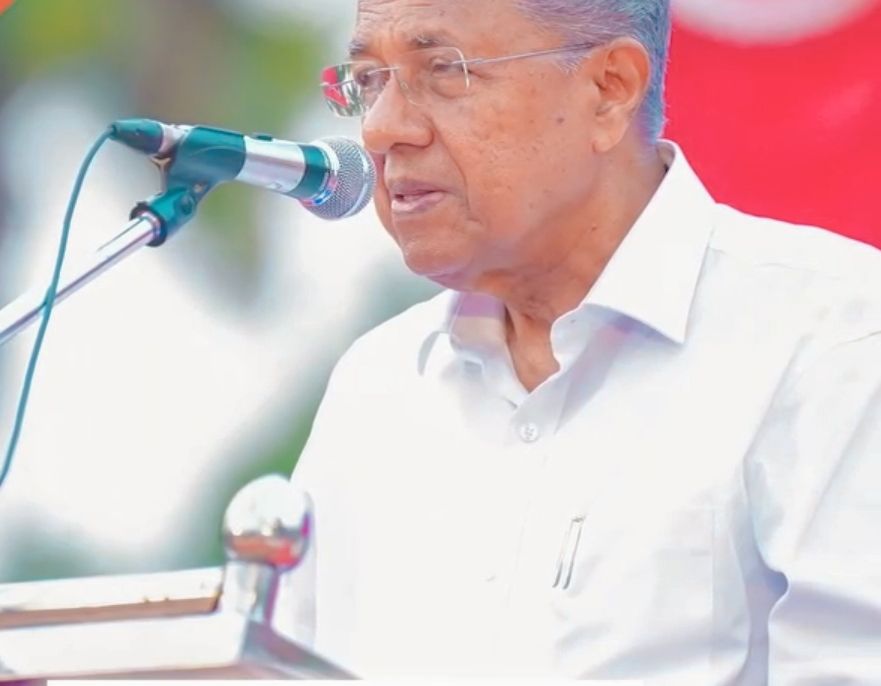
Kerala remains the most challenging terrain for the BJP. Despite consistent efforts to make inroads, the party remains a fringe player in a state dominated by the Congress and the Left. Its strategy of leveraging religious controversies—such as the Sabarimala temple issue—has yielded little more than momentary attention. Rather than mobilizing support, such tactics have alienated moderate voters who see the BJP as a divisive force.
Kerala’s electorate is highly engaged and politically conscious, prioritizing development, education, and social welfare over communal rhetoric. The BJP’s failure to present a viable governance model tailored to the state’s progressive inclinations has ensured its continued electoral irrelevance. To make meaningful progress, the party must move beyond cultural nationalism and offer a vision cantered on economic development and governance.

Across these states, a clear pattern emerges: the BJP’s inability to foster genuine grassroots leadership and its insistence on a one-size-fits-all approach. The imposition of leaders from Delhi without deep-rooted connections to the people has been met with scepticism and resistance. In contrast, successful regional parties thrive because they understand the pulse of the electorate, addressing local grievances and aspirations with authenticity. If the BJP is serious about making headway in the south, it must decentralize its leadership structure and empower state-level leaders who can organically build trust and rapport with voters.
Moreover, the BJP must recalibrate its messaging. The party’s emphasis on cultural nationalism and uniformity may work in parts of the Hindi heartland, but in the south, identity politics is driven by linguistic pride, historical consciousness, and a deep-rooted resistance to external imposition. The BJP’s failure to acknowledge these sentiments has rendered it an outsider in the southern political landscape. To alter this perception, the party must shift its focus to development, infrastructure, and governance—areas where it has a proven track record in other parts of the country.

Ultimately, the BJP’s struggles in the south boil down to a fundamental clash between its core ideological framework and the region’s distinct political identity. Winning elections here is not merely about logistical mobilization—it requires an ideological evolution that accommodates the pluralism and diversity that define southern India. The road ahead is undeniably arduous, but the BJP’s future in the south hinges on its willingness to adapt. Whether it reinvents itself or remains a perennial outsider will determine if the lotus can ever truly bloom beyond the Vindhyas.
Visit arjasrikanth. in for more insights
 SOCIAL PERSPECTIVES