
Unmasking the Shadows: How Power, Influence, and Chaos Redefine the Global Political Order in 2025
As 2025 unfolded, an unprecedented wave of geopolitical chaos tore through democratic institutions, exposing a shadowy battlefield where power, influence, and manipulation collided. From the teeming streets of Bangladesh to the high-stakes corridors of Indian politics, democracy teetered on a precarious edge. The specter of the “deep state” emerged once again—not as a mere conspiracy theory, but as a formidable force shaping political landscapes in ways both visible and unseen.
The ruling party recently criticized the opposition in Parliament following an exposé linking it to external influence networks. These networks, often referred to as the Deep State, operate through intelligence, financial, and media sectors, shaping foreign policy via NGOs and media organizations. Wealthy donors have been instrumental in funding such entities globally, allegedly fostering political instability and regime changes.
In response, the Indian government has taken significant action against foreign-funded NGOs, revoking thousands of FCRA licenses to curb external influence. However, several international foundations continue to channel funds through intermediaries, supporting advocacy groups and media outlets that oppose the government. Additionally, these entities offer scholarships and fellowships, cultivating networks that align with their ideological perspectives.

India’s leadership has strongly condemned these efforts, citing their role in destabilizing nations and interfering in sovereign affairs. Amid growing concerns over external influence, the country remains committed to safeguarding its political and economic stability.
The concept of the “Deep State” suggests the existence of a powerful, unelected network within intelligence, financial, and bureaucratic institutions that influences policy decisions beyond democratic oversight. This idea gained traction in Washington, D.C., particularly as the 2024 presidential election approached, fueling political debate and public concern.
The origins of the Deep State trace back to the post-World War II era, particularly with the passage of the National Security Act in 1947. This legislation established key agencies such as the CIA and NSA, which played crucial roles in shaping U.S. foreign and domestic policies. Over the decades, covert operations—ranging from regime changes to intelligence gathering—strengthened the perception of an independent security apparatus operating beyond presidential control. The Cold War intensified this belief, with scandals like Watergate and Iran-Contra reinforcing fears of shadow governance.
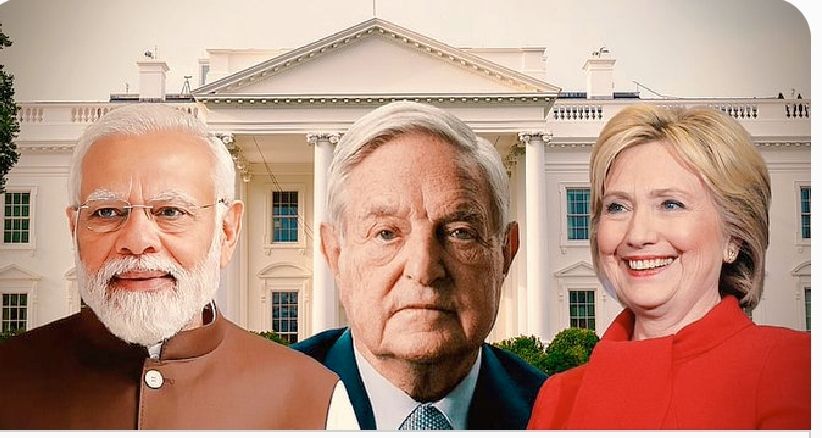
Following the 9/11 attacks, national security concerns expanded government authority, with policies such as the USA PATRIOT Act raising questions about civil liberties. In recent years, political leaders have revived Deep State narratives, exacerbating public distrust in institutions. While concerns about transparency and accountability remain relevant, balancing national security with democratic oversight is essential for maintaining public trust in governance.
During the US Presidential election campaign, Donald Trump emphasized the need to root out the ‘Deep State,’ referring to elements within the bureaucracy, intelligence agencies, military, and state department that he believed obstructed his agenda. The term, often used in conspiracy theories, suggests a hidden network of officials manipulating American policy in collaboration with financial and industrial elites. Ironically, the US itself has long been accused of using such mechanisms to influence foreign governments.
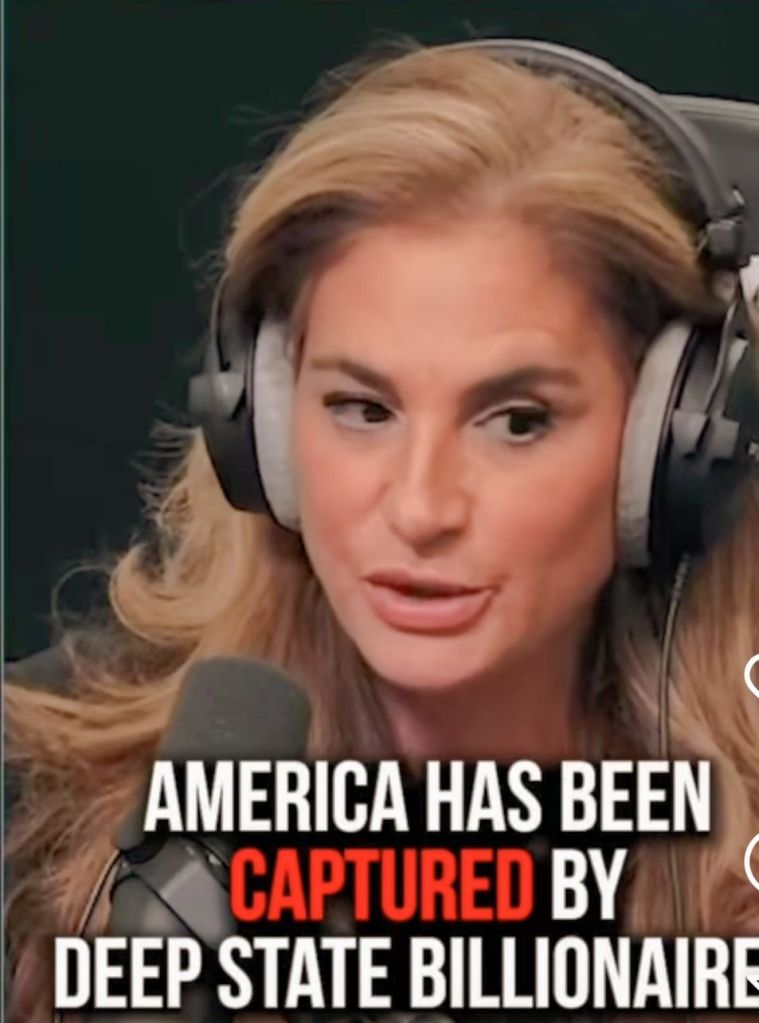
Trump’s administration moved swiftly to dismantle the so-called Deep State, issuing executive orders to curb federal agencies’ power. The CIA, FBI, Pentagon, and State Department faced major overhauls, with buyouts and purges targeting personnel. Key intelligence and military agencies underwent restructuring, while top business elites aligned with Trump.
While the goal was to weaken bureaucratic opposition, the large-scale purge raised concerns about national security. The restructuring may inadvertently aid US adversaries like China and Russia. As the old establishment crumbles, a new Trumpian Deep State could emerge, potentially more radicalized and isolationist, yet paradoxically fostering global instability.
In Bangladesh, mass protests erupted like wildfire, fueled by public outrage over corruption and systemic failures. Amidst the turmoil, a new term gained traction—“shallow state,” a descriptor for governments that maintained only a superficial commitment to democracy while succumbing to external pressures and internal dysfunction. The violent uprisings of 2025 were more than isolated events; they became symptoms of a global democratic decline.
Meanwhile, in India, Prime Minister Narendra Modi’s administration found itself under intense scrutiny. Concerns over civil liberties flickered like warning signals, mirroring the unrest in Bangladesh. As protests surged and dissent grew louder, a troubling question loomed: Was democracy being eroded by design, or was it merely unraveling under the weight of unchecked power?
Amid this political maelstrom, conspiracy theories surged, feeding on the uncertainty. Investigative bodies such as the Organized Crime and Corruption Reporting Project (OCCRP) and the International Consortium of Investigative Journalists (ICIJ) exposed alarming connections between political leadership and organized crime. Their revelations painted a grim picture of corruption, collusion, and democratic institutions eroding under the influence of shadowy forces. Trust in governance crumbled, leaving citizens navigating an information war where truth was elusive, and deception reigned supreme.
Echoes of the past reverberated through the present. The 1992 UK stock market crash and the 1997 Asian Financial Crisis stand as stark reminders of how fragile economies—and by extension, governments—can be manipulated by unseen hands. These crises gave rise to what some call “shallow leadership,” a phenomenon where leaders prioritize short-term political survival over long-term national stability. Today, that same pattern reverberates across fractured democracies.

Adding to the unpredictability, figures like Donald Trump and Elon Musk emerged as unexpected architects of a shifting political zeitgeist. While Trump’s brash rhetoric destabilized institutional norms, Musk’s influence transcended traditional politics, reshaping industries and challenging governance structures. Their impact, felt even in South Asian democracies, blurred the boundaries between economic power and political maneuvering. Were they disruptors or mere instruments in a grander, more opaque game of control?
The erosion of trust in governance paved the way for a more sinister phenomenon: the rise of unauthorized power structures. In Bangladesh, rogue elements operated with impunity, exploiting cracks in the system and sowing fear among the populace. India, too, found itself grappling with a similar crisis—allegations of electoral manipulation and suppression of dissent cast a long shadow over its democratic fabric. Each incident deepened suspicions about where true power resided.
As unrest simmered, discussions about “shallow leadership” gained momentum. Critics argued that many contemporary political figures lacked depth, vision, and moral conviction, driven more by personal gain and external pressure than by the duty to serve their people. The call for ethical governance grew louder—but so did the forces seeking to suppress it.

At the heart of this turbulence lay a fundamental question: Can democracy survive when power is wielded in the shadows? The events of 2025 exposed the fragility of democratic systems, forcing societies to confront uncomfortable truths about governance, manipulation, and the evolving nature of political control. Understanding these intricate power structures became not just an intellectual pursuit, but a necessity for survival.
As democracy danced precariously on the edge of collapse, one truth became inescapable: Power is never as it seems. The deep state thrived in the peripheries, pulling unseen strings in an elaborate performance where citizens were mere spectators. With every passing moment, the stakes rose. Would democracy withstand this tempest, or were we witnessing its final act?
Visit arjasrikanth.in for more insights
 SOCIAL PERSPECTIVES