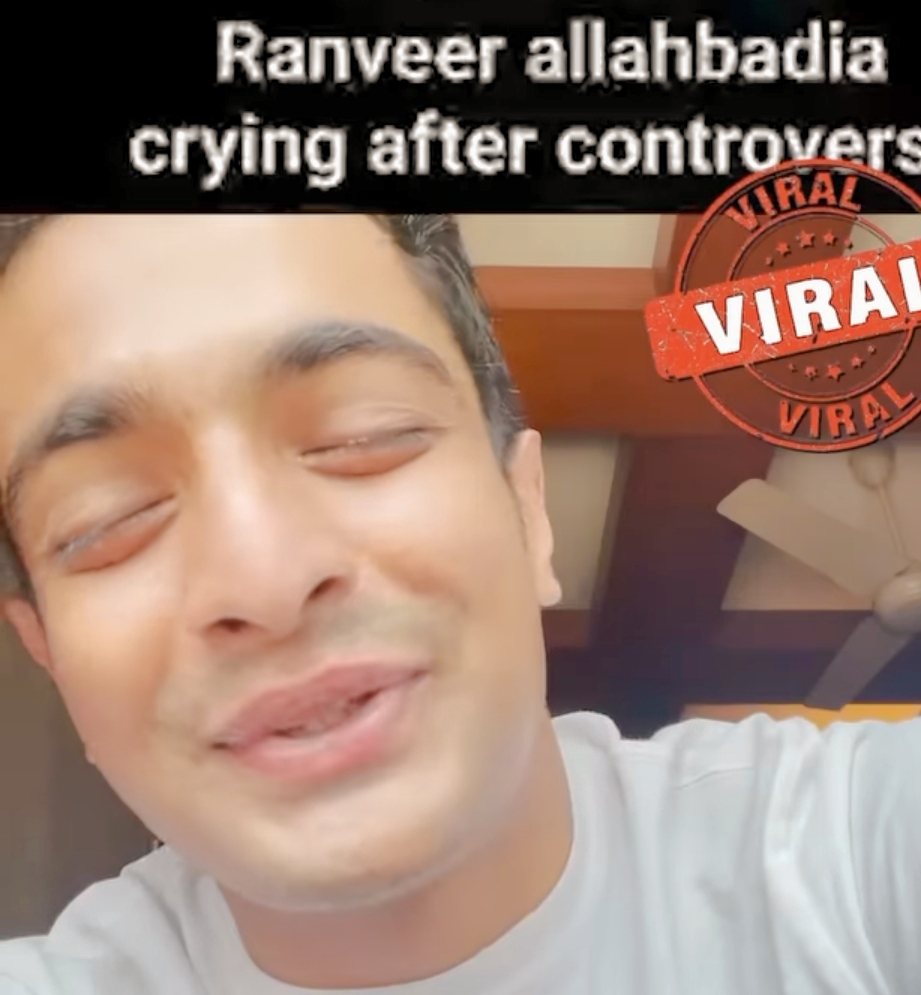
One Joke, Millions of Views, and a Storm of FIRs Turned Internet Fame into a Nightmare
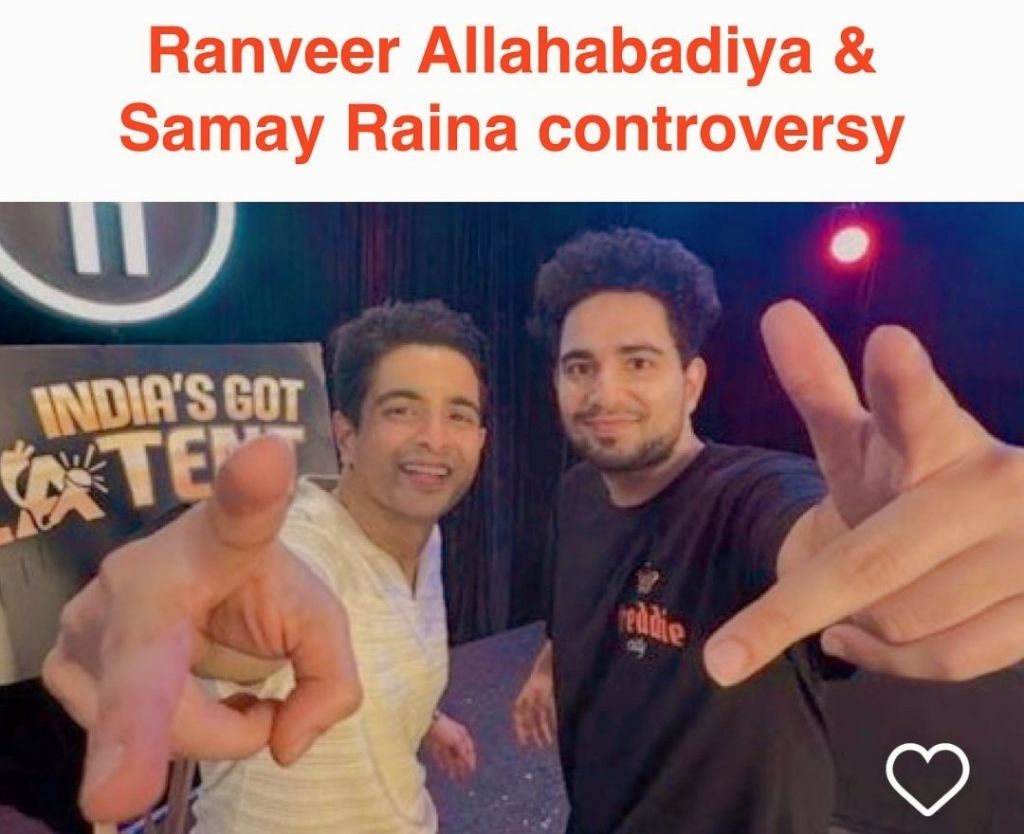
The internet can make or break a person in the blink of an eye. Ranveer Allahbadia, widely known as BeerBiceps, is currently facing the latter. What started as a casual appearance on comedian Samay Raina’s show India’s Got Latent has snowballed into a full-blown legal and social controversy. A single inappropriate comment has led to multiple FIRs, police visits, and even parliamentary scrutiny, proving once again that online fame comes with a heavy price.
The backlash against Allahbadia was swift and brutal. His offhand remark, deemed lewd and inappropriate, sparked outrage across the country, drawing sharp criticism not just from ordinary citizens but also from Bollywood and television celebrities. Among the most vocal was Pankaj Tripathi, a highly respected actor known for his nuanced performances. Tripathi stressed that one must understand the cultural values of society and avoid taking pride in mindless speech under the guise of entertainment. He questioned the growing trend of internet personalities achieving fame without the sensibility and responsibility that should accompany their influence.

The controversy quickly escalated into a legal battle. FIRs were filed against Allahbadia in multiple locations, including Mumbai, Kota, and Assam. The sheer number of cases forced him to seek the Supreme Court’s intervention to club them together. Meanwhile, Mumbai Police visited his residence, a parliamentary panel debated summoning him for questioning, and a separate committee recommended legal amendments to prevent such incidents in the future. Samay Raina, attempting to mitigate the damage, deleted all episodes of India’s Got Latent, but the move did little to douse the flames.
The involvement of Maharashtra’s Chief Minister Devendra Fadnavis added another layer of seriousness to the matter. Assuring strict action, Fadnavis made it clear that public figures must be held accountable for their words and actions. A human rights panel also stepped in, urging YouTube to take down the controversial video, further emphasizing the ethical responsibility of digital platforms in regulating content.
Faced with overwhelming criticism, Allahbadia issued a public apology, acknowledging his mistake. However, the legal proceedings continued unabated, demonstrating that a simple apology is often not enough in the court of public opinion—or in an actual court of law. The case highlights a significant challenge in today’s digital landscape: the blurred lines between humour, free speech, and offensiveness.
In an era where social media dictates trends and opinions, virality is often mistaken for validation. With millions of followers, internet influencers hold immense power over public discourse, yet many fail to recognize the weight of their words. Allahbadia’s case underscores the dangers of unchecked content creation, where the pursuit of engagement metrics sometimes overrides basic social responsibility.
The debate surrounding this controversy raises an important question: where does one draw the line? Freedom of expression is a fundamental right, but does it extend to making inappropriate remarks on a widely viewed platform? Indian law has provisions to curb obscenity, including Section 294 of the Indian Penal Code and Section 67 of the Information Technology Act, which impose strict penalties on those disseminating offensive content. Yet, as past cases have shown, the interpretation of what qualifies as obscene remains subjective and often depends on the prevailing social climate.
The incident also highlights the evolving role of regulatory bodies in governing digital content. While traditional media is subject to strict guidelines, platforms like YouTube operate in a relatively free space, allowing content creators to push boundaries with little oversight. Calls for stronger regulations are growing, but they also risk stifling genuine creative expression. The challenge lies in striking a balance—ensuring responsible content without encroaching on artistic freedom.

Beyond the legal and ethical aspects, the Ranveer Allahbadia controversy serves as a cautionary tale for aspiring influencers. The allure of instant fame can be intoxicating, but it comes with immense scrutiny. As Pankaj Tripathi wisely pointed out, fame without sensibility is fleeting, much like a viral fever—it makes headlines for a few days before disappearing into oblivion.
In conclusion, the case of Ranveer Allahbadia is a stark reminder of the power and peril of internet stardom. The digital age has democratized fame, allowing anyone with a smartphone and a social media account to command an audience. But with great reach comes great responsibility. Whether through legal measures or self-regulation, content creators must acknowledge their role in shaping public discourse and act with the maturity that their influence demands. Otherwise, they risk becoming cautionary tales of their own making, remembered not for their contributions, but for the controversies that ended their careers.
Visit arjasrikanth.in for more insights
 SOCIAL PERSPECTIVES