
When Sacred Offerings Become a Business, Devotion Becomes the Victim
Faith is fragile. It rests on trust, on the belief that sacred offerings remain untouched by greed, corruption, and negligence. But when a system meant to uphold devotion succumbs to deception, it shakes the very foundations of belief. The recent revelation of large-scale adulteration in the making of the revered Tirupati laddus exposes a deep rot within the machinery entrusted with safeguarding temple traditions.
For centuries, millions of devotees have made the arduous journey to seek the blessings of Lord Venkateswara at the Sri Venkateswara Temple. The laddu prasad, a sacred offering, is more than just a sweet—it is a token of faith, a symbol of divine grace. Yet, behind the scenes, an elaborate network of deception was at play. Investigations uncovered that the very ghee meant to ensure the laddus’ purity was compromised, replaced with substandard ingredients, including animal fat. The faith of millions was commodified, its sanctity reduced to an accounting trick to maximize profits.
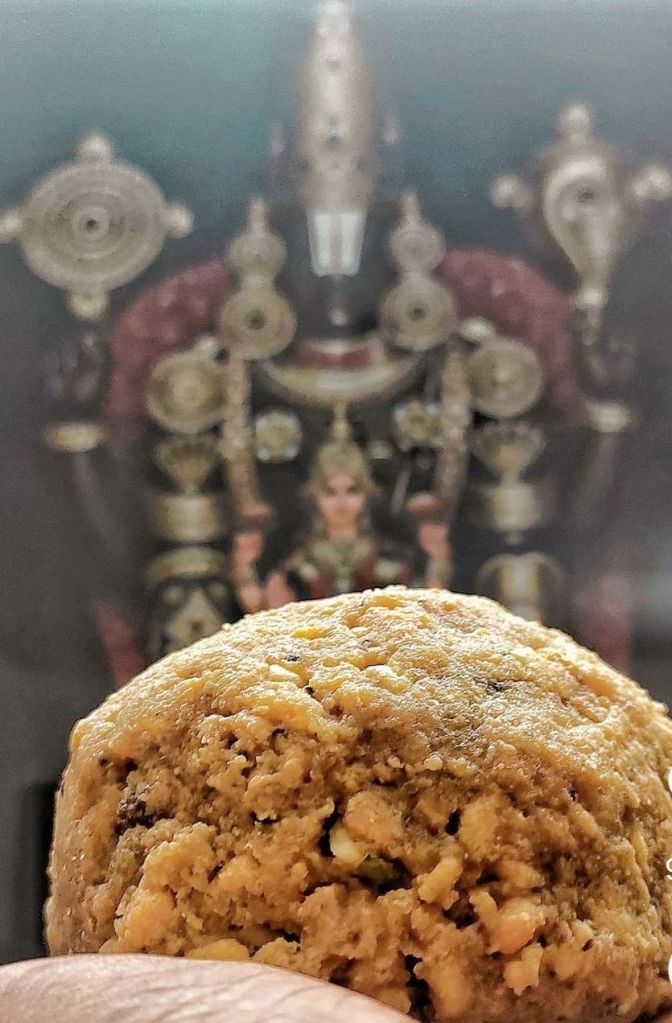
The investigation was not spontaneous. It was not a case of internal accountability or proactive vigilance by those in charge. It took political allegations, judicial intervention, and an uproar from the faithful for the truth to surface. What should have been a straightforward case of ensuring quality in temple offerings instead unravelled as a systemic failure. Regulatory oversight was absent. Due diligence was an afterthought. The very authorities responsible for upholding purity and devotion failed in their fundamental duty.
The scale of the fraud was staggering. A dairy firm with no capacity to produce the required quantity of ghee managed to secure supply tenders under false pretences. Proxy firms were floated, fake records were submitted, and contracts were awarded without scrutiny. Quality checks, if conducted at all, were compromised. The corruption was not the work of a few rogue elements; it was the consequence of an unchecked system where negligence thrived, and accountability was a mere illusion.
When the deception came to light, the response followed a predictable pattern—finger-pointing, political blame games, and assurances of action. The Supreme Court had to intervene, mandating an inquiry led by the country’s premier investigative agency. Arrests were made, but the rot goes beyond individuals. It is not just about who adulterated the ghee; it is about why the system allowed it.

Temples are not just places of worship; they are institutions of immense cultural, spiritual, and economic significance. The mismanagement of temple affairs, lack of stringent audits, and the unchecked power of those entrusted with procurement decisions create the perfect breeding ground for corruption. This case is not an isolated incident but a symptom of a larger disease—one where religious institutions are increasingly treated as enterprises, with faith as a mere commodity.
The implications of such a scandal are far-reaching. Devotees place unwavering trust in prasad, consuming it without question, believing in its sanctity. That trust has been shattered. But beyond the betrayal of faith lies an even graver concern—food safety and regulatory enforcement. If such adulteration could happen in an offering as sacred as the Tirupati laddu, what does it say about the oversight mechanisms in place for the everyday food millions consume?
The temple administration has now pledged reforms, vowing stricter quality control, more transparent procurement processes, and increased regulatory checks. But these promises come only after exposure and public outrage. The question remains: Why were these safeguards not in place before? Why did it take a judicial directive to enforce what should have been a fundamental responsibility?

Systemic failures do not occur overnight. They take root through years of laxity, through the slow erosion of ethics in governance, through the prioritization of profit over purity. The adulteration of the Tirupati laddu is not just a scandal—it is a warning. It is a reminder that faith, when left in the hands of an unaccountable system, can be exploited. That devotion, when commercialized without oversight, becomes vulnerable to corruption.
Restoring faith is a far more difficult task than losing it. Arrests and blacklists may offer momentary reassurance, but true reform demands a cultural shift—one where transparency is non-negotiable, where religious offerings are treated with the sanctity they deserve, and where those entrusted with such responsibilities are held to the highest standards.

The sacred fraud at Tirupati is a lesson in failure, a testament to what happens when institutions meant to uphold faith instead betray it. The outrage is justified, but outrage alone is not enough. If temples, religious bodies, and governing authorities do not learn from this scandal, if they do not implement lasting systemic changes, then this will not be the last such betrayal. Faith deserves better. Devotion deserves accountability. And the millions who offer prayers at Sri Venkateswara’s feet deserve an unwavering assurance that their belief is not being traded for profit.
The sanctity of devotion cannot be an afterthought. It must be protected, upheld, and fiercely defended. Anything less is sacrilege.
Visit arjasrikanth.in for more insights
 SOCIAL PERSPECTIVES