

They rise from the dust, drenched in fire and faith—only to dissolve into the unseen, whispering secrets of eternity as they fade.
Amidst the swirling chaos of existence, where faith collides with the mundane, the Aghoris and Naga Sadhus emerge like celestial phantoms—bare, smeared in ash, and brimming with an energy that defies comprehension. They are not just ascetics; they are enigmas, living testaments to the undying fire of Hinduism. Their presence at the Kumbh Mela is not mere participation but a grand proclamation of an unbroken spiritual lineage. And then, just as suddenly as they arrive, they disappear—vanishing into the abyss of solitude, leaving behind only whispers of their existence.
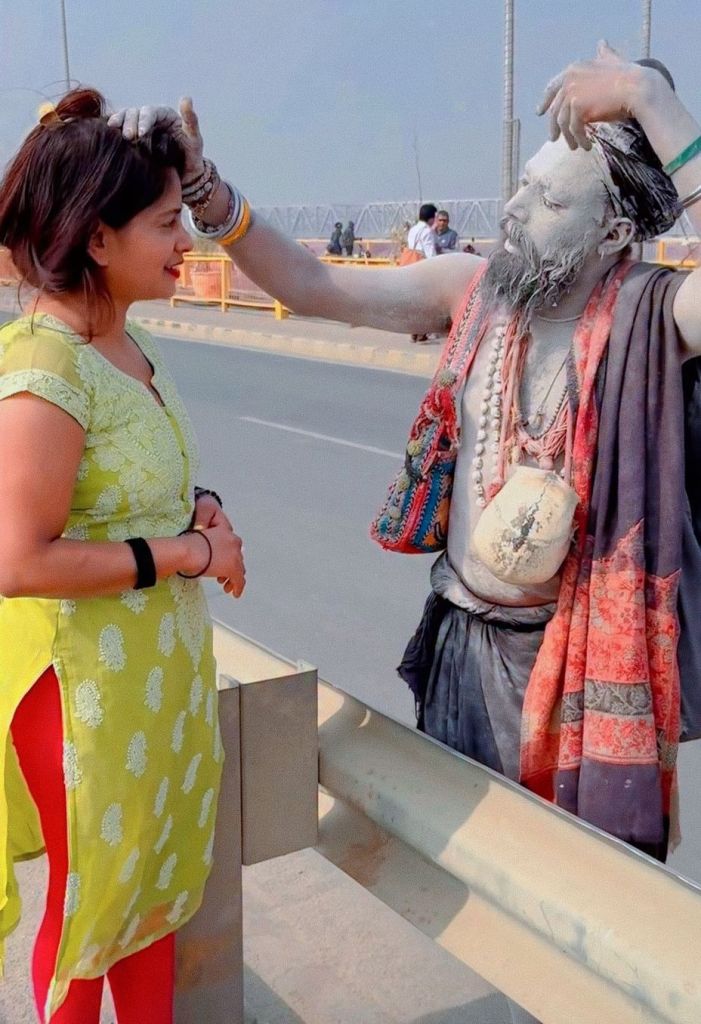
Hidden within the depths of India’s spiritual and cultural ethos, the Akharas stand as mighty citadels of devotion, discipline, and divine authority. These are not mere congregations of wandering monks but formidable institutions that have safeguarded Hindu traditions for centuries. At the Kumbh Mela, their presence transforms the sacred confluence into a battlefield of spiritual energy, where faith and ferocity merge in a celestial dance of transcendence. As the Mahakumbh reaches its grand conclusion, the meticulous orchestration of their departure echoes the enduring legacy of these age-old monastic orders.
The Akharas are the spiritual powerhouses of Sanatan Dharma, existing for over a thousand years as fortresses of faith, wisdom, and martial prowess. Their primary role transcends the realms of prayer and penance; they are the guardians of ancient scriptures, the bearers of yogic and ascetic traditions, and the warriors who once protected the dharmic way of life. Divided into Shaiva, Vaishnava, and Udaseen sects, each Akhara operates as a disciplined fraternity, preserving the distinct tenets of its lineage while contributing to the broader spiritual ecosystem of Hinduism.
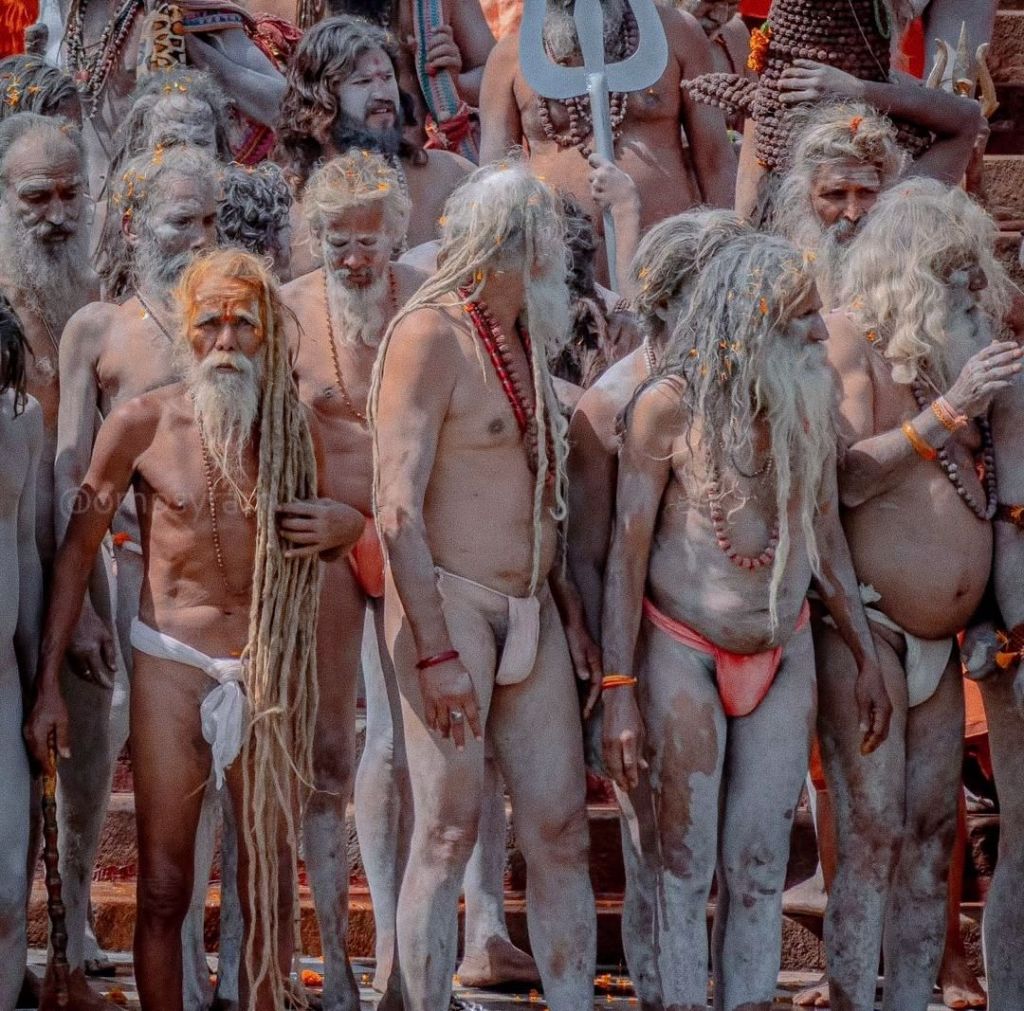
At the heart of the Kumbh Mela, the largest human gathering on the planet, the Akharas take center stage, commanding an unparalleled aura of reverence. The Shahi Snan, the royal bath, is the pinnacle of their participation—a spectacle of unbridled spiritual fervour. Saffron-clad Naga Sadhus, their bodies smeared with ash, stride with an air of invincibility, brandishing tridents and swords as they plunge into the sacred waters. Conch shells blare, the skies echo with thunderous chants of “Har Har Mahadev,” and the collective energy of millions surges into the rivers, creating a surreal panorama of faith in motion.
Yet, beyond the mysticism and awe-inspiring visuals, the Akharas are a testament to unparalleled organizational acumen. Managing an influx of millions requires a level of strategic planning akin to a grand military campaign. As the Mahakumbh concludes, the meticulous departure of Akharas and Kalpvasis—devotees who extend their stay for spiritual austerities—is executed with precision.
The Uttar Pradesh administration collaborates seamlessly with the Akharas, orchestrating their arrival and departure through pre-planned routes, transit zones, and designated rest camps. This synergy between governance and tradition reflects the profound reverence these institutions command, reaffirming their status as vital spiritual pillars in India’s socio-religious fabric. The Akharas’ adept navigation of the Mahakumbh’s intricate logistical web stands as a testament to their ability to merge age-old wisdom with contemporary efficiency.

But then comes the great vanishing act. Unlike temple priests or monastery-bound monks, the Naga Sadhus and Aghoris do not linger. As the final prayers echo and the last grains of ritualistic offerings settle in the sacred waters, they retreat—disappearing into the shadows of the Himalayas, the heart of dense forests, or the silent depths of cremation grounds. Their departure is as cryptic as their existence. Moving under the cover of night, they slip away, evading the curious gaze of the material world, returning to the isolation they cherish.
For centuries, their whereabouts post-Kumbh have remained a mystery, a puzzle wrapped in layers of devotion and secrecy. Legends whisper of hidden caves where the Naga Sadhus continue their rigorous tapasya, deepening their spiritual prowess beyond mortal comprehension. Some say the Aghoris roam among cremation grounds, embracing death as the final liberation. Others believe they dissolve into the wilderness, their presence only felt in rare moments when fate allows a seeker to cross their path.
This enigmatic disappearance is not an escape but a testament to their chosen path—an existence removed from the constraints of society, dedicated solely to the pursuit of enlightenment. They are ascetics who have mastered the art of detachment, walking the razor’s edge between mortality and transcendence. To the world, they are recluses; to those who understand, they are the keepers of a higher truth.
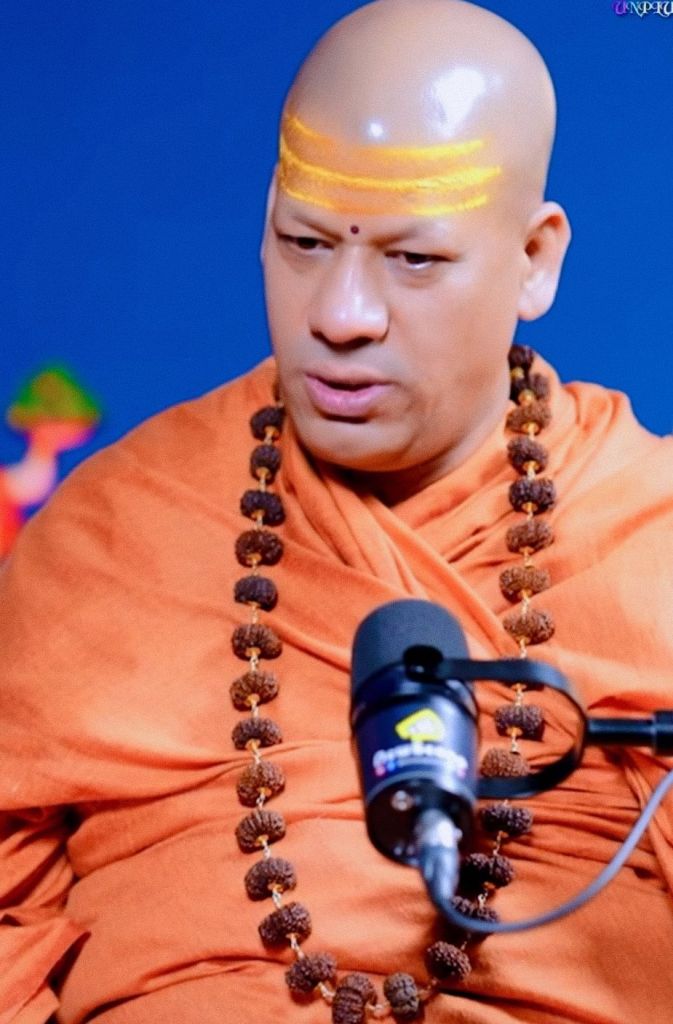
The legacy of the Akharas and their ascetics is not merely confined to religious events. They represent the indomitable spirit of Hinduism—a living, breathing testament to the endurance of dharma in an ever-evolving world. They are the keepers of the eternal flame, ensuring that the traditions of Sanatan Dharma remain unbroken, radiating wisdom and resilience across generations.
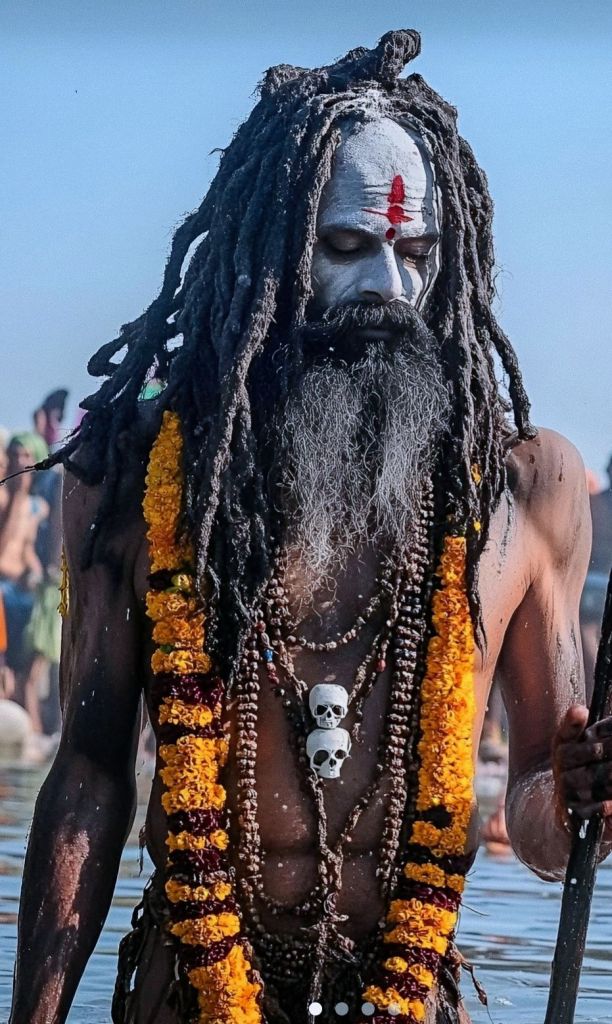
As the last echoes of the Kumbh Mela fade into the annals of history, the Aghoris and Naga Sadhus remain steadfast in their celestial journey, reminding the world that faith, discipline, and devotion are forces as powerful as time itself. And just like that, they are gone—vanished into the unknown, until destiny calls them again to the next grand congregation, where they shall once more rise from the ashes, like the eternal embers of the divine.
Visit arjasrikanth.in for more insights
 SOCIAL PERSPECTIVES