

Derailing the Dilemma: Can Indian Railways Ever Truly Be Privatized Without Chaos?
Indian Railways, a colossal entity and a symbol of national pride, stands at a defining moment. The debate over its privatization has intensified as the government grapples with modernizing this behemoth while preserving its role as the lifeline of millions. The vision? A socio-business hybrid model where the government retains control over infrastructure while private players inject efficiency, innovation, and capital. The reality? A bureaucratic maze, investor reluctance, and political hesitancy that make this an uphill battle.
With 8 billion passengers and over 1.5 billion tons of freight transported annually, Indian Railways is indispensable. However, inefficiencies, financial haemorrhaging, and outdated infrastructure have rendered it a sluggish giant. Passenger fares remain artificially low, subsidized by exorbitant freight charges. The operating ratio—a key indicator of financial health—hovers above 98%, meaning nearly every rupee earned is spent. In such a scenario, privatization appears to be a logical solution, but the challenges are formidable.
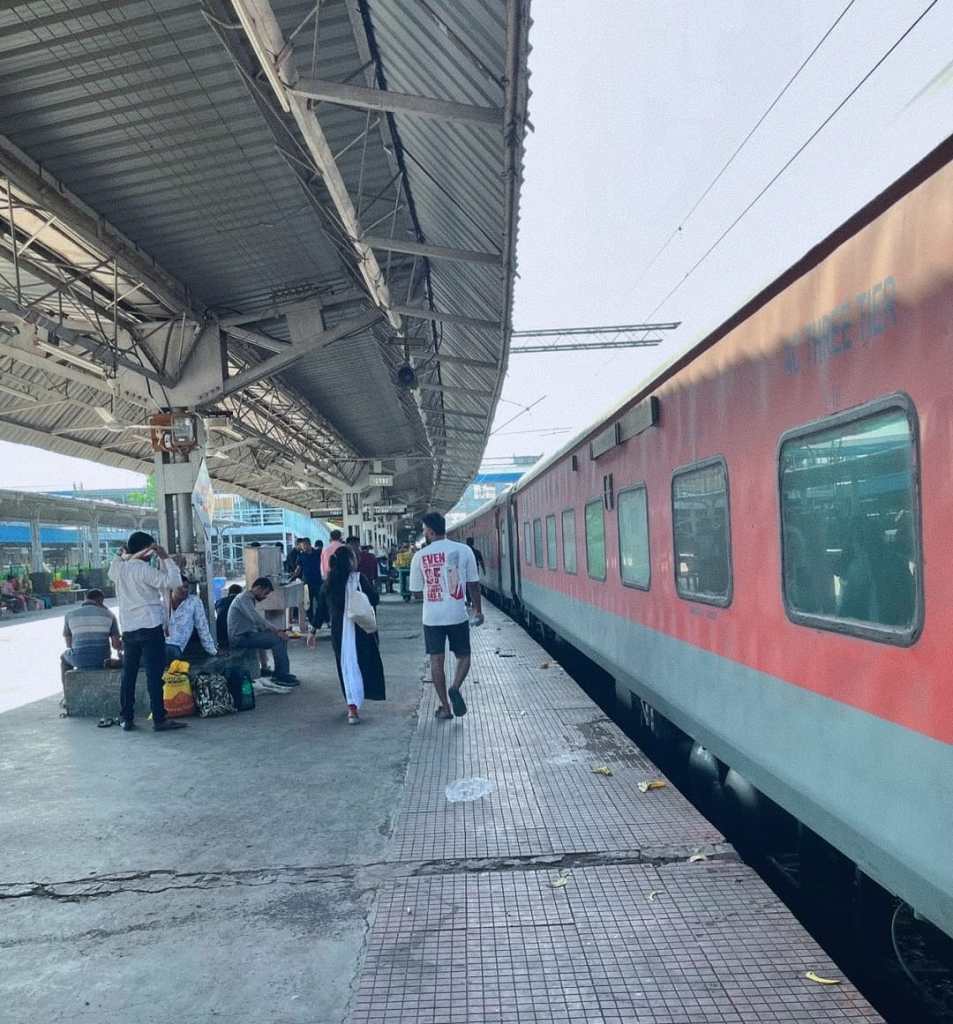
Indian Railways is not just a business; it is a strategic asset. In times of war, disaster, or emergency, seamless national coordination is paramount. The UK’s experiment with railway privatization offers cautionary lessons—fragmented services, skyrocketing fares, and declining reliability. India cannot afford such a fate. Any attempt at privatization must ensure national security, service affordability, and universal accessibility.
The 2019 initiative to allow private trains on 100 routes was a failure. The structure was rigid—private firms had to invest in trains, bear operational costs, and still pay revenue shares to the government. The response was tepid, with only two bidders, one being IRCTC itself. This exemplifies the fundamental problem: private players seek profitability, while Indian Railways has long been a socio-economic service.
The cross-subsidization model, where freight revenue subsidizes passenger fares, is a ticking time bomb. Freight customers, burdened by excessive charges, are increasingly shifting to road and pipeline transport. If private players are given control, they will seek profitability through fare hikes. Lessons from the aviation sector are sobering: privatization often leads to additional charges, dynamic pricing, and service segmentation. The Delhi Metro Airport Line is a stark reminder of this—high fares deterred passengers, leading to losses and an eventual government takeover.
Rather than outright privatization, a socio-business hybrid model seems to be the best path forward. The government should retain ownership of tracks, stations, and safety infrastructure while allowing private operators to run passenger services on a per-kilometre fee basis. This ensures efficiency without compromising strategic control. A phased approach, akin to Japan’s railway privatization, could work—initially allowing private operators under strict regulations and gradually reducing government stakes over time.
Railway stations hold immense real estate potential. Leasing out land for malls, hotels, and offices can create alternative revenue streams. Hong Kong’s MTR system successfully uses real estate to fund railway development. A land tax within a 500-meter radius of major stations could ensure that businesses benefiting from railway connectivity contribute to infrastructure maintenance.
However, execution remains the biggest hurdle. Privatization is politically sensitive—any attempt to raise fares or restructure operations meets fierce resistance. Railway unions, voter concerns, and bureaucratic inertia are powerful obstacles. Without strong political will, even the best-laid plans will crumble.

Indian Railways is at a critical juncture. If privatization is done right, it could modernize services, enhance efficiency, and reduce financial stress. But a rushed, unstructured approach could lead to chaos, unaffordable fares, and public backlash. The government must strike a balance—retaining control over infrastructure while allowing private efficiency in services and operations. A bold political vision, investor-friendly policies, and stringent regulatory oversight are non-negotiable for success. If executed correctly, Indian Railways can transform into a self-sustaining economic powerhouse. If not, it risks derailing into financial and operational ruin.
Visit arjasrikanth.in / @DrArjasreekanth for more insights
 SOCIAL PERSPECTIVES
One response to “Indian Railways: The Great Privatization Dilemma”
A decent argument. Precise and calibrated.
LikeLike