

Where 500 Million Devotees Meet Precision Planning: Yogi Adityanath’s Masterstroke in Faith, Safety, and Logistics
As the sun rises over the sacred confluence of the Ganga, Yamuna, and the mystical Saraswathi in Prayagraj, the air vibrates with chants, bells, and the resounding echoes of conch shells. The Maha Kumbh Mela 2025, an event of cosmic significance, has drawn an estimated 500 million devotees, making it the largest religious gathering in human history. This grand spectacle is not only a spiritual magnet but also an unparalleled logistical challenge—one that the Yogi Adityanath government has undertaken with meticulous planning, relentless execution, and an unwavering commitment to faith and safety.
A Kumbh Mela is no ordinary event. It occurs every 12 years at one of four sacred riverside locations—Prayagraj, Haridwar, Nashik, and Ujjain. This festival traces its origins back to the ancient legend of Samudra Manthan, where celestial beings and demons churned the cosmic ocean to obtain Amrit, the nectar of immortality. The 2025 Maha Kumbh carries even greater significance as it marks the completion of 144 years, a full cycle of 12 Kumbhs, under rare planetary alignments. The festival is a vibrant confluence of devotion, culture, and spiritual purification, culminating in the Amrit Snan, a sacred dip believed to cleanse lifetimes of sins and bestow moksha.
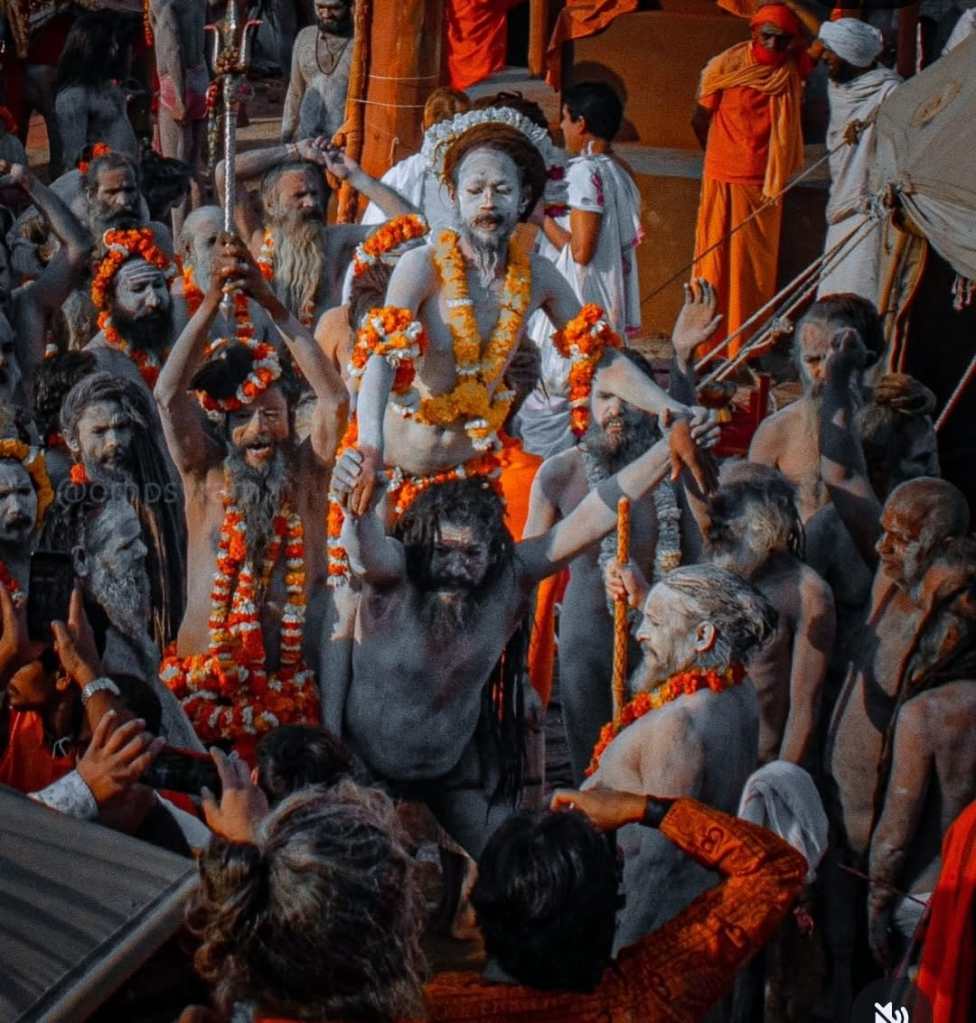
Organizing an event of this magnitude is a monumental undertaking, particularly when it comes to accommodating the 13 Akharas of revered Sadhus, each with distinct traditions, customs, and rituals. The Sadhus, some of whom belong to centuries-old monastic orders such as Juna, Niranjani, and Mahanirvani, travel primarily during the night and rest in transit camps during the day. Special trains facilitate their movement, while unique provisions for their accommodations, such as designated tents and stay facilities, are crucial. Managing these spiritual leaders while maintaining the sacred atmosphere of the event requires immense effort and attention to detail. At the same time, over 50 crore pilgrims, each driven by unwavering faith, converge on Prayagraj to take a sacred dip at the most auspicious moment. The challenge of balancing these immense spiritual dynamics with administrative precision requires meticulous planning and flawless execution.
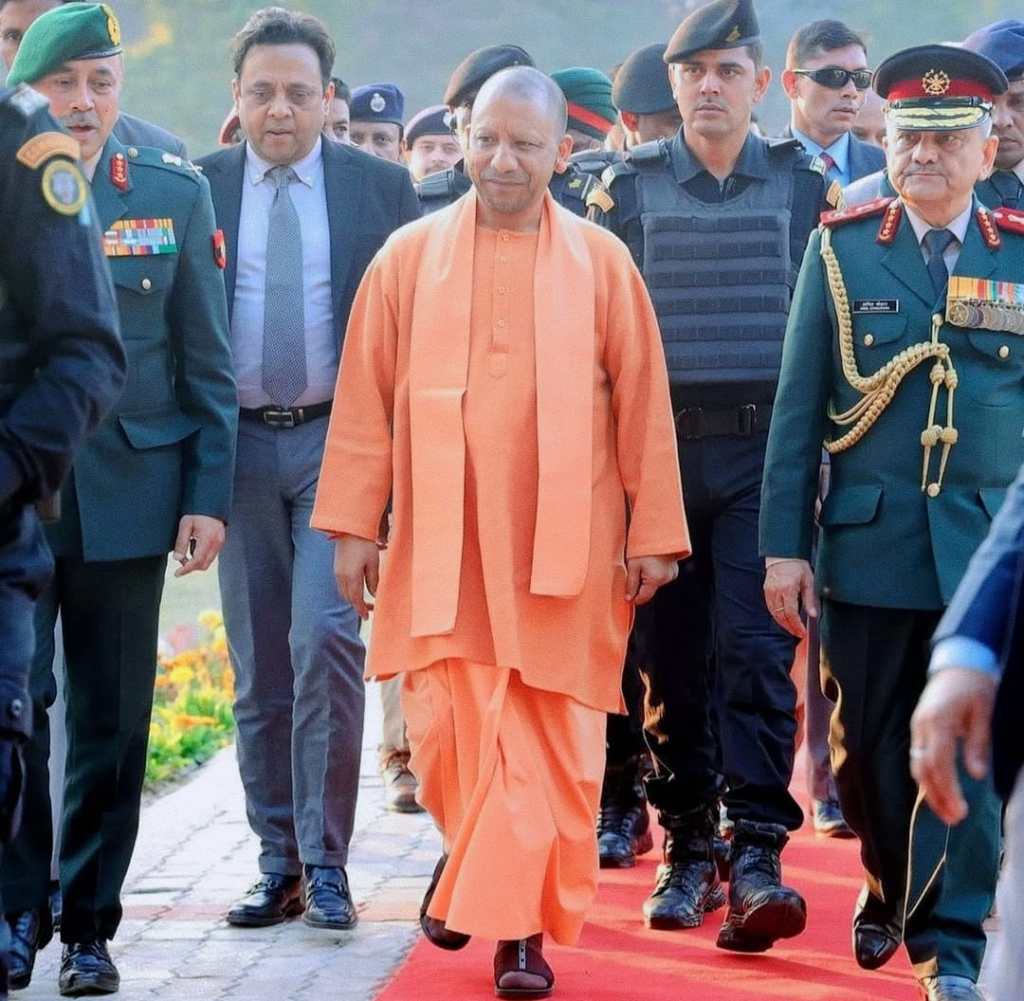
Yogi Adityanath, demonstrating remarkable foresight and strategic leadership, ensured the seamless integration of tradition and governance. His administration orchestrated the event with a focus on honoring centuries-old rituals while ensuring that everything ran smoothly. The Chief Minister personally led negotiations and coordination efforts with the Akharas, fostering an environment of mutual respect and cooperation. Ensuring the smooth participation of the Akharas, especially during the highly significant Shahi Snan, required an intricate understanding of their customs and spiritual hierarchies. Yogi Adityanath, a monk himself, navigated these complexities with a rare blend of authority and reverence, ensuring that traditions remained intact while administrative efficiency was maximized.

The logistical and infrastructural demands of the Maha Kumbh are staggering. The festival spans an area of 4,000 hectares, with over 150,000 tents erected to accommodate pilgrims. Sanitation has been a paramount concern, as maintaining cleanliness amidst such a massive influx of people is no small feat. The government deployed over 10,000 sanitation workers to ensure the event’s cleanliness under the “Swachh Kumbh” initiative. More than 1.5 lakh toilets were installed across the Mela grounds, along with a rapid waste disposal system to manage the enormous volume of waste generated daily. The sheer scale of sanitation efforts reflects the administration’s commitment to ensuring that the Mela remains a clean, organized, and respectful gathering for devotees.

Security at Maha Kumbh 2025 is a masterpiece of strategic planning, utilizing modern technology to safeguard the event. Over 40,000 personnel, including police officers, paramilitary forces, and intelligence units, were deployed to ensure order and safety. Multi-layered security arrangements, such as AI-powered surveillance systems, facial recognition technology, and underwater drones, monitor crowds. Cybercrime experts also work tirelessly to thwart any potential digital threats. A seven-ring security system encircles the Sangam area, controlling entry and exit points, while 700 boats patrol the riverbanks to prevent accidents. These advanced measures ensure that, despite the overwhelming crowd, the Mela remains a safe and secure event for all devotees.
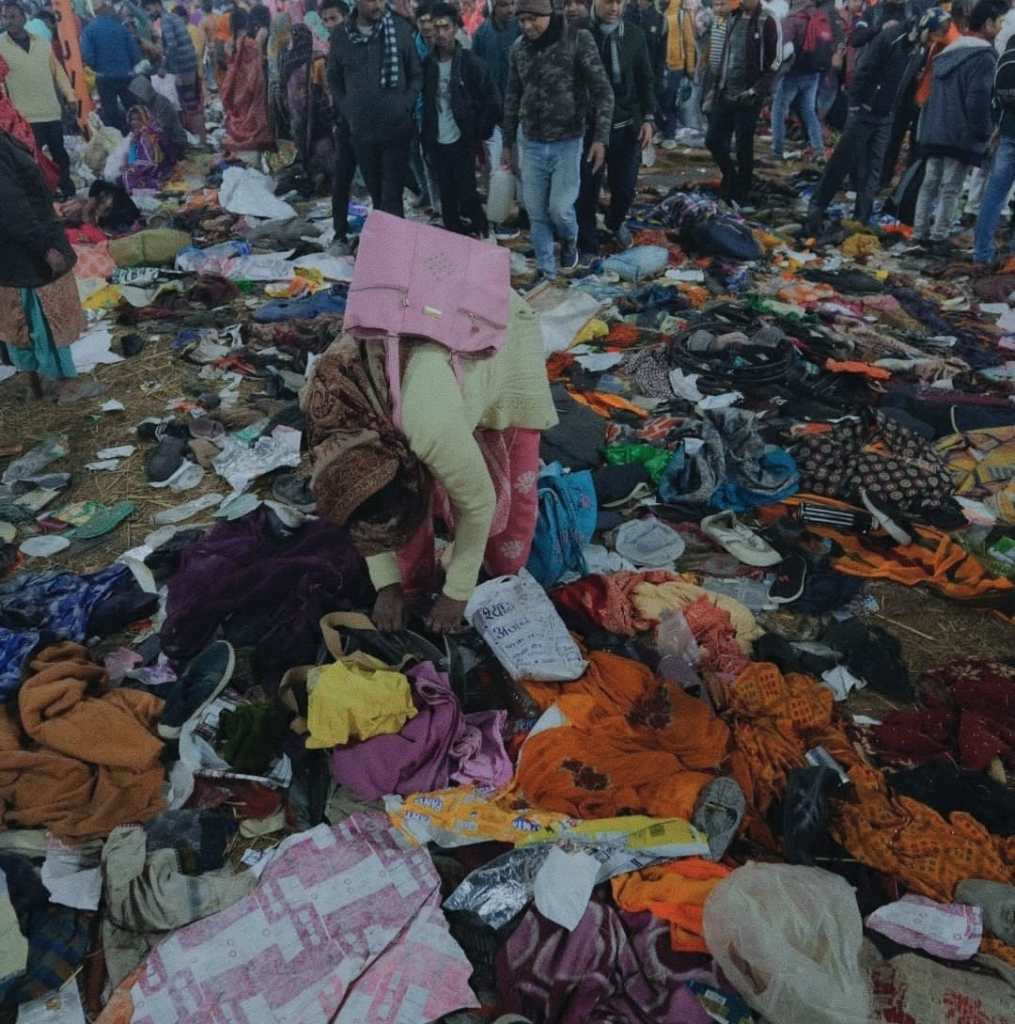
However, despite the extensive preparations, tragedy struck on the night of January 29, when a stampede claimed the lives of 30 pilgrims. Despite the police’s repeated calls for crowd management and the removal of devotees from designated areas, the intensity of faith led many to ignore safety warnings, determined to partake in the Amrit Snan. This heartbreaking incident highlights the powerful devotion that defines the Kumbh Mela but does not diminish the responsibility and foresight of the administration, which had taken every possible measure to prevent such an event.
Medical preparedness has been another cornerstone of the administration’s strategy. Over 1,200 medical personnel have been stationed across Mahakumbh Nagar, particularly around key bathing dates like Basant Panchami. The event’s medical infrastructure includes 23 hospitals, 360 beds, 10 first-aid posts, and 24/7 ambulance services. Comprehensive health inspections, round-the-clock sanitation, and an efficient supply of medicines ensure that devotees receive timely medical attention when necessary. The state-of-the-art 100-bed central hospital, with emergency response teams, underscores the government’s dedication to prioritizing health and safety during this massive event.
Maha Kumbh 2025 also generates an immense economic ripple effect. Economic activity during the Mela is expected to generate transactions worth ₹2.5 lakh crore, contributing nearly 0.8% to India’s GDP. Over 4,600 religious, social, and spiritual organizations have set up their pandals, creating a vibrant ecosystem of cultural exchange and economic vitality. From local vendors to large-scale enterprises, the economic impact is felt far and wide, illustrating how the Mela not only serves as a spiritual gathering but also as a driving force for economic prosperity.
Even amidst the overwhelming influx of devotees, the administration ensures that announcements about available facilities, assistance points, and crowd management strategies are made at regular intervals. Coordination among government agencies, security forces, health officials, sanitation workers, and volunteers is impeccable. More than 5,000 volunteers are dedicated to serving meals to the masses, adding to the event’s spirit of selfless service and communal effort.

The scale of daily maintenance is equally impressive. Pilgrims leave behind an unimaginable volume of discarded clothes, food remnants, and other waste materials. Yet, by dawn, the ghats are pristine, the pathways are spotless, and the tents are perfectly arranged, ready for another day of devotion. This tireless effort speaks volumes about the discipline, planning, and execution behind the event.
Through all these extraordinary measures, Yogi Adityanath and his administration have demonstrated that when governance aligns with faith, meticulous execution can create a harmonious confluence of spirituality and administration. The Maha Kumbh is not just a religious event—it is a powerful testament to how exceptional governance can transform chaos into order and ensure that faith and devotion are upheld in the most organized manner.
Visit arjasrikanth.in / @Arjasreekanth for more insights
 SOCIAL PERSPECTIVES