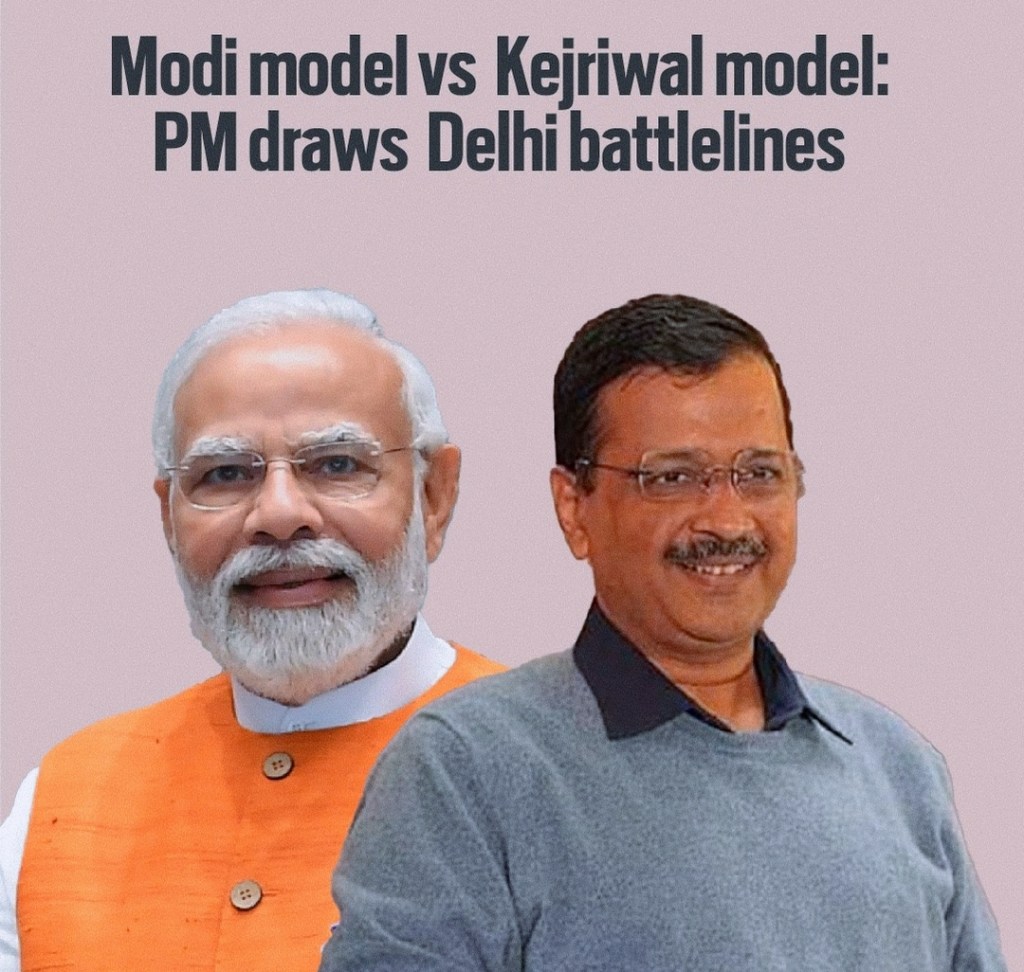
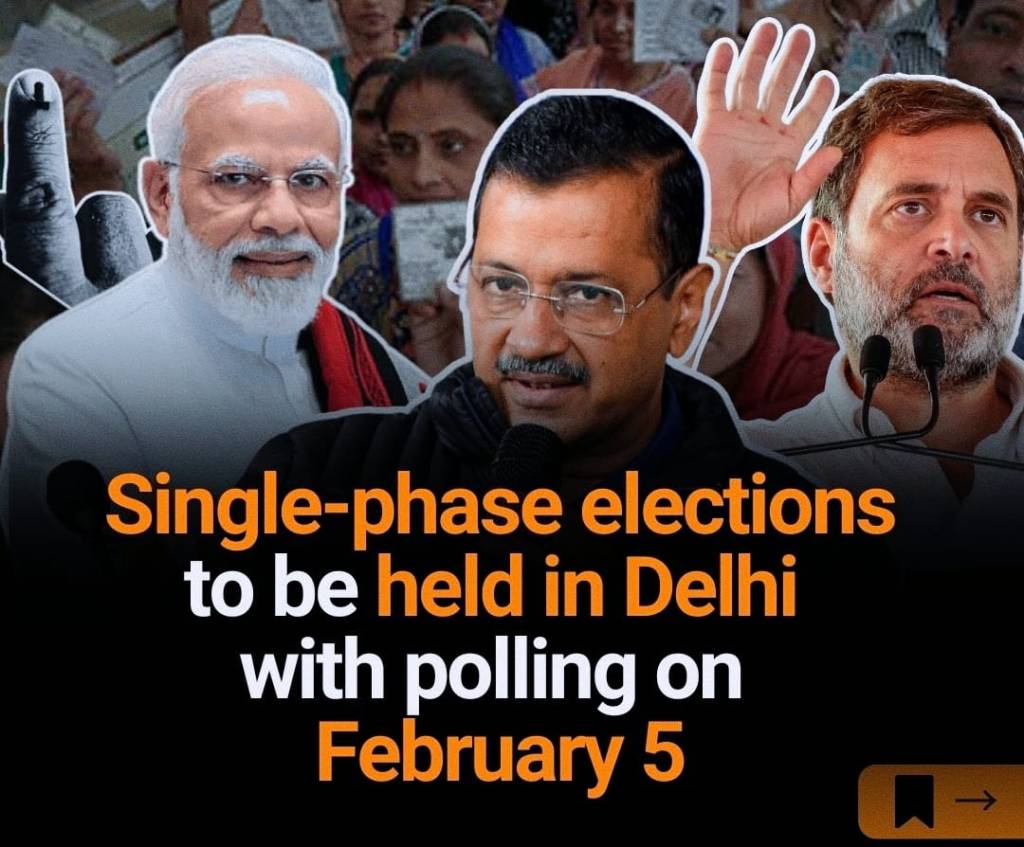
With promises raining, tempers flaring, and accusations flying, the battle for Delhi’s throne turns into a high-stakes political spectacle!*
As the countdown to the Delhi general elections on February 5, 2025, begins, the national capital is witnessing an electrifying political showdown. The atmosphere is charged with grand promises, fierce accusations, and a flurry of freebies as parties pull out all the stops to woo voters. Political leaders are engaged in an all-out battle, each vying for dominance in what is shaping up to be one of the most contentious elections in Delhi’s history. With a high-stakes contest unfolding, strategies are becoming more aggressive, rhetoric sharper, and alliances more fragile.
Prime Minister Narendra Modi has taken center stage, leading the Bharatiya Janata Party’s (BJP) charge with a high-impact promise—a monthly stipend of ₹2,500 for women in Delhi under a newly proposed scheme. This initiative is part of BJP’s broader vision to uplift marginalized sections of society and secure crucial support from women voters, who hold significant influence in electoral outcomes. Modi’s enduring charisma, coupled with the BJP’s robust campaign machinery, is expected to play a critical role in the party’s push to reclaim power in a city where it has struggled to establish a stronghold for over two decades. The BJP is positioning itself as the agent of change, offering governance that aligns with its “double-engine” model, emphasizing the synchronization of central and state administration for accelerated development.
Meanwhile, Congress leader Rahul Gandhi is intensifying his attack on both the ruling Aam Aadmi Party (AAP) and the BJP, seeking to revive his party’s fading presence in Delhi. Congress, once a dominant force in the capital, has seen its influence wane significantly over the past decade. Gandhi has taken a sharp stance against AAP, focusing on issues such as rising pollution, inflation, and governance failures. He argues that AAP’s populist measures have failed to address the city’s deeper infrastructural and environmental challenges. By drawing attention to these inadequacies, Congress is attempting to position itself as the viable alternative, despite its declining voter base in recent years.
Former Chief Minister Arvind Kejriwal, the face of AAP, remains resolute in defending his government’s track record. He continues to highlight his administration’s flagship initiatives, including free electricity, free bus rides for women, and investments in education and healthcare. Kejriwal’s populist policies have garnered strong grassroots support, particularly among the lower-income groups who have benefited from these schemes. However, his government has faced mounting criticism over the persistent pollution crisis, inefficiencies in public services, and allegations of corruption. As the election approaches, AAP’s ability to counter opposition narratives while sustaining its voter base will be a crucial test of its political endurance.

The battle for Delhi is further intensified by the active scrutiny of political analysts and media commentators, who are closely evaluating the promises and performance of the contesting parties. Senior journalists highlight the high stakes of this election, particularly for the BJP, which has been out of power in the capital since 1998. They emphasize that the party’s dependence on a “double-engine” governance model—where state and central administrations function in tandem—will be put to the test against the electorate’s inclination toward localized governance approaches.
Beyond the political rhetoric, key policy debates have emerged, with healthcare being a major point of contention. The Ayushman Bharat scheme has been a focal issue, with AAP challenging its efficacy and arguing that Delhi’s existing government hospitals already provide free treatment. The BJP, on the other hand, has defended the scheme, citing its success in other states and its potential to improve healthcare accessibility in Delhi. The contrasting visions for healthcare highlight the broader ideological divide between the parties, reflecting their differing approaches to governance and welfare.

Amidst the political spectacle, accusations and counter-accusations are escalating. The BJP has accused AAP of mismanaging essential services, while AAP has hit back, questioning the BJP’s governance at the national level. One of the most contentious issues remains the pollution crisis, particularly the deteriorating state of the Yamuna River. Both parties have attempted to project themselves as champions of environmental sustainability while simultaneously blaming each other for the worsening conditions. The environment, long considered a peripheral electoral issue, has now taken centre stage, influencing public sentiment as Delhi grapples with severe air and water pollution.
Local governance issues are also playing a decisive role in shaping voter preferences. Everyday concerns such as garbage collection, road maintenance, and civic infrastructure have become flashpoints for residents across different socioeconomic strata. Both in affluent colonies and unauthorized settlements, citizens express deep frustration over inefficient municipal services, making urban management a key election issue. With voters increasingly scrutinizing the tangible impact of government policies on their daily lives, parties are under pressure to move beyond grand promises and demonstrate concrete solutions.
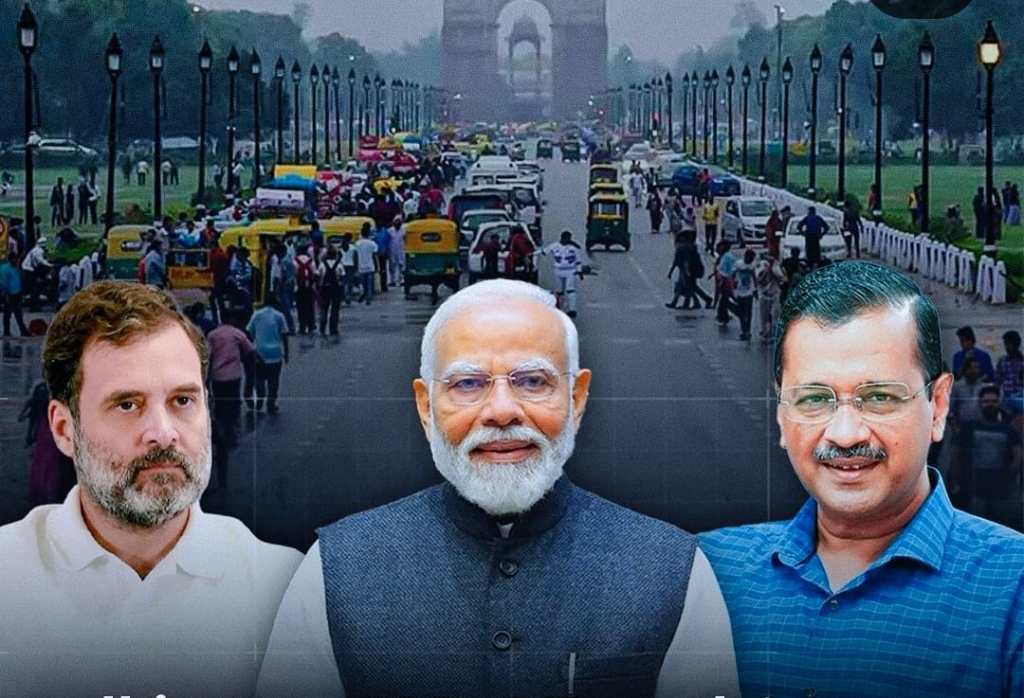
The upcoming Delhi elections are poised to be a dramatic and high-stakes contest, with each party deploying its most aggressive tactics to capture the electorate’s favour. From extravagant promises and scathing critiques to ideological clashes and strategic alliances, the capital is set to witness an intense political showdown. As February 5, 2025, approaches, the only certainty is that Delhi’s voters hold the ultimate power to decide the city’s future. The electoral battlefield is set, the rhetoric is at its peak, and the stakes have never been higher. In this political spectacle, every vote will count, and every strategy will be tested in what promises to be a defining moment in Delhi’s political history.
Visit arjasrikanth.in for more insights
 SOCIAL PERSPECTIVES