
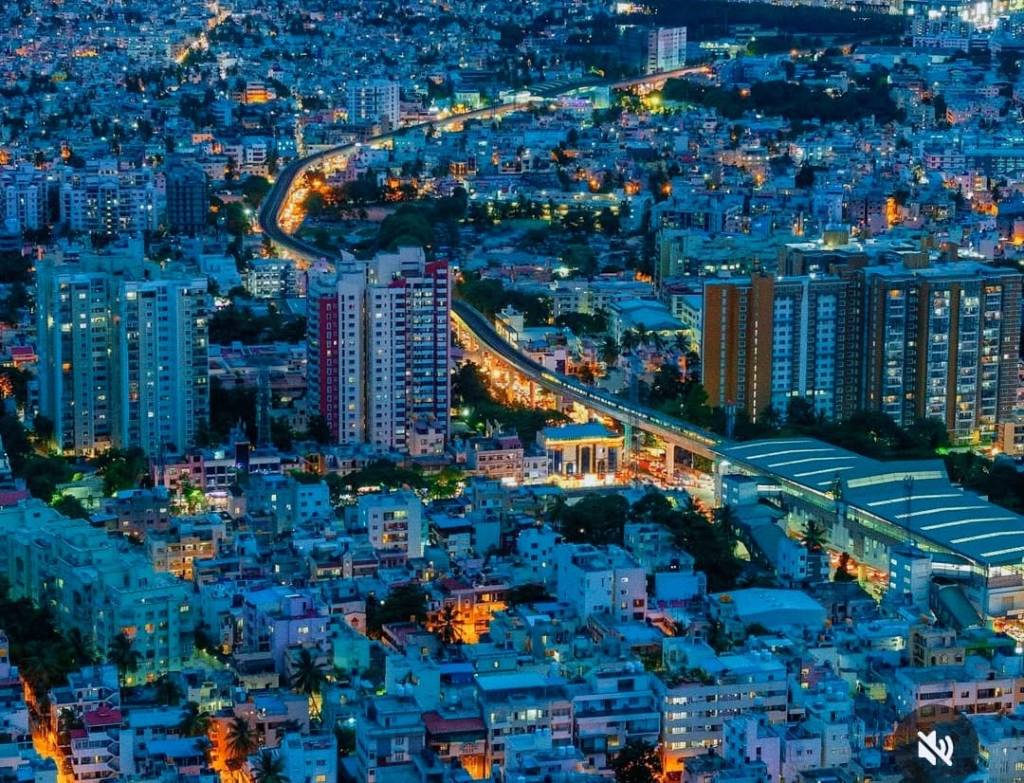
From the Concrete Jungle to the Cesspool of Governance—India’s Cities Are Stuck in a Paradox of Progress and Failure
Indian cities present a striking paradox—dynamic yet decaying, promising yet punishing, thriving yet throttling. They stand as the pulsating heart of an ancient civilization, yet also reflect the shattered dream of modern governance. The chaos is not simply the result of poor planning, but a deeply entrenched systemic failure. This dysfunction is compounded by political apathy, misplaced priorities, and a collective resignation to mediocrity.
The most recent Global Liveability Index of 2024 paints a grim picture for India’s urban landscape. Delhi and Mumbai, once hailed as the economic and political powerhouses of the nation, languish in a dismal 141st place, earning a mere score of 60.2 out of 100. Bengaluru, often celebrated as India’s tech hub, fares even worse, ranking 146th and earning the dubious distinction of being the least liveable city in the country. Other cities such as Chennai and Ahmedabad, while slightly better, still fail to make it into the top 20 in either global or Asian rankings. Meanwhile, cities like Geneva, Zurich, and Singapore epitomize the kind of efficient, aesthetically pleasing, and humane urban existence that India aspires to but has repeatedly failed to achieve.

The reasons behind this deplorable state of affairs are not merely administrative or governance failures; they are deeply rooted in how urban life is perceived and managed. The rapid onset of democracy in India, without a corresponding evolution of elite governance, has left cities trapped in a never-ending cycle of short-term fixes and political expediency. In many developed nations, city planning was driven by a cultural elite long before mass democracy took hold. In India, however, elections were held before the country had even established basic urban infrastructure like roads, sanitation systems, or townships. The result has been a complete lack of continuity in urban planning and an absence of a long-term vision for city-building.
Unlike other nations where strong institutional frameworks guided city development, India’s cities were thrust into the chaos of electoral populism before these institutions were properly established. While elitism has its drawbacks, history shows that cities built with a strong, centralized institutional structure tend to thrive. India, however, never allowed its elites the time or the power to build such frameworks before being thrust into the labyrinth of politics.

The obsession with grand, futuristic projects—smart cities, bullet trains, twin cities, and hyperloops—has only served to overshadow the basic needs of urban life. These projects promise innovation but fail to address pressing issues such as green spaces, clean air, efficient public transport, and waste management. In Indian cities, urban governance has become a cesspool of bureaucratic inefficiency, where the rich and the poor coexist in parallel worlds—luxury high-rises towering over sprawling slums. Neither side benefits from competent, well-implemented policies.
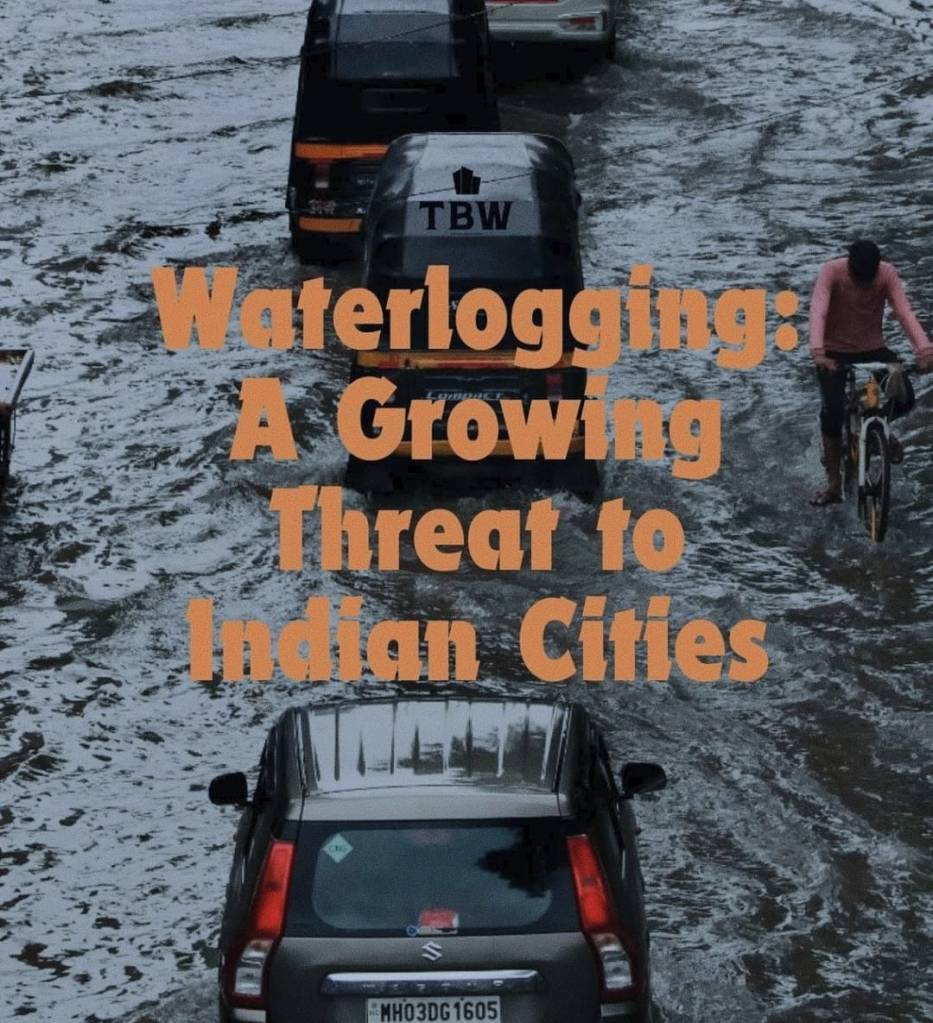
The causes of urban decay go beyond mere political mismanagement. If politicians were solely to blame, the country’s elite would have long ago created private cities that mirror the living standards of their global counterparts. But the deeper issue lies in a collective apathy. Unlike the Thai middle class, which ensures that Bangkok remains orderly and hygienic despite its congestion, Indians have, by and large, come to accept chaos, filth, and mismanagement as the natural order of things. Municipal bodies, instead of focusing on lane discipline, waste disposal, or creating public parks, are often mired in petty political infighting and budget manipulations. The government assumes that citizens will endure squalor and, in turn, citizens rarely demand better services or improvements.
Migration has long been seen as a survival tool in India. However, it has also eroded the sense of ownership and responsibility towards urban spaces. Historically, India’s influential class has sought to escape urban decay—first from colonial rule, then from post-independence instability, and now from the collapse of city infrastructure. Unlike Western nations, where citizens with long-term stakes drive city development, India’s elite have always had one foot out the door, never fully investing in fixing their cities.
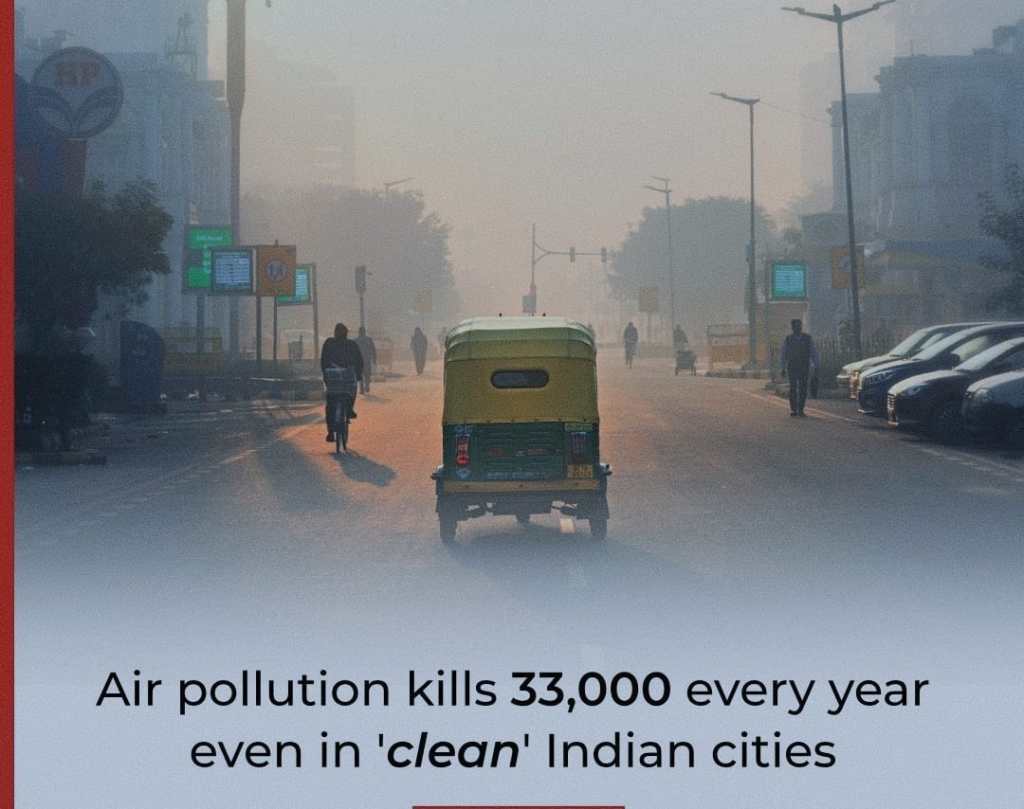
Yet, paradoxically, the very elite that once abandoned India may now hold the key to its urban revival. As global economic dynamics shift and India’s international clout grows, a new generation of wealthy Indians is reconsidering life in their homeland. Unlike their predecessors, who were more interested in preserving their privileges, this new generation seeks urban order, aesthetics, and infrastructure not out of altruism but out of self-interest. This shift, however modest, could push city planning reforms forward. If this affluent class begins to demand well-planned, efficient cities, it could provide the political pressure needed for change.
Despite the grim scenario, reclaiming India’s urban spaces is not impossible. The key lies in decentralized urban governance—empowering local bodies to take charge of city planning instead of relying on distant state or central authorities. There is an urgent need for a legally binding, long-term urban development framework that prioritizes sustainability, mobility, and public health. Public-private partnerships should be leveraged to create sustainable urban ecosystems, and civic engagement must be fostered to ensure that citizens demand better services and hold their leaders accountable.

Mass transit investment must take precedence over road expansions that cater only to private car owners. India desperately needs efficient metro networks, bus rapid transit systems, and pedestrian-friendly infrastructure to create inclusive urban spaces. By focusing on long-term, intelligent planning, Indian cities can be transformed from chaotic nightmares into thriving, liveable urban centres that benefit all citizens, not just the privileged few. The time to act is now, before the urban catastrophe becomes irreversible.
In conclusion, India’s cities embody a paradox of progress and stagnation. While the challenges are immense, the potential for transformation exists—if only political will, civic engagement, and visionary planning are prioritized. The time for change is overdue, and the nation cannot afford to wait any longer.
Visit arjasrikanth.in or @DrArjasreekanth for more insights
 SOCIAL PERSPECTIVES