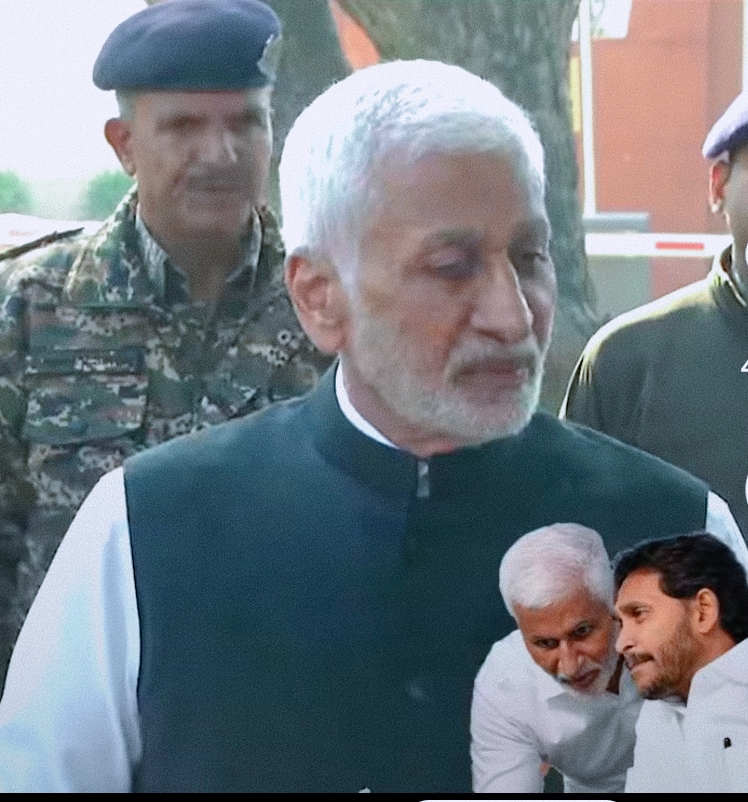

A Political Odyssey of Ambition, Hubris, and the Perils of Lost Loyalty in India’s Turbulent Politics
In the volatile landscape of Indian politics, few stories resonate as powerfully as that of Vijayasai Reddy, (67) a figure whose meteoric rise to power was matched only by his subsequent fall from grace. His narrative is one of ambition, loyalty, and eventual downfall—a cautionary tale for politicians who navigate the treacherous waters of public service. Reddy’s journey exemplifies the adage that in politics, the highs can be dizzying, but the lows can be catastrophic, especially when one becomes detached from the very people who enabled their ascent.
Born on July 1, 1957, in the small town of Tallapudi in Andhra Pradesh, Reddy emerged from humble beginnings in an agricultural family. With a fierce determination to succeed, he pursued an education and became a Chartered Accountant, establishing a successful practice across multiple cities. His financial expertise and connections to the political elite soon paved the way for his entry into the political arena. Reddy became an aide to former Chief Minister Y.S. Rajasekhara Reddy, and later, his son, Y.S. Jagan Mohan Reddy, solidifying his status in the political landscape.
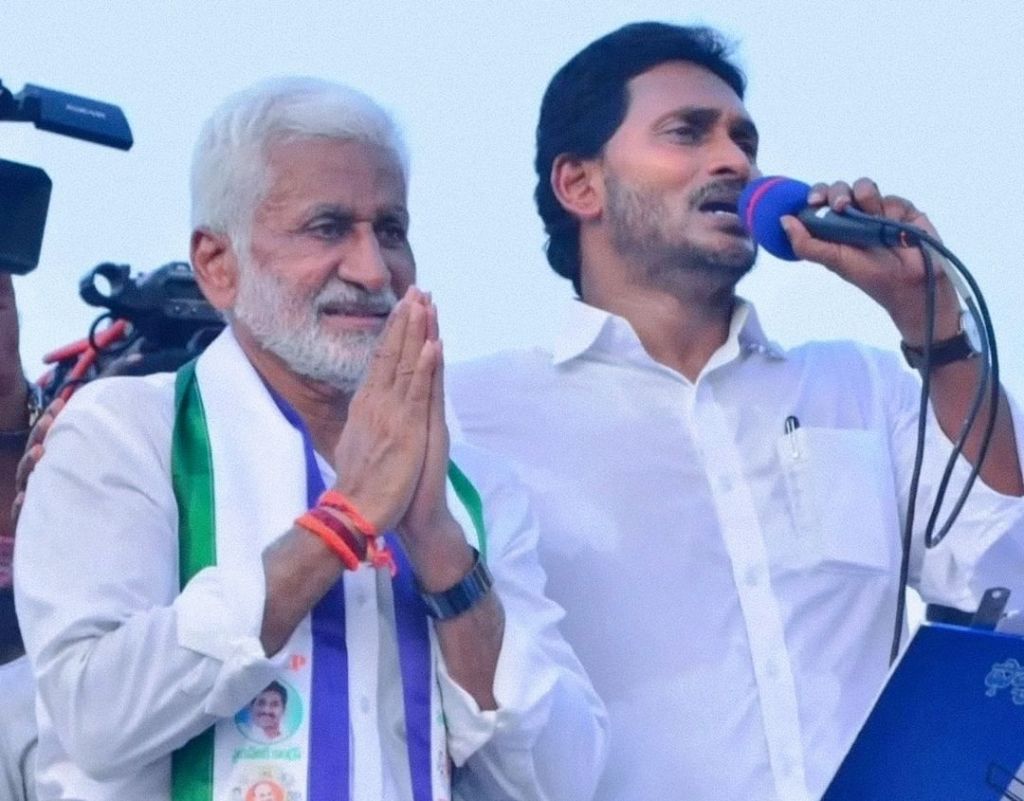
Reddy’s political career reached new heights when he joined the YSR Congress Party (YSRCP), a party founded by Jagan Mohan Reddy following the tragic death of Y.S. Rajasekhara Reddy in a helicopter crash. Reddy quickly became a trusted confidant and was instrumental in guiding the party through turbulent times, helping secure Jagan’s position as Chief Minister. His loyalty and contributions were rewarded with key roles, including a seat in the Rajya Sabha, where he emerged as a prominent voice for the party.
As Reddy’s political star ascended, his sense of self-importance grew. The accolades and power began to inflate his ego, transforming him from a dedicated servant of the people into a figure marked by arrogance. His approach to politics shifted, becoming increasingly transactional; he began to view relationships with party members and the electorate through a lens of personal gain rather than genuine service. This transformation marked the beginning of his downfall, as he strayed from the core values of humility that had initially fueled his rise.

Despite his considerable accomplishments, including chairing various parliamentary committees and receiving prestigious awards, Reddy’s political trajectory began to shift dramatically. His arrogance culminated in a series of missteps that alienated both political adversaries and allies alike. The once-loyal supporters who had rallied behind him began to question his leadership and priorities. Dissent grew louder, and the foundation of his political empire began to crack under the weight of his hubris.
In January 2022, Reddy faced significant legal challenges as the Enforcement Directorate (ED) launched an investigation into his alleged involvement in the Kakinada Sea Port case. The charges against him included money laundering and financial irregularities, casting a shadow over his integrity and commitment to public service. As the investigation unfolded, Reddy attempted to distance himself from the allegations, arguing that his resignation from the Rajya Sabha was purely personal and not an attempt to evade scrutiny.

However, the damage had been done. The perception of Reddy as a corrupt politician overshadowed his previous contributions to the party and the state. His statements, once taken at face value, began to be met with skepticism. The very people he had once relied upon for support began to distance themselves, recognizing that political fortunes can change swiftly and without warning. Reddy’s fall from grace became a stark reminder that in politics, loyalty is a two-way street; neglecting those who helped build your career can lead to isolation and betrayal.
Reddy’s resignation from the Rajya Sabha marked a poignant moment in his tumultuous political journey. While he expressed gratitude to the YSR family for their support over the decades, he failed to acknowledge the shifting tides among his constituents and party members. His attempt to pivot toward agriculture in his post-political life seemed more like a retreat than a strategic move, as he grappled with the reality of his diminished political clout.
The YSRCP, while respecting Reddy’s decision, made it clear they did not approve of his departure. This statement underscored the precariousness of his position within the party and highlighted the consequences of his arrogance. Reddy’s legacy, once defined by loyalty and dedication, became overshadowed by questions of integrity and accountability.

Reflecting on Vijay Sai Reddy’s journey reveals that his story serves as a microcosm of the broader political landscape in India. The intoxicating highs of political success can foster a dangerous sense of invincibility, blinding leaders to the needs and sentiments of their constituents. The very followers who once championed their cause can quickly transform into critics if they perceive betrayal or neglect.
Reddy’s downfall stands as a stark reminder that political careers are often built on the foundations of public trust and goodwill. When leaders become too enamored with their power and lose sight of the people they serve, they risk alienation and, ultimately, their political survival. The adage that “pride comes before a fall” resonates deeply in Reddy’s narrative, illustrating how arrogance can precipitate a swift and unforgiving decline.
As the political landscape continues to evolve, the lessons drawn from Vijay Sai Reddy’s journey remain relevant. In a world where political fortunes can change overnight, humility, empathy, and genuine connection with the electorate are paramount for sustained success. Reddy’s experience serves as a cautionary tale for current and aspiring politicians alike, emphasizing the importance of remembering those who support you on the path to power.

In conclusion, Vijay Sai Reddy’s rise and fall encapsulate the volatile nature of politics, where success is often fleeting and the consequences of arrogance can be dire. His journey from a promising political leader to a figure tarnished by controversy highlights the pressing need for introspection and accountability in public service. As Reddy navigates the aftermath of his resignation, his story will undoubtedly serve as a poignant reminder for others in the political arena: in the game of politics, staying grounded and connected to the people is not merely advisable; it is essential for survival—a lesson that, if forgotten, can lead to a steep and unforgiving decline.
Visit arjasrikanth.in for more insights
 SOCIAL PERSPECTIVES