“From British Blueprints to Budget Blowouts: The Unfinished Saga of Andhra Pradesh’s Grand Hydro-Economic Gamble”
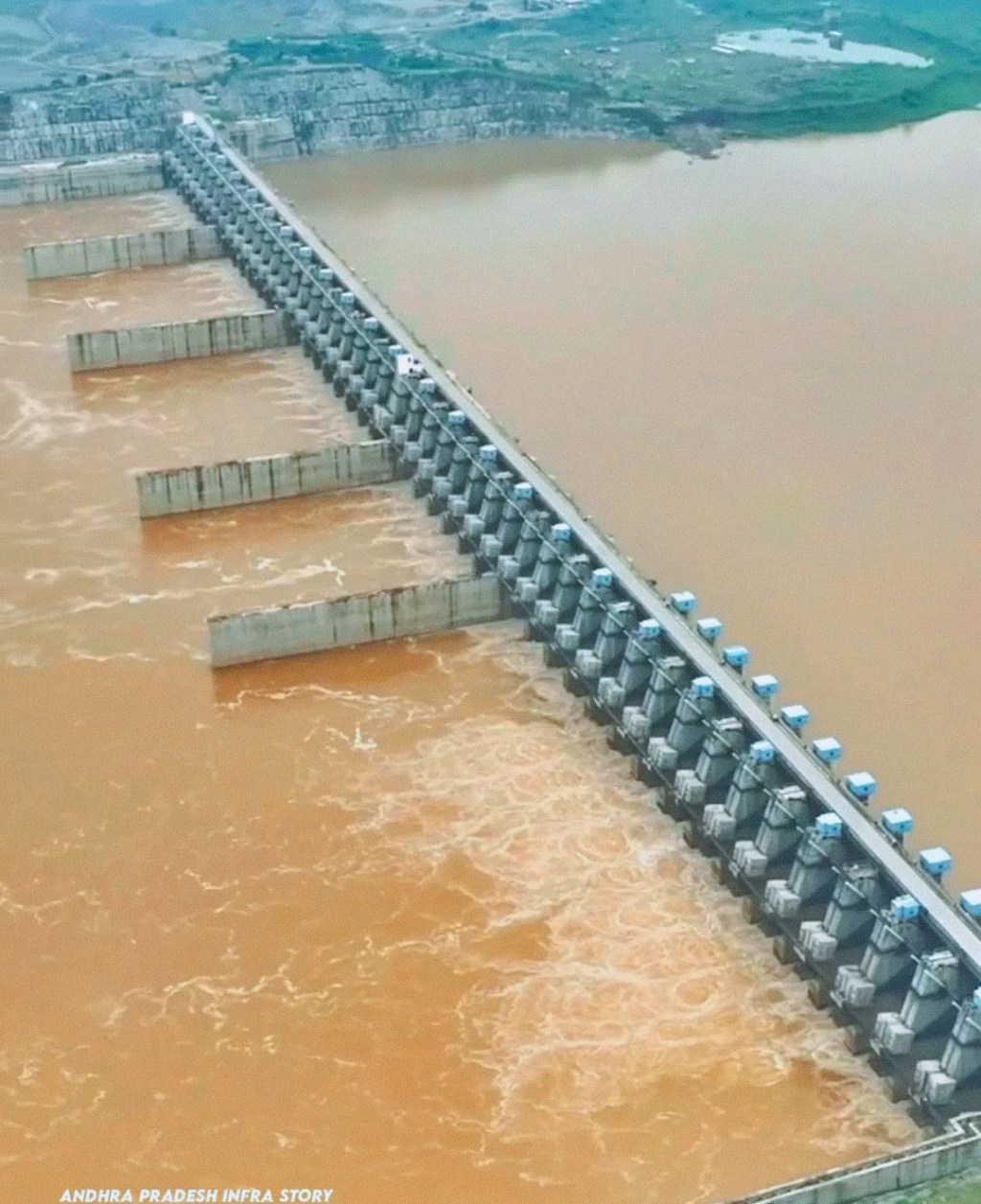
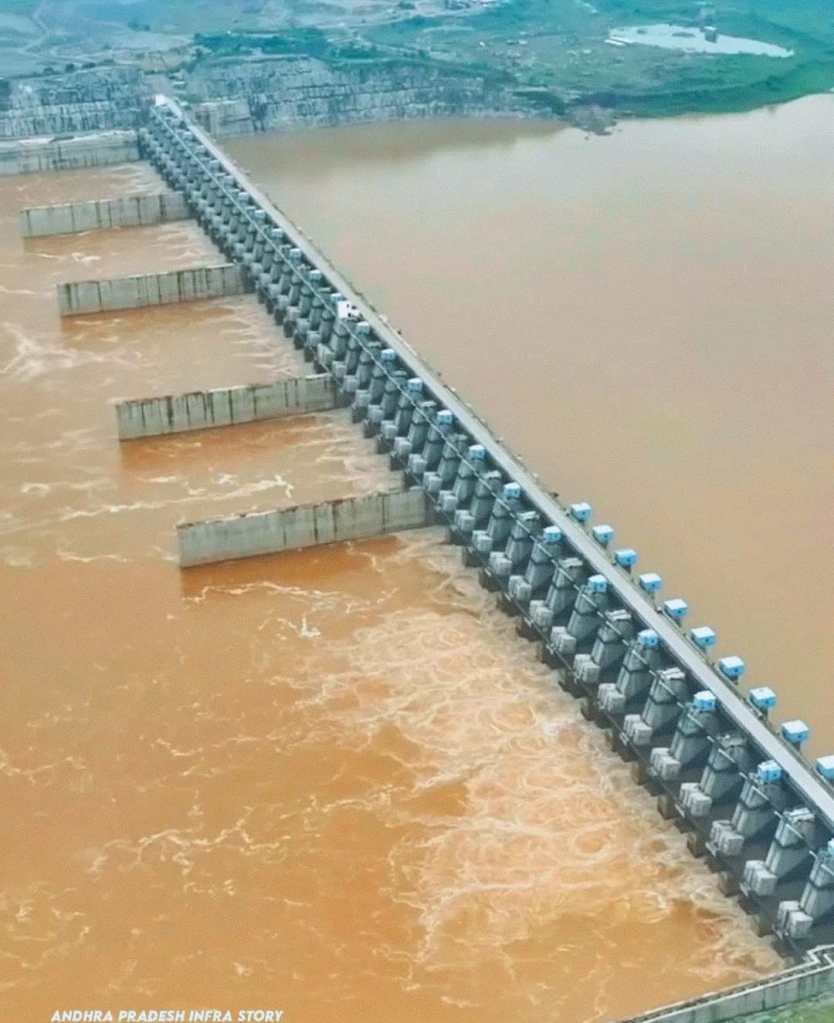
The Polavaram Project in Andhra Pradesh stands as one of India’s most ambitious hydroelectric and irrigation initiatives, designed to revolutionize the state’s agricultural landscape and secure water resources for millions. However, its journey from conception to execution has been fraught with delays, budget overruns, and political intricacies. With roots stretching back to 1941, the project encapsulates the challenges of managing large-scale infrastructure in India.
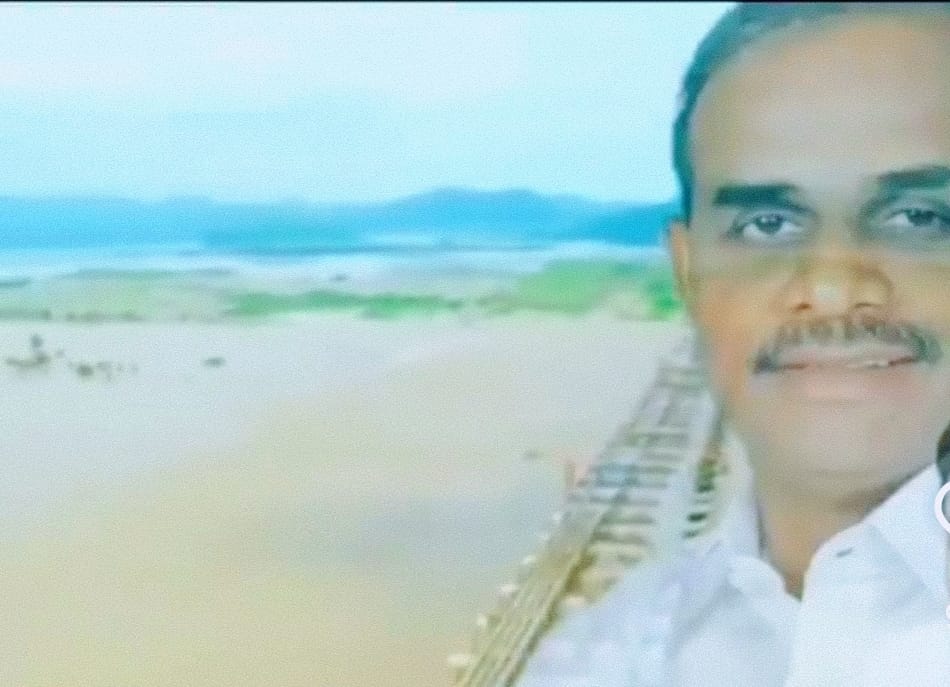
The Polavaram Project was initially conceived during British rule, with the vision of connecting the Godavari River to other water bodies to enhance navigation and irrigation. This idea was later revived in 1972 by Dr. K.L. Rao, who proposed the interlinking of the Godavari and Krishna Rivers to address water scarcity. Despite these early plans, the project only began taking shape in 2004 under the leadership of Y.S. Rajasekhara Reddy. Rebranded as the Indira Sagar Project, it symbolized hope for millions, yet progress slowed due to Reddy’s untimely demise and the subsequent bifurcation of Andhra Pradesh in 2014.
In 2013, Kiran Kumar Reddy’s government initiated the first contract for the project. However, widespread protests and funding bottlenecks derailed progress. Recognizing its significance, the central government declared the project of “national importance,” assuming financial responsibility. The bifurcation of Andhra Pradesh added another layer of complexity, with Chandrababu Naidu spearheading a renewed push to expedite construction. Yet, the challenges of securing funds, awarding contracts, and navigating bureaucratic hurdles persisted.
By 2023, the project’s estimated cost had skyrocketed from the initial ₹10,151 crores in 2004-05 to nearly ₹47,725 crores, with projections hinting at a final figure exceeding ₹56,000 crores. This sharp escalation highlights issues like inflation, unforeseen logistical challenges, and delays, making the project a case study in cost mismanagement.

The Polavaram Project was envisioned to irrigate over 72 lakh acres of farmland and stabilize another 23.53 lakh acres, transforming Andhra Pradesh’s agrarian economy. However, as delays drag on, farmers remain trapped in uncertainty. Promises of reliable irrigation and drought resilience have become distant dreams, leaving communities vulnerable to erratic weather patterns.
The psychological and financial toll on farmers cannot be overstated. Many had pinned their hopes and livelihoods on the project, only to find themselves in a precarious position. The lack of clarity regarding the project’s timeline exacerbates their disillusionment, fostering unrest in already struggling rural areas.
Financially, the project paints a grim picture. With over ₹25,000 crores already spent and less than 50% of the work completed, concerns over accountability loom large. The ever-growing gap between expenditure and progress raises questions about governance, project management, and oversight.
Delays also compound costs, with interest on loans and inflation further straining government resources. This vicious cycle locks up funds that could have been channeled into other critical sectors, deepening the fiscal burden on both state and central governments.

Beyond financial and agricultural impacts, the Polavaram Project has significant environmental and social implications. Large-scale infrastructure projects like this inevitably involve displacement, and Polavaram has uprooted thousands of families. Prolonged delays in land acquisition and compensation exacerbate tensions, leaving affected communities in limbo.
Environmentally, the project has caused flooding, erosion, and damage to partially constructed sections of the dam. These setbacks not only delay completion but also increase repair and maintenance costs, adding another layer of complexity to an already beleaguered initiative.
In recent years, the central government has revised its funding strategy for Polavaram, introducing advance payments to expedite progress. While this approach offers some relief, it does not address the deep-rooted inefficiencies plaguing the project.

Political alliances, particularly between the Telugu Desam Party (TDP) and the central government, have also influenced funding and policy decisions. However, demands for special status for Andhra Pradesh remain unresolved, casting a shadow over the project’s future trajectory.
The timeline for the Polavaram Project has now been extended to 2027, reflecting the enormity of the challenges ahead. To restore public confidence and ensure timely completion, transparency and accountability must be prioritized. Regular audits, clear communication, and strict oversight are essential to prevent further delays and cost escalations.
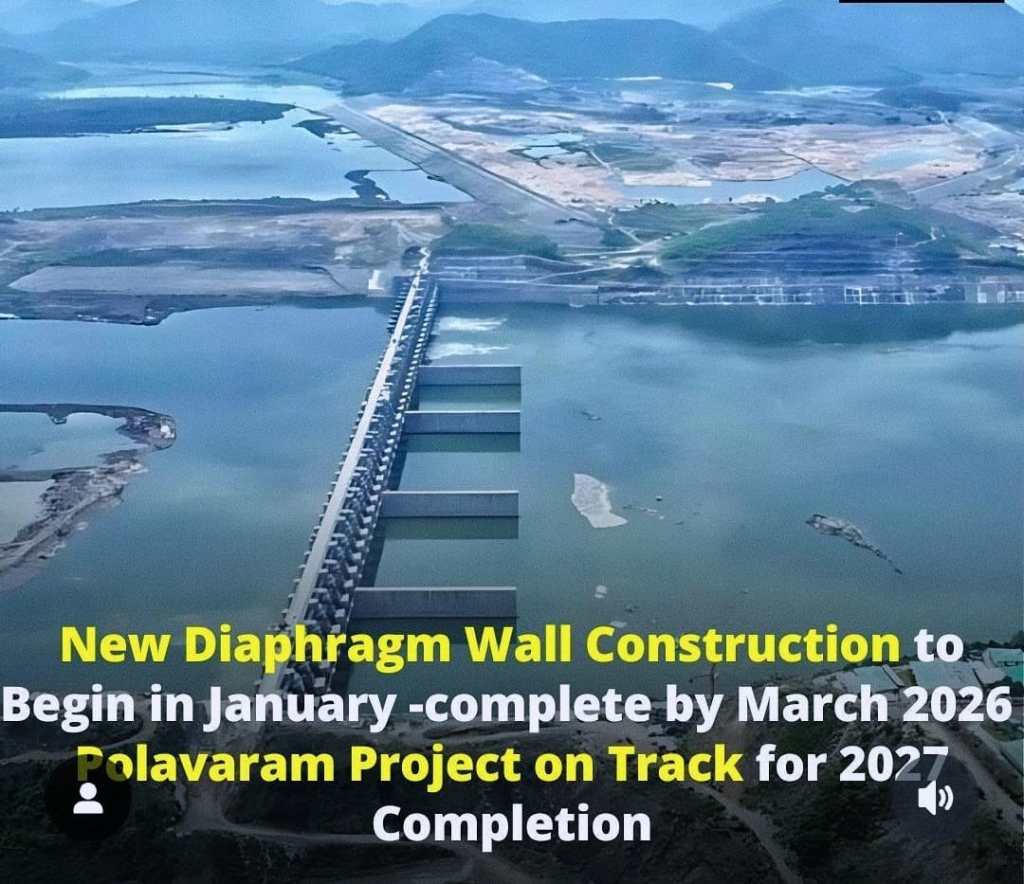
Engaging with local communities is equally critical. Addressing concerns about displacement, ensuring fair compensation, and fostering collaboration will help mitigate social tensions and pave the way for smoother implementation. Additionally, environmental safeguards must be strengthened to minimize ecological damage.
The Polavaram Project serves as a stark reminder of the complexities involved in large-scale infrastructure development. Its delays, cost overruns, and social upheaval underscore the need for meticulous planning, efficient execution, and stakeholder engagement.
India’s infrastructure aspirations hinge on learning from projects like Polavaram. By adopting adaptive management strategies, fostering public-private partnerships, and leveraging technology for better oversight, future initiatives can avoid similar pitfalls.
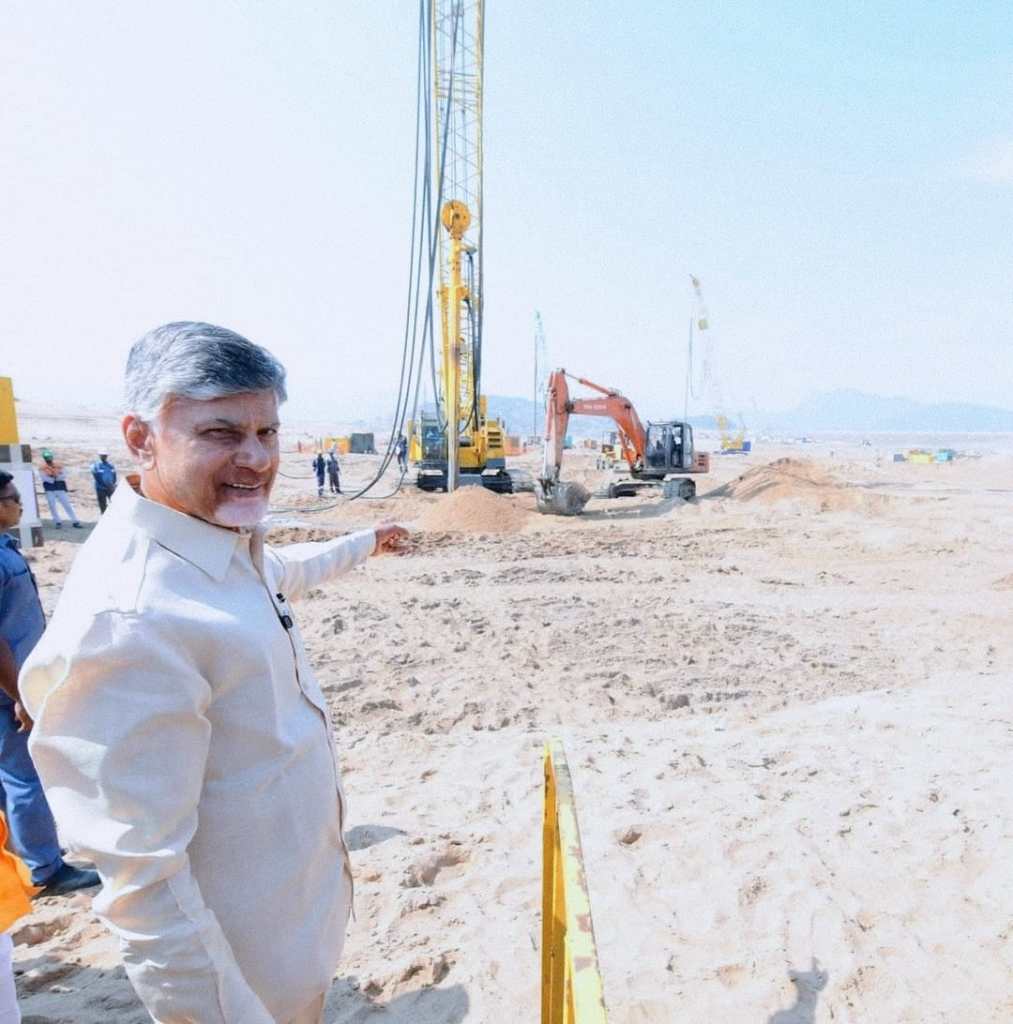
The Polavaram Project remains a symbol of both hope and frustration for Andhra Pradesh. Despite its challenges, it holds immense potential to transform the state’s agricultural landscape and secure water resources for generations. To realize this vision, a collective effort involving government agencies, local communities, and other stakeholders is crucial.
As the project moves forward, it is imperative to balance ambition with realism, ensuring that its benefits reach those who need them most. Only then can Polavaram transition from a cautionary tale to a blueprint for successful infrastructure development in India.
Visit arjasrikanth.in / @DrArjasreekanth for more insights
 SOCIAL PERSPECTIVES
2 responses to ““Polavaram Project: A Dream Drowned in Delays, Debt, and Disillusionment””
Dear sir
Your article is very ground breaking for a few of us who want the state to be in the first among Indian states .it’s a great contribution from your side and I share it with my fellow friends of linkedin minded .
LikeLike
”However, as delays drag on, farmers remain trapped in uncertainty. Promises of reliable irrigation and drought resilience have become distant dreams, leaving communities vulnerable to erratic weather patterns” not sure why this is an issue. The farmers do not have access to irrigation now anyway. Also Jagan’s delay tactics by way of reverse tendering not mentioned. The split cost escalation due to increase in rehabilitation costs & building the project itself will add value to the reader. The headline is rather misleading
LikeLike