From Executive Orders to Authoritarian Ambitions: The Dangerous Shifts That Threaten America’s Democratic Foundations
In recent years, the United States has witnessed an unsettling transformation in the exercise of executive power, particularly under the administrations of Donald Trump and Joe Biden. This shift has ignited debates about whether the presidency is morphing into a monarchical institution, with both leaders stretching the boundaries of their authority. The implications are profound, not only reshaping the executive branch but also altering the nation’s political fabric in ways that challenge the bedrock principles of American democracy.
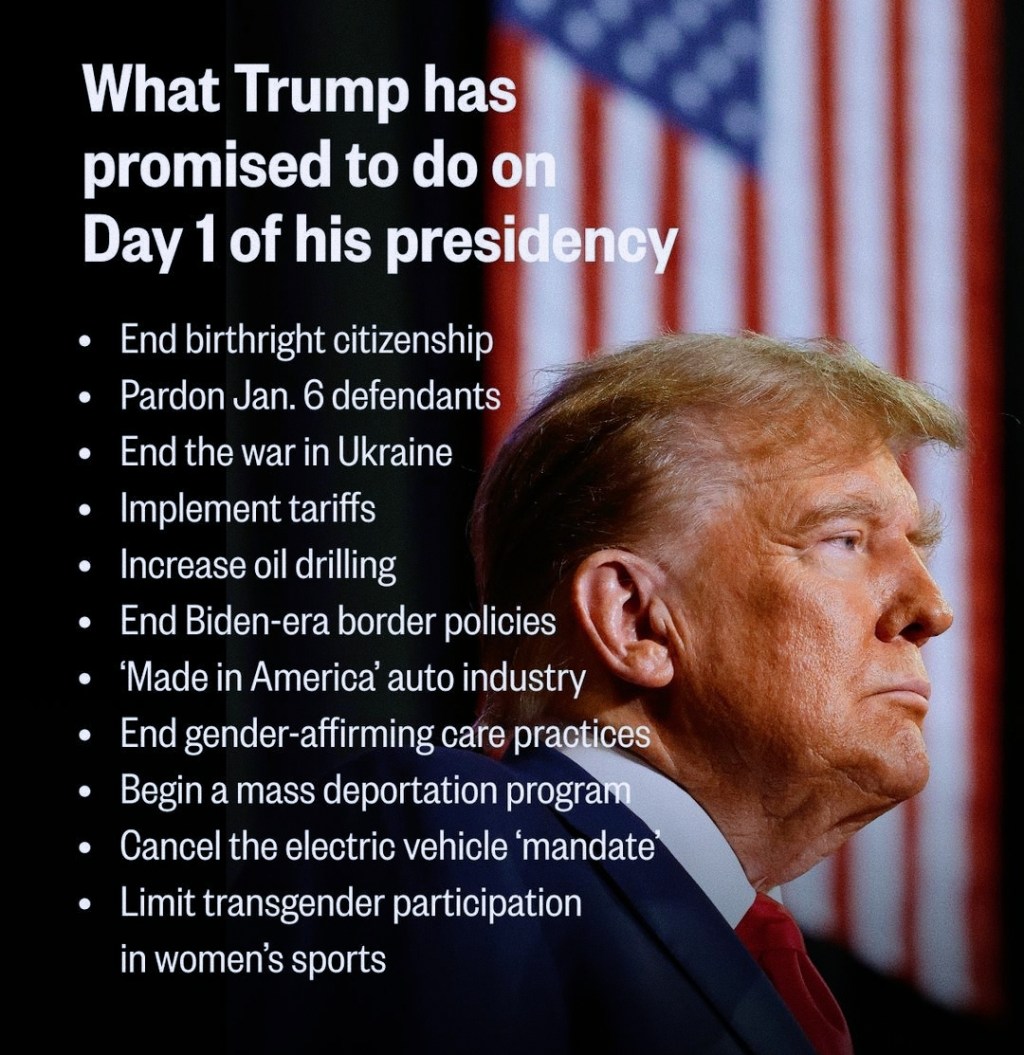
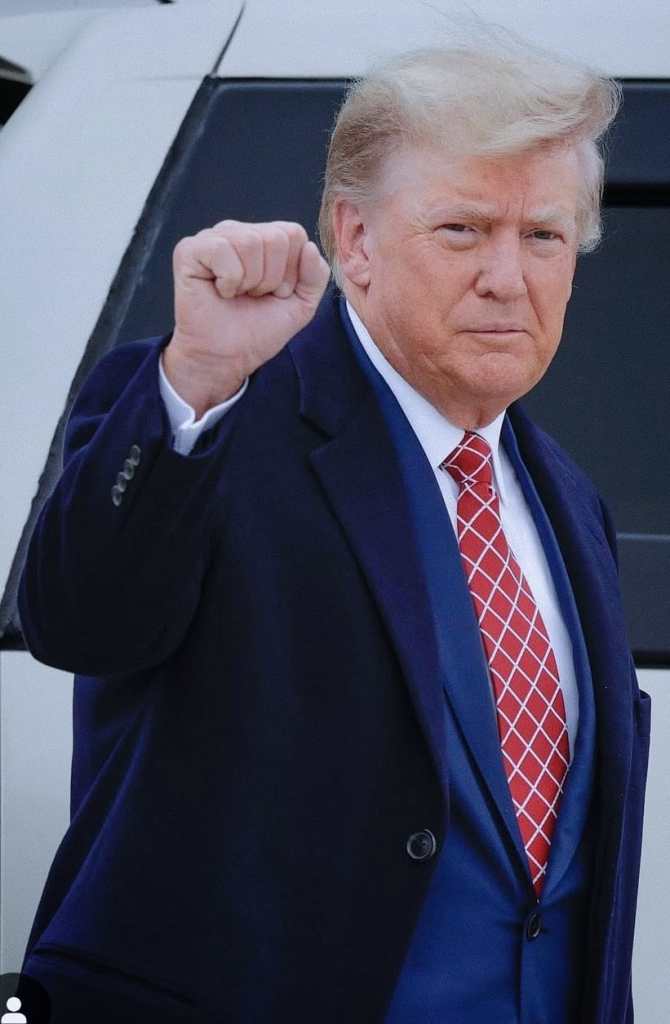
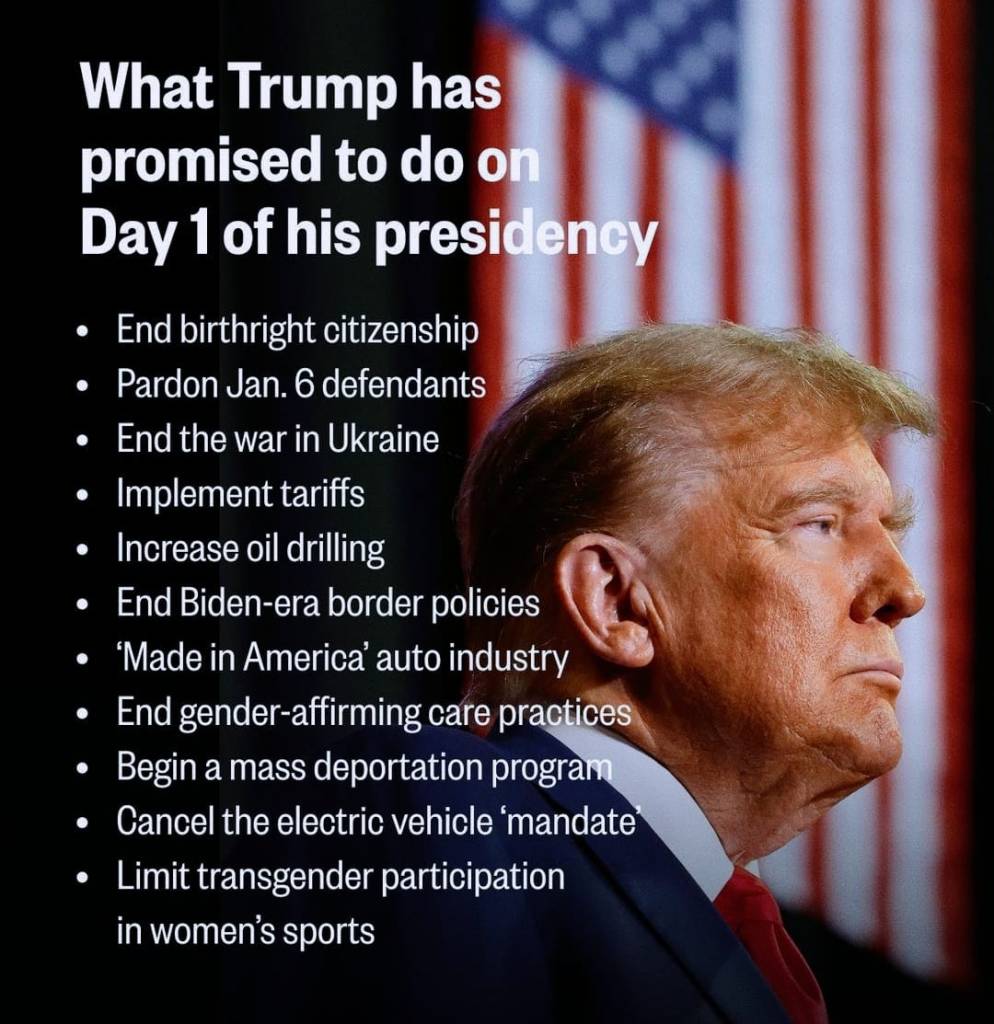
Donald Trump’s presidency marked a seismic shift in the interpretation of executive power. His administration routinely bypassed traditional constitutional boundaries, leveraging executive orders to implement sweeping changes without the approval of Congress. Perhaps most controversially, Trump sought to revoke birth right citizenship for children born in the U.S. to non-citizen parents, a move that critics likened to autocratic overreach.

Trump’s frequent use of executive orders was a hallmark of his tenure, allowing him to bypass legislative scrutiny. While executive orders are not new to American governance, the sheer volume and audacity of Trump’s directives raised eyebrows. For instance, he controversially pardoned individuals convicted of serious crimes, including those involved in the January 6 Capitol riots. These actions sparked concerns about the erosion of accountability and the normalization of executive excess. Critics warned that Trump’s approach to governance reflected a monarchical mindset, positioning himself as a ruler who could sidestep constitutional constraints.
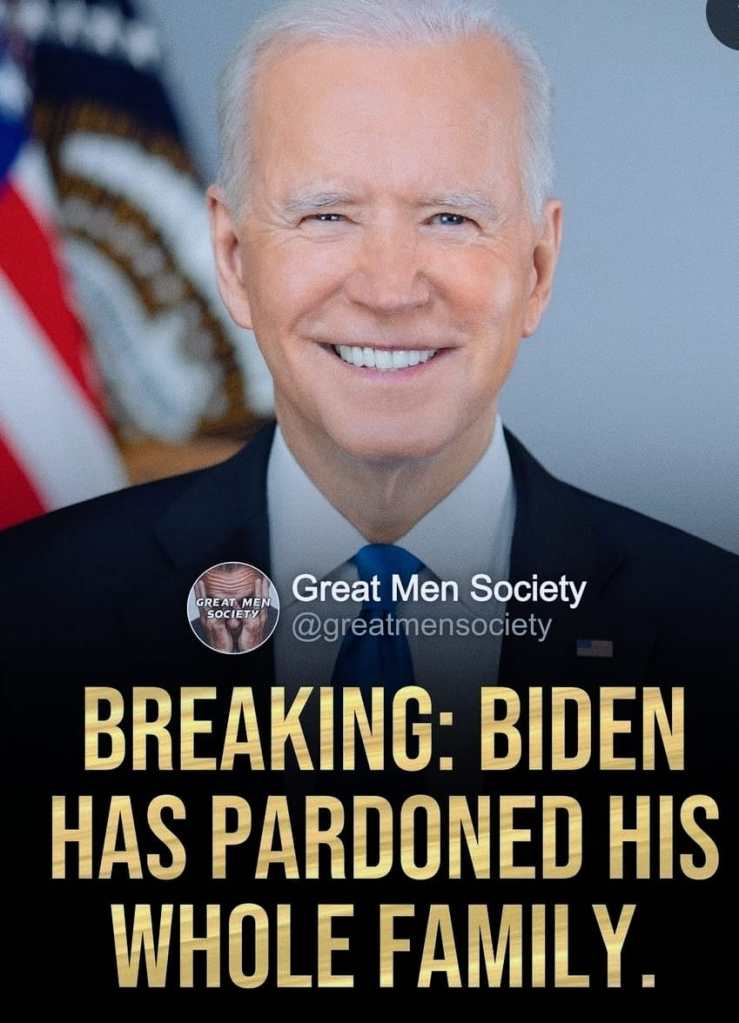
When Joe Biden ascended to the presidency, many hoped for a return to the norms of democratic governance. Biden campaigned on promises to restore institutional integrity and repair the damage done to democratic processes. Yet, his reliance on executive orders to advance his policy agenda has mirrored his predecessor’s approach.
Biden’s use of executive power has drawn criticism from across the political spectrum. Supporters argue that decisive action is necessary in a polarized political climate where legislative gridlock stifles progress. However, detractors contend that this strategy undermines the legislative branch and sets a dangerous precedent for future administrations. By normalizing executive overreach, Biden risks perpetuating the cycle of unchecked presidential authority.
The trend of consolidating power within the presidency is not limited to Trump and Biden. It reflects a broader evolution in American politics, where presidents increasingly see themselves as the primary drivers of policy. This shift has significant implications for the future of democracy in the United States.
As each administration pushes the boundaries of executive authority, the risk of creating a political culture that normalizes autocratic behavior becomes more pronounced. This trajectory raises critical questions: How much power should a president wield? At what point does decisive leadership cross the line into authoritarianism? And most importantly, how can the foundational principles of democracy be preserved in the face of such challenges?
The Founding Fathers envisioned the executive branch as a co-equal branch of government, designed to work in harmony with the legislative and judicial branches. The system of checks and balances was meant to prevent any single entity from amassing unchecked power. Yet, recent administrations have demonstrated a troubling willingness to side-line Congress in favour of unilateral action.
This shift not only weakens the legislative process but also alienates citizens. Many Americans feel increasingly disenfranchised as their elected representatives are side-lined in favour of decisions made solely by the president. The erosion of checks and balances risks creating a government that is less accountable to the people it serves.
The implications of America’s executive overreach extend far beyond its borders. As the United States positions itself as a global champion of democracy, the erosion of its own democratic institutions undermines its credibility. Authoritarian regimes around the world may point to these developments as justification for their own power grabs, creating a ripple effect that weakens democratic norms globally.

Trump’s aggressive stance on immigration provides a stark example of the human cost of executive overreach. Policies focused on border security and restrictive citizenship measures had far-reaching consequences for immigrant communities, including the Indian diaspora. As immigration policies fluctuate with each administration, uncertainty looms large for those who have invested their lives in the American Dream. The fear of future leaders wielding unchecked power to further restrict immigration exacerbates this anxiety.
As the United States navigates this turbulent political landscape, the potential for further executive overreach remains a pressing concern. The precedent set by Trump and continued by Biden raises critical questions about the resilience of American democracy. How can citizens, lawmakers, and civil society work together to restore the balance of power?
One solution lies in reasserting the principles of checks and balances. Congress must reclaim its role as a co-equal branch of government, resisting the temptation to defer to the executive branch in times of crisis. Citizens must remain vigilant, holding their leaders accountable and demanding transparency in governance.

The presidencies of Donald Trump and Joe Biden have ushered in a new era of executive power, blurring the lines between democracy and autocracy. As these leaders push the boundaries of presidential authority, the stakes for America’s democratic future have never been higher. The challenge lies in resisting the allure of centralized power and reaffirming the values that define the United States as a beacon of democracy. Only through collective action and a renewed commitment to democratic principles can the nation steer away from the path of autocracy and ensure that power remains where it belongs—in the hands of the people.
Visit arjasrikanth.in / @DrArjasreekanth for more insights
 SOCIAL PERSPECTIVES