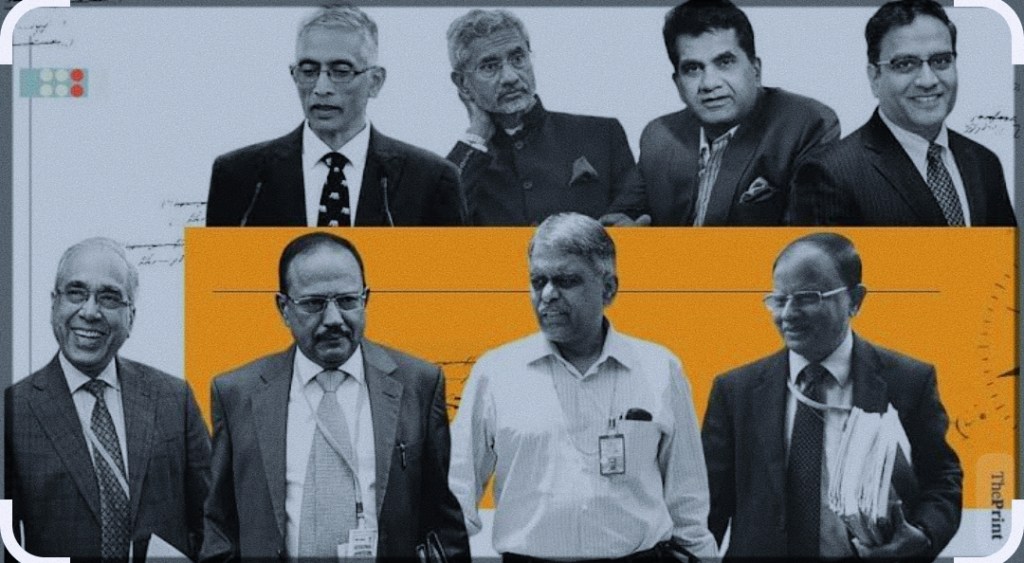
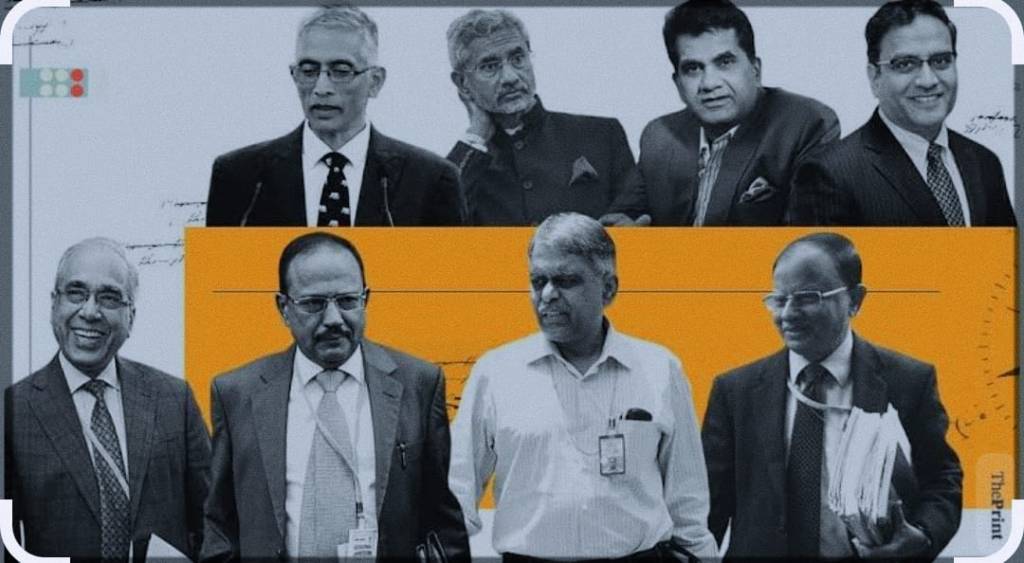
From Retirement to Reinvention — Unlocking the Power of Experience for a Thriving Future
As India progresses on its journey of economic growth and transformation, a subtle yet powerful revolution is taking shape—one with the potential to redefine the nation’s workforce. The challenges of an ageing population, a reservoir of untapped experience, and the increasing emigration of younger talent necessitate a fresh approach to retirement. This demographic shift is not a crisis but an opportunity—one that could be harnessed to fuel economic progress and redefine societal contributions.
Globally, retirement policies are adapting to changing demographics. In the United States, for instance, the retirement age is gradually increasing to 67. Forward-thinking companies in India, such as Cognizant, have already taken steps by extending their retirement age from 58 to 60. This proactive move underscores the immense value of experience. In 2024, Cognizant reported a drop in its attrition rate from 16% to 12%, demonstrating how retaining seasoned professionals stabilizes the workforce and safeguards institutional knowledge.
India’s retirement age was last revised in 1998, from 58 to 60 years. However, much has changed since then. Economic and social dynamics have shifted significantly. The Economic Survey of 2018–19 advocated revisiting the retirement age, reflecting the demographic and economic realities of modern India. Fertility rates have plunged from 2.5% in the 1980s to 1.3% by 2016, while life expectancy has climbed from a mere 35 years in 1950 to an impressive 73 years today. Indians are living longer, healthier lives, challenging traditional notions of retirement and highlighting the need to rethink the utilization of an ageing workforce.
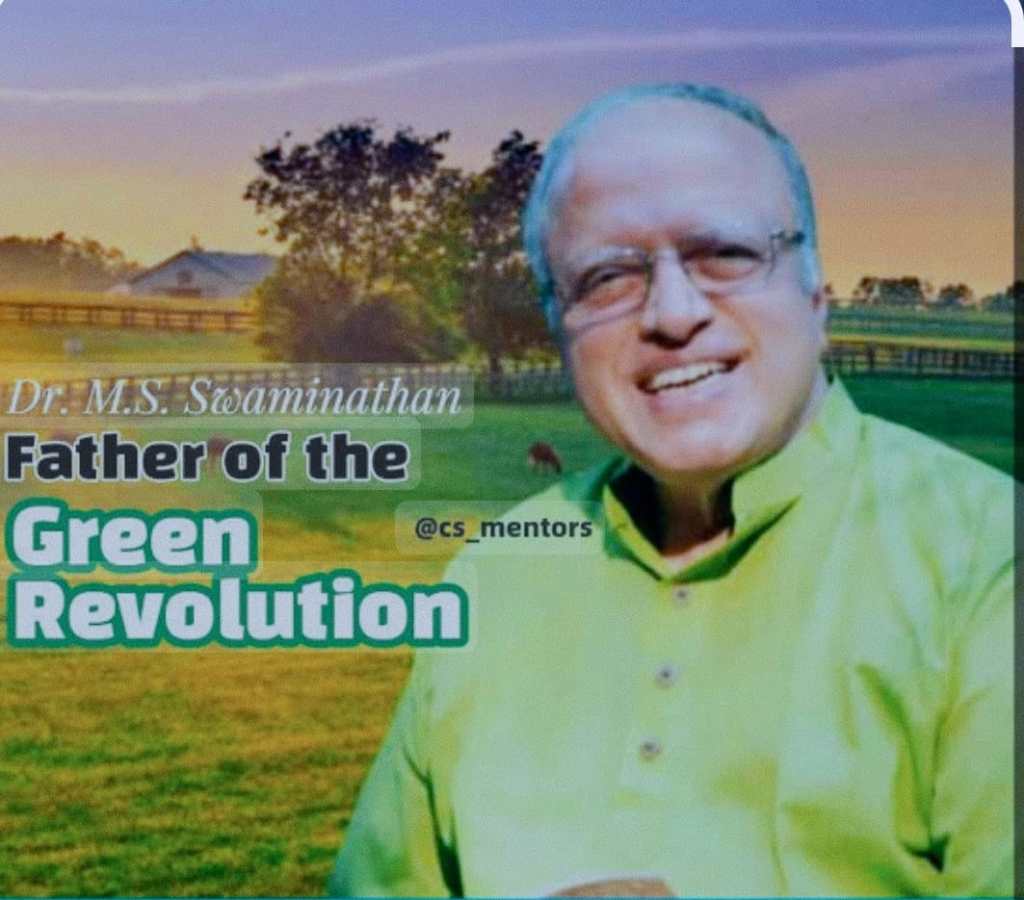
Contrary to concerns that extending working years may limit opportunities for younger generations, the labour market is not a zero-sum game. The “lump of labour fallacy” assumes a fixed number of jobs, which is far from reality. With India growing at an impressive annual rate of 8%, job opportunities are expected to expand correspondingly. Moreover, the under-19 population is projected to decrease from 40% in 2016 to around 25% by 2041. In such a scenario, older professionals can play a pivotal role in addressing workforce gaps, serving as a stabilizing force in key sectors like infrastructure, defense, and emerging technologies.
The contributions of experienced workers go beyond mere numbers. Their presence brings stability, continuity, and mentorship—qualities critical for long-term organizational success. Institutional knowledge and the ability to navigate complex challenges are irreplaceable assets that seasoned professionals bring to the table. This phenomenon, often referred to as the “silver dividend,” has the potential to power sustained economic progress for India.
Delaying retirement also provides financial advantages that extend beyond the workplace. It eases the burden on pension systems by delaying pay-outs and allowing individuals to save for longer periods. Employers and governments benefit from reduced strain on financial resources, while older workers continue contributing to tax revenues and consumer spending. In contrast, retirees often see diminished purchasing power, reducing their overall economic impact.
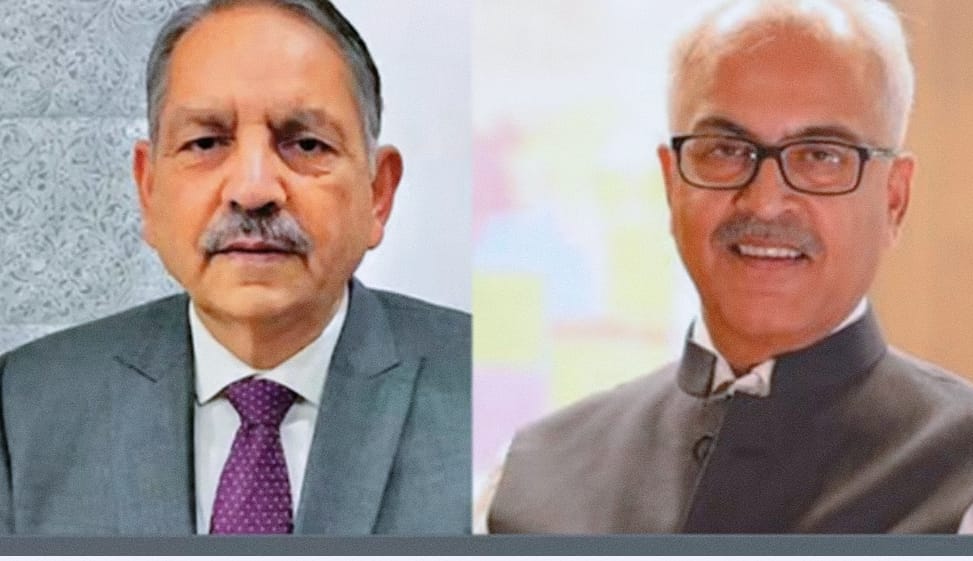
Globally, countries have recognized and harnessed the potential of an ageing workforce. The United States began raising its retirement age in 1983, and nations like France, Germany, and Australia have implemented policies to align retirement ages across genders and encourage workforce participation among older adults. These initiatives underscore the universal value of seasoned professionals and offer valuable lessons for India. However, India must tailor its approach to fit its unique demographic and economic context.
The path to extending working years is not without its challenges. Certain physically demanding professions may not lend themselves to extended careers. Older employees might face difficulties in adapting to rapidly evolving technological landscapes. Additionally, personal preferences, such as the desire for early retirement to focus on family or personal pursuits, make a one-size-fits-all policy impractical.
The solution lies in embracing flexibility. Flexible retirement policies could offer part-time roles, reduced workloads, or sector-specific retirement ages, accommodating diverse needs. Countries like Japan and Singapore have implemented reemployment systems, enabling retirees to work in limited capacities while remaining engaged. These approaches offer mutual benefits: older employees stay active and valued, while employers retain their expertise at reduced costs.
Gradual transitions could further ease the process. Employees nearing retirement could reduce their working hours over time, ensuring productivity while facilitating a smoother transition to retirement. Tailored training programs could equip older workers with skills to adapt to technological advancements, bridging the gap between experience and innovation.
India also faces the added challenge of talent migration. With many of the nation’s brightest young minds pursuing opportunities abroad, the importance of retaining experienced professionals becomes even more pronounced. By fostering an environment that values the contributions of older workers, India can mitigate the effects of this talent drain and strengthen its domestic workforce.
To fully leverage the potential of an ageing workforce, proactive measures from both government and non-governmental organizations are essential. Initiatives such as mentorship programs, skill-sharing networks, and incentives for industries to retain older employees could be transformative. Such measures would not only enhance productivity but also cultivate a culture of respect and appreciation for experience.
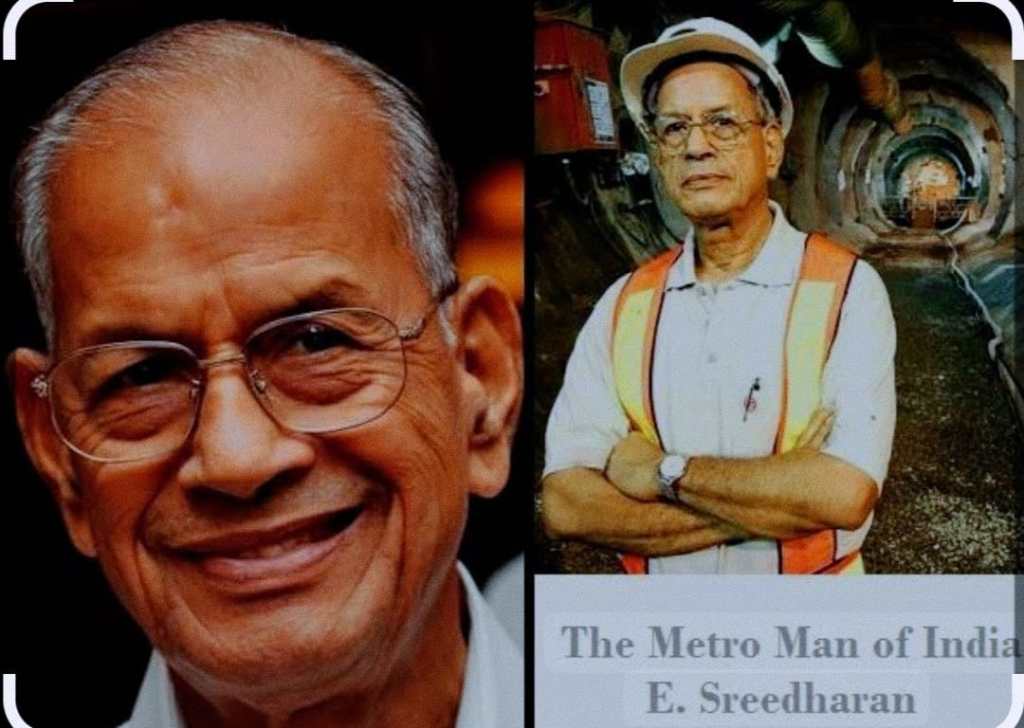
This revolution in workforce dynamics requires a shift in mindset. The ageing workforce should not be seen as a burden but as a reservoir of untapped potential. By reimagining retirement policies and adopting innovative approaches, India can unlock the immense value of its seasoned professionals. The benefits extend far beyond the economy—they foster an inclusive society that values wisdom, continuity, and growth.
The time is ripe for India to lead this transformation. By turning the challenges of an ageing population into opportunities, the nation can position itself for unparalleled growth and progress. The age of opportunity is here. India must act decisively to seize it, ushering in a new era of economic and social prosperity driven by the power of experience and resilience.
Visit arjasrikanth.in / @DrArjasreekanth for more insights
 SOCIAL PERSPECTIVES