

“Shock and Awe: Media’s Alchemy of Turning Truth into Tabloid Gold”
In an era where headlines drive public sentiment, the line between responsible journalism and sensationalism is perilously thin. Media today not only informs but often distorts, transforming real-life tragedies into spectacles of intrigue. While its ability to highlight social injustices is undeniable, its pursuit of sensationalism often wreaks havoc on victims, families, and even the accused, overshadowing meaningful dialogue and systemic reform.
The stabbing of Bollywood actor Saif Ali Khan in his Bandra apartment exemplifies this trend. A burglary gone wrong became a media circus fueled by speculation. Rather than focusing on systemic lapses in urban security, the media fixated on irrelevant details—how the suspect, Mohd Shariful Islam Shehzad, bypassed high-rise security, Kareena Kapoor Khan’s reaction, and Saif’s ride to the hospital in an auto-rickshaw. These distractions buried essential questions about safety and prevention under layers of manufactured drama.

Similarly, the brutal murder of a junior doctor at Kolkata’s RG Kar Medical College underscores the dangers of media sensationalism. While the Central Bureau of Investigation (CBI) secured a life sentence for the accused, Sanjay Roy, the media’s coverage of the case raised significant concerns. Early reporting was rife with unverified claims, including baseless allegations of multiple culprits. These speculative narratives, fuelled by the race for attention-grabbing headlines, stoked public outrage and clouded the judicial process. The victim’s grieving parents and protestors demanded the death penalty, a sentiment amplified by relentless media coverage that drowned out discussions about systemic workplace safety in high-stress environments like hospitals.

These cases are not isolated incidents. The horrific 2012 Nirbhaya gang rape in Delhi is a stark reminder of how media can both illuminate and distort. The coverage sparked nationwide protests, leading to stricter anti-rape laws. Yet, the story’s emotional weight overshadowed deeper discussions on societal attitudes and prevention. The media vilified the perpetrators as irredeemable monsters, reducing a complex issue to a binary of good versus evil. Social media further fueled this frenzy, turning the juvenile perpetrator into a symbol of public fury. Calls for revenge often eclipsed discussions about rehabilitation and the limitations of the juvenile justice system, turning the case into a spectacle rather than a platform for informed dialogue.
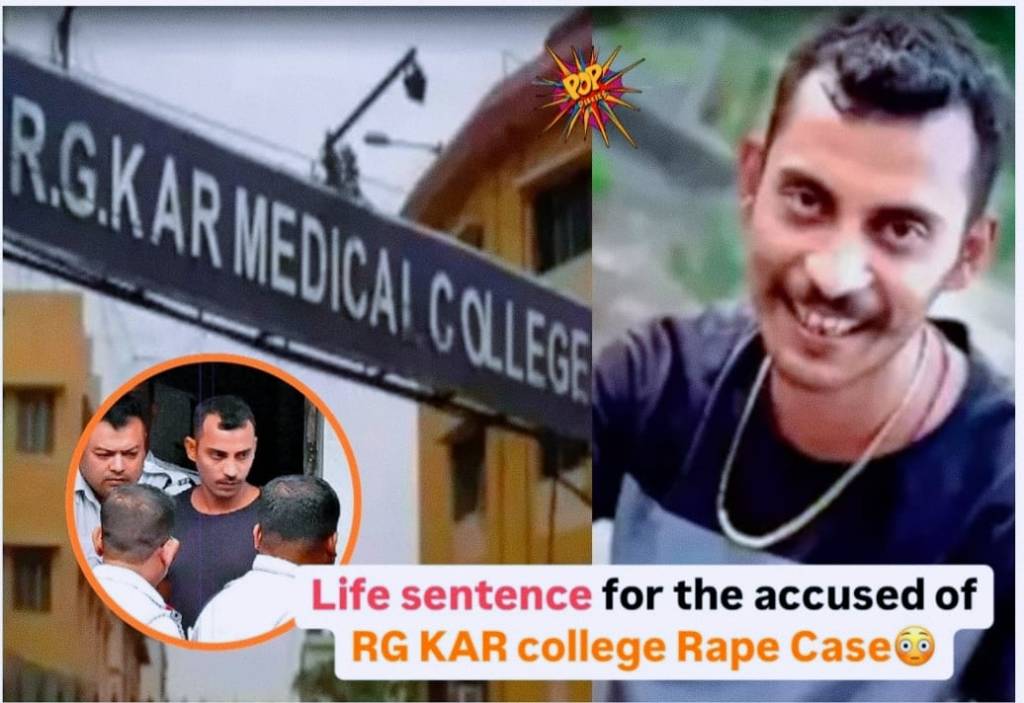
Social media has amplified this troubling trend, transforming every news event into a viral sensation. In the Saif Ali Khan case, the suspect’s Bangladeshi origin became a focal point for debates on immigration policy. Similarly, the Kolkata doctor’s murder spawned conspiracy theories and unverified claims that spread rapidly online. While these platforms can amplify marginalized voices, they also breed misinformation and emotional overreactions, undermining the judicial process and complicating the pursuit of justice. By the time courts deliver verdicts, public opinion has often rendered its own judgment, leaving the accused vilified and victims and families subjected to invasive scrutiny.

The cost of sensationalism is steep. The dignity of victims and their families is sacrificed for ratings. Accused individuals, presumed innocent until proven guilty, face irreparable reputational harm. Trust in judicial systems erodes when media acts as judge and jury. Most critically, the obsession with drama detracts from addressing underlying issues. The Nirbhaya case, for instance, could have sparked nuanced discussions about societal attitudes and gender equality, but the narrative focused overwhelmingly on retribution, overshadowing broader conversations about long-term solutions.

Despite these challenges, the potential for media to serve as a force for good remains immense. Responsible journalism can expose corruption, hold power accountable, and amplify the voices of the marginalized. However, with this power comes a responsibility to prioritize truth over spectacle. Sensationalism may attract attention, but it corrodes public trust and undermines the very principles of justice. Journalists must ensure their reporting respects facts, preserves dignity, and channels public sentiment into constructive dialogue. Social media platforms, too, must play a role by curbing misinformation and fostering informed discussion rather than emotional sensationalism.
In tragedies like Saif Ali Khan’s stabbing, the Kolkata doctor’s murder, and the Nirbhaya case, the media’s role is clear: report with integrity, respect the privacy of those involved, and prioritize systemic solutions over dramatic narratives. Journalism should inspire constructive discourse, turning public outrage into meaningful change. Social media, with its reach and influence, must transition from amplifying outrage to promoting balanced perspectives and critical thinking.

The stories we tell shape perceptions, influence policies, and impact lives. When media succumbs to sensationalism, it becomes part of the problem, distorting the truth and hindering justice. It is time for both media professionals and consumers to demand better. By embracing responsible storytelling, we can honour not just the facts but the humanity at the core of every narrative.
Visit arjasrikanth.in for more insights
 SOCIAL PERSPECTIVES