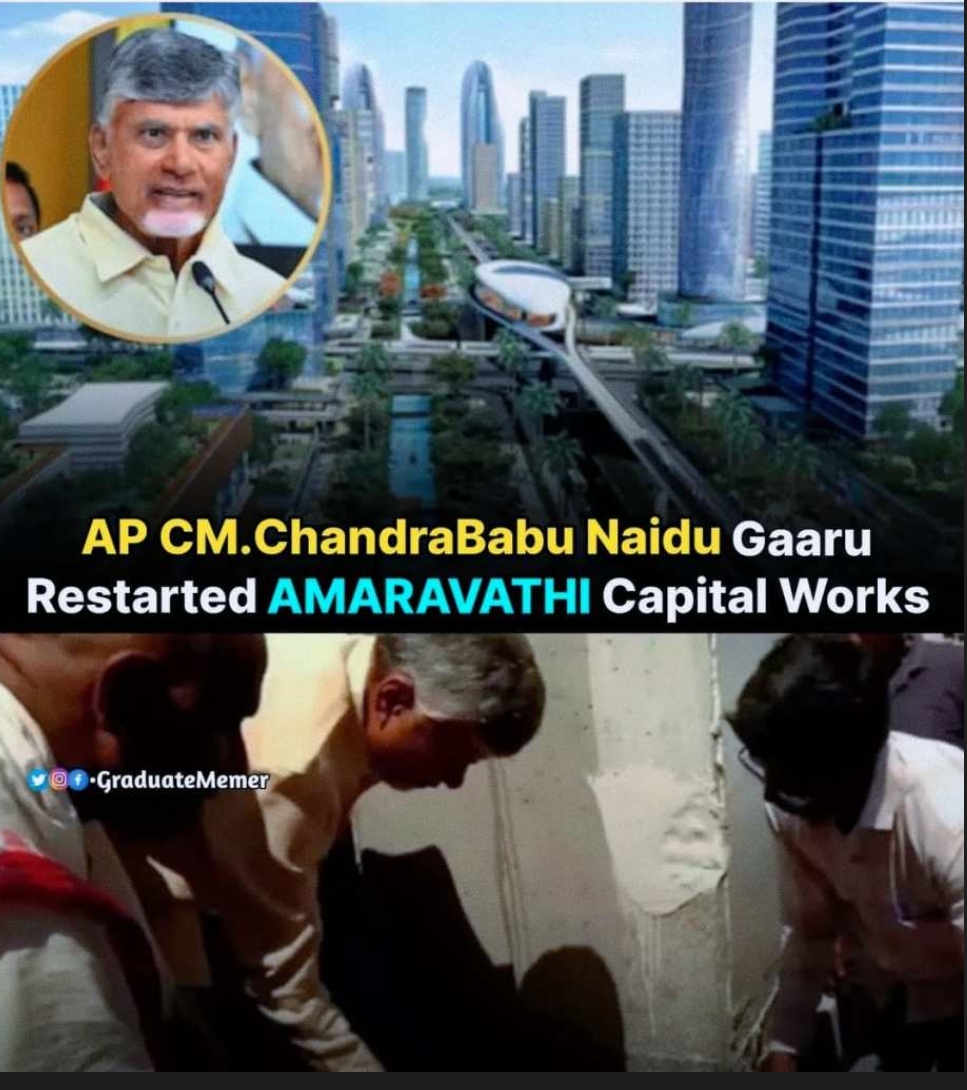

Amaravati: From Broken Dreams to Rising Legacy
The story of Amaravati is not merely the tale of a city; it is a symphony of sacrifice, hope, and resilience. In an extraordinary display of unity and trust, over 25,000 farmers voluntarily gave up their fertile lands, offering them for the creation of a capital city that would redefine Andhra Pradesh’s future. This collective act was not born of compulsion but of a shared vision—a belief in the promise of a world-class city that would stand as a beacon of progress. Officials and citizens alike invested their resources and dreams into this vision, ignited by the hope of a better tomorrow. Yet, like the twist in a gripping drama, political upheaval soon cast a long shadow, leaving Amaravati’s destiny hanging precariously in the balance.
The magnitude of the farmers’ sacrifice cannot be overstated. These were not just parcels of land surrendered but lifetimes of effort, memories, and legacies offered for the greater good. The land represented more than economic assets; they were emotional anchors, cultivated over generations. In exchange, these farmers were promised a brighter future—developed plots, financial security, and a capital city that would embody their collective aspirations. Officials, too, poured their faith and finances into Amaravati’s vision. Many even took loans to purchase plots, driven by the belief that Amaravati was poised to become the pride of Andhra Pradesh, a symbol of modernity and ambition.

But the tide turned unexpectedly. A new government stepped in, and with it came a sudden and disheartening halt to Amaravati’s grand vision. The vibrant urban hub that had been promised was replaced by a cloud of uncertainty and confusion. For the farmers who had seen their sacrifice as a gift for future generations, the sudden pause was devastating. Their trust in the system was shaken, leaving them grappling with questions about their decision to part with their lands.
The officials who had invested significant amounts—many paying as much as ₹25,00,000 for plots—found themselves in a quagmire of frustration. For 300 All-India service officers who had envisioned Amaravati as their home, the delays and lack of progress added to their growing disillusionment. What had once seemed like a calculated risk backed by a grand vision now felt like an ill-fated gamble, one mired in political disputes and broken promises.
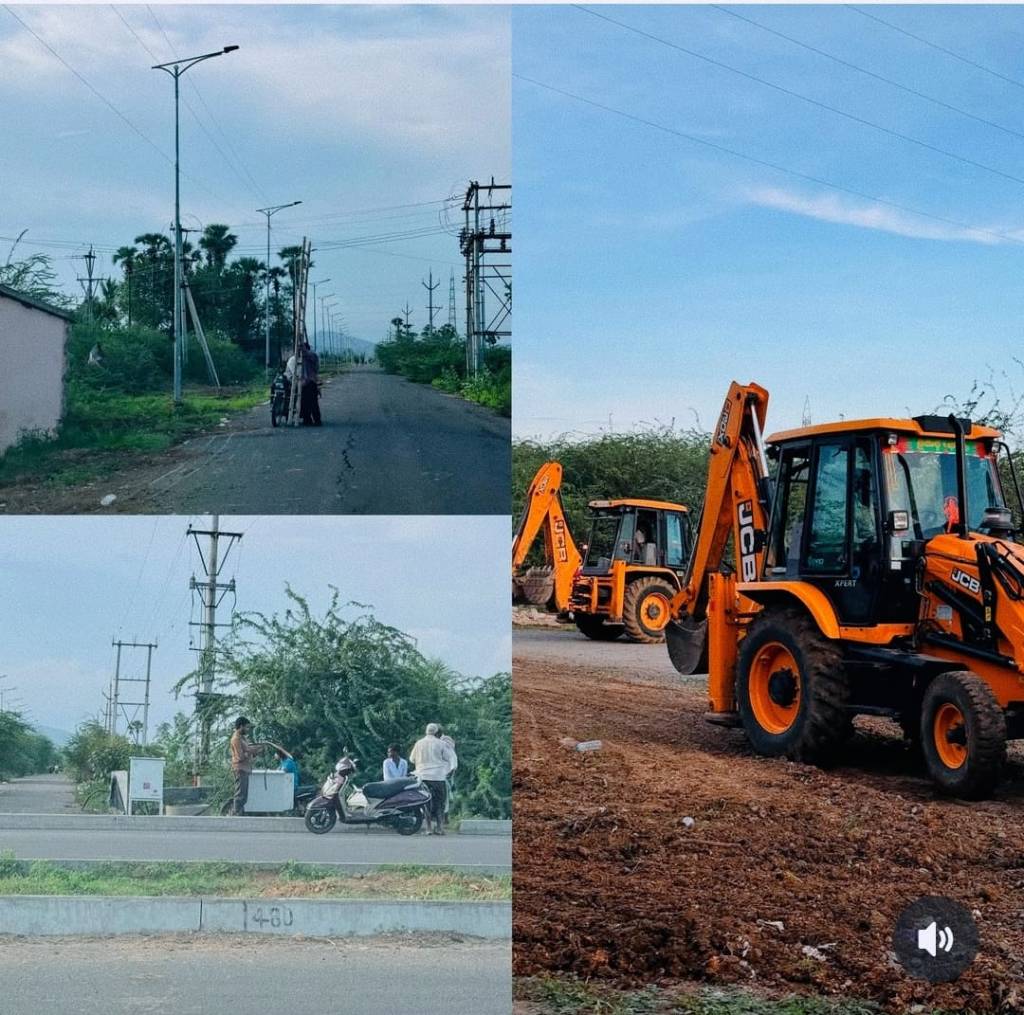
However, with the reinstatement of the former leadership, there is a palpable shift in the narrative. Winds of change are blowing once more, and hope, which had all but vanished, is rekindling in the hearts of those who invested so deeply in Amaravati’s dream. The commitment to prioritize plot allocations and fast-track infrastructure development is not just a promise; it is a moral obligation to honour the sacrifices that laid the foundation of this city.
The renewed focus on basic infrastructure—roads, water supply, and electricity—is already creating ripples of optimism. Stakeholders who once watched the city’s dream fade into oblivion now see tangible signs of progress. The government’s plans to expedite these developments are a critical step toward restoring faith among the farmers and officials who put their trust in Amaravati’s potential.
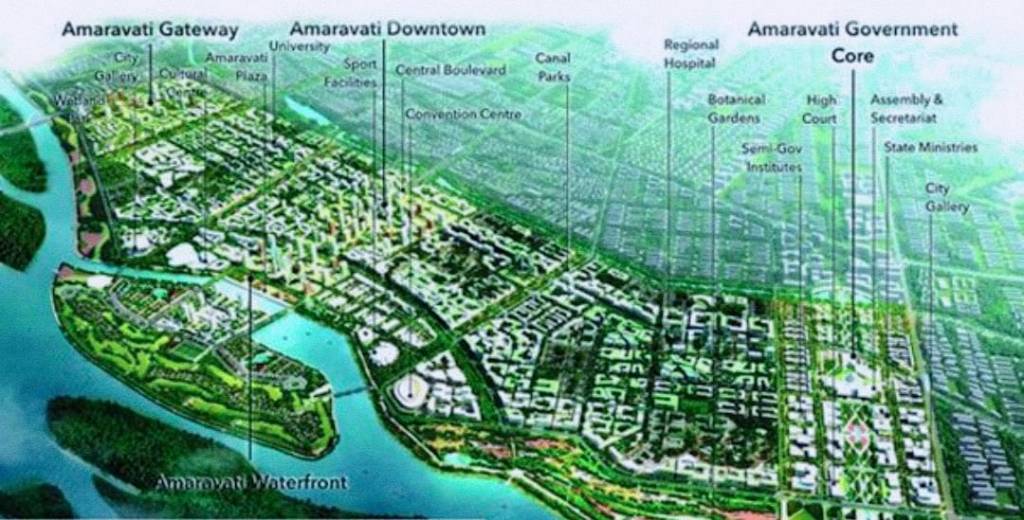
Discussions with international firms and urban development experts have further elevated hopes. Amaravati’s ambition to become a global city, one that harmonizes cutting-edge modernity with its rich natural surroundings, is no longer just rhetoric. It is a bold vision that is beginning to take shape, signalling a brighter future for the city and its people.
Yet, Amaravati’s story is about more than just urban planning or infrastructure. It is a narrative of justice and redemption. It is about restoring faith among those who invested not just money but their unwavering trust in a promise of progress. The challenge for the government is immense. It must act swiftly, ensuring every step forward is marked by transparency, inclusivity, and tangible results. Farmers and officials who made profound sacrifices deserve nothing less than regular updates, a robust feedback system, and visible progress.
The stakes are undeniably high. Amaravati’s future is now tethered to the resilience of its people and the determination of its leadership. The vision of a world-class capital is grand, but so too are the challenges. The city must rise not only as a testament to architectural and urban excellence but as a symbol of justice for those who gave everything to make it possible.
For the farmers who parted with their ancestral lands, Amaravati represents far more than a capital. It embodies their dreams, their legacy, and their faith in a collective vision. For the officials and citizens who invested their resources and belief, the city is a reminder of the promises they were made and the hope they held onto through turbulent times.

Amaravati’s revival is not merely a question of development; it is a moral imperative. The government’s actions will determine whether this city rises as a beacon of progress or remains a cautionary tale of broken promises. But with renewed energy and commitment, there is reason to believe that Amaravati can fulfil its destiny.
As the city’s foundations are strengthened once more, it carries with it the weight of thousands of dreams and aspirations. Amaravati stands not only as a capital city but as a monument to sacrifice, resilience, and the unyielding spirit of its people. It is a story of redemption, progress, and unity—a symphony that, with the right notes, can resonate for generations to come.
Visit arjasrikanth.in / @DrArjasreekanth for more insights
 SOCIAL PERSPECTIVES