Bare-Skinned Mystics, Shiva’s Fierce Warriors, and the Undying Spirit of India’s Sacred Roots
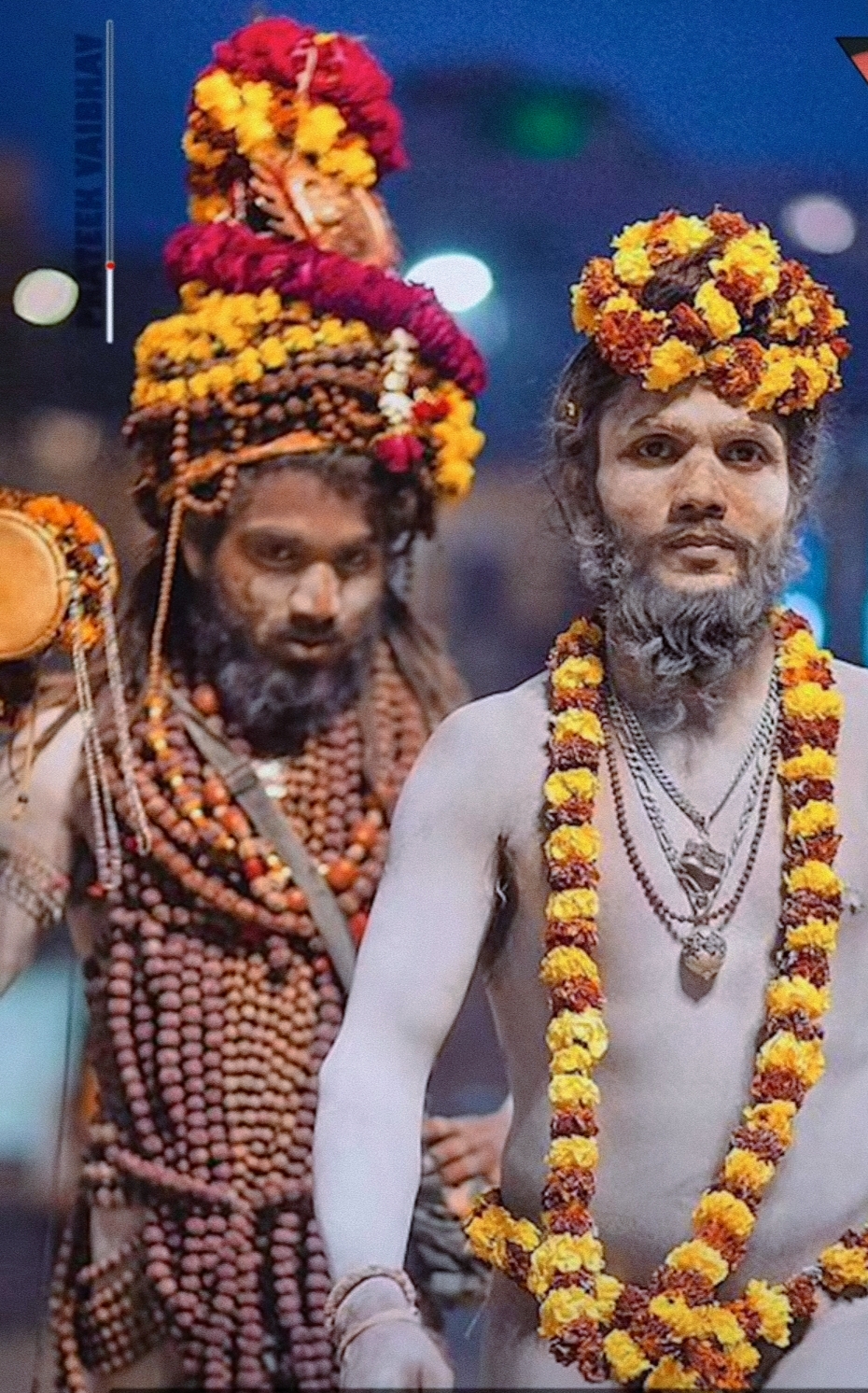
Draped in ash and silence, Naga Sadhus stand as the eternal symbols of an ancient tradition that defies time. Their presence at the Maha Kumbh Mela is nothing short of an ethereal spectacle—an intersection of history, spirituality, and mysticism. At first glance, they might appear as relics of a bygone era, with their naked bodies, intricately braided locks, and piercing kohl-lined eyes. Yet, a deeper understanding reveals their indispensable relevance in today’s fast-paced, spiritually disoriented world. These warrior-ascetics are not mere preservers of tradition but living embodiments of resilience, discipline, and spiritual fortitude.
The Maha Kumbh Mela serves as a grand stage for the Naga Sadhus to reconnect with the masses and reaffirm their spiritual mission. Here, they take the first ceremonial Amrit Snan, plunging into the sacred confluence of the Ganga, Yamuna, and Saraswati rivers. This act is not merely symbolic; it encapsulates the essence of their life’s purpose—purification, devotion, and the eternal quest for liberation. Representing 13 Akharas, these ascetics embody Lord Shiva, their deity, with every step, every adornment, and every prayer.

For the uninitiated, the Naga Sadhus’ preparations for the Maha Kumbh are a fascinating blend of physical discipline and spiritual dedication. Unlike the 16 traditional adornments of married Hindu women, Naga Sadhus undertake a rigorous 21-step ritual. Their bodies, smeared with ash, symbolize the impermanence of life. The sandalwood paste they apply signifies purity, while the rudraksha beads they wear are believed to channel divine energy. Their long, matted locks, wrapped five times as part of the Panchkesh Shringar, reflect their unwavering commitment to spiritual discipline. This meticulous process, far from being a mere ritualistic display, is a profound act of devotion, connecting their bodies, minds, and souls to the divine.
The tridents they carry are not just weapons but symbols of their mastery over body, mind, and soul. Their damrus resonate with the cosmic rhythms, a constant reminder of the universe’s cyclical nature. Every element of their appearance tells a story—of detachment, of discipline, and of a life dedicated to the higher good. As Khareshwari Baba, a renowned Naga Sadhu, aptly puts it, “This preparation is not for show. It is a means to connect with the divine.”

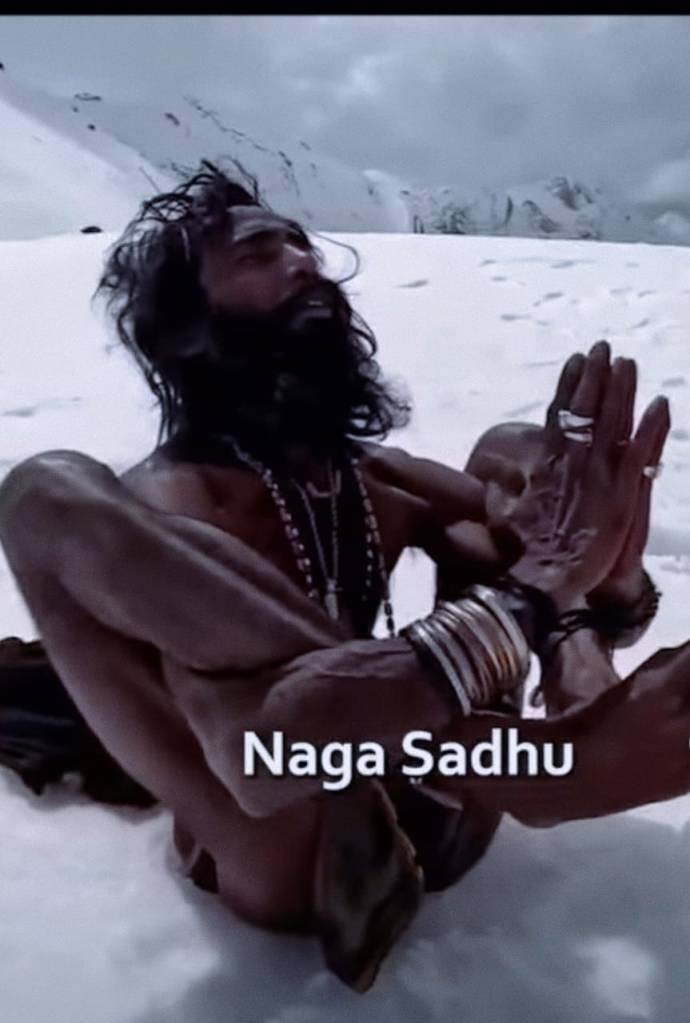
But what happens when the spectacle of the Kumbh fades, and the Naga Sadhus retreat into the shadows? Their mystique deepens as they vanish into the caves, forests, and Himalayan retreats they call home. Unlike monks in monasteries or priests in temples, they shun permanent dwellings and societal norms. Their life is a solitary journey, marked by meditation, yoga, and the relentless study of scriptures. For them, the Kumbh is a rare occasion to step out, engage with the world, and remind humanity of its spiritual roots.
This dual existence of the Naga Sadhus—as spiritual seekers and custodians of tradition—underscores their timeless relevance. In a world increasingly dominated by materialism and instant gratification, their life of extreme renunciation serves as a powerful counter-narrative. They relinquish all worldly possessions, family ties, and societal expectations, choosing instead a path of austerity and self-realization. Their existence challenges modern notions of success and fulfilment, offering an alternative rooted in inner peace and spiritual awakening.
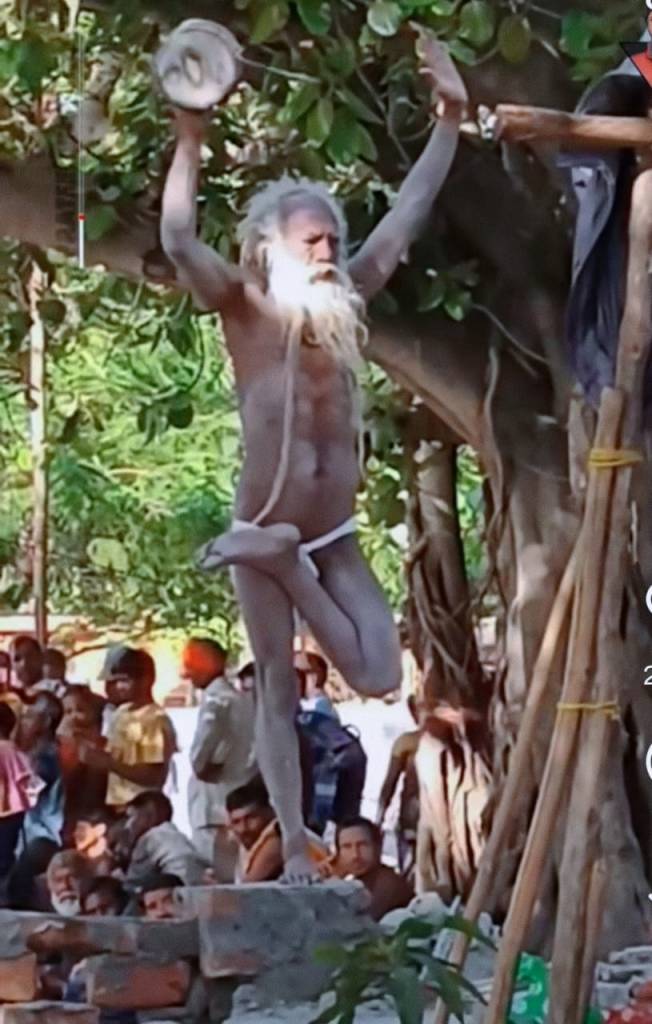
Historically, the Naga Sadhus were not just ascetics but warrior-protectors of Hinduism. Armed with swords, tridents, and bows, they safeguarded temples and sacred spaces from invaders. Their martial spirit, though less evident today, still finds expression in their processions at the Kumbh. These processions are not just rituals but a vivid display of their indomitable spirit and commitment to preserving their heritage. Even now, their presence at the Kumbh serves as a reminder of their role as defenders of faith and tradition.
The cultural and spiritual significance of the Naga Sadhus extends far beyond religious boundaries. Their enigmatic lifestyle and striking appearance captivate global audiences, drawing attention to the depth and diversity of Indian spirituality. Pilgrims from Varanasi describe encountering them as witnessing another world—a world that reminds us of our roots and the transformative power of detachment. Their way of life is a living testament to the ancient practices that have shaped India’s spiritual landscape for millennia.

The rituals they perform, the symbols they carry, and the lives they lead are steeped in history. Archaeological findings from Mohenjo-Daro depict ascetics resembling the Naga Sadhus worshiping Lord Shiva, highlighting their ancient lineage. Their practices, such as applying ash (considered sacred in the Shiva Purana), meditating in extreme conditions, and embracing celibacy, have remained largely unchanged, preserving a direct link to India’s spiritual past.
The secret to their resilience lies in their rigorous spiritual practices, known as sadhanas. These include Agni Sadhana, a meditation technique that helps them endure extreme cold by channeling the fire element within their bodies. Their ability to survive and thrive in harsh conditions is not just a testament to their physical discipline but also to their mastery over the mind and spirit.

In today’s society, the relevance of the Naga Sadhus goes beyond their historical and religious roles. They embody the ideals of self-discipline, resilience, and spiritual focus—qualities that are increasingly scarce in a world dominated by distractions and superficiality. Their commitment to preserving ancient traditions serves as an anchor in times of rapid cultural and technological change. By maintaining their rigorous rituals and ascetic lifestyle, they keep alive the spiritual practices that form the bedrock of Hinduism.
Moreover, their presence at events like the Maha Kumbh Mela provides a sense of continuity and connection to a shared heritage. They are living symbols of the timeless bond between humanity and the divine, reminding us of the spiritual dimensions of existence. For the millions who witness their grace and austerity, the Naga Sadhus offer a glimpse of a world where faith, devotion, and discipline reign supreme.
In a globalized world where cultural identities are often diluted, the Naga Sadhus stand as guardians of India’s spiritual and cultural heritage. Their way of life, though enigmatic and extreme, holds valuable lessons for a society grappling with issues of identity, purpose, and fulfilment. They remind us that the pursuit of the eternal—be it truth, liberation, or divine connection—is a journey worth undertaking, even in the face of adversity.

As the ash-covered ascetics disappear into the wilderness after the Kumbh, they leave behind more than just memories. They leave an indelible mark on the hearts and minds of those who encounter them—a reminder that the mystical, the ancient, and the spiritual still have a place in our modern lives. The Naga Sadhus may walk alone, but their footsteps echo across the ages, guiding humanity toward the eternal flame of enlightenment.
Visit arjasrikanth.in for more insights
 SOCIAL PERSPECTIVES