
From Bold Entrants to Legacy Titans, How India’s Dynamic Petrochemical Sector is Redefining Global Manufacturing and Sustainability”
India’s petrochemical sector stands poised at the cusp of a transformative era, cementing its role as a cornerstone of the nation’s industrial and economic ambitions. Petrochemicals, as the backbone of modern manufacturing, underpin a wide array of industries, including textiles, pharmaceuticals, construction, and packaging. As the essential raw material driving innovation and production, their importance to the industrial ecosystem cannot be overstated. The Indian petrochemical market, valued at $220 billion in 2023, is projected to soar to $300 billion by 2025, with a vision to achieve a staggering $1 trillion by 2040. This growth trajectory signifies not just industrial expansion but also the sector’s critical role in India’s journey toward becoming a global manufacturing and economic powerhouse. At the forefront of this evolution are two industrial titans—Reliance Industries and the Adani Group—whose dynamic interplay is reshaping the sector and driving India’s aspirations toward global leadership.
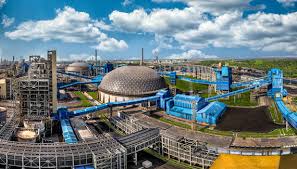
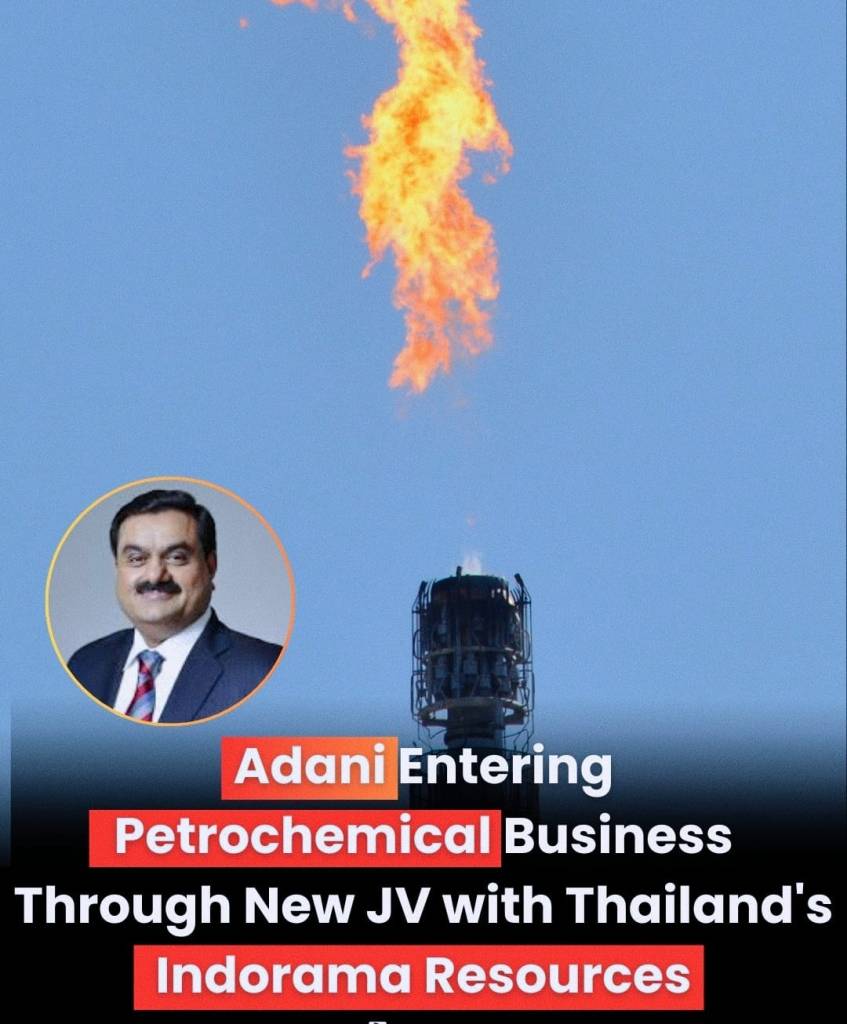
Reliance Industries, led by Mukesh Ambani, has long been synonymous with excellence in the petrochemical domain. With decades of experience, Reliance has established itself as a dominant force in the production of polyester, polymers, and specialty chemicals. Its integrated operations, cutting-edge technology, and economies of scale have ensured its leadership position in the market. On the other hand, Adani Petrochemicals, spearheaded by Gautam Adani, is a bold new entrant that brings a fresh perspective and disruptive energy to the sector. Despite its relatively recent foray, Adani has already demonstrated a strong commitment to the sector through strategic initiatives, such as its joint venture with Thailand’s Indorama Resources to establish Valor Petrochemicals Ltd. This collaboration marks a significant step in Adani’s quest to carve a prominent niche in the industry.
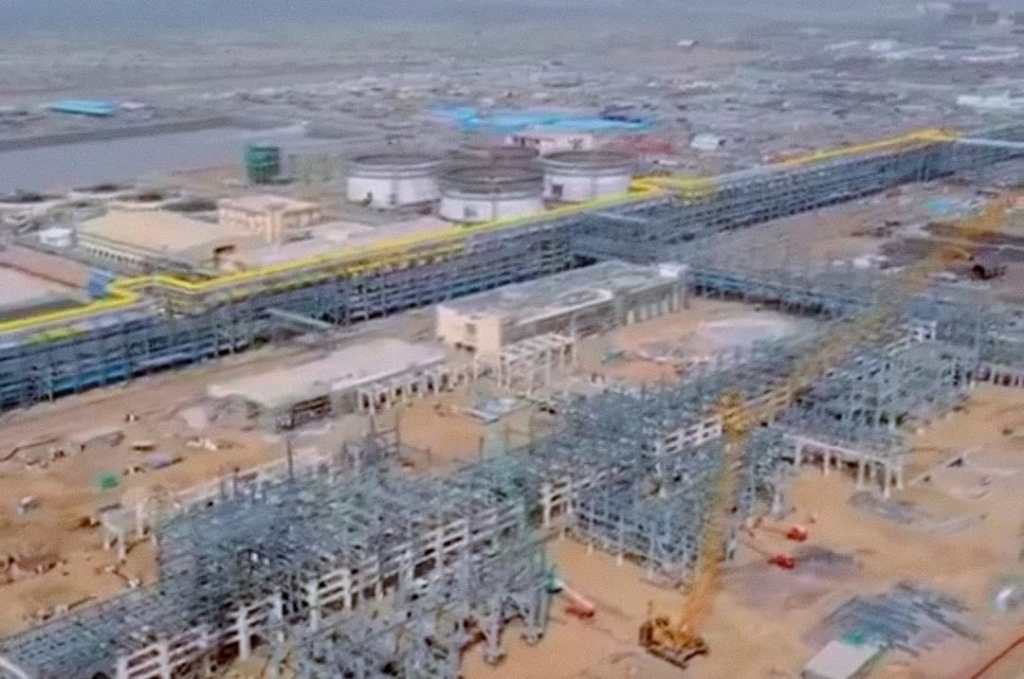
A hallmark of Adani’s ambitious plans is its flagship $3 billion Purified Terephthalic Acid (PTA) plant in Maharashtra. With an impressive production capacity of 3.2 million tons, this facility is poised to supply critical raw materials to India’s burgeoning textile and packaging industries, which are vital contributors to the country’s economic machinery. At the same time, Reliance Industries continues to expand and innovate, reinforcing its dominance while responding to the competitive challenge posed by Adani’s entry. This interplay of ambition and expertise not only elevates the industry but also underscores the critical role of competition in driving industrial progress.

The rivalry between Reliance and Adani transcends the traditional bounds of corporate competition, serving instead as a catalyst for efficiency, innovation, and industrial growth. Mukesh Ambani’s systematic and legacy-driven approach contrasts with Gautam Adani’s bold, rapid-investment strategy, creating a dynamic interplay of leadership styles. This duality infuses the sector with fresh energy, driving advancements in technology, capacity building, and sustainable practices. The sheer scale of investments and the strategic focus of both players are already reshaping the industry, pushing boundaries and setting new benchmarks.
Adani Petrochemicals’ entry into the sector has not only introduced fresh competition but also accelerated innovation, particularly in the realm of sustainability. Its petrochemical cluster in Mundra, Gujarat, serves as a prime example of integrating renewable energy sources, such as solar and wind, into industrial operations. This approach demonstrates that industrial growth can coexist with environmental responsibility. Additionally, Adani’s planned polyvinyl chloride (PVC) plant in Gujarat, which is set to become India’s largest with a capacity of 2 million tons, aims to reduce the country’s reliance on imports while bridging a critical gap in the domestic manufacturing ecosystem. These developments highlight Adani’s commitment to aligning industrial expansion with environmental stewardship and self-reliance.
Reliance, too, has embraced sustainability as a core principle. From circular economy practices to advancements in recycling technologies, Reliance has been a trailblazer in integrating environmental consciousness into its operations. Together, the efforts of Reliance and Adani are enhancing India’s credibility as a responsible global manufacturer, reinforcing the country’s ability to meet the demands of a rapidly changing global marketplace.
The implications of this transformative growth extend far beyond national borders. As global leaders in petrochemicals, such as BASF, ExxonMobil, and Chevron Phillips Chemical, continue to dominate the international stage, India is emerging as a formidable contender. The massive investments and bold initiatives of Reliance and Adani signal India’s readiness to transition from being a consumer to a global producer and exporter of petrochemical products. This shift not only boosts India’s industrial capacity but also positions the nation as a hub for petrochemical innovation, strengthening its role in the global supply chain.
The journey to global petrochemical dominance, however, is not without its challenges. High capital requirements, complex technologies, and stringent environmental regulations present significant hurdles. Nevertheless, Reliance and Adani are well-equipped to navigate these obstacles. Reliance’s proven track record, coupled with its ability to innovate, ensures its agility in a competitive market. Similarly, Adani’s robust financial backing and strategic partnerships, such as its collaboration with Indorama, bring valuable global expertise and insights to the table. These strengths exemplify the resilience required to overcome challenges and capitalize on opportunities.
The combined impact of Reliance and Adani’s endeavours extends beyond the petrochemical industry itself. By driving innovation, creating employment opportunities, and enhancing domestic growth, these industrial giants are shaping the broader narrative of India’s economic resurgence. Their investments not only expand India’s industrial capacity but also improve its ability to compete in global markets, reducing trade deficits and promoting self-reliance. The competition between Reliance and Adani highlights a shared vision of an ambitious, resilient, and globally competitive India.
Ultimately, the competition between these two titans is more than just a corporate rivalry—it is a reflection of India’s aspirations and potential. Their dynamic interplay fosters an environment of innovation, efficiency, and growth, setting the stage for transformative advancements in the petrochemical sector. Through strategic investments in capacity building, sustainability, and global collaboration, Reliance and Adani are not only shaping the future of petrochemicals but also defining India’s industrial destiny. The future of India’s petrochemical sector shines brightly, driven by the relentless efforts of these two powerhouses. Their rivalry exemplifies the spirit of competition as a force for good, propelling India toward a leadership role in the global economy and underscoring the nation’s enduring promise to the world.
Visit arjasrikanth.in / @DrArjasreekanth for more insights
 SOCIAL PERSPECTIVES