
From Stampedes to Serenity: Technology Can Transform the Sacred Journey
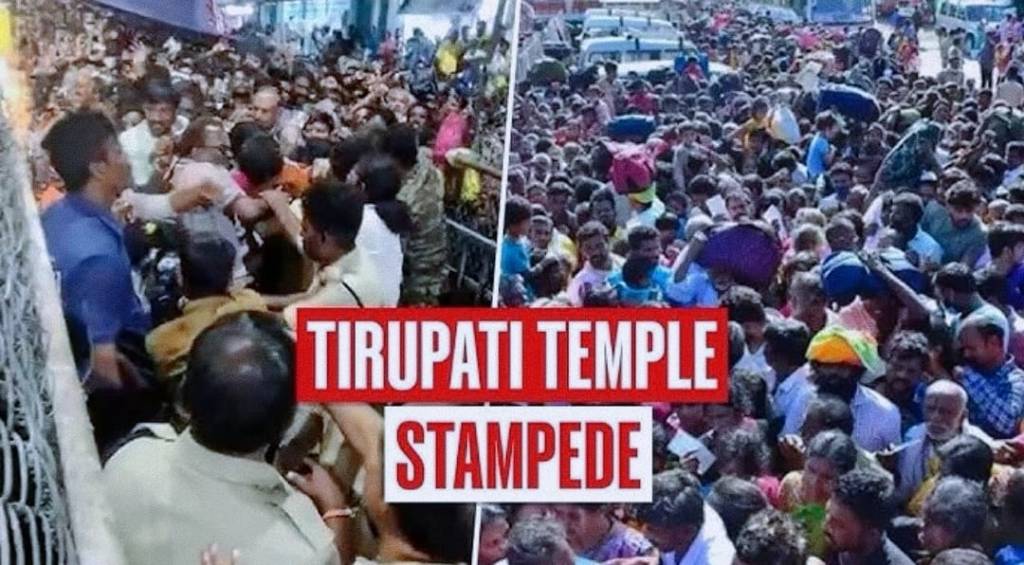
In a land where spirituality is woven into daily life, the tragedy at Tirupati, where six pilgrims lost their lives in a stampede, is a sobering wake-up call. As millions flock to sacred temples like Tirupati Balaji, these revered sites often become battlegrounds of chaos, overwhelmed by inadequate infrastructure and antiquated management practices. It’s time for a divine intervention—one that marries tradition with technology, ensuring safer and more organized pilgrimages.
Chandra Babu Naidu’s observations about crowd mismanagement at Tirumala resonate deeply. From poor policing and excessive offline ticketing to the lack of proper holding areas, these failures are systemic, not individual. Pilgrims endure long waits, misinformation, and overcrowding, highlighting the pressing need for modern solutions. Lessons from this tragedy underline the importance of anticipating crowd surges, deploying temple guides, and balancing focus between managing pilgrims inside and outside temple premises.

The scale of footfall at India’s temples is monumental, rivalling even the busiest transportation hubs. Yet, unlike airports, temples rely on outdated systems that fail to ensure safety or comfort. Drawing inspiration from the aviation industry, temples can implement digital queuing systems. QR codes for advance bookings, combined with real-time updates on crowd density, would minimize chaos and enhance the pilgrimage experience. Pilgrims could secure their darshan slots online, avoiding long queues and overcrowded holding areas.
Technology can further streamline crowd management through facial recognition systems, enabling authorities to monitor crowd density and identify bottlenecks before they escalate. Airports use these tools to ensure passenger flow; temples can adopt similar systems to provide a seamless and safe experience for devotees. Such innovations don’t detract from spirituality but protect it by creating an environment where the focus is on prayer, not panic.

A significant hurdle in temple management is the entrenched VIP culture. Repeated visits by influential figures, quotas for public representatives, and preferential darshan types such as L1, L2, and Break Darshan disrupt the experience for ordinary devotees. The current system, where VIPs are escorted with attendants, often denies others the opportunity for darshan. A fairer model would see all pilgrims, including VIPs, guided through regular queues, with assistance provided only when necessary. By minimizing preferential treatment, temples can foster an equitable environment, reducing resentment and ensuring access for everyone.
The Indian Railways offers a blueprint for reform. By curtailing emergency quotas and prioritizing general accessibility, it has set a precedent for balancing privilege with fairness. Temples can adopt a similar approach, focusing on inclusivity and streamlining darshan for all devotees.
Financially, India’s prominent temples generate enormous revenues, which can be reinvested in modernizing their operations. Tirumala Tirupati Devasthanams (TTD), with a budget running into thousands of crores, can allocate a fraction of these funds to technological upgrades. Clean drinking water, adequate restrooms, seating areas, and digital management systems should become standard offerings, catering especially to the elderly and differently-abled.
Concerns about technology disrupting the sanctity of temple traditions are misplaced. On the contrary, technology can complement spirituality. By automating logistical aspects like ticketing and crowd control, authorities can focus on preserving the divine atmosphere that draws millions to these sites. The harmony of tradition and modernity ensures the sacred experience remains undisturbed while improving safety and accessibility.
The Tirupati tragedy isn’t an isolated incident. Stampedes during festivals at the Banke Bihari Temple, the Ram Temple in Ayodhya, and Hathras underscore the critical need for a nationwide overhaul of temple management. Neglecting safety measures has dire consequences, and the tools to prevent such tragedies are readily available. Lessons from events like the Kumbh Mela, where RFID tags successfully managed millions of pilgrims, can guide the implementation of similar strategies across temples.
Public awareness campaigns are crucial for fostering acceptance of modernization. By educating devotees on the benefits of digital systems, temple authorities can ease the transition to technology-driven management. Community engagement in planning these changes builds trust and ensures smoother implementation.
Collaboration between government, temple authorities, and private technology firms is essential. Policy interventions mandating technological solutions in major temples could set a transformative precedent. With collective action, temples can evolve into safe, welcoming spaces that uphold their spiritual essence while accommodating modern needs.
As beacons of faith and cultural heritage, India’s temples must embrace the future without forsaking the past. Investing in technology is not just an option—it’s a necessity. From reducing chaos to enhancing inclusivity, the integration of modern solutions can elevate the pilgrimage experience, ensuring every devotee feels the warmth of divine grace without fear or frustration.

The path forward is clear: it’s time to revolutionize how we manage India’s temples. By prioritizing crowd management, fairness, and technological innovation, we can transform these sacred spaces into paragons of efficiency and harmony. The divine experience should embody serenity, not chaos. With determination and vision, we can ensure our temples remain symbols of devotion, accessible and safe for generations to come. Let us embrace this spiritual evolution, where tradition meets technology, and faith flourishes in peace and order.
Visit arjasrikanth.in or @DrArjasreekanth for more insights
 SOCIAL PERSPECTIVES