Transforming Taste and Tradition with 100 Street Food Hubs—A Culinary Adventure of Culture, Community, and Cleanliness!!
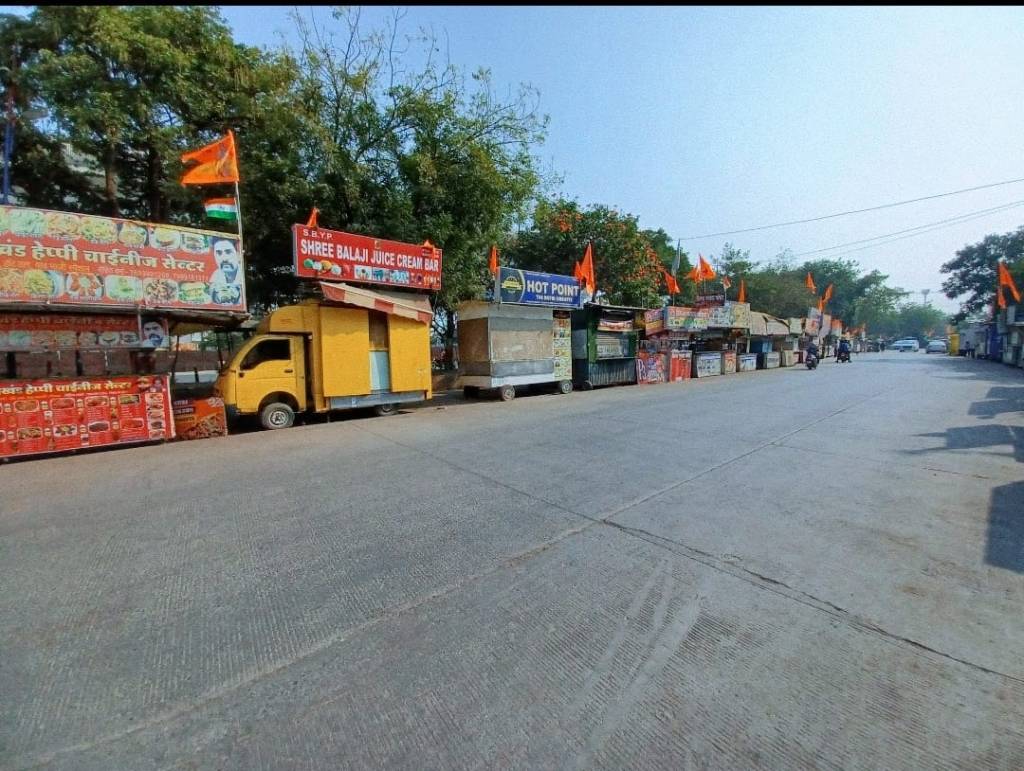
In a world filled with culinary variety and innovation, street food in India holds a special place as a symbol of tradition and culture. This vibrant aspect of Indian food culture is more than just a quick meal—it reflects the country’s diverse regional identities and offers a platform for shared experiences. The Government of India’s initiative to establish 100 Street Food Hubs, with a particular focus on four in Andhra Pradesh, represents a major step toward celebrating indigenous cuisine, promoting hygiene, and enhancing public health. These hubs are not just about food stalls; they aim to create memorable experiences that attract locals and tourists alike, transforming street food into a cultural phenomenon.
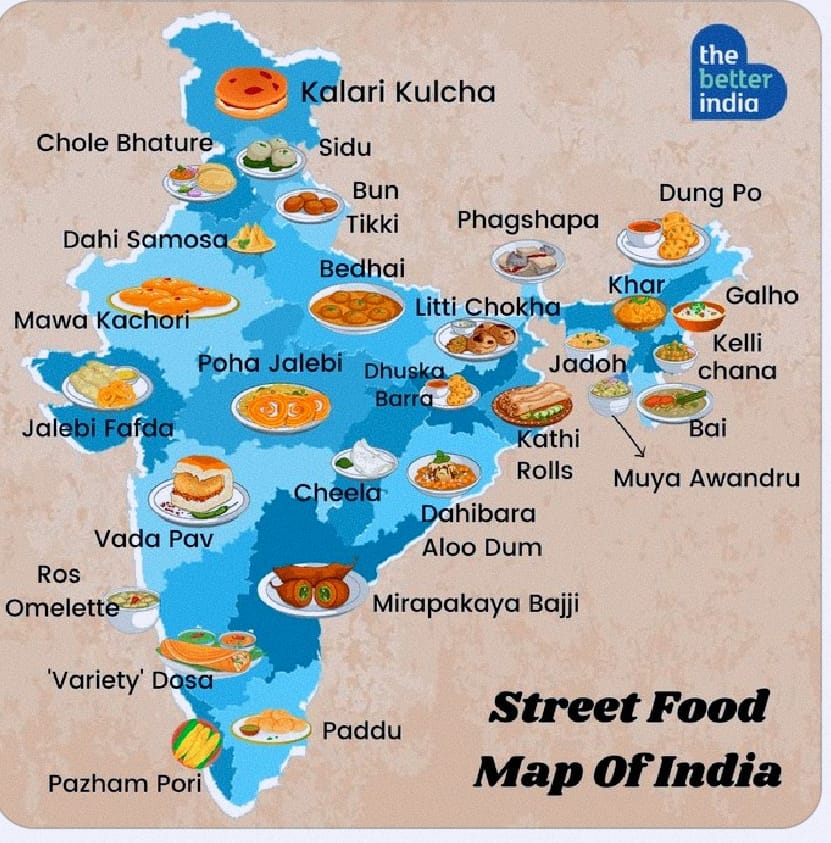
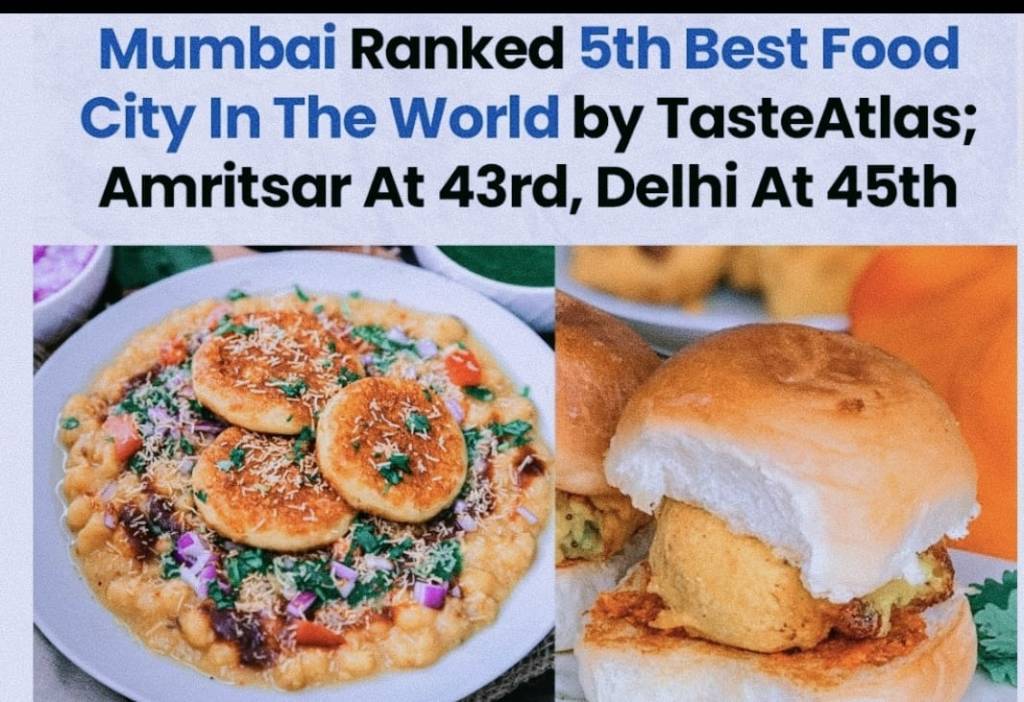
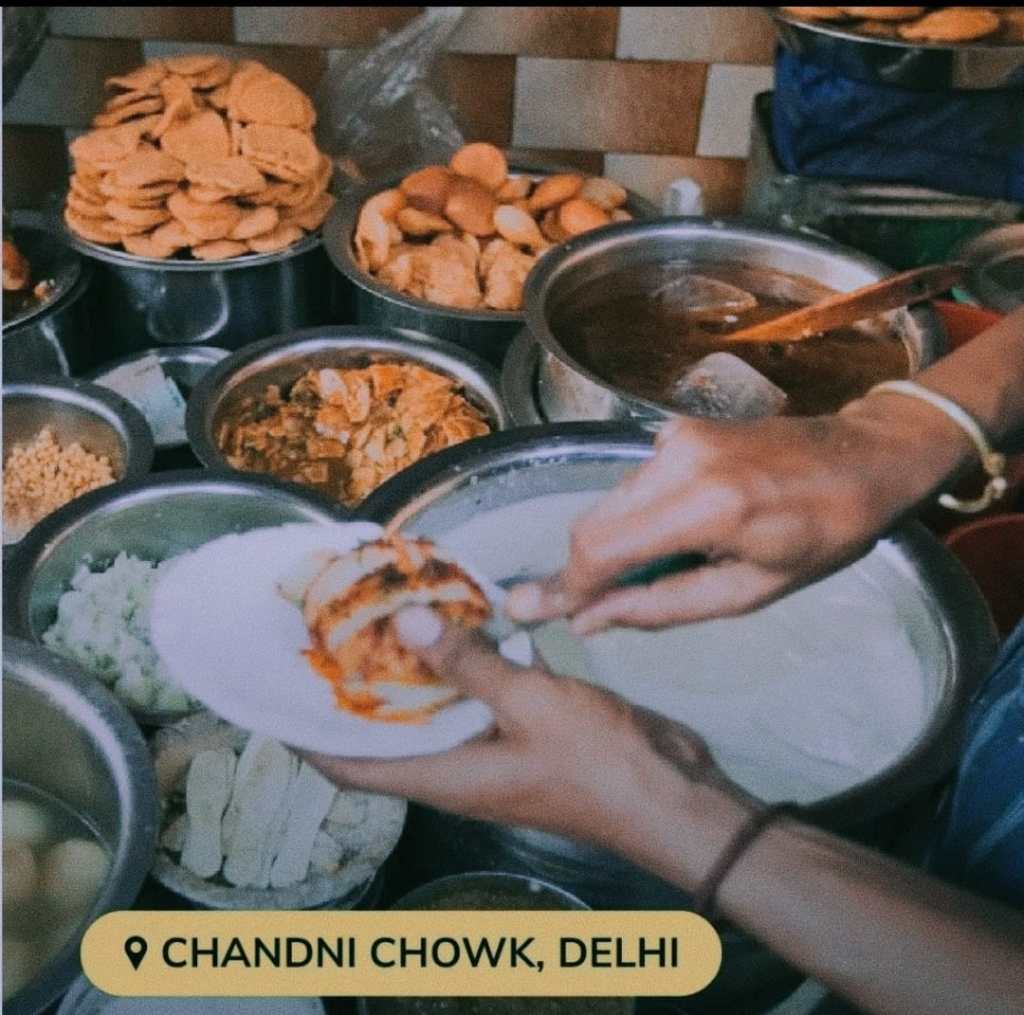
Street food in India is a gastronomic adventure that spans across regions, each offering unique flavours and dishes. From Mumbai’s Vada Pav to Delhi’s Chaat and Kolkata’s sweets like Rasgulla, street food provides a deep connection to the country’s culinary landscape. It is a food culture that evokes nostalgia, where people gather to enjoy affordable, flavourful meals with friends and family. These proposed Street Food Hubs will serve as platforms for street vendors, providing them an opportunity to showcase their culinary skills while adhering to strict hygiene and safety standards.
The Clean Street Food Initiative, driven by the Food Safety and Standards Authority of India (FSSAI), aims to elevate street food by enforcing rigorous food safety protocols. The initiative seeks to ensure that vendors comply with hygiene standards, building consumer trust and encouraging people to explore the broad spectrum of street food offerings without hesitation. Vendors will be trained in best practices for cleanliness, which is vital in establishing a safe and enjoyable street food experience for all.
Imagine a bustling food hub filled with the delightful aroma of Bhel Puri, Pav Bhaji, and Dhokla, where locals and tourists alike converge to enjoy street food. These hubs are not only about the food but the stories behind each dish and vendor. By showcasing these traditional foods to a global audience, India can boost its culinary reputation, turning street food into a major attraction for food lovers from across the world.
The economic impact of these Street Food Hubs is also significant. Street vendors contribute immensely to India’s economy, making up over 60% of the GDP and providing livelihoods for millions. The creation of these hubs offers a platform for vendors to thrive, empowering grassroots entrepreneurs. With better training, these vendors can refine their skills, increase their customer base, and achieve greater financial independence, thus helping elevate the community economically.
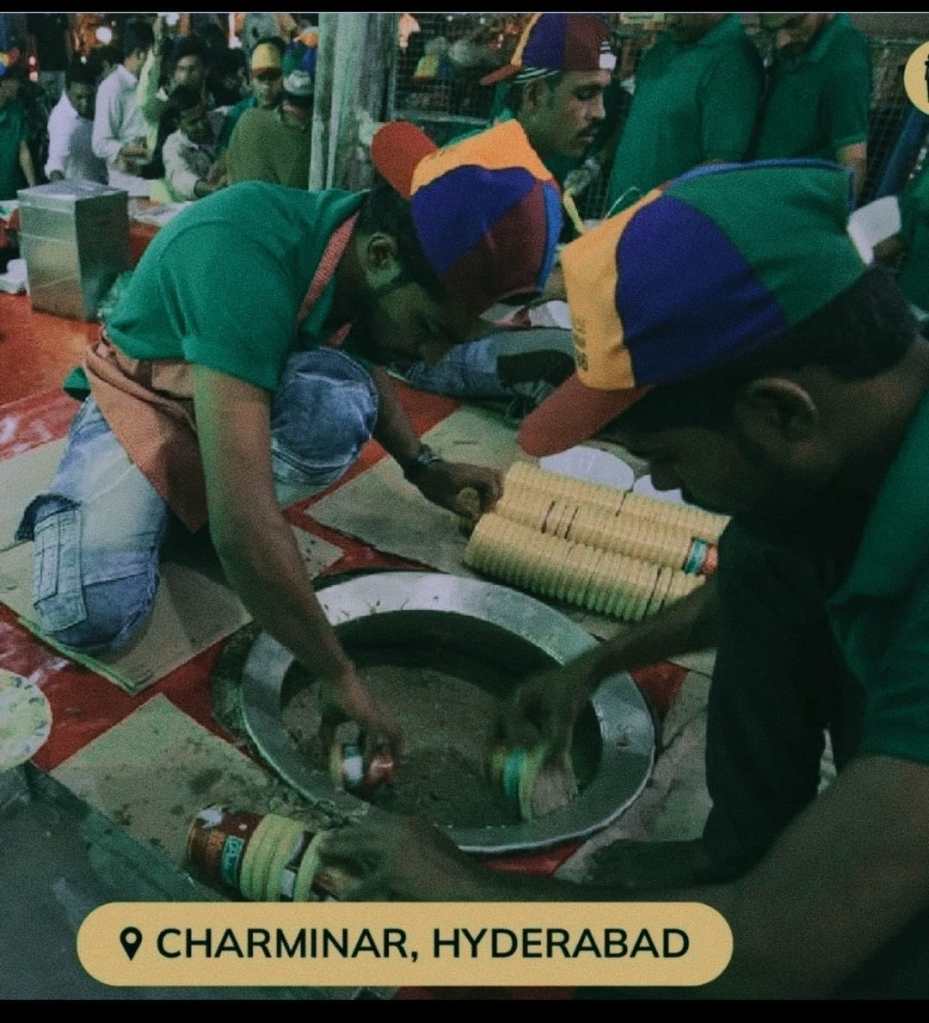
Street food, often seen as an affordable and accessible option, also plays a crucial role in providing essential nutrition. With the increasing focus on health-conscious consumers, these hubs offer a chance for street vendors to adapt by incorporating healthier ingredients and sustainable practices. By emphasizing fresh produce and promoting wholesome meals, the hubs can transform street food into a more nutritious choice that aligns with modern dietary trends.
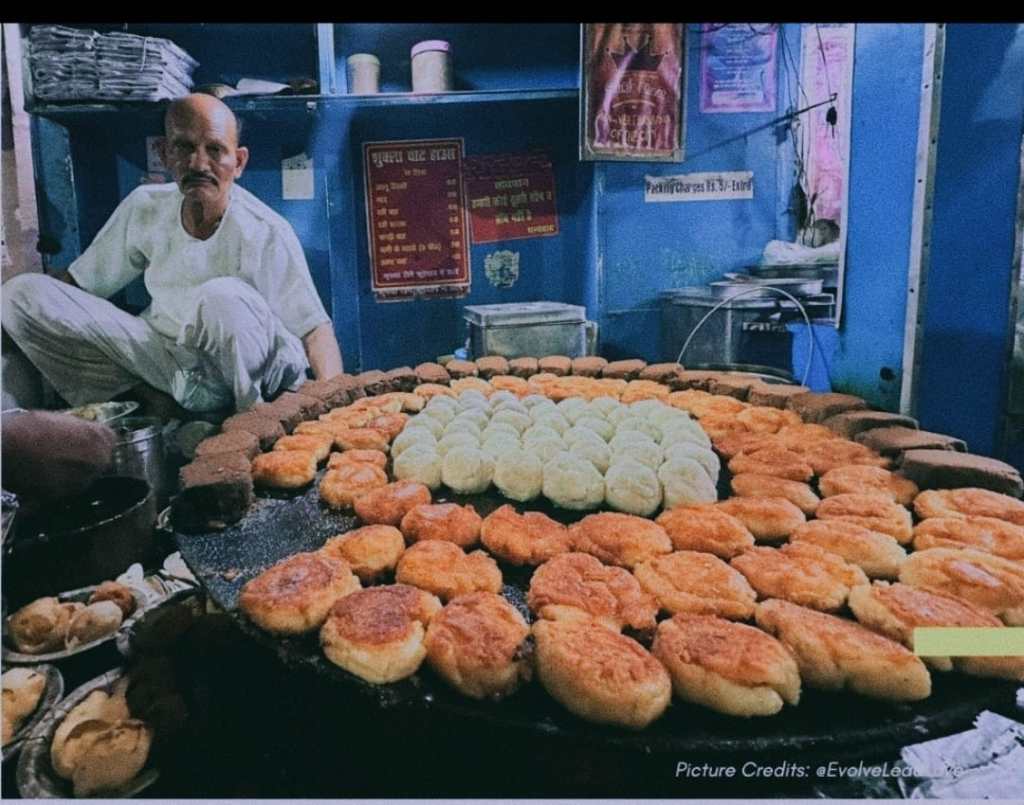
However, the rise of street food does present public health challenges, particularly in relation to foodborne illnesses. These concerns highlight the importance of maintaining high hygiene standards in the food hubs. Through consistent inspections and comprehensive training for vendors, the risks associated with street food consumption can be mitigated, ensuring that these food hubs remain safe environments for all.
Beyond hygiene, street food is a reflection of India’s cultural diversity. The variety of dishes—from spicy Samosas to sweet Jalebis—is unparalleled. By creating dedicated hubs, there is an opportunity to preserve traditional recipes while encouraging innovation. This fusion of heritage and creativity can inspire new culinary trends that will resonate with both Indian and international tastes.
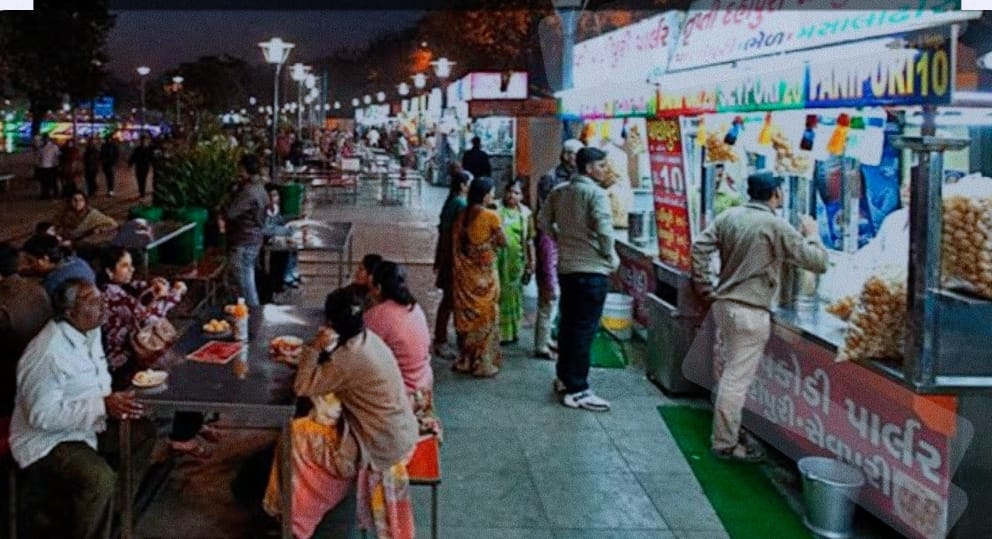
As these Street Food Hubs continue to be developed, community engagement will be crucial. These hubs can serve as vibrant spaces for local events, cooking workshops, and cultural celebrations, fostering a sense of pride and connection among residents. Actively involving the local community in the development and management of these hubs will ensure their sustainability and long-term success, enriching the lives of all involved.
The initiative also aligns with broader urban development goals. With urbanization on the rise, cities need accessible, affordable, and nutritious food options. Street food hubs can meet this demand, offering convenient meals in areas where traditional dining options might be scarce. These hubs can become essential components of urban food systems, providing nourishment to growing populations.
Furthermore, these hubs have the potential to impact various sectors, such as tourism, hospitality, and agriculture. By sourcing ingredients from local farmers, vendors can strengthen regional food systems, promoting sustainability and food security. This collaboration between street food and agriculture will benefit both farmers and vendors, while enhancing the freshness and quality of the food served.
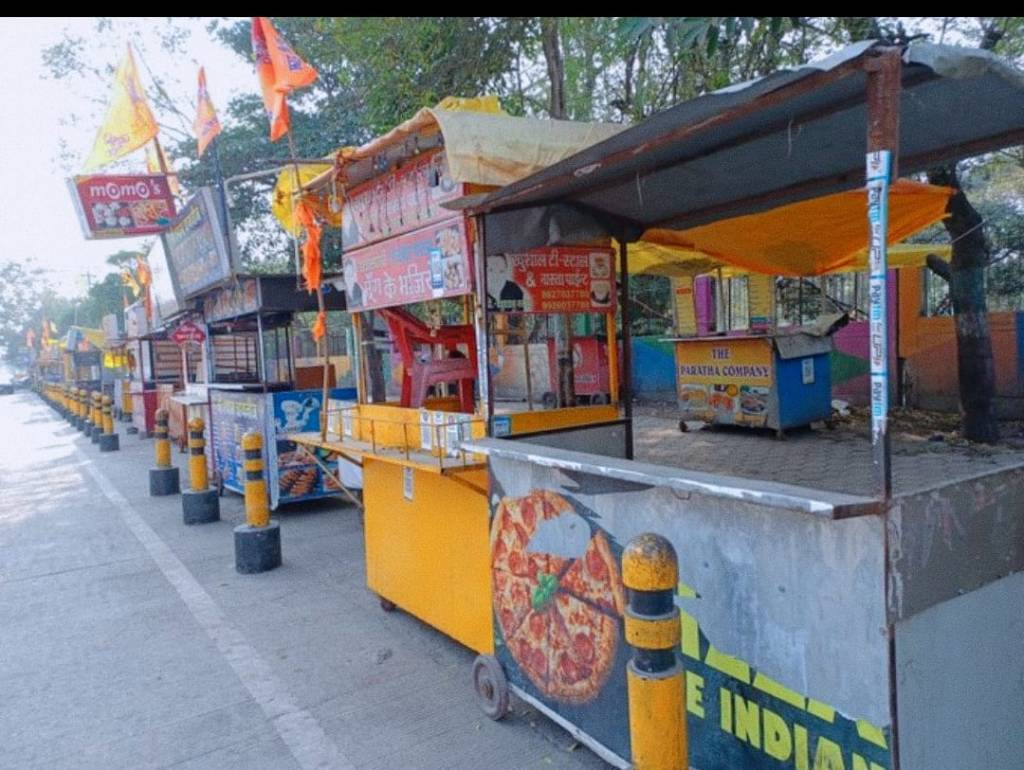
Looking ahead, the establishment of Street Food Hubs presents an opportunity for India to redefine its culinary landscape. By embracing the diverse flavours of street food, the country can celebrate its rich heritage while addressing contemporary challenges like food safety, health, and sustainability. With the right infrastructure and support in place, these hubs can evolve into cultural centres, bringing communities together through food while preserving India’s culinary legacy.
In conclusion, the creation of 100 Street Food Hubs across India represents more than just an effort to increase access to food. It is a celebration of culture, community, and entrepreneurship. These hubs will elevate indigenous culinary traditions while prioritizing hygiene and safety, setting the stage for a gastronomic renaissance. As they take shape, these hubs will attract food lovers and tourists while empowering local vendors and strengthening community ties. The vision of a thriving street food culture in India is on the verge of becoming a reality, offering a flavourful and prosperous future for all involved.
Visit arjasrikanth.in / @DrArjasreekanth for more insights
 SOCIAL PERSPECTIVES
One response to “Spice Up the Streets: India’s Delicious Revolution in Street Food!!”
Nice post🌅🌅
LikeLike