
“Why Coal’s Legacy Isn’t Fading Anytime Soon—The Unexpected Return of the World’s Oldest Power Source”
When we picture the future of energy, the image of a world powered by clean, renewable sources such as wind and solar often dominates our minds. Coal, with its dark, polluted legacy, seems to be relegated to the past, a fossil fuel doomed to fade away. However, a closer look at the global energy market, fuelled by the latest reports and emerging trends, suggests that the death of coal has been greatly exaggerated. In fact, coal’s reign as a dominant power source is far from over, and it may continue to be an essential player in the global energy mix for several more decades.
According to the 2024 report from the International Energy Agency (IEA), coal demand is projected to hit an all-time high, with global consumption reaching a staggering 877 million tonnes. This surge defies the expectations of a swift transition away from coal, underscoring its resilience and undeniable importance in the global energy landscape. The narrative of coal’s inevitable decline is being challenged, as countries—especially in Asia—continue to rely heavily on it for both economic growth and energy security.

Coal’s enduring dominance can be attributed to several factors. First and foremost, it is an incredibly abundant and accessible resource. Coal reserves are spread across the globe, with significant concentrations in key countries like China, India, and the United States. Unlike renewable sources that require complex infrastructure and variable weather conditions, coal is reliable, readily available, and inexpensive to transport. These attributes make it a go-to energy source for both developed and developing nations. In fact, it remains a vital input for industries such as steel, cement, and aluminium production, where alternative, greener technologies are yet to be widely adopted.
On top of that, coal-fired power plants are a stalwart for baseload electricity generation. Unlike renewables like solar and wind, which depend on intermittent weather patterns, coal provides a stable, uninterrupted supply of electricity that is crucial for the functioning of modern economies. This reliability is particularly important in emerging markets, where energy demand is growing rapidly, and access to cleaner alternatives remains limited. Countries like India and China continue to rely on coal to power their cities, factories, and infrastructure projects, with no immediate solution to replace it.
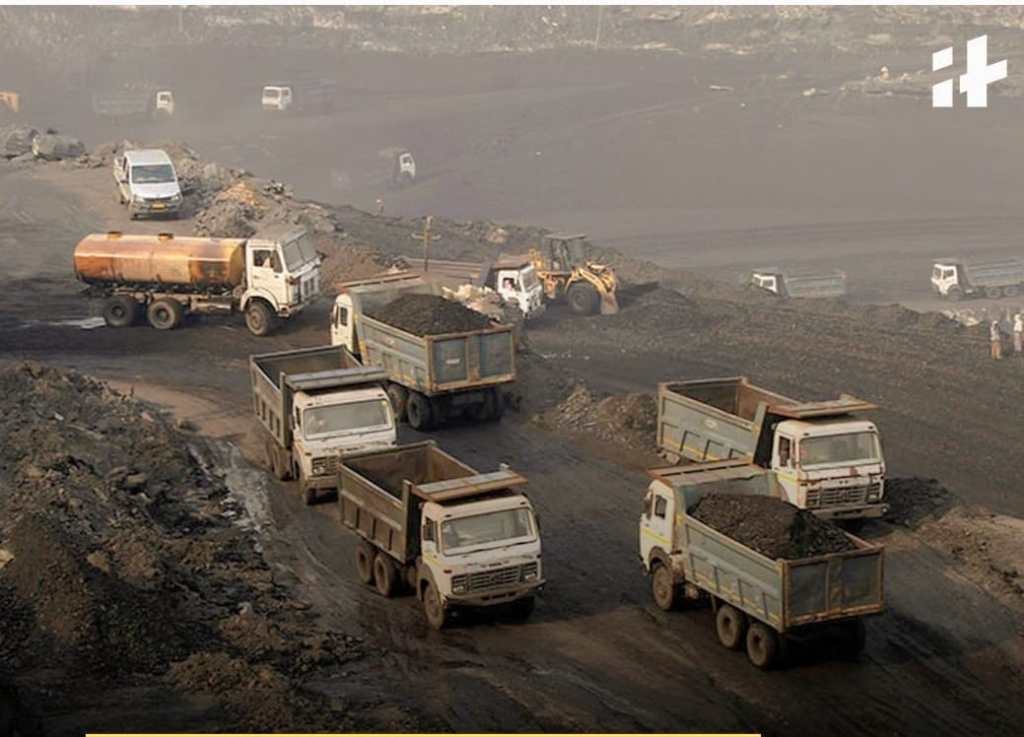
The geopolitical shifts triggered by the ongoing conflict in Ukraine have also played a pivotal role in propelling coal back into the spotlight. Sanctions on Russia’s natural gas exports have caused a major supply crunch, prompting countries worldwide to increase their reliance on coal as an alternative. In 20213 alone, global coal demand spiked by 9%, as countries scrambled to secure energy supplies. As the world confronts volatile energy markets and the unpredictable fallout of geopolitical tensions, coal’s role in providing affordable, accessible energy has proven indispensable.
However, this rise in coal demand is not without its complications. The environmental and health costs associated with coal remain profound. As the most carbon-intensive fossil fuel, coal combustion releases large amounts of greenhouse gases that contribute to climate change. Coal mining itself is also fraught with challenges, including habitat destruction, water contamination, and hazardous working conditions. The adverse health impacts from air pollution generated by coal-fired plants are well-documented, leading to respiratory diseases and other health problems in surrounding communities.
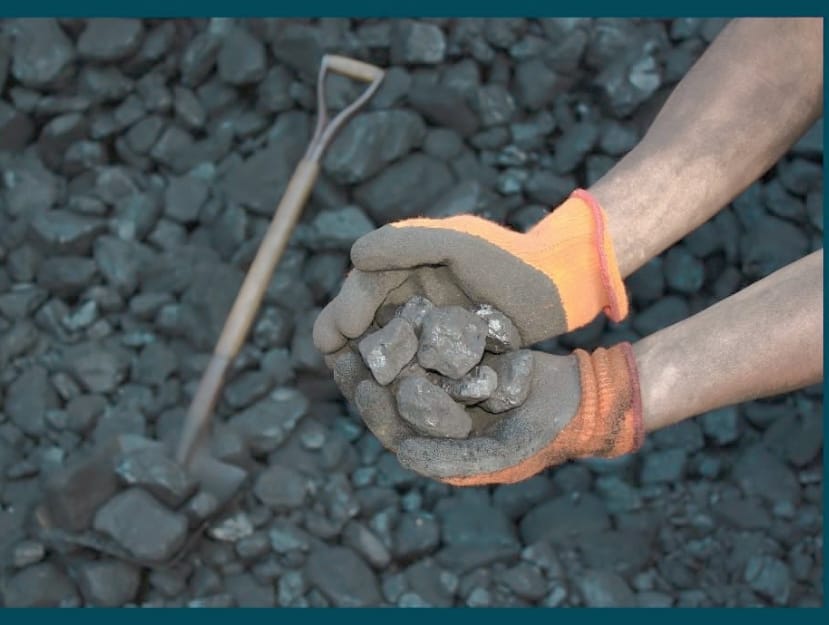
Despite these concerns, coal’s position in the energy market shows little sign of waning in the short term. In fact, as we look toward the future, coal is expected to continue playing a central role in meeting the world’s energy needs. According to the IEA, while renewable energy generation is projected to increase eightfold by 2050, coal demand will only decline by two-thirds. This is particularly true for countries in the Asia-Pacific region, where the demand for coal is expected to peak much later than in the West. India and Indonesia, for instance, are expected to continue expanding their coal capacity into the late 2030s.
Coal’s resilience can also be seen in the continued growth of coal production. China, the world’s largest coal producer, accounts for nearly 30% of global coal consumption, using more coal than the rest of the world combined. This massive consumption is driven by China’s rapidly expanding economy, which requires vast amounts of electricity to fuel new industries like artificial intelligence, data centres, and electric vehicle manufacturing. Even as China pushes forward with its renewable energy goals, its coal dependency remains an integral part of its energy mix.
India, too, is experiencing a similar dynamic. With a population of over 1.4 billion and an economy growing at a fast pace, India’s energy needs are immense. Despite ambitious plans to increase its renewable energy capacity, the country’s coal demand continues to grow. In 2024, India’s coal consumption is expected to rise by 8%, further cementing its reliance on this fossil fuel. However, India’s strategy is not one-dimensional; it is simultaneously investing in renewable energy, with plans to install 500 gigawatts of renewable capacity by 2030. This dual approach reflects the complex balancing act many countries face—integrating renewables while ensuring the reliability and affordability that coal offers.
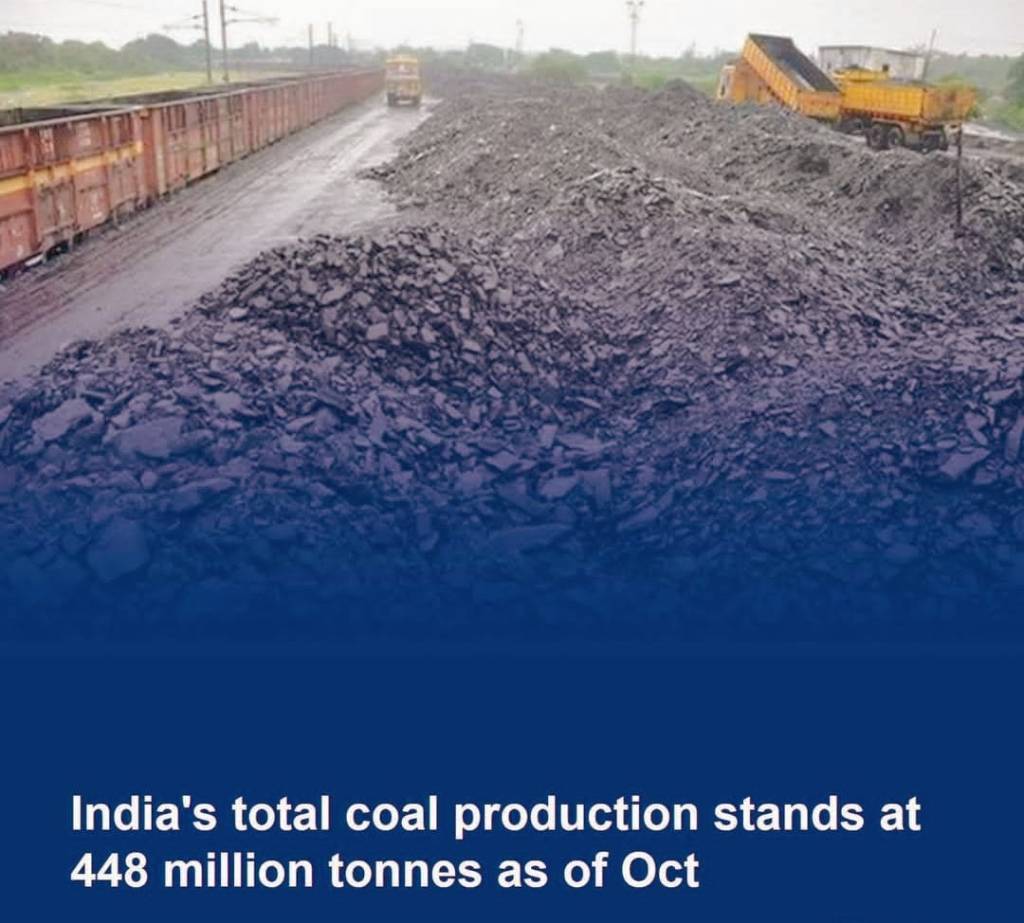
Logistical advancements, such as the expansion of rail networks in India to transport coal more efficiently, also point to coal’s continued relevance. The country is working to enhance its coal transportation capacity, aiming to shift 75% of coal transportation to rail by 2030. This will not only improve the efficiency of coal delivery but also help meet the ever-growing energy demands.
Looking ahead, the future of coal is intricately tied to the pace of innovation in both clean energy technologies and global economic developments. While the world moves towards renewable energy, coal’s role in global power generation will remain significant for the foreseeable future. The energy transition will take time, and in many regions, coal will continue to be the cornerstone of energy security and economic growth. As such, the narrative of coal’s death may be premature, as the world finds itself increasingly dependent on this seemingly outdated energy source—at least for a few more decades.
Visit arjasrikanth.in / @DrArjasreekanth for more insights
 SOCIAL PERSPECTIVES