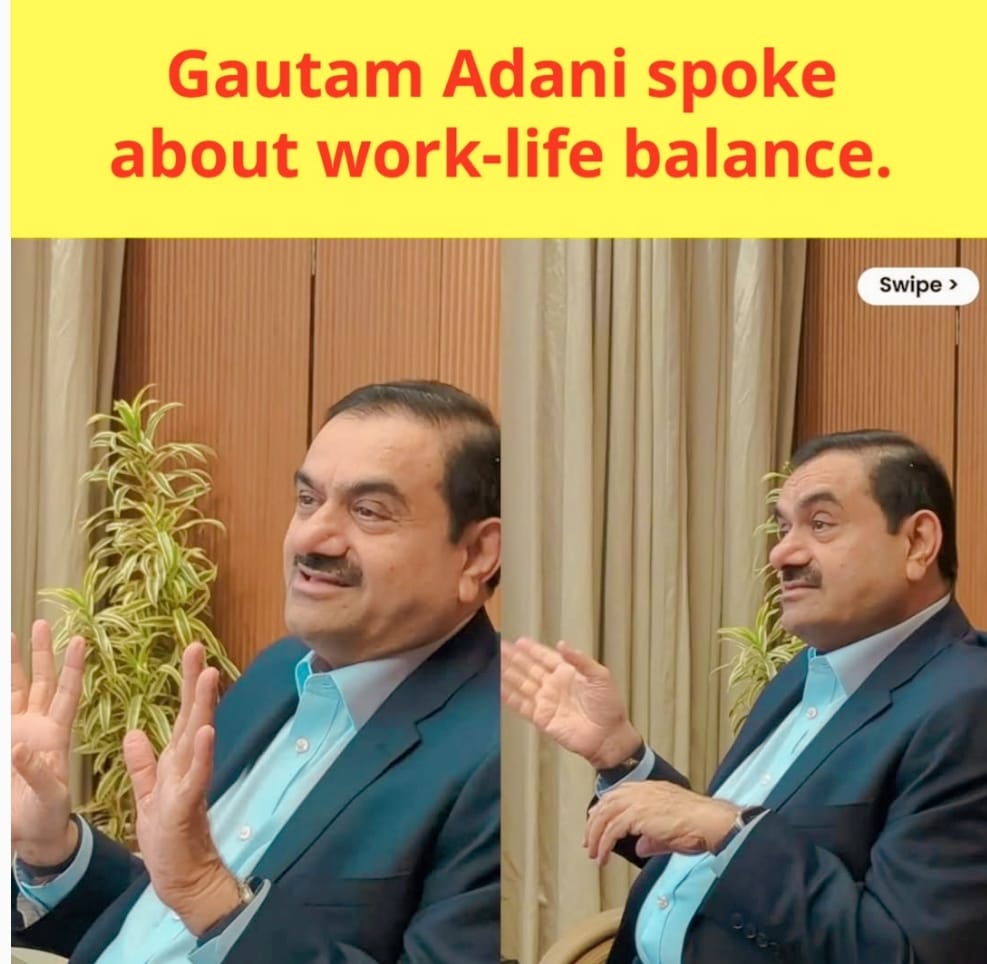
In a World Obsessed with Hustle, Adani Redefines Success by Choosing Joy Over Hours—Leading by Example for a Global Standard of Employee Well-Being
In an era where constant hustle and overwork have become synonymous with success, Gautam Adani, the visionary chairman of the Adani Group, stands apart by offering a refreshing perspective on work-life balance. In a world where India ranks 48th in the Global Life-Work Balance Index 2024, with an average of 46.7 working hours per week, it’s clear that many employees struggle to find harmony between their professional and personal lives. In this context, Adani provides not only a unique approach but also a model that aligns with global standards of employee well-being. His approach is grounded in the belief that work-life balance is not about rigid hours or constant sacrifice but about the joy and fulfilment one derives from both work and personal life.

Adani’s perspective on work-life balance is both simple and profound. In an interview with IANS, he stated, “If you enjoy what you do, then you have a work-life balance.” This statement encapsulates his philosophy that true balance is not about how many hours one works or how tightly a schedule is structured. Instead, it’s about finding satisfaction and joy in whatever one does, whether that’s at work or with family. This contrasts sharply with the views of many other business leaders who emphasize long hours and the pursuit of success through relentless work. For instance, Infosys founder Narayana Murthy recently sparked a national debate by advocating for a 70-hour workweek, suggesting that India must embrace a culture of hard work to compete with developed nations. Murthy’s stance reflects his own experience of working upwards of 85-90 hours per week. However, Adani’s response challenges this narrative by emphasizing that the real measure of work-life balance is the happiness one derives from work, not the number of hours spent doing it.

For Adani, the definition of work-life balance is subjective. It’s not about imposing a universal standard on others but about helping individuals find joy and fulfilment in their own unique schedules. “If someone spends four hours with their family and finds joy in it, that’s their balance. If someone else spends eight hours and enjoys it, that’s their balance,” Adani explains. His point is that true balance arises when both work and personal life contribute positively to an individual’s overall happiness, and when this happiness extends to the people they care about most. This belief reflects Adani’s personal ethos as well, as he strives to create a life where family time and work are both given equal importance.
As the head of one of India’s most influential conglomerates, Adani understands that balancing personal and professional life is essential not only for individual well-being but for fostering a culture of productivity and success within the workplace. Adani’s leadership is a testament to this philosophy; he practices what he preaches by maintaining a balanced approach to both work and family life. “For us, either it is family or work, we don’t have a world out of this,” he says, underscoring the idea that true fulfilment comes from embracing both aspects of life equally. His children, too, adopted this mindset, further reinforcing the importance of leading by example.

Adani’s perspective is grounded in a deep understanding of life’s impermanence, which he believes helps simplify the complex nature of modern work-life dynamics. He reflects, “No one has come here permanently. When one understands this, life becomes simple.” This recognition of life’s fleeting nature encourages a more relaxed, fulfilling approach to daily routines and challenges the societal obsession with long working hours. It’s a philosophy that not only promotes work-life balance but also encourages people to focus on what truly matters: their happiness and well-being.
At the Adani Group, these principles extend beyond words. The company is committed to fostering a culture that values work-life balance, which is in line with the founder’s values. The company offers flexible working hours, wellness initiatives, and ensures employees take time off when necessary. This holistic approach helps the Adani Group set a global standard for work-life balance. The company recognizes that when employees are well-rested, mentally healthy, and able to balance their work with personal time, they are more productive and satisfied in their roles.
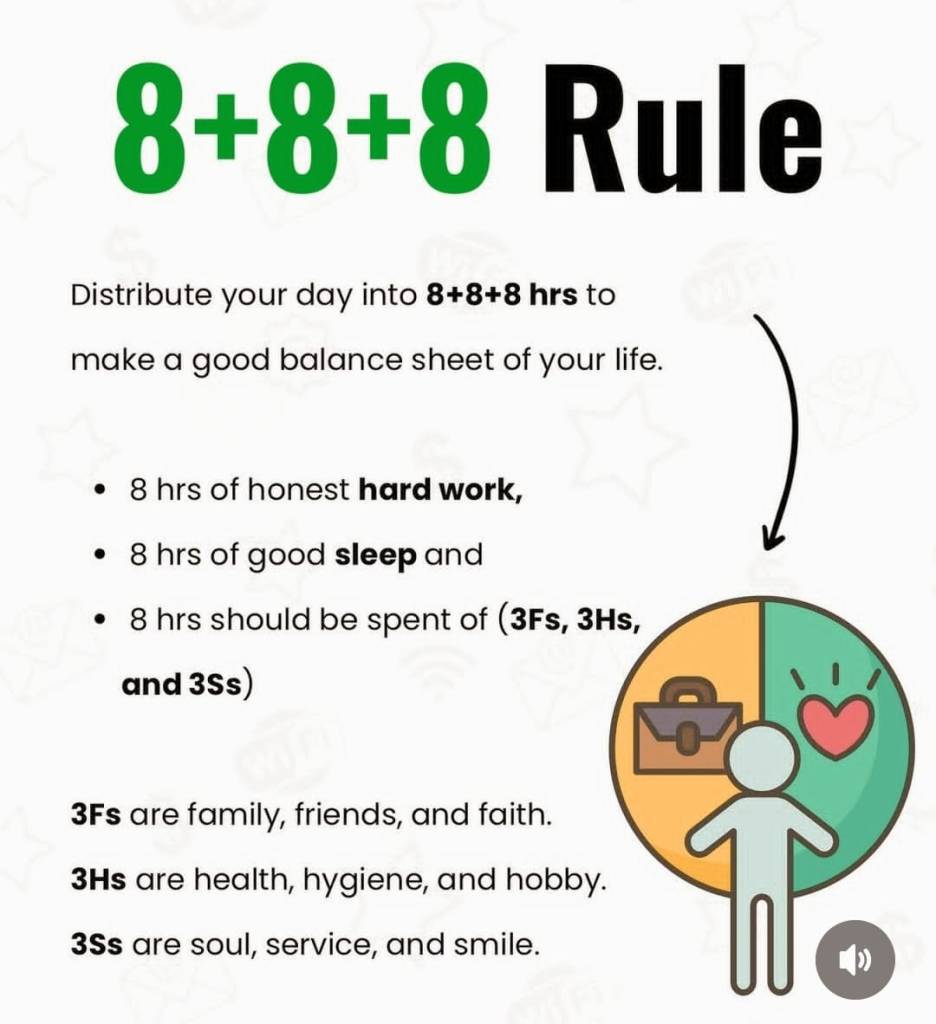
To further improve the work-life balance within the organization, several measures could be implemented. These could include providing employees with flexible work schedules, adopting a hybrid work model, and promoting regular breaks throughout the day. Adani also advocates for leadership training to help managers identify signs of burnout and create an open, supportive environment where employees feel comfortable discussing work-life balance concerns. Such an environment promotes a culture where the mental and physical health of employees is a priority, which in turn enhances productivity and job satisfaction.
Employee wellness programs are another essential element in promoting a healthy work-life balance. By providing access to fitness centres, mental health support, and stress management programs, companies can ensure that employees not only work effectively but also lead healthier, more fulfilling lives. At Adani Group, these programs are integral to the company’s broader strategy of ensuring that employees maintain both physical and mental health—key components of a balanced life.
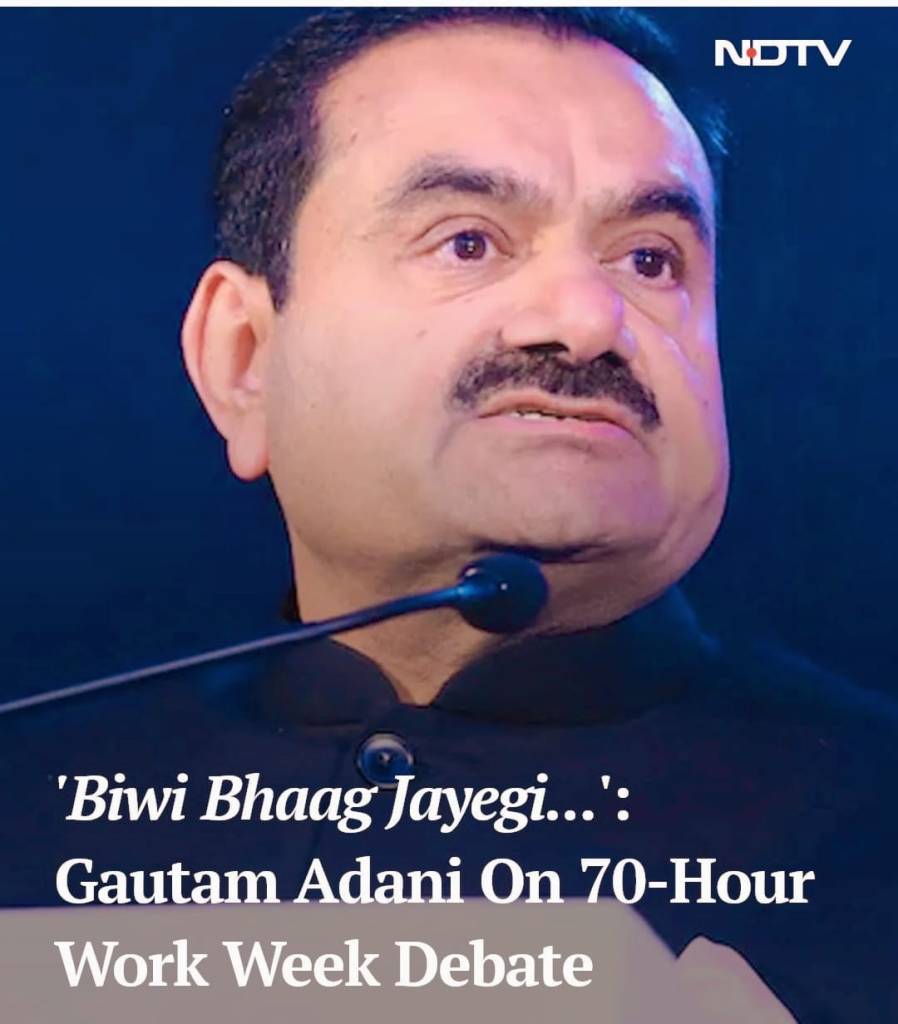
However, Adani’s vision goes beyond employees. He emphasizes that true balance isn’t just about the number of hours spent at work or with family, but the joy and fulfilment derived from those hours. Whether it’s four hours or eight hours spent with loved ones, the key is finding personal satisfaction. This holistic approach underscores the importance of emotional and mental well-being as crucial components of work-life balance. Adani’s humorous yet insightful remarks further drive this point home. He quips, “If you spend eight hours, biwi bhaag jayegi (your wife will run away),” reminding us that balance is not just a professional matter but also a personal one that impacts our relationships.
Adani’s approach to leadership is ground-breaking in its emphasis on work-life balance. Rather than viewing it as a burden, he sees balance as an essential element for long-term success. By encouraging employees to prioritize their mental and emotional well-being, Adani fosters a culture where individuals can perform at their best without compromising their happiness. This leadership style has far-reaching implications for the future of work, offering a sustainable model where success is defined not by the number of hours worked but by the quality of the work and the happiness it brings.
As companies worldwide continue to evolve and redefine the workplace, Gautam Adani’s perspective on work-life balance offers a model for others to follow. His message is clear: work-life balance is not about hours worked but about finding joy in what you do and fostering happiness in your relationships. The Adani Group’s commitment to employee well-being reflects this philosophy, positioning the company not only as a business leader but as a trailblazer in creating a truly balanced, supportive, and productive workplace.
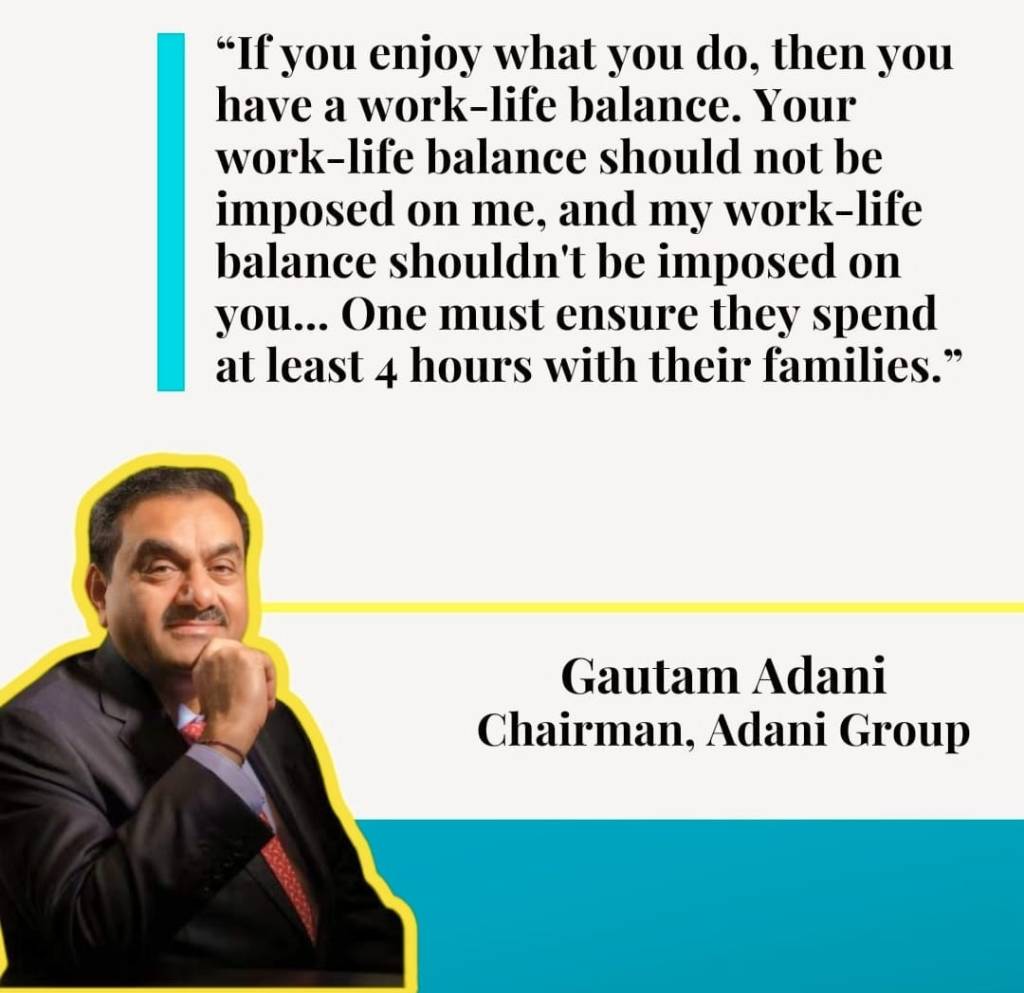
In conclusion, Gautam Adani’s personal and professional philosophy on work-life balance stands as a powerful reminder that success is not solely defined by long hours but by the happiness and satisfaction that work brings. His message emphasizes the importance of finding joy in both work and personal life, ensuring that each aspect complements the other. Through its commitment to employee well-being, the Adani Group has set a global standard for what it means to achieve true work-life harmony, offering valuable insights for businesses and individuals worldwide.
Visit arjasrikanth.in / @DrArjasreekanth for more insights
 SOCIAL PERSPECTIVES