
“A Journey from Cultural Guardianship to Glamorous Spectacles: Navigating Challenges, Realigning Priorities, and Rekindling Community Spirit”
Telugu associations in the United States, initially established to nurture community togetherness and preserve the rich heritage of Telugu culture, have experienced remarkable growth over the decades. Organizations like the Telugu Association of North America (TANA), American Telugu Association (ATA), and American Progressive Telugu Association (APTA) have served as vital platforms for Telugu-speaking individuals, fostering a sense of belonging among immigrants navigating life in a foreign land. However, despite their laudable beginnings and early achievements, these associations now face growing criticism for their perceived drift from meaningful community service toward extravagant event management.
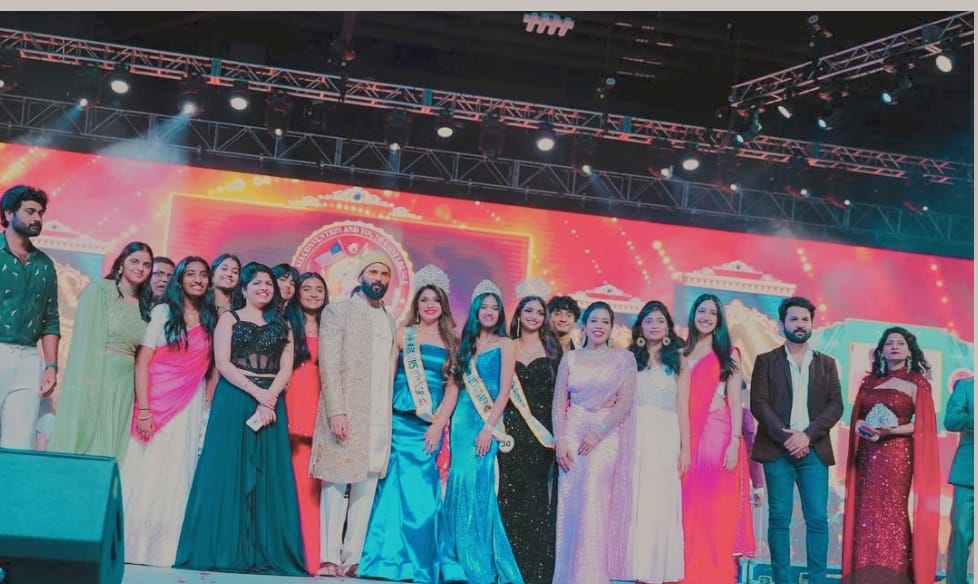
The founding vision of these associations was clear: allocate a substantial portion of their efforts to community services and cultural preservation, while reserving only a fraction for celebratory events. Unfortunately, as critics point out, this balance has been skewed over time. Lavish conventions, glitzy celebrations, and celebrity-studded programs have taken centre stage, raising concerns about the effective utilization of funds contributed by hard-working Telugu Non-Resident Indians (NRIs). The original intent to focus on community welfare and cultural enrichment appears increasingly overshadowed by the allure of glamour and spectacle.
Established in 1977, TANA stood as a pioneer in organizing Telugu-speaking communities across North America. Its mission was deeply rooted in promoting cultural and educational programs while providing vital support to Telugu families. ATA, formed in 1990, followed a similar path, achieving milestones like the 1991 Telugu Conference and Youth Convention, which underscored its dedication to preserving the Telugu identity. Both organizations have, at times, delivered significant contributions through charitable endeavours, including disaster relief and educational initiatives.
However, the current trajectory raises questions. Instead of focusing on pressing issues such as scholarships for deserving students, employment facilitation for Telugu talent, or advocacy for NRIs in local governance back home, these associations are often seen channelling resources into large-scale events. This shift has led to criticism, particularly in India, where observers argue that funds contributed by NRIs are increasingly being diverted toward unnecessary extravagance, often with limited accountability.

One glaring concern is the alleged misuse of association funds. Reports indicate instances where members’ travel and personal expenses are covered under the guise of official duties. Such practices betray the trust of contributors and dilute the very purpose of these organizations. The decision to organize events in Telugu states and fund them using local resources, rather than leveraging the financial strength of the NRI community, further complicates the issue. This approach risks alienating local communities and undermining the credibility of these associations.
The Telugu diaspora in the United States represents one of the most resourceful immigrant groups, excelling in fields like technology, medicine, and business. Associations like APTA have indeed harnessed this potential through impactful programs such as the Student Education Program (ASEP), which provides scholarships and resources to deserving students. Similarly, TANA has made commendable contributions through initiatives like Project Envision for eye care and support for low-income students. These efforts exemplify the positive impact such organizations can achieve when focused on their core mission. Unfortunately, such meaningful endeavors are increasingly eclipsed by the pursuit of grandeur.

One of the most contentious aspects of the current trend is the prominence of celebrity appearances and extravagant dance programs. While cultural celebrations are undeniably a cornerstone of community bonding, critics argue that the emphasis on glamour detracts from the associations’ foundational objectives. The shift from substance to spectacle creates an illusion of success that often masks a lack of tangible impact on the community.
The irony is striking: the Telugu diaspora, which boasts a population exceeding 1.2 million in the United States, possesses immense potential to drive positive change. These associations could act as catalysts for mentorship programs, skill development initiatives, and collaborations between NRIs and local governments in India. By leveraging the talents and resources of Telugu professionals, associations could foster innovation, investment, and community development both in the U.S. and back home. However, such opportunities are often overlooked in favour of public spectacles.
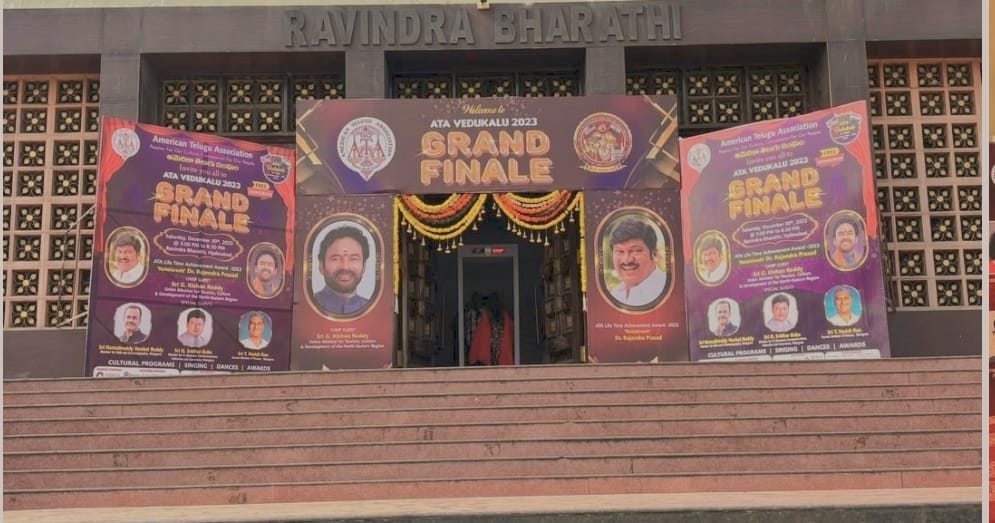
Furthermore, the operations of some associations in Telugu states have drawn criticism for prioritizing event management over community welfare. Instead of addressing local challenges or supporting grassroots development, these organizations often divert resources toward elaborate programs that offer limited value to the broader community. This approach not only undermines the associations’ mission but also erodes their standing among local populations.
The path forward requires introspection and realignment. Telugu associations must revisit their founding principles and prioritize initiatives that foster education, empowerment, and cultural preservation. Resources should be directed toward impactful projects like Telugu language classes, scholarships, and artist support, which leave a lasting legacy and honour the heritage of Telugu culture. Associations should also focus on addressing the unique challenges faced by NRIs, such as immigration issues and professional networking, creating a supportive ecosystem for their members.

Transparency and accountability are critical to restoring trust. Members must demand greater oversight of financial management and ensure that expenditures align with the organization’s mission. Collaborations with local governments and institutions in India can further enhance the effectiveness of their initiatives, creating mutually beneficial outcomes for NRIs and local communities alike.
Telugu associations in America have a rich legacy and an incredible opportunity to shape the future. By shifting their focus from superficial displays to meaningful community-driven projects, they can uphold the values they were founded upon and rekindle the spirit of togetherness. It is time to prioritize substance over spectacle, ensuring that their efforts leave a lasting impact for generations to come.
visit arjasrikanth.in or @DrArjasreekanth for more insights
 SOCIAL PERSPECTIVES