
From Silent Scooters to Powerful Electric Cars, India’s Journey to a Green, Clean, and Electrified Tomorrow
Picture a bustling Indian street in 2030. Electric scooters whiz past, silent electric cars glide smoothly, and pedestrians pause at sleek charging stations scattered across the urban sprawl. The cacophony of honking petrol and diesel vehicles has faded into the past. This isn’t science fiction; it’s the ambitious electric vehicle (EV) future India envisions. With the goal of making 30% of new vehicle sales electric by the end of the decade, India’s EV journey is already gaining momentum. But, like any transformative vision, it’s a road paved with obstacles, innovation, and sheer determination.
India’s electric vehicle market is witnessing a historic boom. Over 6 lakh electric two-wheelers (e2Ws) and three-wheelers (e3Ws) were sold under the PM E-Drive scheme in 2023, cementing India’s position as the second-largest market for electric two-wheelers and the largest for three-wheelers globally. The fiscal year 2023 alone saw over 1 million EV sales, driven by local manufacturing and favourable policy incentives. In Delhi, a revolution in electric buses is underway, with the city recently adding 350 electric buses to its fleet, aiming to have 8,000 by 2025, which would form 80% of its bus fleet.
Between October 2023 and September 2024, India achieved 18 lakh EV sales, a figure projected to reach 16 million annually by 2030. While two-wheelers dominate, accounting for 50% of EV sales, electric cars make up a smaller but growing share, standing at 5%. Cars like the Tata Nexon EV and innovations like the Pravaig MK1 show that India is fast gaining ground in the EV market. With falling battery costs and capable leadership, India is charging toward a greener, cleaner future.

The electric revolution in India began nearly a decade ago with early government initiatives like the Faster Adoption and Manufacturing of Hybrid and Electric Vehicles (FAME) scheme, which offered subsidies to encourage EV adoption. The momentum only accelerated from there, with the environmental benefits of EVs becoming increasingly apparent. With zero tailpipe emissions, EVs are a clean alternative in a country grappling with severe air pollution and climate change. Each EV on the road means fewer harmful pollutants in the air, making these vehicles not just an alternative mode of transport, but a catalyst for a healthier future.
The numbers reflect this positive shift. Electric vehicle sales in India surged by a remarkable 49.25% in 2023, reaching 1.52 million units. The market for electric two-wheelers and three-wheelers, particularly in the business-to-business (B2B) segment for last-mile deliveries, has also seen a significant rise. Industry estimates suggest that by 2025, EV sales could account for 20% of new car sales, climbing to 40% by 2030. This shift in consumer preference is evident, with the share of petrol vehicle sales dropping from 86% in 2020 to 76% in 2023, while diesel sales declined from 12% to 11%. As the cost of EVs becomes competitive with internal combustion engine (ICE) vehicles, this trend is likely to accelerate.
Despite this progress, the journey to a fully electrified India is not without its challenges. One of the largest hurdles remains the lack of charging infrastructure. To meet the 2030 goal, India will need between 5.6 and 5.8 million public charging units. Currently, the country’s charging network is sparse, with most stations offering only unidirectional charging. However, the expansion of bi-directional chargers, which would allow vehicles to feed electricity back into the grid, could revolutionize energy storage and distribution. This technological leap could turn every EV into a potential power bank, reducing grid stress and promoting energy efficiency.
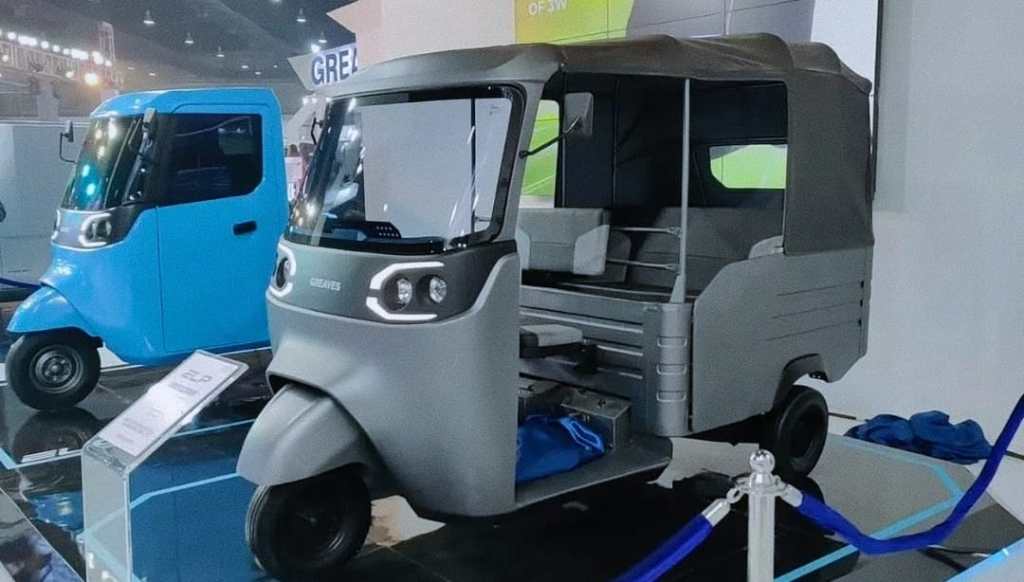
The government’s efforts to improve charging infrastructure are commendable. Plans are in place to develop dedicated EV corridors on highways, equipped with fast chargers at regular intervals. These stations will cater to electric two-wheelers, cars, and even e-trucks, effectively eliminating the fear of range anxiety that has deterred many potential EV buyers. This strategy is not just about increasing the number of chargers but ensuring their strategic placement and technological upgrades to accommodate the growing number of electric vehicles on the road.
Meanwhile, the variety and affordability of EVs available in India continue to expand. The MG Comet EV, India’s most affordable electric car, and the Tata Tiago EV, a budget-friendly hatchback for city commutes, are leading the charge. On the higher end, the Mahindra XUV400 offers an impressive 34.5 kWh battery with a range of up to 375 km. This broad spectrum of options caters to diverse customer needs, from budget-conscious buyers to those seeking premium performance. Furthermore, electric buses and e-rickshaws are transforming public and shared transportation, further strengthening the EV ecosystem.
Economic incentives for EV adoption are another driving force. Under Section 80EEB of the Income Tax Act, EV buyers can claim tax benefits of up to ₹1.5 lakh on the interest paid on loans for EV purchases. This, combined with falling battery prices and government efforts to boost domestic battery manufacturing, makes EV ownership more accessible than ever. The establishment of a lithium-ion battery factory in Gujarat is a game-changer, as it will reduce reliance on imports and lower production costs for manufacturers.

However, the environmental impact of manufacturing electric cars remains a topic of concern. The mining and refining of raw materials for batteries generates significant greenhouse gases. Yet, when considering the entire lifecycle of the vehicle—from production to disposal—EVs generate far fewer emissions than their petrol and diesel counterparts. Advances in battery recycling and the development of alternative technologies like hydrogen fuel cells could further reduce this environmental impact, offering hope for an even greener future.
Hydrogen fuel-cell vehicles (HFCVs) represent another promising frontier for India’s sustainable transportation goals. Unlike electric vehicles that rely on large batteries, HFCVs use hydrogen to generate electricity, with water vapor as the only by-product. Though still in the experimental phase, HFCVs could complement EVs, especially in long-distance and heavy-duty transport, where battery-powered vehicles currently face limitations.
Looking ahead, the future of India’s electric revolution is bright. By 2030, EV sales could skyrocket to 15.33 million units annually, with two-wheelers and three-wheelers driving much of this growth. Advances in battery technology will result in vehicles offering longer ranges and faster charging times, addressing two of the biggest concerns for consumers. Innovations in grid integration will further optimize charging, making it more affordable and efficient. Meanwhile, policy measures will continue to incentivize adoption, ensuring that EVs are accessible to all income groups.
Beyond technology and economics, the EV revolution is a cultural shift. It reimagines how India moves, from individual commutes to commercial logistics. Companies like JSW are leading the way in transitioning heavy vehicles to electric, setting a standard for others. Startups are exploring creative solutions like battery swapping, allowing users to exchange depleted batteries for fully charged ones in minutes, reducing downtime and making EVs more convenient.
However, achieving this vision requires unprecedented collaboration. Government bodies must work closely with private enterprises, investing in research and development while ensuring that regulations evolve with innovation. Public awareness campaigns are crucial in dispelling myths and educating consumers about the long-term benefits of EVs. Schools and colleges can also play a vital role in fostering environmental consciousness and promoting EV-related education to the next generation.
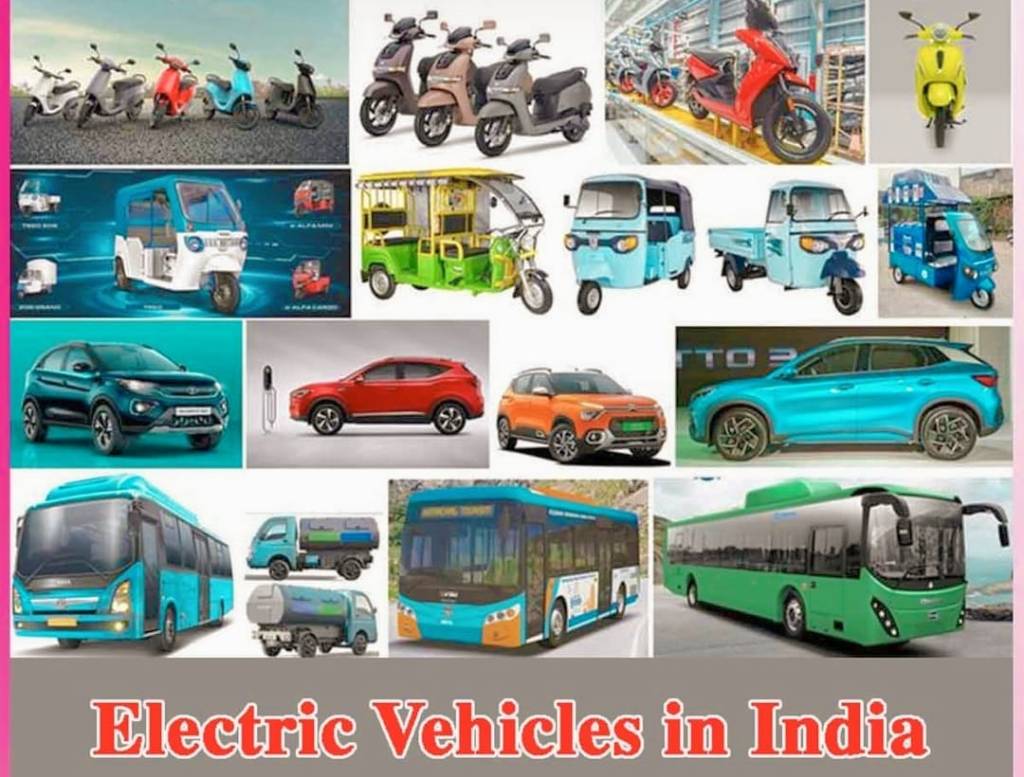
India’s electric journey is not just about hitting milestones; it’s about transforming lives. Cleaner air will lead to healthier communities, and reduced reliance on fossil fuels will improve energy security. As one of the world’s largest markets, India’s transition to electric mobility can serve as an inspiring example for other developing nations, proving that sustainability and economic growth can go hand in hand.
In conclusion, India’s electric future is an exciting journey of transformation. With ground-breaking technology, improved infrastructure, and supportive policies, India is charging ahead with optimism and ambition. The challenges are real, but so are the opportunities for innovation and growth. As electric vehicles take over Indian roads, they will not only reduce emissions but also reshape the nation’s identity, making a sustainable tomorrow a vibrant reality.
Visit arjasrikanth.in / @DrArjasreekanth for more insights
 SOCIAL PERSPECTIVES
One response to “Wired Wheels and Green Streets: India’s Electrifying Leap into 2030”
కొద్దిగా అలోచించండి. ఎలక్ట్రిక్ బైక్ ఖరీదు సుమారు 1.5 లక్షలు. ఇది ప్రభుత్వ సబ్సిడీ 50 వేలు కు అదనం. అంటే బైక్ ఖరీదు 2 లక్షలు. ఎలక్ట్రిక్ బండిలో పెట్రోల్ బైక్ కన్న ఇన్వెంటారి తక్కువ. పెట్రోల్ బైక్ లో ఇంజన్, క్లచ్, గేర్ ట్రైన్, స్టార్టింగ్ మోటార్ ఉంటవి. అయినాకూడా పెట్రోల్ బైక్ 80 వేల రూపాయల నుండి అందు బాటులో వుంది.. మరి ఎలక్ట్రిక్ బైక్ ఖరీదు ఎందుకు ఎక్కువ? అప్పనంగా ప్రభుత్వ సబ్సిడీలు కంపెనీలు దోచుకుంటున్నారు.
ఇకపోతే వినియోగదారు రెట్టింపు వ్యయం తో ఈ బండి కొనాలి. ఆ అధిక మొత్తం 80 వేల రూపాయల నెలసరి వడ్డీ/ మొత్తం తో పెట్రోలు బైక్ జీవిత కాలం ఉచితంగా పొందచ్చు.
ఎలక్ట్రిక్ బైక్ కు 2 నుండి 3 సంవత్సరాలలో కొత్త బ్యాటరీ కొనాలి, దాని ఖరీదు బండి ఖరీదు లో 70%, అంటే లక్ష రూపాయలు. అంతే ఈ బైక్ ఫిక్స్డ్ మైంటెనన్స్ ప్రతి 3 సంవత్సరాలకు లక్ష, మిగతా రిపేర్లు షెడ్యూల్ మైంటేనన్స్లు అదనం. మనము పెట్రోల్ బండి మీద ఏమి ఖర్చు పెడుతున్నాo? (నా కే బరాబర్).
ఇకపోతే పెట్రోల్ కొనే విదేశీ మారక ద్రవ్యాన్ని అదా చెయ్యటానికి ఎలక్ట్రిక్ వెహికల్ అనే ప్రచారం జరుగుతోంది. ఈ ఎలక్ట్రిక్ బైక్ తయారీకి లక్ష రూపాయల బ్యాటరీ విదేశీ మారకం లోనే కదా కొంటున్నాము. అదికూడా upfront (ఇప్పుడే). ఇదే పెట్రోల్ విషయానికి వస్తె, దాని మీద ఖర్చు చాలా తక్కువ అదికూడా నెలకు వినియోగ దారుడికి 600 రూపాయలు దానిలో ప్రభుత్వానికి 300 రూపాయలకు సమనమైన విదేశీ మారకం మాత్రమే.
ఇకపోతే కరెంట్ కు ఖర్చు అవ్వదా, వచ్చే పది సంవత్సరాలలో ఇదే యూనిట్ రేట్ వుంటుందా ? మీ బైక్ కు 15 సంవత్సరాలు. అంటె మీరు కొన్నప్పుడు ఎలక్ట్రిక్ బైక్ వుండి, కొని వుంటే ఇప్పటివరకు 7 సార్లు 80 వేల రూపాయలు పెట్టి బ్యాటరీ కొనవలసి వచ్చేది అన్నమాట. మీ పెట్రోల్ బండికి ఇప్పటి వరకు ఏమి ఖర్చు చేశారు?
ఈ ఎలక్ట్రిక్ బైక్ వల్ల వినియోగదారునికి ప్రభుత్వానికి కూడా తీవ్ర నష్టం. ప్రభుత్వ సబ్సిడీలు పెట్రోల్ నుండి ఎలక్ట్రిక్ కు షిఫ్ట్ అవుతున్న వినియోగదారుని ఖర్చులో కొంత భారం తగ్గించేలా వుండాలి. కానీ వినియోగదారుడు రెట్టింపు పెట్టుబడి, భరించలేని నిర్వహణ వ్యయానికి గురి అవుతున్నారు. కంపెనీలు సబ్సిడీలు మింగుతున్నయి.
ఇకపోతే 40 km దాటి ప్రయనించ గలమా? వేరే చోటుకు తీసుకు వెళ్ళే అవకాశము వుందా ? పెట్రోలు బండిలో ప్రయాణానికి లిమిట్ ఏమన్నా ఉందా?
ఇకపోతే కొద్దిగా సేఫ్టీ రిలేటెడ్ ఇన్సిడెంట్లు, బ్యాటరీ పెలిపోవడం వంటివి కూడా ఎలక్ట్రిక్ బైక్ ల లో జరిగాయి.
కొనేవాడికి, టెక్నాలజీకి కాదు ఎకనామిక్స్ ముఖ్యం.
LikeLike