
Amaravati: The Dream City That Could Be, But Is Stuck in a Development Mirage
Amaravati, envisioned as the shining jewel of Andhra Pradesh, stands at the cusp of transformation, striving to reclaim its grandeur after a tumultuous decade. A dream to build a greenfield economic hub, Amaravati’s journey has been riddled with political storms, delays, and infrastructural bottlenecks. Yet, 2025 brings a renewed hope, with Chief Minister Nara Chandrababu Naidu determined to relaunch the capital’s development under his visionary leadership.
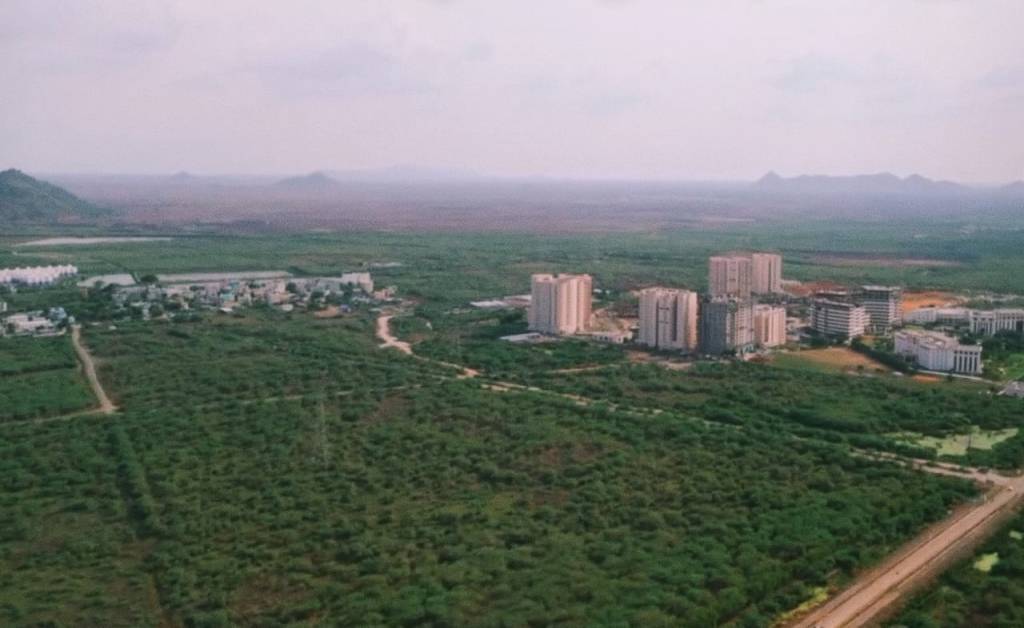
Amaravati’s potential to become a world-class capital is undeniable, but its struggles have been equally monumental. Over the last ten years, this ambitious project has faced hurdles ranging from political uncertainties to basic infrastructural gaps. Creating a greenfield capital is no easy feat—it requires meticulous planning, robust investment, and a commitment to inclusivity. Naidu’s administration, armed with the approval of ₹24,276.83 crore for foundational works, aims to tackle these challenges head-on, promising a three-year timeline to achieve the vision of Amaravati 2.0.
One of Amaravati’s most daunting obstacles has been attracting investment. High land costs, local resistance, and the absence of streamlined processes have deterred global and domestic investors alike. The perception of Amaravati as a “government colony” rather than a dynamic urban hub has further compounded the issue. Naidu’s administration recognizes this critical gap and has placed strategic emphasis on fostering a more inclusive and investor-friendly ecosystem.

The recent approval of an $800 million loan from the World Bank marks a significant turning point. This funding, under the Amaravati Integrated Urban Development Programme, promises to breathe new life into the capital’s ambitions. Beyond financial support, the World Bank brings global expertise to address Amaravati’s urban planning challenges, with a focus on sustainability and inclusivity. The loan, coupled with the Asian Development Bank’s collaboration, underscores a renewed global confidence in Amaravati’s potential.
A key focus of this renewed push is the creation of infrastructure that resonates with the aspirations of a thriving metropolis. From clearing 23,429 acres of jungle to planning a network of 16 east-west and 18 north-south roads across the capital’s core, the blueprint for Amaravati is bold and transformative. Land allotments to institutions like BITS Pilani, XLRI, and the Reserve Bank of India signal the government’s commitment to making Amaravati a hub of education, commerce, and governance.
Despite these steps forward, the real challenge lies in execution. The promise of world-class infrastructure, such as housing for government employees, flood mitigation systems, and extensive road networks, hinges on meticulous planning and accountability. Amaravati’s development cannot afford further delays; every tender, every project must align with the overarching vision of creating a sustainable, inclusive urban centre.
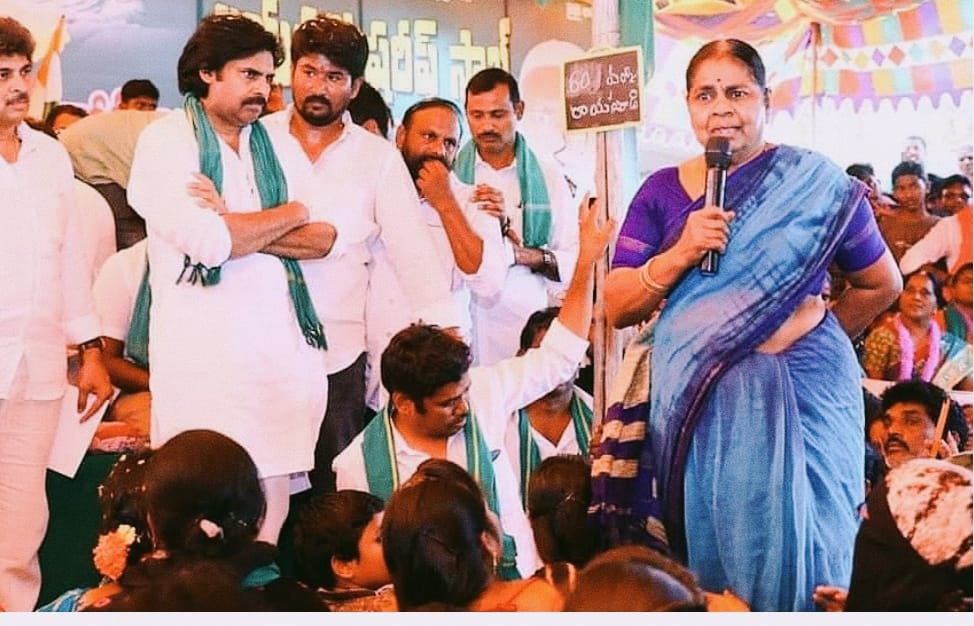
The involvement of the local community and stakeholders is paramount. Without their participation, Amaravati risks becoming a city of hollow promises rather than a beacon of progress. The government must actively engage with residents, ensuring they see the tangible benefits of this development. Collaborative planning, transparency in processes, and incentives for local businesses are essential to fostering a sense of ownership and pride among Amaravati’s people.
Moreover, innovation must drive Amaravati’s resurgence. By nurturing entrepreneurship and creating platforms for startups, the city can position itself as a magnet for talent and investment. This approach will not only stimulate economic growth but also infuse the city with a spirit of dynamism and creativity.
The year 2025 symbolizes a fresh start for Amaravati. With tenders set to roll out from the New Year through Sankranti, the vision of Amaravati 2.0 is finally taking shape. Naidu’s commitment to finishing what he began is evident in his decisive actions—from appointing IIT teams to assess structural integrity to securing international funding. The stakes are high, but so is the resolve to turn Amaravati into a global exemplar of urban development.

Amaravati’s journey reflects the challenges and opportunities of ambitious projects worldwide. As a city built from scratch, it has faced its share of storms, but these trials also present an opportunity to rebuild stronger, smarter, and more resilient. The lessons from its first decade of struggle can guide Amaravati towards becoming not just a functional capital but a symbol of hope and progress for Andhra Pradesh and beyond.
Amaravati’s revival in 2025 is more than a developmental milestone; it is a testament to resilience, vision, and the collective will to succeed. From political upheavals to infrastructural setbacks, the city has endured challenges that would test any great vision. Yet, the renewed push under Amaravati 2.0 brings a promise of transformation.
This is not just about roads, buildings, and investments—it is about creating a thriving community that embodies the aspirations of Andhra Pradesh. Amaravati has the potential to lead India’s urban transformation, setting benchmarks for sustainability, inclusivity, and innovation.
The year 2025 could indeed be the beginning of a new light for Amaravati, where dreams are no longer deferred but realized. With a clear roadmap, collaborative spirit, and unyielding resolve, Amaravati can rise from the ashes to become the world-class capital it was always meant to be.
Visit arjasrikanth.in / @DrArjasreekanth for more insights
 SOCIAL PERSPECTIVES