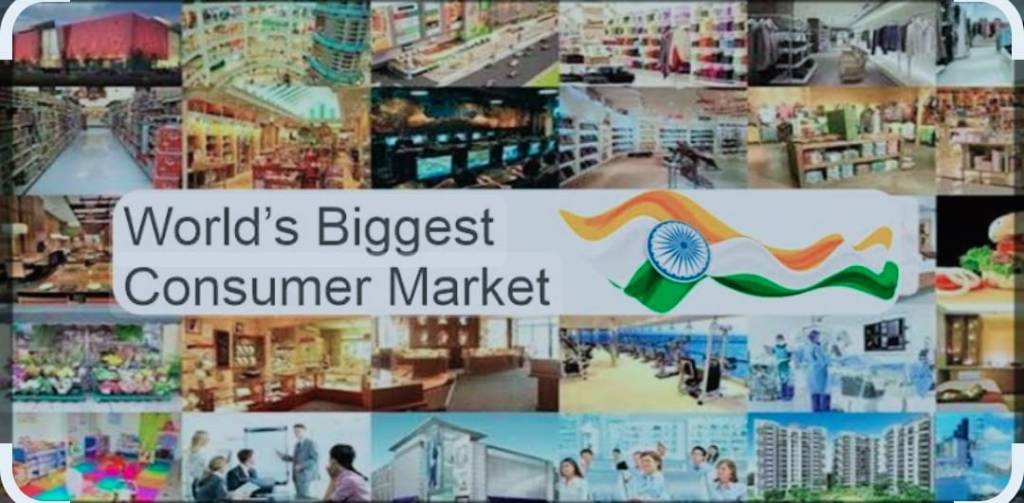
“Indian Families Are Balancing Tradition, Trends, and Transformation in a Rapidly Changing Economy”
Think back to a decade ago—how did your family allocate its budget? Comparing then and now unveils not only changes in personal finance but also a deeper transformation in Indian society. Today, households are navigating a rapidly evolving economic landscape shaped by rising incomes, shifting priorities, and global disruptions like the COVID-19 pandemic. The Ministry of Statistics and Program Implementation offers insights from 2012 to 2023 that illuminate these changes, revealing how the average Indian family spends its money today.
The past decade has marked a significant shift in household spending patterns, with a noticeable pivot toward non-food items such as healthcare, education, and transportation. This trend aligns with a transition toward a service-oriented economy, as reflected in the Household Consumption Expenditure Survey (HCES). While overall per capita monthly household expenditure has risen, food’s share as a percentage of total spending has steadily declined, mirroring Engel’s Law—the principle that as incomes rise, the proportion of income spent on food falls.
Yet, the application of Engel’s Law in India reveals some surprising nuances. Indian households have consistently allocated 28% to 32% of their budgets to food over the past decade, contrasting sharply with countries like the US or UK, where food’s share has progressively declined. This deviation from the norm reflects India’s uneven income growth. While per capita GDP has risen, wealth has largely concentrated within the top 10% of earners. For many households, food remains a substantial expense, and stagnant nominal wages, growing at just 2.2% between 2017 and 2023, have compelled families to add earning members to sustain their budgets. Consequently, household incomes have risen marginally by 5.7%, barely keeping pace with inflation and the rising cost of living.
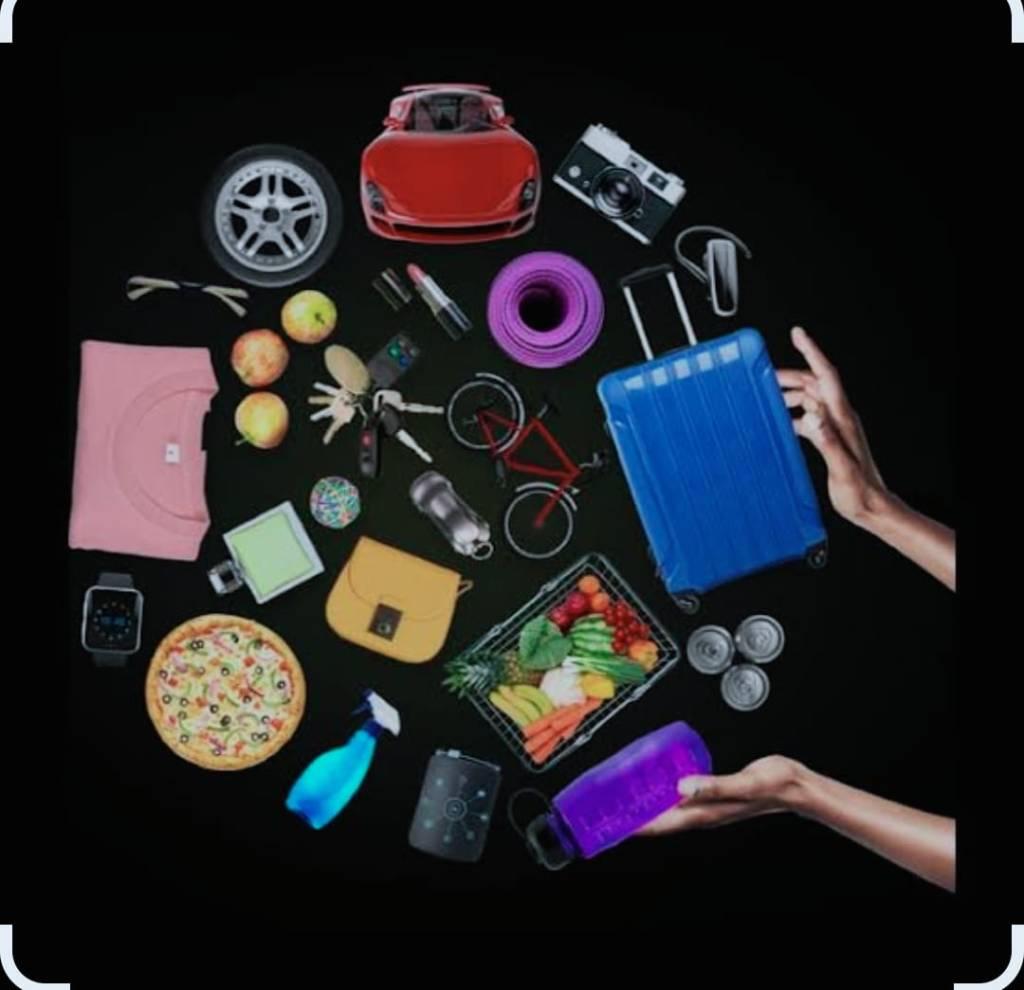
Diving deeper into food spending reveals evolving dietary preferences. Protein-rich foods such as meat, fish, and seafood are becoming staples, while cereals and pulses are seeing reduced emphasis. Spending on sugary items like confectionery and jams has decreased from 4.95% to 3.05%, signaling a shift toward health-conscious consumption. However, this reduction doesn’t fully account for junk food and processed snacks consumed outside the home, which continue to contribute to India’s growing diabetes burden. Public health initiatives and a robust public distribution system have played a role in these dietary shifts, allowing households to focus more on nutrition-rich foods by subsidizing essential staples.
Interestingly, indulgences such as alcohol and tobacco have seen only modest spending increases, with alcohol rising by 7% and tobacco by 5.5%, compared to overall household expense growth of 11.5%. This restrained growth reflects changing societal attitudes, particularly during the pandemic, where alcohol became more normalized for home consumption, while tobacco faced heightened scrutiny due to health concerns.
Beyond food, the story of household spending growth extends to services and manufactured goods. Healthcare and education now claim a more significant share of family budgets, underscoring a shift in priorities toward investments in health and learning. Transportation, communication, and recreation spending have also surged, reflecting changing values as families prioritize experiences over material possessions. Urban areas have witnessed a particularly pronounced transition, driven by higher incomes and increased urbanization.
The pandemic also left its mark on household spending habits. For instance, the footwear industry suffered during lockdowns, but demand has rebounded as companies pivot toward premium and leisure-focused offerings. Similarly, the adoption of cleaner cooking fuels like LPG has risen, aided by initiatives like the Pradhan Mantri Ujjwala Yojana, which have helped phase out traditional fuels such as firewood and charcoal. This transition improves living standards and environmental sustainability, highlighting how policy interventions can shape household behavior.
The automobile sector, too, experienced a sharp revival post-pandemic, with vehicle sales surging after years of stagnation. This rebound signals pent-up demand as consumers seek personal mobility solutions. Meanwhile, non-essential goods like entertainment and personal care are witnessing gradual recovery as consumer confidence grows.
One of the most striking developments in recent years is the dramatic rise in household insurance spending, which has outpaced growth in other categories. The pandemic was a wake-up call for many families, transforming insurance from a tax-saving tool to a vital safeguard against financial uncertainty. This shift highlights an evolving understanding of financial security, where households are prioritizing preparedness over discretionary spending.
While the data paints a broad picture, anecdotal experiences reveal additional layers of complexity. The pandemic catalysed many changes, reshaping household priorities and accelerating trends that were already in motion. For instance, digital connectivity became indispensable, prompting families to invest more in communication tools and services. Meanwhile, education spending increased not just for traditional schooling but also for online learning platforms and resources.

In conclusion, the evolution of household spending in India over the past decade tells a compelling story of resilience, adaptation, and transformation. As families navigate the intersection of rising incomes, changing priorities, and global challenges, their spending reflects a shift toward health, education, and financial security. Food may still claim a significant share of the budget, but the broader landscape of household consumption is undergoing a profound transition. Indian households are redefining their values and aspirations in an increasingly interconnected world, carving a path that balances tradition with modernity, necessity with aspiration, and security with opportunity. The story of this transformation is a testament to the adaptability of Indian families as they embrace a future shaped by growth, innovation, and evolving societal norms.
Visit arjasrikanth.in / @DrArjasreekanth for more insights
 SOCIAL PERSPECTIVES