
Revolutionizing Travel, Accelerating Economies, and Paving the Way for a Sustainable Tomorrow
As India moves towards 2025, the nation’s transportation landscape is undergoing a dramatic transformation, led by the revitalization of its railway network. A shining example of this transformation is the Vande Bharat Express, a symbol of India’s growing technological capabilities and self-reliance. These high-speed, air-conditioned trains, which were first launched in 2019 under the ‘Make in India’ initiative, are revolutionizing the way people travel across the country. With their seamless blend of speed, comfort, and convenience, the Vande Bharat trains are setting new standards in rail travel, offering a glimpse into a more modern, efficient, and sustainable future for Indian transportation.
The Vande Bharat Express is a semi-high-speed train designed to offer a much faster and more comfortable travel experience compared to traditional trains. It is capable of reaching speeds up to 160 km/h in regular service, with the ability to touch 183 km/h during trials. The trains are primarily intended for medium-distance travel, connecting cities that are less than 800 km apart. Built at the Integral Coach Factory in Chennai, the Vande Bharat trains are engineered with advanced technologies, including electric propulsion and a host of modern amenities like automatic doors, bio-vacuum toilets, and CCTV systems for added passenger security. These features mark a significant step forward in modernizing India’s ageing rail infrastructure.

Historically, India’s railway system had seen limited advancements in speed, with older trains such as the Rajdhani and Shatabdi Express reaching speeds of just 120 km/h and 130 km/h, respectively. However, as the demand for faster trains grew, the government began focusing on developing semi-high-speed services. The Vande Bharat Express was born from these efforts, initially named Train 18 before being rebranded. The train’s introduction in 2019 was a milestone, significantly reducing travel times on the New Delhi to Varanasi route by 15%. By 2023, Vande Bharat trains started replacing older Shatabdi services, marking the beginning of a more streamlined and efficient rail network. The government has ambitious plans to deploy over 4,500 Vande Bharat trains by 2047, underscoring the importance of these trains in India’s transportation future.
A significant feature of the Vande Bharat trains is their energy-efficient electric traction system, which helps to reduce the environmental impact of rail travel. As India strives to meet its climate goals, the adoption of such sustainable technologies plays a key role in reducing greenhouse gas emissions from the transport sector. These energy-efficient designs are part of India’s larger commitment to modernization while maintaining a focus on environmental responsibility. The Vande Bharat trains are not just a mode of transport; they are an integral part of the country’s push towards a greener, more sustainable future.
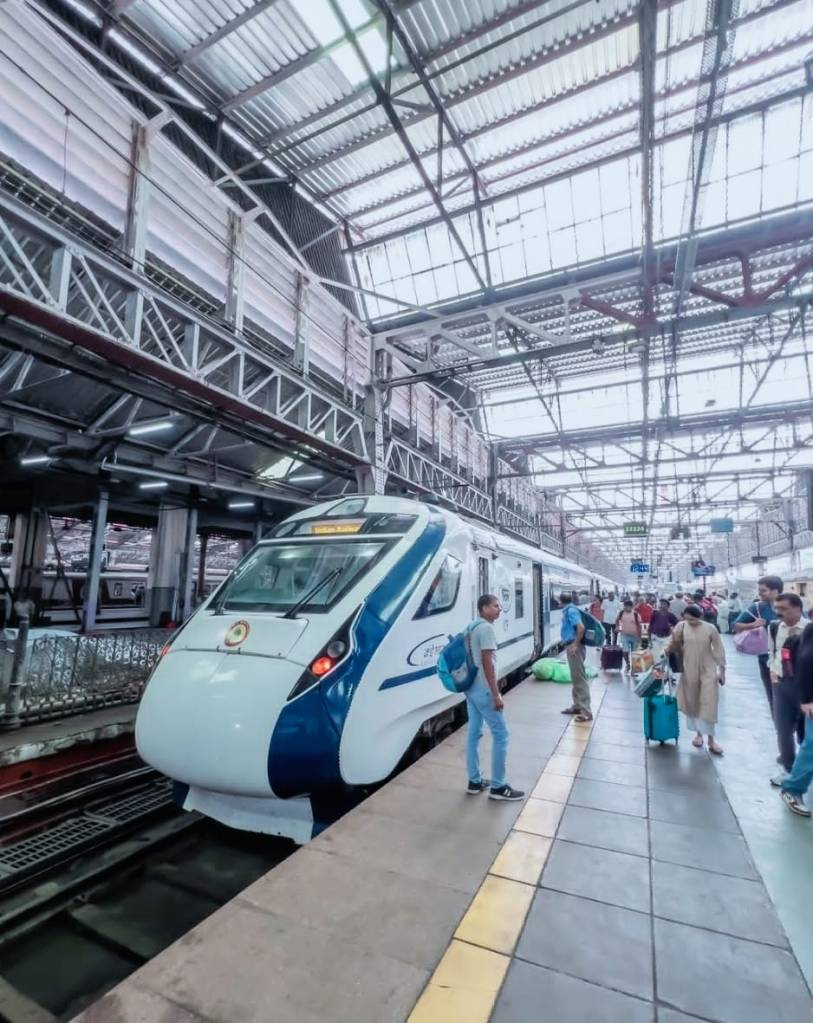
Beyond their environmental benefits, the Vande Bharat trains are boosting various sectors of the economy, most notably real estate and tourism. The creation of high-speed rail corridors has sparked an increase in property development along key routes. Cities and towns connected by Vande Bharat Express are seeing an influx of investments, as improved connectivity makes these areas more attractive for businesses and residents. Areas such as New Delhi, Ahmedabad, and Varanasi are now becoming thriving economic hubs, with new residential, commercial, and retail spaces being developed.
The tourism sector has also been significantly impacted by the introduction of the Vande Bharat trains. By connecting previously hard-to-reach destinations with major urban centres, these trains have made it easier for tourists to explore different parts of India. Travelers can now visit multiple locations in a single trip, creating a boom in the hospitality industry. Hotels, resorts, and other tourism-related services are witnessing increased demand, contributing to the economic growth of regions along the train routes. This expansion of tourism opportunities helps to generate new employment and business opportunities, further driving local economic development.
The Vande Bharat trains are also setting the stage for even more ambitious projects in the future. One of the most significant of these is the Mumbai-Ahmedabad high-speed rail corridor, India’s first bullet train route. This 508-kilometer stretch, capable of operating at speeds of up to 320 km/h, marks India’s entry into the high-speed rail market. With plans to develop other corridors such as Delhi-Varanasi, Delhi-Amritsar, and Mumbai-Nagpur, India is poised to revolutionize domestic travel, cutting travel times dramatically while improving the connectivity between major cities and industrial centres. These developments are not just about improving transportation; they are key drivers of economic growth and development in the country.
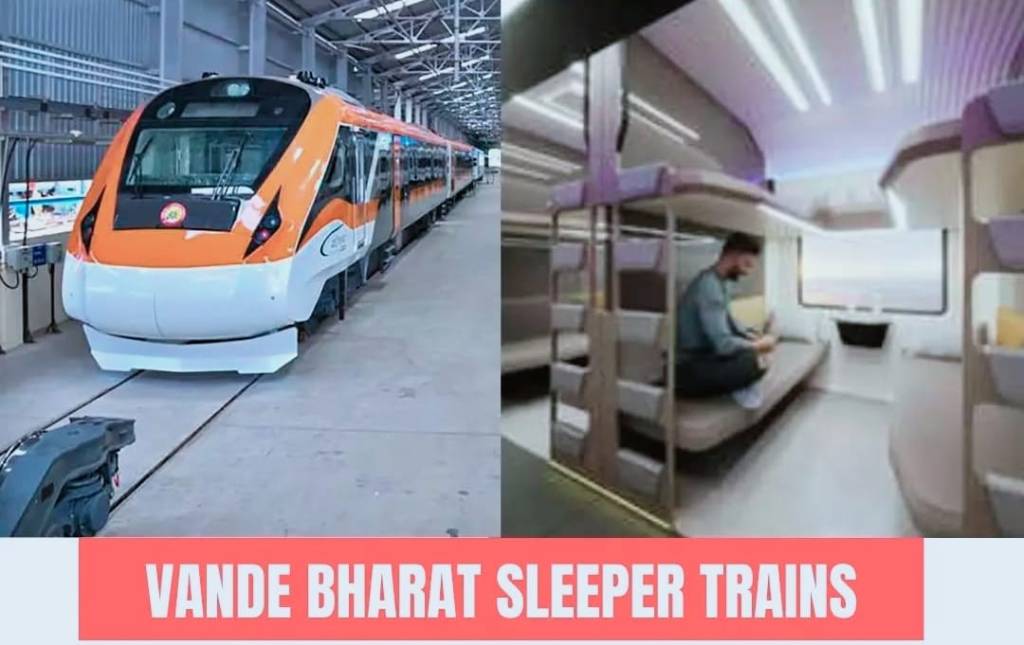
In addition to the high-speed rail corridors, the introduction of Vande Bharat sleeper trains is set to further transform the travel experience. Scheduled to launch in early 2025, the sleeper trains will offer a luxurious and comfortable overnight travel option, with the first service expected to connect Delhi to Srinagar. Passengers will be able to enjoy a restful journey through some of India’s most scenic landscapes, including the world-famous Chenab Bridge. These sleeper trains are designed to offer the highest levels of comfort, with modern amenities and ergonomic seating arrangements, making overnight travel not only possible but also enjoyable.
The Vande Bharat trains are also notable for their technological innovations. For instance, they are the first trains in India to operate without a locomotive, relying instead on electric multiple units for more efficient operation. The trains are equipped with state-of-the-art passenger information systems, Wi-Fi connectivity, and modern toilets. Their sleek, aerodynamic designs reduce drag, making the trains more fuel-efficient while also enhancing the aesthetic appeal of the rail network. This focus on passenger comfort and technological innovation has earned the Vande Bharat Express a reputation as one of the most advanced train services in the world.

In conclusion, the Vande Bharat trains are a significant leap forward for Indian Railways, bringing speed, comfort, and sustainability to the forefront of travel in India. They are a testament to India’s growing capabilities in manufacturing and technology and are set to play a pivotal role in reshaping the country’s transportation landscape. The ripple effects of these trains extend far beyond railways, benefiting industries like real estate, tourism, and environmental sustainability. As the network expands, the Vande Bharat trains will continue to revolutionize the way people travel, work, and connect, contributing to India’s growth and development well into the future.
Visit arjasrikanth.in/@DrArjasreekanth for more insights
 SOCIAL PERSPECTIVES
One response to “Vande Bharat: India’s High-Speed Train to the Future”
[…] https://arjasrikanth.in/2024/12/19/vande-bharat-indias-high-speed-train-to-the-future/ […]
LikeLike