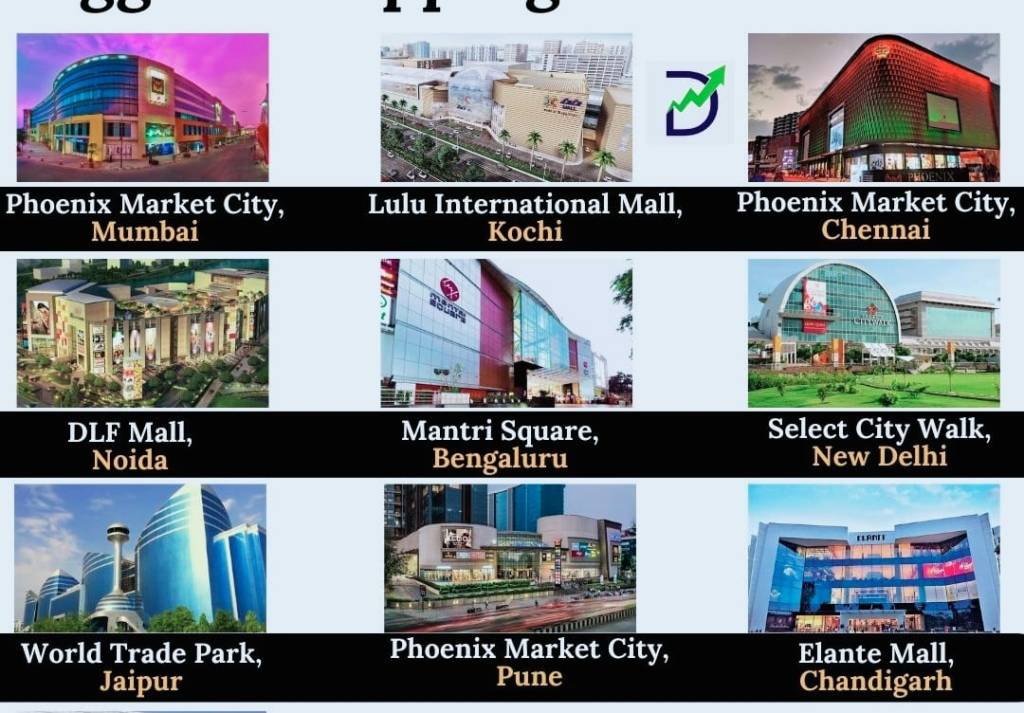
Retail Rewired: From Bustling Bazaars to Digital Doldrums
Shopping malls in India, once symbols of urban sophistication, have evolved significantly, reflecting shifts in consumer behavior, technological advances, and economic changes. As of April 2024, India is home to over 500 shopping malls, with the top eight cities—Ahmedabad, Bengaluru, Chennai, Hyderabad, Kolkata, Mumbai, NCR, and Pune—accounting for around 50% of the total. These malls play a crucial role in the economy, generating substantial revenue from retail sales, rent, and boosting real estate development, job creation, and local businesses. The market value of shopping malls in India is projected to reach USD 39 billion by FY 2028, with retail sales growing at a CAGR of 29%. However, the rise of e-commerce, changing consumer preferences, and the emergence of “ghost malls”—estimated at Rs 6,700 crore—pose challenges. Despite these hurdles, the Indian mall market is expected to attract over Rs 20,000 crore in investments over the next few years, supporting further growth and development in the sector.
The emergence of malls in India marked the dawn of a new era in retail. In the late 1990s, they became aspirational landmarks that epitomized modern shopping experiences. These spaces catered to a rising urban middle class, offering a curated blend of international and local brands, entertainment zones, and dining options. By the early 2000s, malls had become cultural and social epicentres, where families, teenagers, and professionals gathered under the promise of convenience and luxury. Their air-conditioned corridors, glitzy storefronts, and global food chains represented a striking contrast to the traditional street markets and bazaars.
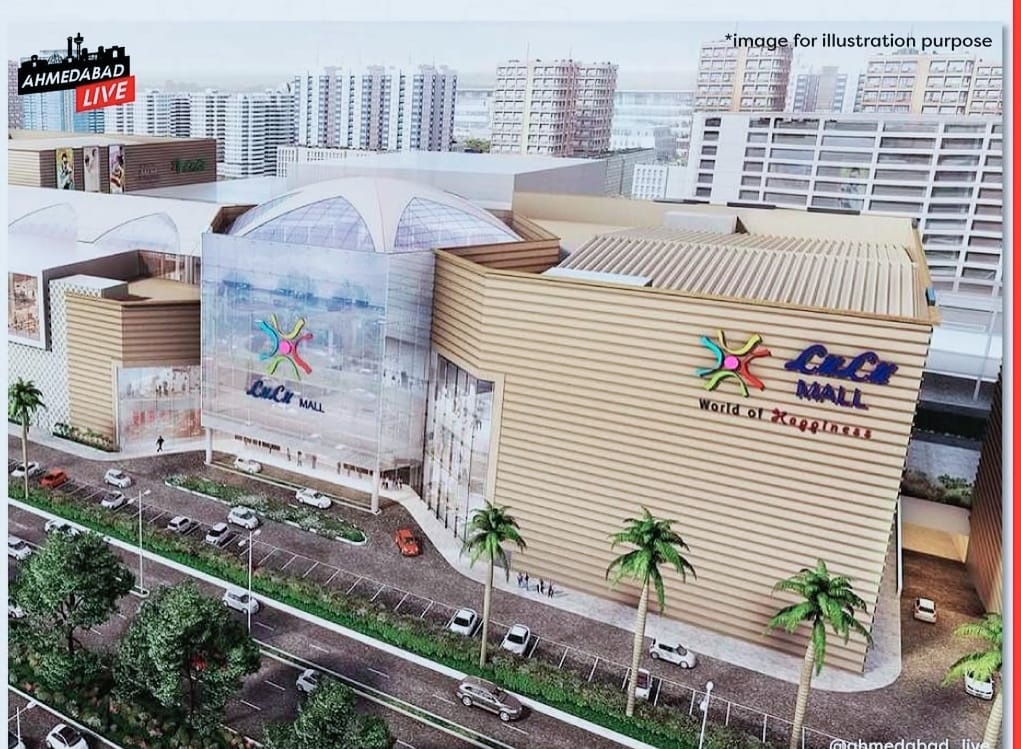
For years, malls thrived on their promise of a holistic experience, combining shopping, dining, and entertainment into a single destination. Multiplex cinemas and expansive food courts ensured that visits became more than transactional—mall outings were social events. Yet, as with all trends, the golden age of malls was not to last indefinitely. The winds of change began to blow with the advent of e-commerce, which disrupted traditional retail models by offering unmatched convenience and competitive pricing.
E-commerce marked a seismic shift in shopping habits. It eliminated the need to brave traffic, search for parking, or navigate crowded stores. Instead, shoppers could browse vast catalogues, compare prices, and make purchases from the comfort of their homes. With aggressive discounts, diverse product offerings, and speedy deliveries, platforms like Amazon and Flipkart revolutionized consumer behavior. The allure of e-commerce was undeniable, and as online shopping surged, malls began to feel the pinch. The impact was particularly severe on smaller, less strategically located malls that struggled to attract tenants or maintain foot traffic. Vacancy rates soared, and the phenomenon of “ghost malls” took root—sprawling complexes abandoned by retailers and shunned by shoppers.
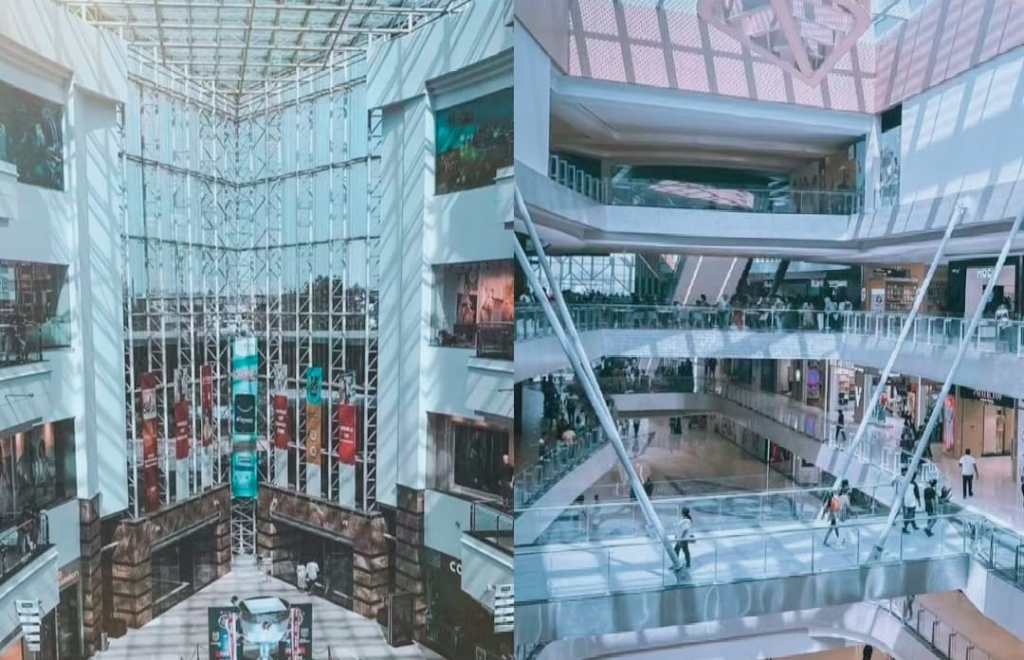
However, e-commerce was only one piece of the puzzle. Poorly planned infrastructure, unappealing locations, and inadequate foresight during the construction boom of the 2000s further contributed to the decline of many malls. Maintenance issues, weak management, and lack of innovation compounded their woes. Larger malls fared better by drawing crowds with diversified offerings, but many smaller establishments faced a steady erosion of relevance. The economic downturns of the 2000s exacerbated this decline as discretionary spending dipped.
The COVID-19 pandemic delivered a devastating blow. With lockdowns and health concerns keeping people indoors, malls saw foot traffic drop to unprecedented lows. Even iconic shopping centres struggled, as retailers shuttered stores permanently and multiplex chains faced a nosedive in patronage. For many malls, the pandemic’s ripple effects turned an already precarious situation into a full-blown crisis.
In the face of adversity, malls began to adapt. The modern consumer’s expectations had shifted—malls were no longer viewed solely as shopping destinations but as spaces for curated, immersive experiences. The rise of “smart malls” sought to meet these evolving demands, blending technology with retail to enhance customer engagement. Digital integration became a cornerstone of survival, with malls leveraging augmented and virtual reality to enrich the shopping journey. Virtual consultations bridged the gap between physical and online retail, while features like endless aisles—allowing customers to order unavailable items for delivery—combined the tactile appeal of in-store shopping with the convenience of e-commerce.
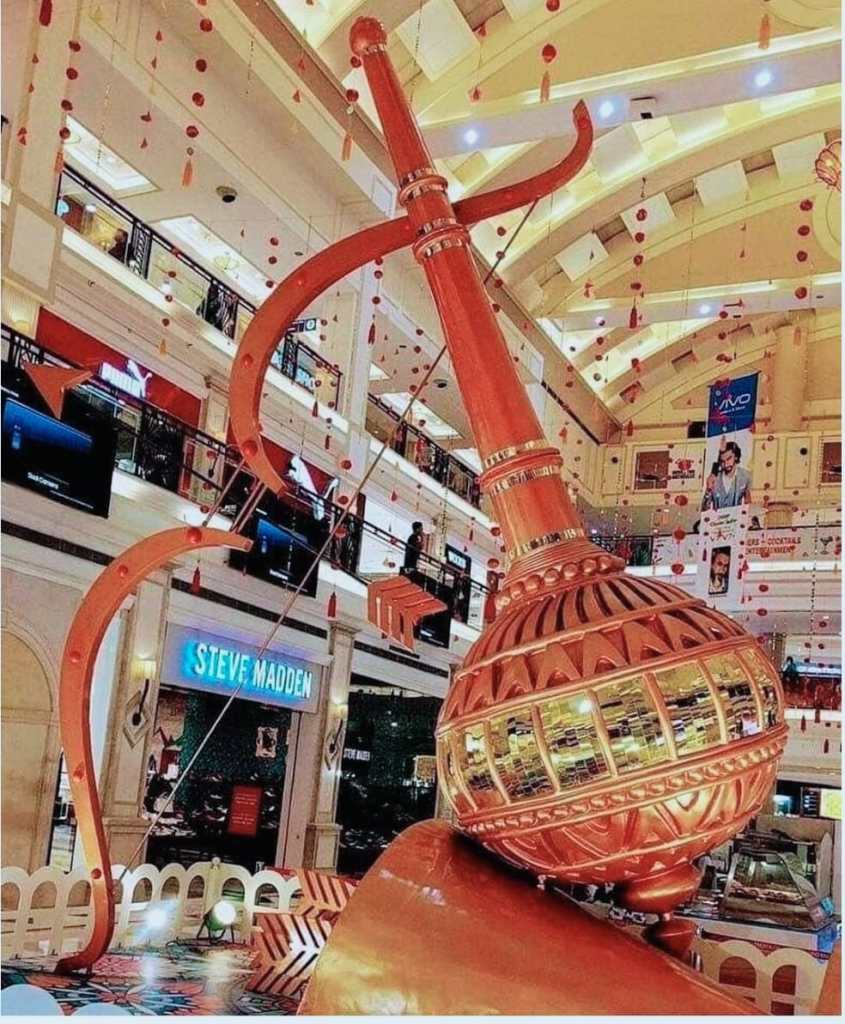
To lure back visitors, malls began repositioning themselves as lifestyle destinations. The focus expanded beyond retail to include attractions such as gaming zones, live events, fitness canters, and cultural exhibitions. The aim was clear: provide experiences that could not be replicated online. Curating a unique retail mix became another strategy, with malls partnering with niche brands and local artisans to offer exclusive products. This tapped into the growing consumer demand for uniqueness and personalization, providing a compelling reason to visit in person.
Operational innovation has also been a key factor in the revival of malls. Contactless payments, curbside pickups, and appointment-based shopping cater to safety-conscious customers, while pop-up stores allow brands to experiment with creative concepts and engage with consumers in dynamic ways. Features like “Buy Online, Pick Up In-Store” (BOPIS) and “Buy Online, Return In-Store” (BORIS) bridge the gap between online and offline retail, delivering the best of both worlds.
Interestingly, the mall culture is finding new life in smaller cities. In Tier II and III urban centres, malls are seen as aspirational spaces that offer a taste of cosmopolitan lifestyles. Here, they thrive as hybrid models blending traditional retail with contemporary design, tailored to local sensibilities. For these communities, malls are not just shopping hubs but also symbols of progress and modernity.

Looking ahead, the future of malls lies in embracing a hybrid retail model that merges digital and physical experiences seamlessly. Omnichannel strategies, where customers transition fluidly between online platforms and physical stores, will be pivotal. Developers are exploring innovative concepts like outlet shopping centres and entertainment-driven malls that prioritize leisure and social interaction. These reimagined spaces aim to transform malls into vibrant community hubs, transcending their original purpose as purely retail venues.
Optimism for the sector persists. According to projections, the supply of commercial retail space in India is set to grow significantly over the next few years, reflecting renewed confidence in the adaptability of the mall format. This resurgence is fuelled by a recognition that while e-commerce is a formidable force, it cannot fully replicate the tactile and social aspects of the physical shopping experience.
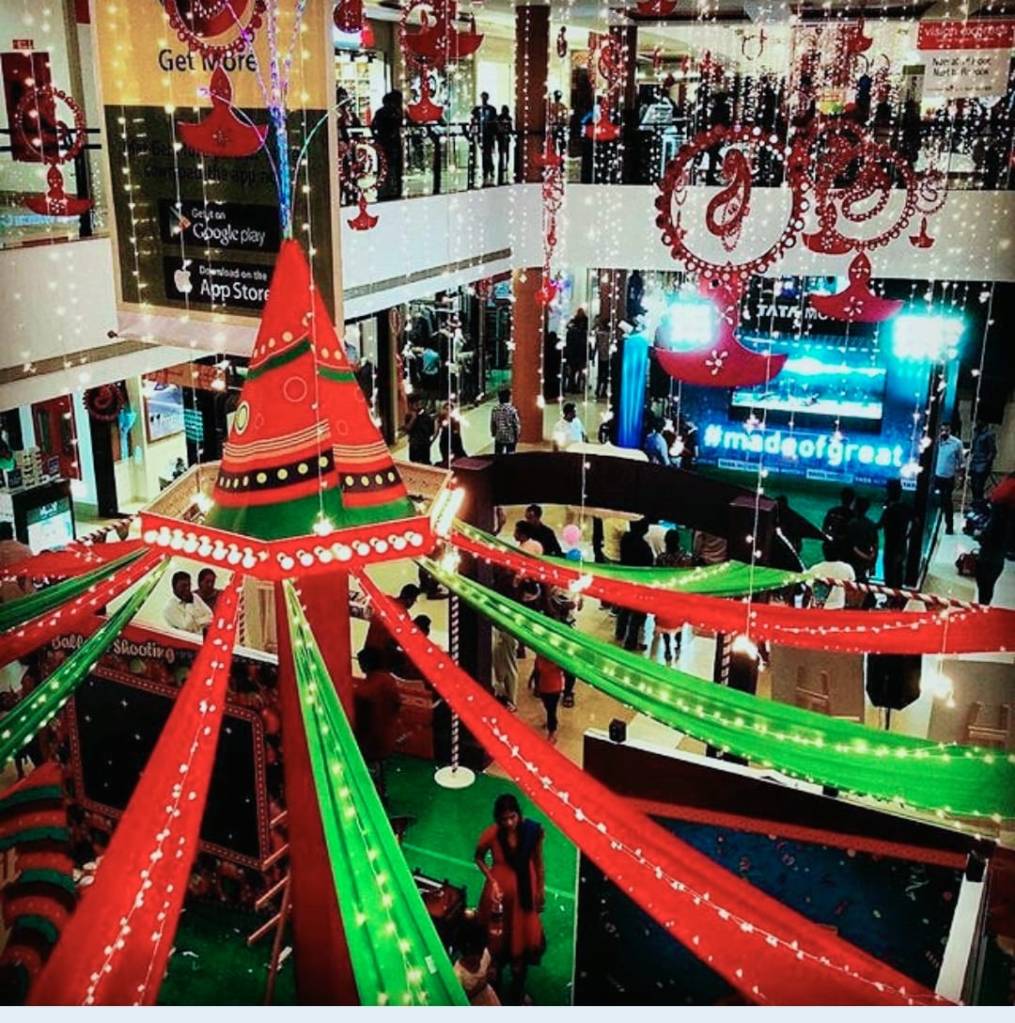
The journey of malls is not one of extinction but of reinvention. Their decline has paved the way for innovation, demonstrating that the retail industry is as resilient as it is dynamic. Malls that adapt to changing consumer preferences, integrate technology, and prioritize unique experiences are poised to not only survive but thrive in the years to come.
The story of malls mirrors the broader evolution of retail—a testament to the relentless pursuit of relevance in an ever-changing world. From their glitzy beginnings to the challenges of the digital age, their journey underscores the enduring allure of spaces that bring people together. In the end, the key to survival lies in reinvention, proving that adaptability remains the ultimate hallmark of success.
visit arjasrikanth.in / @DrArjasreekanth for more insights
 SOCIAL PERSPECTIVES