
**Checkmating History: Gukesh’s Calm Triumph Over Ding Liren**
In the intricate labyrinth of chess, where each move carries the weight of destiny, few moments resonate as profoundly as the crowning of a new champion. In 2024, at just 18 years old, an Indian chess prodigy stunned the world by defeating a formidable opponent to clinch the World Chess Championship in Singapore. This victory was no ordinary triumph—it was a masterpiece of calmness, intelligence, and unyielding focus under immense pressure, marking the dawn of a new era in the world of chess.
The World Chess Championship is not merely a tournament; it is a gruelling marathon of intellect, endurance, and strategy. Each game, played over five or more hours, demands absolute precision, resilience, and mental fortitude. For the young champion, navigating this high-stakes battleground was not just about skill—it was about proving his mettle in a psychological arena dominated by legends. This championship wasn’t simply a challenge; it was a crucible that tested his character, adaptability, and ability to thrive when everything was on the line.

Before reaching the world stage, the prodigy had meticulously honed his craft. Known for his fearless, attacking style, he had built a reputation as a player who thrived on high-risk, high-reward strategies. Each move he made was a declaration of intent—he wasn’t there to play it safe; he was there to dominate. However, his journey to the championship wasn’t just a tale of bold tactics. It was also a testament to his ability to shoulder the expectations of a nation and remain composed in the face of overwhelming pressure.
The challenge ahead was daunting. He had to overcome the reigning champion, a titan of the game who had dominated the chess world for over a decade. The champion’s psychological dominance was as formidable as his strategic prowess, and many believed the young challenger faced an insurmountable obstacle. Yet, the prodigy approached the match with a fearless mentality, treating the challenge not as a burden but as an opportunity to showcase his love for the game. His confidence and composure set him apart from others who might have wilted under the weight of such a monumental task.

As the championship unfolded, the prodigy’s intelligence and adaptability became increasingly evident. The classical games were a test of endurance, often stretching for hours without a decisive result. When these failed to produce a winner, the competition shifted to rapid-play formats, which demanded quick thinking and nerves of steel. Here, the young player’s brilliance shone through. He displayed an uncanny ability to think several moves ahead, even under the most severe time constraints. His calm demeanour and razor-sharp focus turned the ticking clock into a weapon against his opponents.
The turning point came when the young challenger secured a one-point lead with just three matches remaining. The chess world was electrified—could the young prodigy dethrone the reigning champion? Analysts and enthusiasts dissected his every move, but the young player remained unshaken. Chess, after all, is as much about managing one’s emotions as it is about reading the board. His ability to maintain his composure, even as the stakes soared, became a defining aspect of his journey. Each move he made in those final games was a masterclass in calculated risk and strategic clarity.

The final matches brought the championship to a dramatic crescendo. The reigning champion, who had become his nation’s first World Chess Champion a year earlier, was a formidable opponent with a deep understanding of the game’s intricacies. The contrast between the seasoned champion’s experience and the young challenger’s youthful audacity created a captivating dynamic. While the reigning champion relied on his extensive knowledge and methodical approach, the young prodigy brought an element of unpredictability that left even the most seasoned analysts in awe.
In the decisive moments, the young player’s calmness under pressure became his greatest strength. The final game, a nerve-wracking battle of intellect and endurance, encapsulated the essence of his journey. As the pieces moved across the board, each representing years of preparation and sacrifice, the young player demonstrated not only technical mastery but also an unparalleled ability to remain unfazed. When the final move sealed his victory, it was more than just a checkmate—it was a triumphant declaration of his arrival as a global chess icon.
This victory is a landmark moment, not just for Indian chess but for the sport as a whole. At 18, the new champion has become the youngest undisputed World Chess Champion, breaking barriers and inspiring a new generation of players. His triumph is a testament to the power of resilience, preparation, and the ability to rise to the occasion when it matters most. His journey is a celebration of the human spirit’s capacity to endure, adapt, and achieve greatness, proving that even in the most complex arenas, calmness and clarity can conquer all.
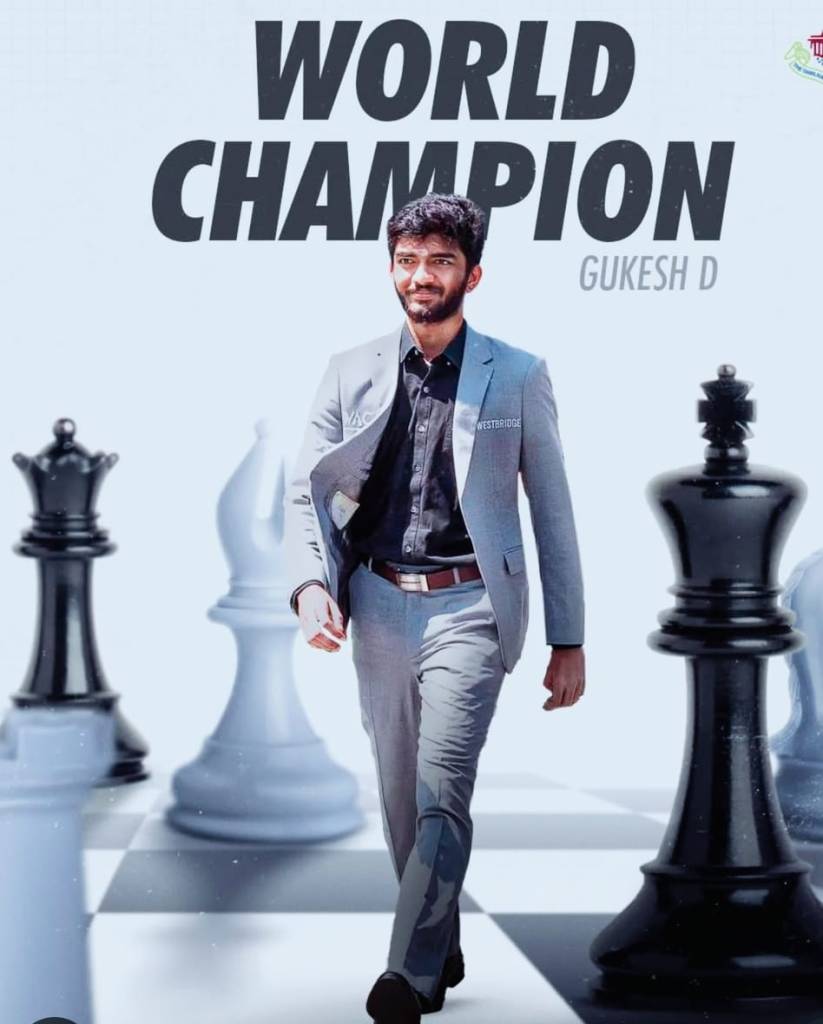
His ascent to the pinnacle of chess is a story that transcends the game itself. The young champion’s calmness, intelligence, and relentless pursuit of excellence have redefined what it means to be a champion. By defeating the reigning champion and capturing the World Chess Championship title, he has not only cemented his place in history but also ignited a spark of hope and ambition in countless aspiring players. His journey, a reflection of hard work, discipline, and an unwavering focus on his craft, has shown the world that with determination and mental clarity, even the greatest challenges can be overcome. This moment, marked by a young prodigy’s victory, will forever be etched in the annals of chess history, inspiring generations to come and reminding us all that the pursuit of greatness, when pursued with passion and perseverance, knows no bounds.
Visit arjasrikanth.in / @DrArjasreekanth for more insights
 SOCIAL PERSPECTIVES