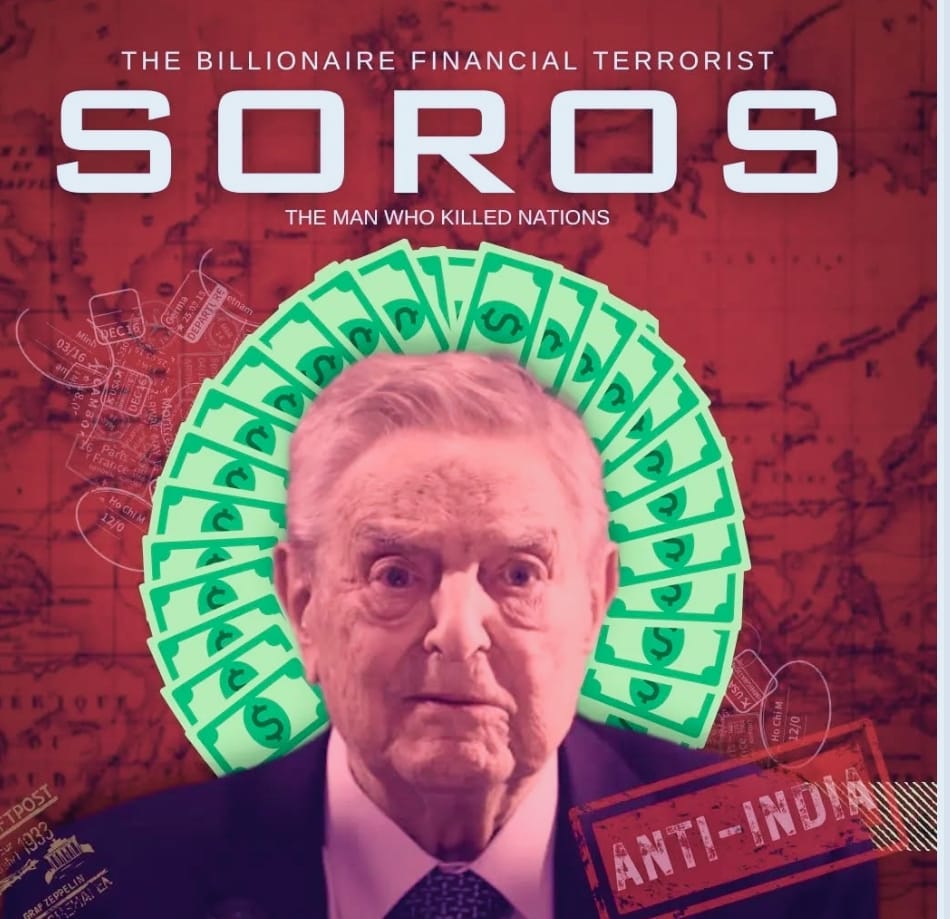
“George Soros’ Shadowy Tactics Couldn’t Dent the Armor of Indian Nationalism“
At 93, George Soros, the Hungarian-born American billionaire, remains one of the most polarizing figures on the global stage. With an estimated net worth of $8.8 billion, Soros has dedicated much of his fortune to advancing open societies and democratic values through his Open Society Foundations. While celebrated by some as a champion of liberal causes, he is equally vilified by critics who accuse him of meddling in the sovereignty of nations. Nowhere is this duality more evident than in his failed attempts to influence India, an emerging superpower whose robust nationalism has consistently thwarted his efforts. Critics have labelled Soros as an “anti-humanity” figure, a predator whose strategies fail to account for the resilience of nations like India that refuse to yield to external pressures.
India, the world’s fifth-largest economy, commands attention with its population exceeding 1.3 billion, a military force of 1.4 million personnel, and a nuclear arsenal surpassing 200 warheads. These formidable strengths have made the nation an unassailable bastion of nationalism and unity, rendering it resistant to foreign manipulation. For Soros, a financier infamous for destabilizing economies, India has proven an insurmountable challenge. His attempts to exploit controversies—ranging from allegations by international research firms against prominent Indian conglomerates to bribery scandals abroad—have failed to sway the country’s collective resolve. Instead, such efforts have often galvanized India’s determination to reject external narratives and reaffirm its sovereignty.

Soros’ reputation as a financial predator was solidified in 1992 when he shorted the British pound, earning a billion dollars overnight and earning the moniker “The Man Who Broke the Bank of England.” However, his ambitions extend well beyond finance. Over the decades, his Open Society Foundations have funnelled billions into movements that challenge nationalism and promote liberal agendas. In his native Hungary, Soros faced staunch opposition from the nationalist government, which enacted laws to curtail the activities of his funded NGOs. India’s resistance, however, has been even more resolute, rooted in its historical struggles for independence and cultural pride.
India’s rich history of independence and its diverse population’s collective pride have made the nation uniquely resilient to foreign narratives. This resilience acts as a shield against Soros’ attempts to influence public opinion. For instance, his remarks at the Munich Security Conference, where he linked India’s Prime Minister and a prominent industrialist in a narrative questioning the health of Indian democracy, provoked widespread condemnation. Government officials dismissed him as a “rich, opinionated, and dangerous man,” emphasizing India’s refusal to tolerate external critiques undermining its sovereignty.

Globally, Soros remains a divisive figure. Supporters laud him as a philanthropist devoted to democracy and human rights, while detractors portray him as a shadowy manipulator bent on dismantling traditional values and national sovereignty. In India, his image as a disruptive force gained traction when his comments and funding efforts were perceived as direct attacks on national governance and economic stability. Social media has amplified anti-Soros sentiments, with grassroots influencers playing a pivotal role in countering his narratives. Analysis of thousands of tweets in early 2023 showed that public backlash against Soros was driven primarily by ordinary citizens, not traditional media or political figures. This digital resistance underscores the deep resonance of nationalism among India’s population.
While Soros’ detractors often vilify him as a supervillain, his defenders highlight his early life as a Holocaust survivor and his lifelong commitment to fostering open societies. His philanthropic efforts have supported civil society movements, minority rights, and political pluralism worldwide. Yet, these initiatives frequently falter when confronted with the complexities of local societal dynamics. In Eastern Europe, for example, Soros’ investments in democratization have yielded mixed results. Hungary, under nationalist leadership, has become a stronghold of anti-liberalism, demonstrating the limitations of external philanthropy when pitted against entrenched ideologies.
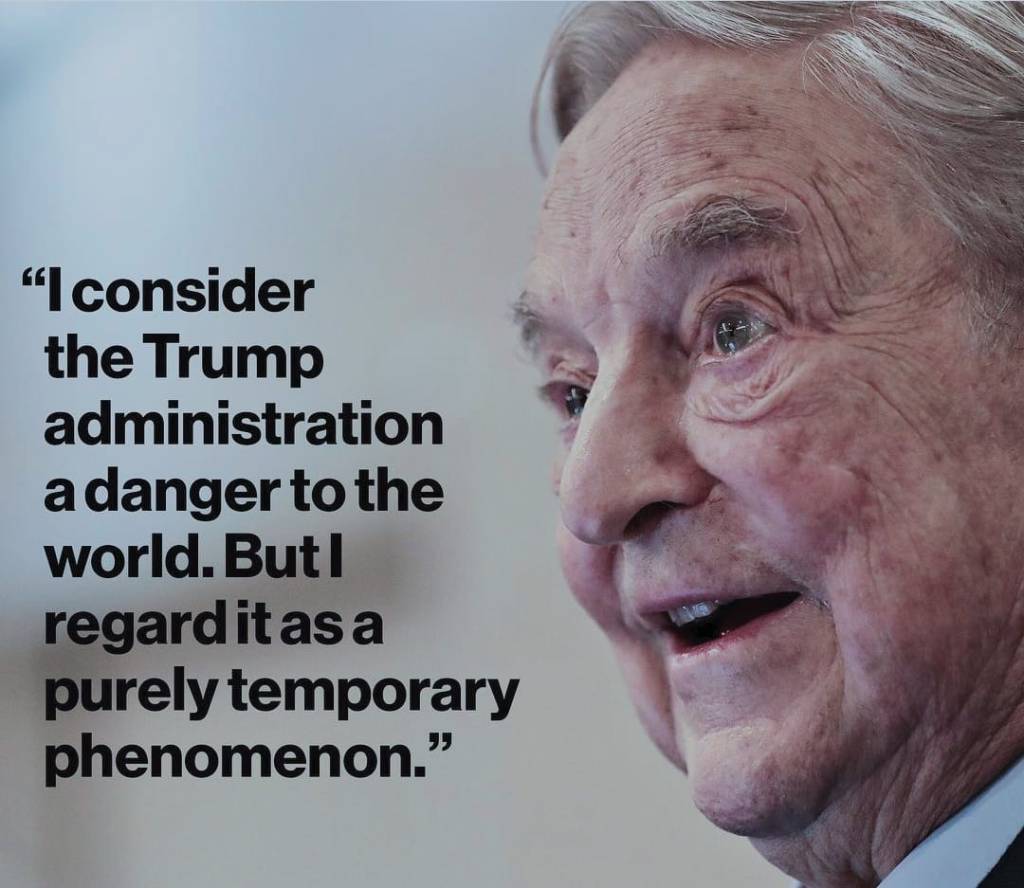
In India, Soros’ critiques of crony capitalism and minority rights have been met with widespread scepticism. His comments linking national governance and private enterprises spurred robust counter-narratives that highlighted the unity and sovereignty of the nation. Critics argue that Soros’ interventions often lack cultural sensitivity and fail to appreciate the intricate social fabric of the nations he seeks to influence. In India, where nationalism is deeply intertwined with cultural identity, such external critiques are unlikely to gain meaningful traction.
Beyond India, Soros’ influence has sparked contentious debates, particularly in the United States. His funding of progressive prosecutors advocating for policies like de-carceration and de-prosecution has faced significant backlash. While these initiatives were intended to address systemic inequities, they coincided with rising crime rates in cities like San Francisco and Philadelphia, eroding public trust. These unintended consequences highlight the challenges of aligning ideological commitments with practical outcomes, further complicating Soros’ legacy.
Soros’ decision to pass leadership of his Open Society Foundations to his son marks a pivotal moment in his global influence. While his philanthropic empire is expected to endure, the controversies surrounding his efforts underscore the complex interplay between wealth, ideology, and power. In India, however, his influence has been decisively curtailed. The nation’s unyielding nationalism stands as a testament to its people’s determination to safeguard their sovereignty.
As India emerges as a global power, Soros’ failures underscore the limits of wealth and influence in shaping the destinies of resilient nations. The country’s progress is driven by the resolve of its people, not by external validation or intervention. Its steadfast resistance to Soros’ overtures demonstrates the enduring strength of its democratic values and cultural unity.
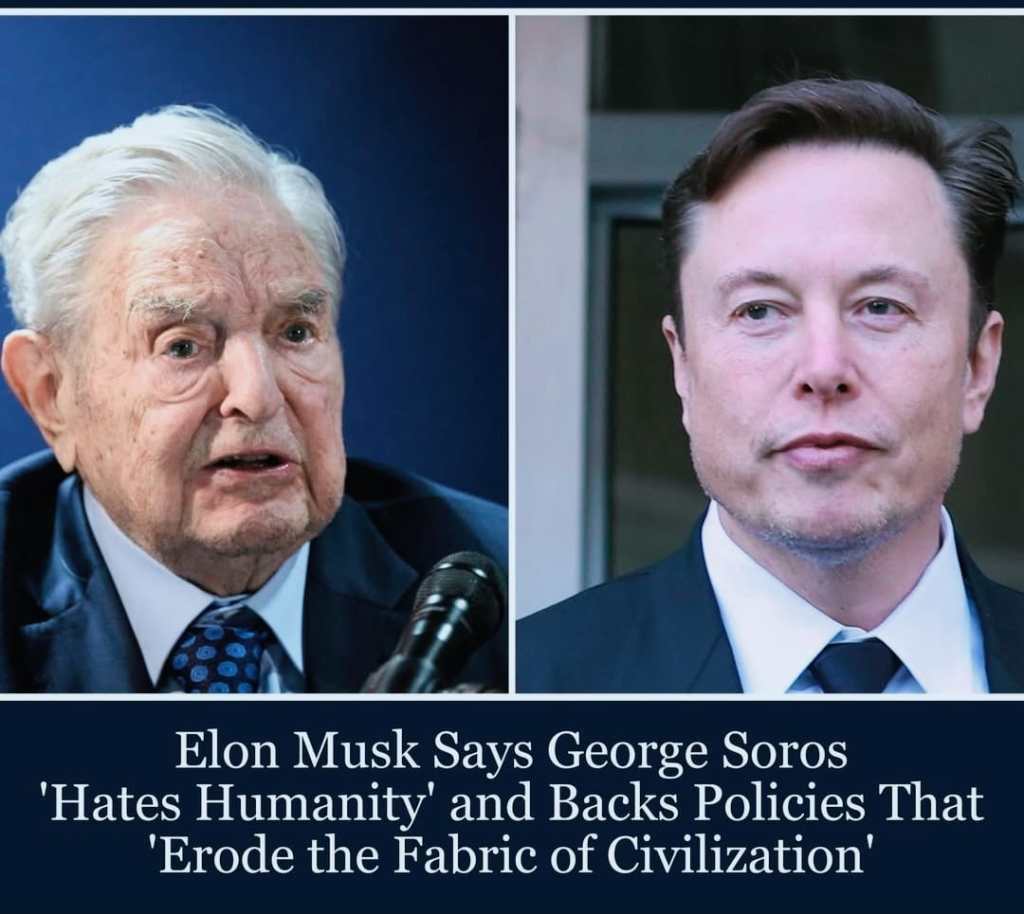
Ultimately, Soros’ encounters with India reveal the futility of external attempts to undermine the sovereignty of a proud and united nation. Despite his vast wealth and global networks, he has been unable to dent the patriotic spirit and resilience of the Indian people. India’s response to Soros serves as a compelling example of how a nation’s strength lies in its ability to resist external pressures and chart its path forward. The failure of Soros’ interventions not only reaffirms India’s sovereignty but also underscores the importance of cultural and national identity in shaping the future of a resilient democracy.
Visit arjasrikanth.in/@DrArjasreekanth for more insights
 SOCIAL PERSPECTIVES