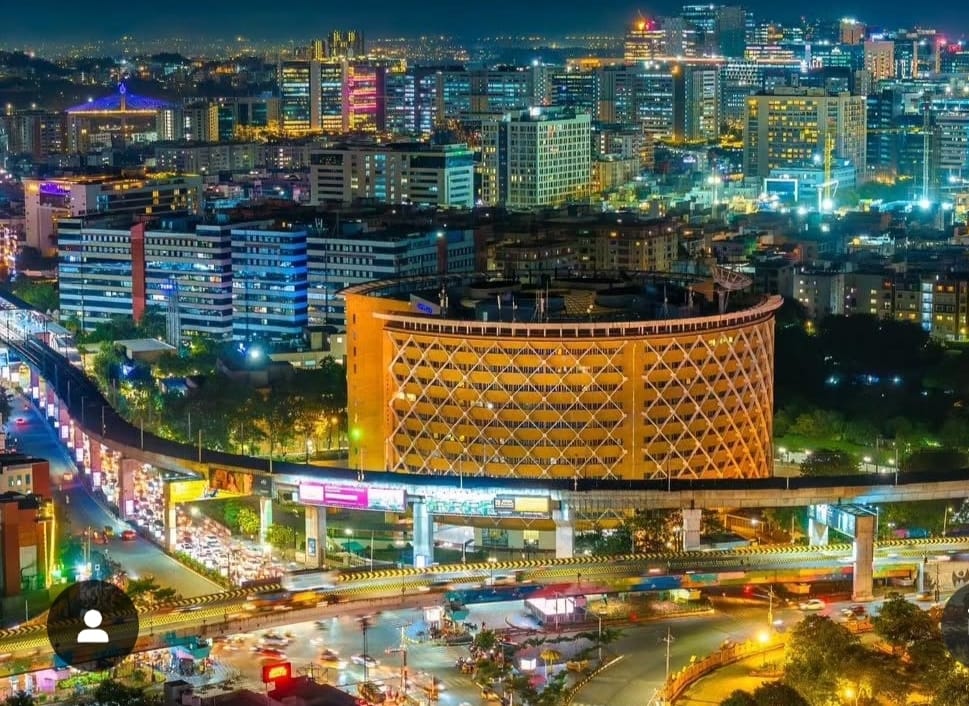
Chaos, Congestion, and Contention: The City of Pearls Unravels Under the Weight of Growth and Neglect
Hyderabad, a city synonymous with a rich historical tapestry, a vibrant IT sector, and an unmatched cultural ethos, now finds itself at an unsettling crossroads. Revered for its heritage and hospitality, the city was once aptly nicknamed the “City of Pearls.” Today, however, it struggles under the weight of rapid urbanization, social discord, and deteriorating public behavior, painting a starkly different picture from its illustrious past.
The boom in Hyderabad’s IT sector, particularly in Cyberabad, has ushered in prosperity and growth, attracting a diverse influx of talent from across India. This economic surge has catalysed significant population growth, transforming Hyderabad into a dynamic metropolitan hub. Yet, this growth has not been without consequence. Infrastructure has been stretched thin, roads have become increasingly congested, and the city’s urban framework is buckling under the pressure of its own success. Areas like Jubilee Hills, Banjara Hills, Hitec City, and Gachibowli, once the epitome of affluence and modernity, are now at the epicentre of a troubling wave of public hostility and unruly behavior.
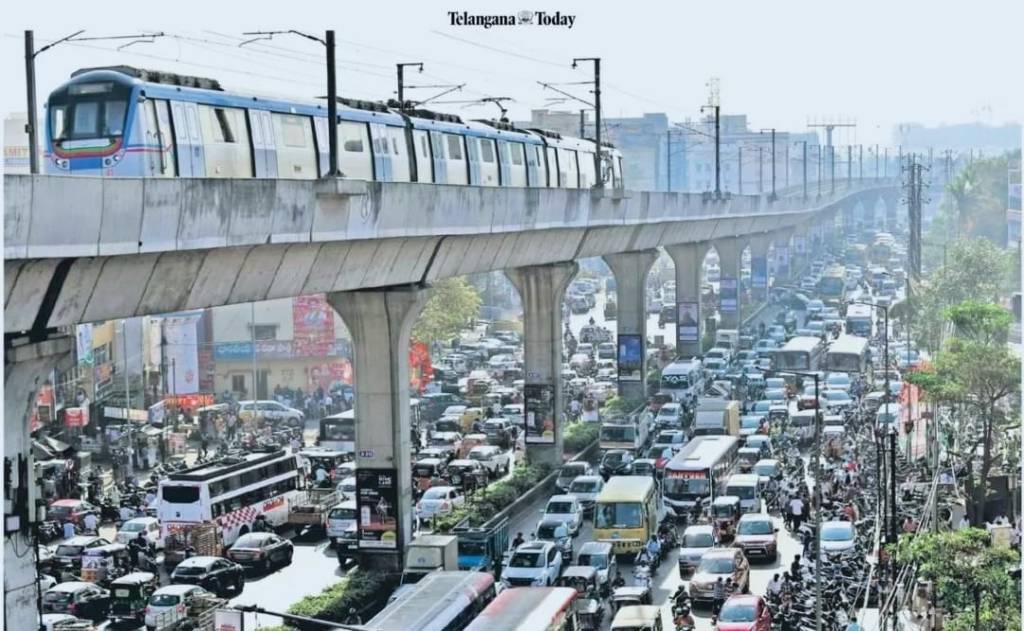
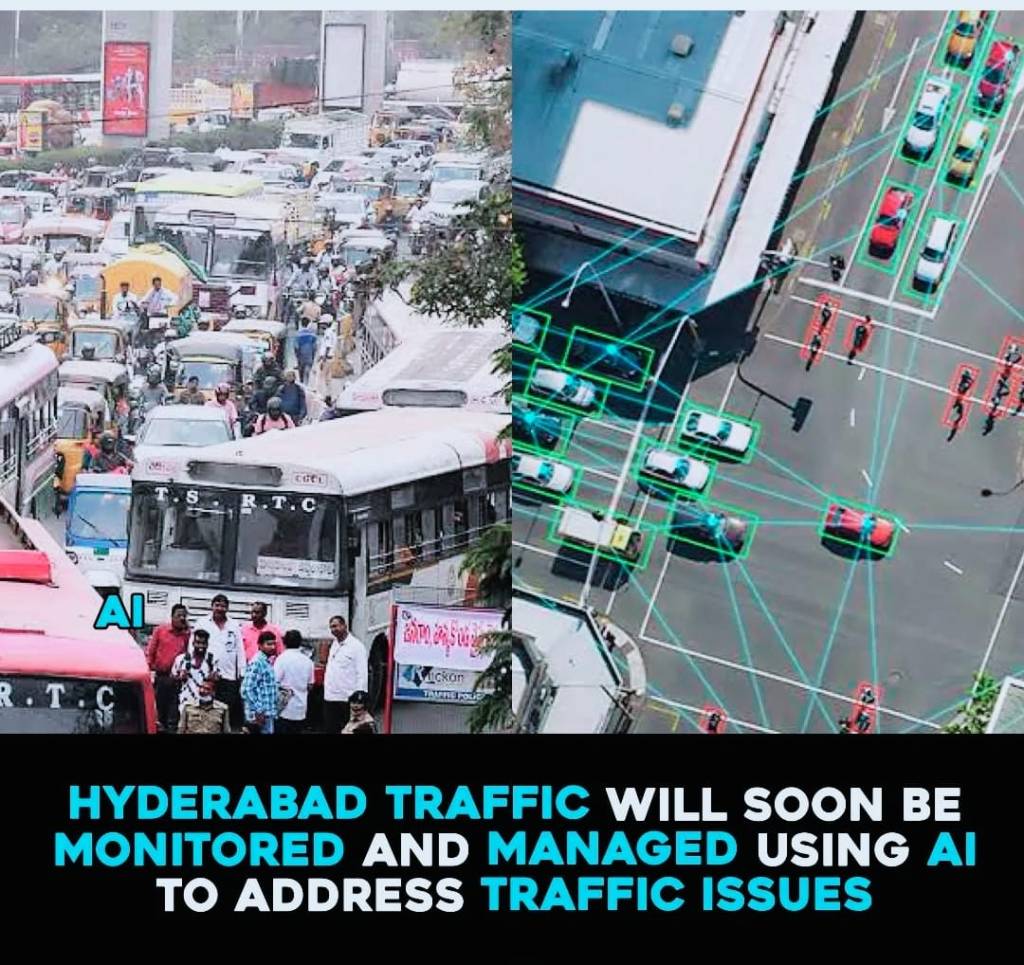
Traffic congestion, a visible and persistent symptom of the city’s challenges, stems from deep-seated structural issues. With an ever-expanding population and a limited public transportation network, private vehicles dominate the roads, leading to gridlocks that are further exacerbated by seasonal rains. Despite the Metro network’s gradual expansion, its coverage remains inadequate to address the city’s growing transportation needs. Unregulated parking, poor road planning, and limited drainage systems compound the problem, turning Hyderabad’s streets into hotbeds of frustration and short tempers.
This volatile environment has given rise to an alarming trend: a significant increase in public hostility and aggressive behavior. Social media platforms are now rife with accounts of incidents that highlight the growing unease among Hyderabad’s residents. Complaints of road rage, altercations over parking, and uncivil behavior towards women have become distressingly frequent. Upscale neighbourhoods, which were once symbols of cosmopolitan living, now serve as cautionary tales of a city spiralling into chaos.
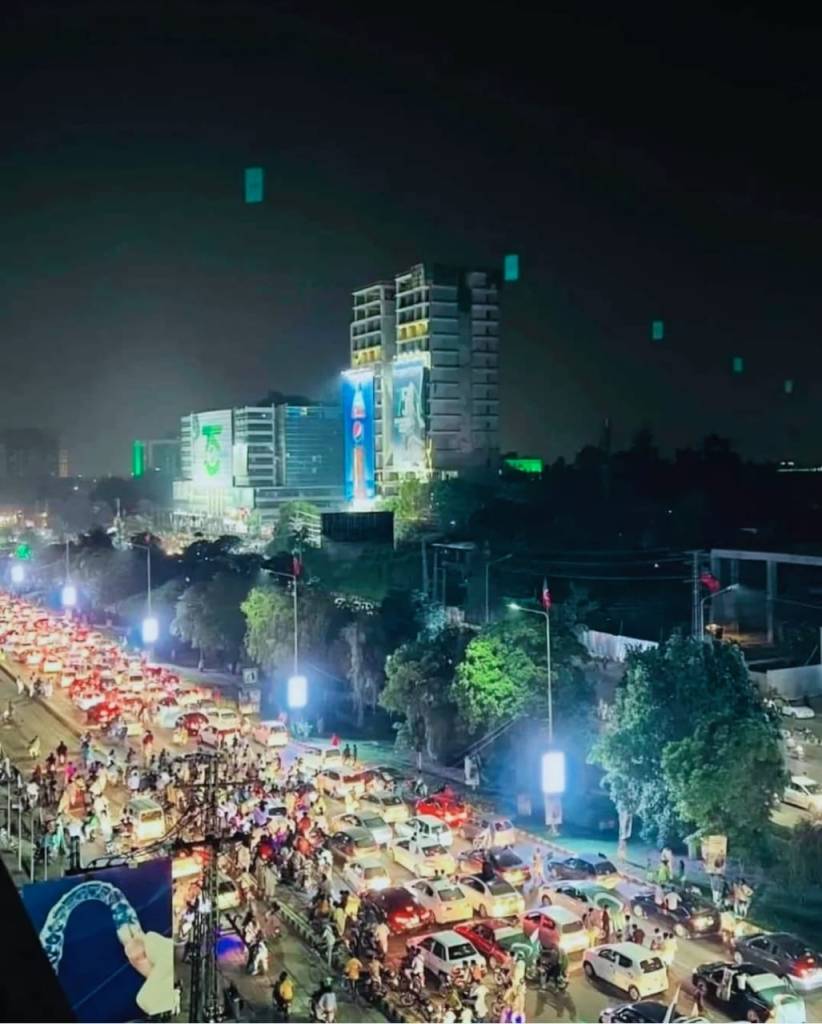
Consider the situation on DLF Road in Gachibowli, a popular hub for youth. What should have been a space for relaxation and socializing has devolved into a nightly scene of chaos. Groups of individuals, often under the influence, gather here to block roads with their vehicles, engage in brawls, and drive recklessly. Reports of harassment, verbal abuse, and even physical threats have become commonplace. In one instance, a citizen reported being verbally abused and having his car damaged by a group of men. Despite the proximity of a police station, his calls for help went unanswered, highlighting the glaring deficiencies in law enforcement.
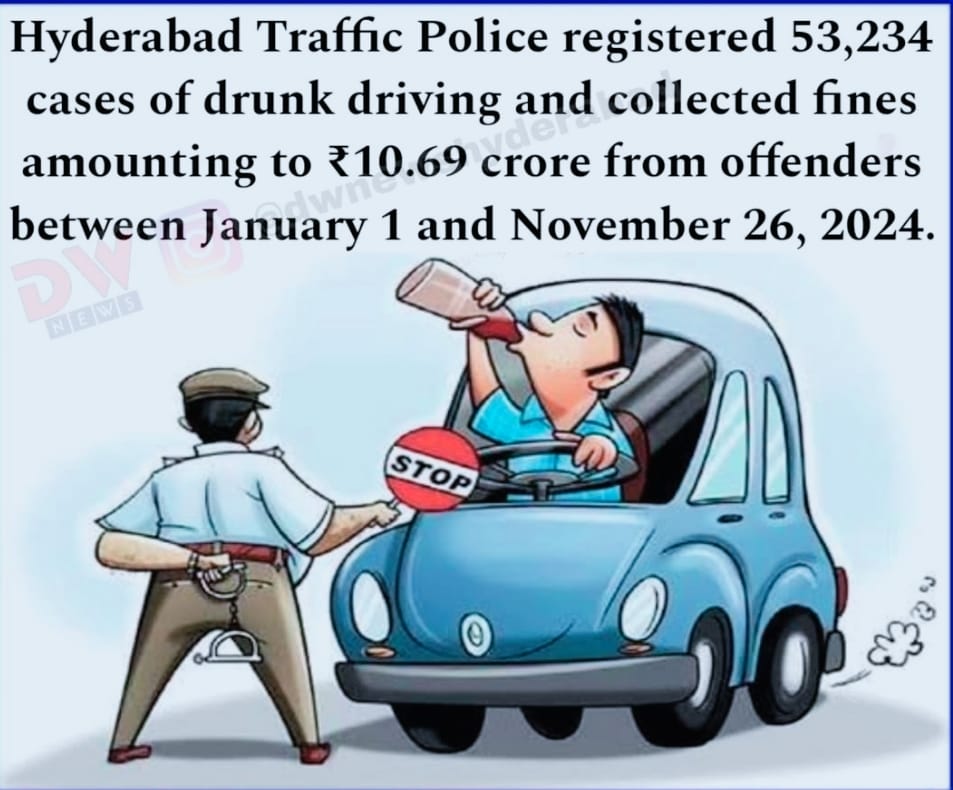
Similarly, incidents of eve-teasing have grown alarmingly frequent, leaving many citizens, particularly women, feeling unsafe in public spaces. A disturbing account from Raidurg reveals a woman being subjected to lewd gestures and indecent remarks, with no intervention from authorities. Such stories have become far too common, painting a bleak picture of Hyderabad’s declining safety standards and questioning the efficacy of its famed hospitality.
These issues are not merely isolated incidents but are symptomatic of a larger problem—a city unprepared to cope with its rapid growth. Southern Hyderabad, hailed as the city’s modern nucleus, showcases the dichotomy of development and neglect. While it boasts world-class IT hubs, it simultaneously grapples with issues like flooding, encroachments, and narrow lanes that render it ill-equipped to handle basic urban challenges.
This lack of preparedness is further compounded by the absence of accountability among some political leaders, who often highlight Hyderabad’s development as a feather in their cap while ignoring the glaring systemic issues. The result is an urban landscape that is a patchwork of progress and decay, where state-of-the-art infrastructure exists alongside deteriorating public spaces.
The impact of this decline extends beyond infrastructural challenges to Hyderabad’s social fabric. The city’s legacy of inclusivity and hospitality is under threat, as residents grapple with an environment of fear and hostility. Women, in particular, bear the brunt of this hostility, facing harassment and unsafe conditions in areas that were once considered safe havens. Despite repeated complaints, the lack of stringent action from law enforcement agencies has emboldened anti-social elements, creating a vicious cycle of impunity and public fear.
Moreover, the growing disconnect between citizens and authorities has eroded trust in governance. Public spaces that once fostered community and camaraderie now serve as venues for conflict and altercation. Netizens have expressed their frustration at the inaction of the authorities, with many feeling that their grievances are met with indifference. This dissatisfaction reflects a larger issue: the failure to bridge the gap between Hyderabad’s growth and its governance.
Hyderabad’s current challenges are not inevitable by-products of progress but rather the result of poor planning, inadequate governance, and a lack of proactive measures. Cities like Bengaluru provide a cautionary tale, demonstrating the consequences of unchecked urban expansion without foresight or accountability.
The path forward requires urgent and collective action. Traffic management must be prioritized, with stricter enforcement of rules, better synchronization of traffic signals, and the expansion of public transport systems like the Metro. Illegal parking and encroachments must be addressed decisively to ensure smoother traffic flow. Equally critical is the need to curb anti-social behavior in public spaces through proactive law enforcement, regular patrolling, community engagement, and stringent penalties for offenders.
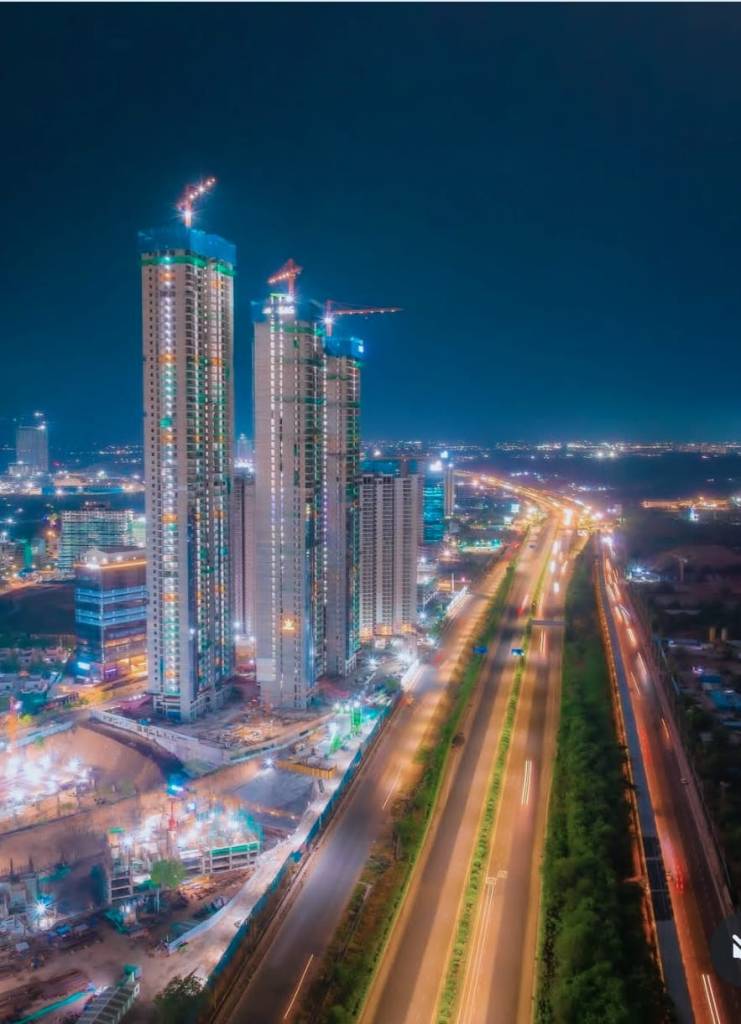
Hyderabad’s identity as a city of warmth, inclusivity, and cultural richness is at stake. Restoring its reputation will require thoughtful urban planning, effective governance, and the active participation of its citizens. The city must rise to the occasion, embracing sustainable growth and ensuring that progress does not come at the expense of safety, harmony, and social cohesion.
Hyderabad stands at a critical juncture where its growth story risks being overshadowed by its challenges. To reclaim its identity as a city that seamlessly blends tradition with modernity, it must address its issues with urgency and vision. With a concerted effort to prioritize urban planning, enhance governance, and foster community-driven solutions, Hyderabad can once again become a beacon of cultural richness, progress, and inclusivity, where every resident can thrive.
Visit arjasrikanth.in / @DrArjasreekanth for more insights
 SOCIAL PERSPECTIVES