When Legal Warfare Turns Deadly: The Untold Cost of Systemic Failure in India’s Matrimonial Courts
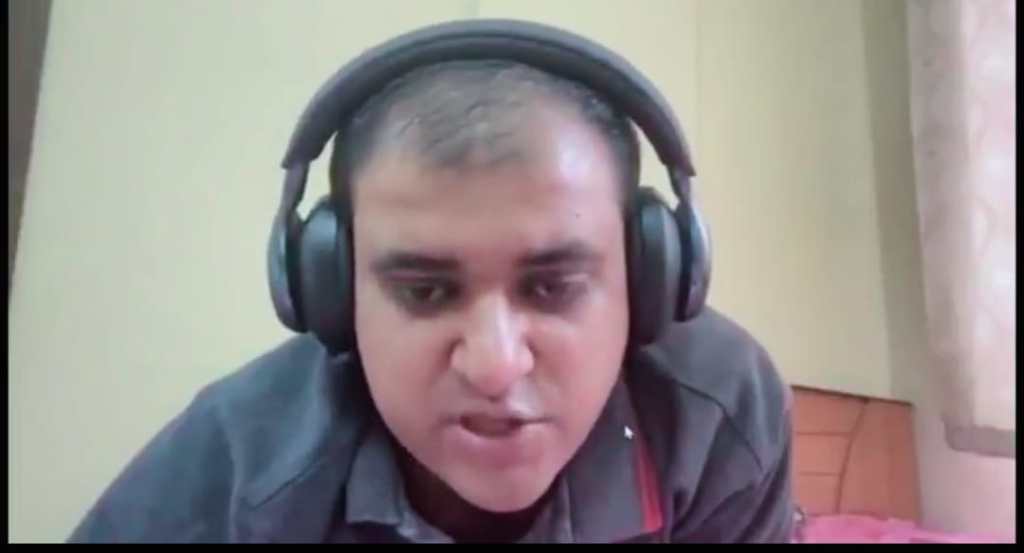
The labyrinth of matrimonial disputes casts an unrelenting shadow over countless lives, ensnaring individuals in cycles of legal entanglements, emotional anguish, and societal judgment. For many, these ordeals become insurmountable, culminating in devastating consequences. Such was the tragic story of Atul Subhash, whose untimely death serves as a searing indictment of systemic apathy and the human cost of injustice. Atul’s life, once illuminated by professional success as a pioneer in artificial intelligence in Bengaluru, was gradually consumed by the unyielding pressures of relentless litigation and harassment.
Atul’s marriage in 2019, initially a symbol of hope and partnership, soon spiralled into an unending nightmare of accusations and legal battles. Allegations of dowry harassment, unnatural sex, and even murder were weaponized in a campaign that included demands for a settlement of ₹3 crore. Atul’s estranged wife’s family and the judicial system he accused of failing him became central figures in a tragic narrative he meticulously documented. His 24-page suicide note, 90-minute video, and haunting checklist titled “Before Last Day,” “Last Day,” and “Execute Last Moment” underscored his despair and anger, revealing a soul crushed under the weight of systemic injustice.
Originally from Bihar, Atul had moved to Bengaluru to build a life defined by stability and growth. Instead, he found himself embroiled in baseless allegations that eroded his hope and resolve. His detailed note accused a family court judge in Uttar Pradesh of dismissing his pleas and tolerating blatant bribery within the courtroom. Atul’s refrain, “Justice is due,” resonated throughout his writings, encapsulating the torment of someone who believed he had been abandoned by the very system designed to protect him. Each failed hearing and unaddressed petition deepened his conviction that justice was not impartial but systematically denied to those like him.

Atul’s ordeal reflects the agonizing realities faced by countless others navigating India’s matrimonial courts. For many, a brief marriage spirals into years of legal entanglements. A supporter of Atul shared a harrowing account of over 75 court visits across various levels, which failed to bring resolution. Although certain charges were dismissed, and arrests were prevented, the primary battle remains agonizingly unresolved. Each hearing becomes a grim reminder of the uphill struggle to prove innocence amidst relentless accusations, a reality Atul experienced until his tragic end.
The cost of upholding principles and resisting compromise was devastating for Atul. The price he paid included the loss of his relationship with his four-year-old son, a bond cruelly weaponized against him. Deprived of the solace of fatherhood, Atul’s note expressed a poignant wish for his parents to gain custody of his child, reflecting his concern for the boy’s well-being amidst a fractured family. This heart breaking sacrifice, coupled with the toll on his health and relationships, left Atul’s personal achievements overshadowed by the relentless pressures of his ordeal.
The meticulous planning of Atul’s final days underscored the depth of his anguish. Investigators discovered a checklist in his Bengaluru apartment, detailing his actions during his final moments. His video message—an emotionally charged plea—urged his family not to immerse his ashes until justice was served, symbolizing his determination to keep his fight alive even after death. This chilling testament has become a rallying cry for reform, shedding light on the psychological toll matrimonial disputes impose.
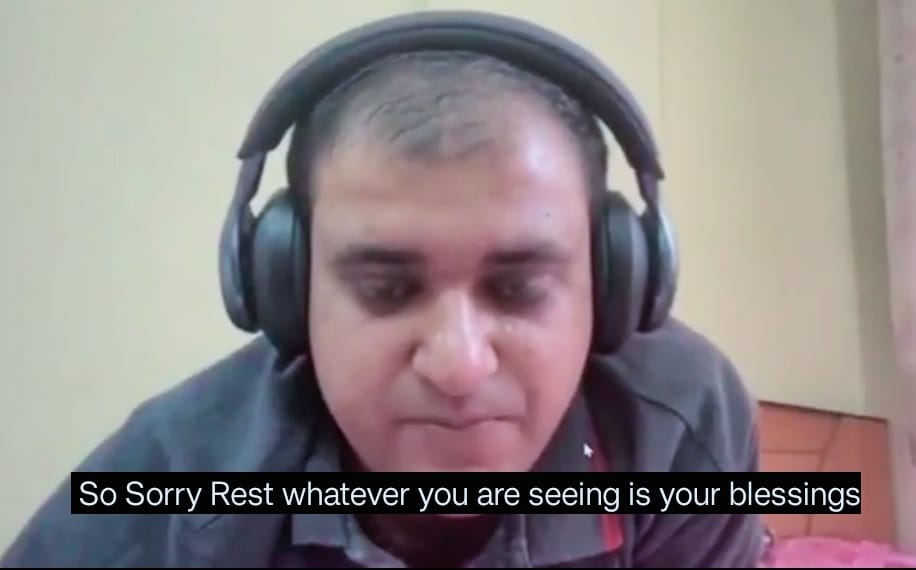
The tragedy reverberates beyond Atul’s immediate family, highlighting the widespread impact of such legal battles. A grieving brother, vowing to pursue justice, has filed an FIR against Atul’s estranged spouse, her family, and the judge implicated in his suicide note. Allegations of abetment to suicide, extortion, and corruption now form the basis of legal proceedings. Expressing profound regret, the brother lamented that Atul had not shared his struggles earlier, emphasizing, “If he had spoken to us, we could have helped him get through this.” These words underscore the isolation and emotional toll that prolonged legal battles impose, leaving individuals feeling abandoned and voiceless.
Atul’s allegations of harassment and manipulation reveal a disturbing misuse of legal tools. Nine false cases, including fabricated charges of dowry harassment and murder, highlight how laws designed to protect can be weaponized to inflict harm. One baseless accusation tied the death of the estranged spouse’s father in 2019 to dowry demands by Atul. However, during cross-examination, it was revealed that the claims were fabricated, with the spouse admitting her father’s death was due to a heart condition. These revelations underscore the urgent need for balanced mechanisms that prevent the misuse of matrimonial laws, ensuring justice serves both the innocent and the vulnerable.
Public outrage over Atul’s tragedy has been swift. His meticulously documented accusations of judicial corruption and systemic flaws have ignited a broader discourse on the fairness and efficacy of matrimonial laws. A Public Interest Litigation (PIL) filed in the Supreme Court seeks safeguards against harassment of husbands and their families under domestic violence and dowry laws. While these laws remain crucial for protecting women, Atul’s case highlights the necessity for balanced reforms to address systemic loopholes and prevent misuse.
Atul’s death also casts a harsh light on the psychological toll of unresolved matrimonial disputes. Denied access to justice and dignity, he joined the ranks of many who suffer in silence. The relentless struggles—frequent court hearings, balancing professional responsibilities, and enduring emotional strain—call for systemic reform and greater empathy in addressing these issues. Decisions within relationships demand care and caution, as their consequences extend far beyond the individuals involved, rippling through families and communities.
Atul’s meticulous documentation of his suffering continues to galvanize calls for accountability. His haunting request in his final note—“If I win from the system, devote my mortal remains in Ganga; otherwise, in a gutter outside the court”—captures the depth of his disillusionment. It is a stark reminder of the stakes involved when justice is delayed or denied.
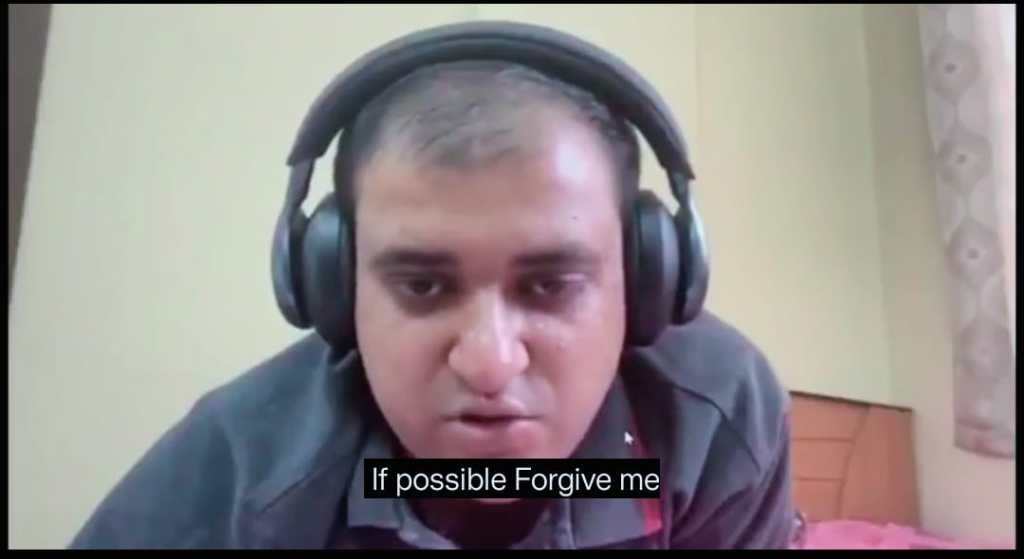
Atul Subhash’s story is not merely a personal tragedy; it is a societal indictment. His chronicle of despair and death demands introspection from individuals, families, and institutions alike. Addressing the systemic failures that led to his demise is imperative. The broader questions his story raises about matrimonial laws, judicial accountability, and mental health require urgent and thoughtful attention.
Atul’s final act was a chilling testament to the human cost of systemic failure. His story must serve as a catalyst for reform, urging changes to ensure fairness and accountability in matrimonial disputes. While his family continues their fight for justice, society must strive to prevent similar tragedies. Atul’s legacy must not end in despair but inspire transformative change, ensuring that no one else endures the agony he faced.
Visit arjasrikanth.in / @DrArjasreekanth for more insights
 SOCIAL PERSPECTIVES
One response to “A Cry for Justice: The Tragic Tale of Atul Subhash and the Crushing Weight of Matrimonial Battles”
Such failure of justice is too much painful and stringent steps be taken against culprits
LikeLike