
Mastering the Art of Leadership Amid Chaos, Strategy, and Relentless Expectations
Navigating the corporate ecosystem as a CEO is akin to performing a high-wire act without a safety net. Positioned at the intersection of promoter aspirations and middle management execution, CEOs must balance the dreams of visionaries with the grounded realities of those tasked with bringing those dreams to life. It is a demanding and often unforgiving role, celebrated during moments of success but quick to bear the brunt of blame when challenges arise. How, then, does one excel in such a precarious position?
The role of a CEO has evolved significantly, reflecting the fast-paced, unpredictable world of modern business. No longer just decision-makers, CEOs are now seen as the embodiment of resilience, adaptability, and foresight. The expectations placed upon them are immense, requiring them to juggle ambition with pragmatism, all while navigating an environment where external forces and technological disruptions dictate market dynamics. This evolution has left CEOs with little margin for error, as their every decision is magnified and scrutinized.

The essence of the CEO’s challenge lies in bridging the gap between their strategic vision and the realities of execution on the ground. Middle management serves as the critical link between high-level strategy and operational execution, yet this link is often fraught with tension. CEOs, driven by their aspirations, may inadvertently overlook the practical challenges faced by middle managers. Meanwhile, middle managers, overwhelmed by the pressures of execution, can sometimes lose sight of the broader organizational vision. This disconnect, if left unchecked, can stall progress and breed mistrust within the organization.
The misalignment between a CEO and middle management is not merely an internal hiccup—it can determine the trajectory of a company. Numerous corporate exits have underscored how this gap undermines organizational harmony and performance. A CEO’s vision, no matter how brilliant, cannot succeed without the full engagement and alignment of middle management. These managers act as the operational bridge, translating strategy into actionable outcomes and ensuring that ideas take root and grow within the organization.

Industries marked by relentless change, such as technology, amplify the challenges of this dynamic. The rise of artificial intelligence, for example, has simultaneously created immense opportunities and unprecedented pressures. Legacy organizations face a dual challenge: the need to innovate rapidly while safeguarding their core values and operational strengths. Many promising ventures have faltered not because the vision was flawed but because execution stumbled, often due to a lack of alignment across organizational levels.
However, these challenges are not confined to the tech sector. Across industries, market forces and external disruptions frequently derail even the most well-intentioned plans. Strategic initiatives that appear sound on paper can be undermined by unforeseen developments. Consider a scenario where a fleet electrification plan is derailed by sudden external pressures, such as aggressive pricing from competitors. These instances highlight the need for foresight, adaptability, and, crucially, a well-prepared team capable of responding to shifting circumstances.
The CEO’s ability to deliver results ultimately hinges on their capacity to turn ideas into action. Yet, the path to tangible outcomes is never a solo journey. Middle management plays an indispensable role in negotiating the hurdles of execution and ensuring that grand strategies translate into meaningful success. The most effective CEOs understand this and focus on inspiring, guiding, and empowering their middle managers. By equipping them with the necessary tools, autonomy, and resources, they lay the groundwork for sustainable execution.
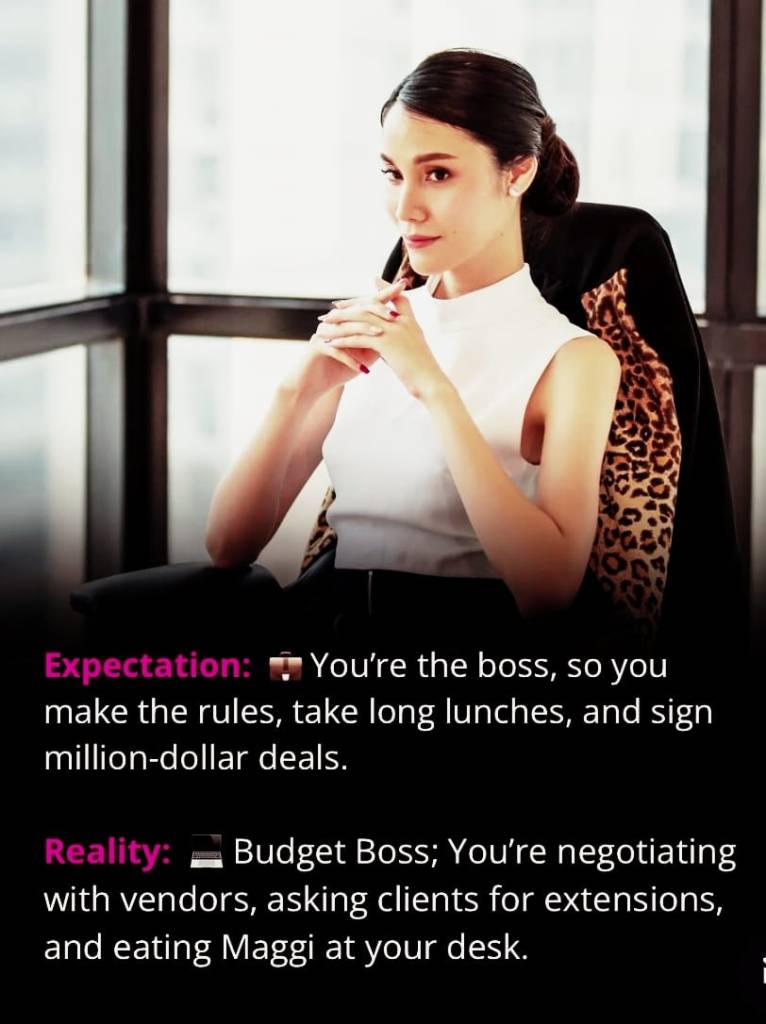
Despite the necessity of this collaboration, CEOs often face immense pressure from all sides. Their compensation packages, which are frequently disproportionate compared to the rest of the workforce, symbolize both the rewards and burdens of their role. In some cases, the pay disparity is so stark that it creates an exaggerated perception of the CEO as the sole architect of a company’s success or failure. This narrative, while pervasive, oversimplifies the intricate interplay of factors that contribute to organizational outcomes.
This perception of solitary responsibility mirrors the world of sports, where a manager is often the first to face the consequences of a team’s underperformance. Similarly, corporate boards frequently view CEOs as convenient scapegoats in times of crisis. However, this oversimplified view fails to account for the collaborative effort required to steer an organization. A CEO’s effectiveness depends on creating an environment where every level of the organization contributes to collective success.
To thrive in this high-pressure environment, the relationship between CEOs and middle management must be redefined. Instead of operating in silos, this relationship should evolve into a partnership characterized by open communication, mutual respect, and shared accountability. CEOs need to prioritize listening to their middle managers, valuing their insights, and fostering a culture of collaboration. Such an approach not only bridges the gap but also creates a fertile ground for innovation, trust, and shared success.
Empowering middle management is a key component of this transformation. When managers feel supported and trusted, they are more likely to lead their teams effectively and align their efforts with the broader organizational vision. This alignment reduces the risk of leadership turnover, enhances operational stability, and ensures the seamless execution of strategic initiatives.
In today’s corporate landscape, effective leadership demands more than vision and strategy. CEOs must embrace a connector role, fostering cohesion and collaboration across all levels of their organizations. By embodying transparency, empathy, and adaptability, they can navigate the external pressures of a volatile market while maintaining internal harmony.
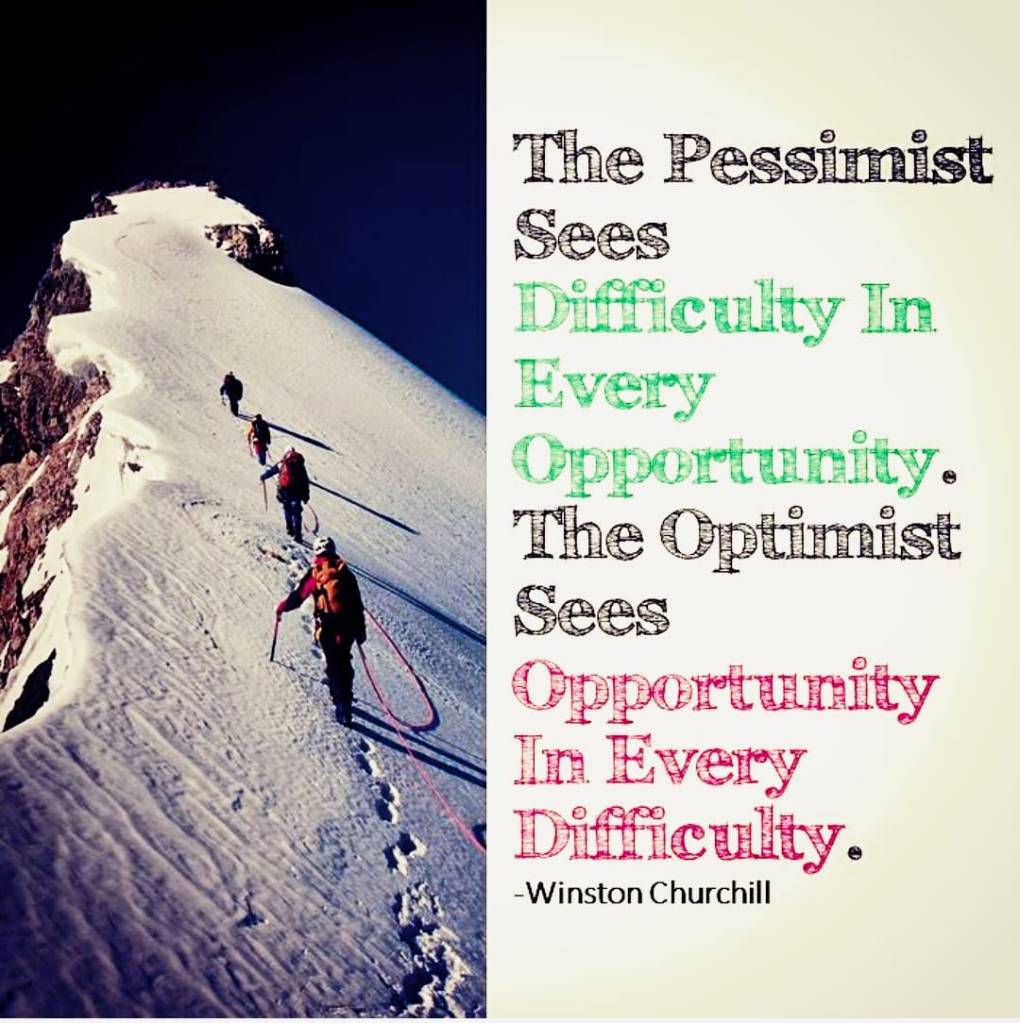
The life of a CEO is a delicate balancing act, caught between the aspirations of promoters and the operational realities of middle management. Their success lies not only in delivering results but also in building resilient systems that outlast their tenure. True leadership demands the ability to bridge gaps, foster trust, and empower others to contribute to collective progress. In mastering this art, CEOs can redefine what it means to lead in the modern era and set new benchmarks for sustainable success.
Visit arjasrikanth.in/@DrArjasreekanth for more insights
 SOCIAL PERSPECTIVES