
“From Dusk Till Dawn: Unravelling the Chaos and Potential of Sleepless Stock Markets”
The advent of 24×7 stock trading has sparked an intense debate among investors, regulators, and market enthusiasts. While proponents hail it as a natural progression in the globalized financial landscape, sceptic’s warn of systemic risks and unforeseen consequences. The concept of round-the-clock trading may seem like a bold leap toward a seamless, global market, but it is fraught with potential pitfalls that could undermine market stability, investor psychology, and regulatory frameworks.
One of the most pressing concerns surrounding 24×7 trading is heightened volatility. Overnight trading sessions have historically been characterized by lower trading volumes, creating conditions where modest trades can trigger disproportionate price movements. This phenomenon poses a particular challenge to institutional investors, who manage massive portfolios and require stability for their operations. Stock Market Experts have highlighted how low liquidity during these hours can lead to inaccurate pricing and escalate volatility to unnerving levels. This is not a hypothetical risk; past events have shown how algorithmic trading errors during after-hours trading can culminate in sudden, dramatic price drops, popularly known as “flash crashes.” These occurrences are exacerbated by the absence of human oversight, which is essential for navigating market complexities.

The mechanics of trade reporting add another layer of complexity to the 24×7 trading paradigm. Current markets rely on batched reporting systems, leading to delays in consolidating market data. This lag can distort price discovery and amplify the risks of misinformation during extended trading hours. To mitigate these challenges, pioneers like 24 Exchange, which leads the charge for approved round-the-clock trading, must ensure seamless synchronization with the consolidated market tape. This requires both technological innovation and extensive collaboration with competing exchanges—a daunting task that underscores the technical and logistical hurdles involved.
Regulatory oversight faces unprecedented challenges in this new environment. While the Securities and Exchange Commission (SEC) has endorsed 24 Exchange’s phased rollout, other influential bodies, such as the Securities Industry and Financial Markets Association (SIFMA), have called for broader analyses of the long-term implications. Ensuring data integrity and transparency across perpetually operating platforms will be a monumental task. Regulators must grapple with questions about equitable access, safeguards against market manipulation, and the feasibility of continuous oversight.
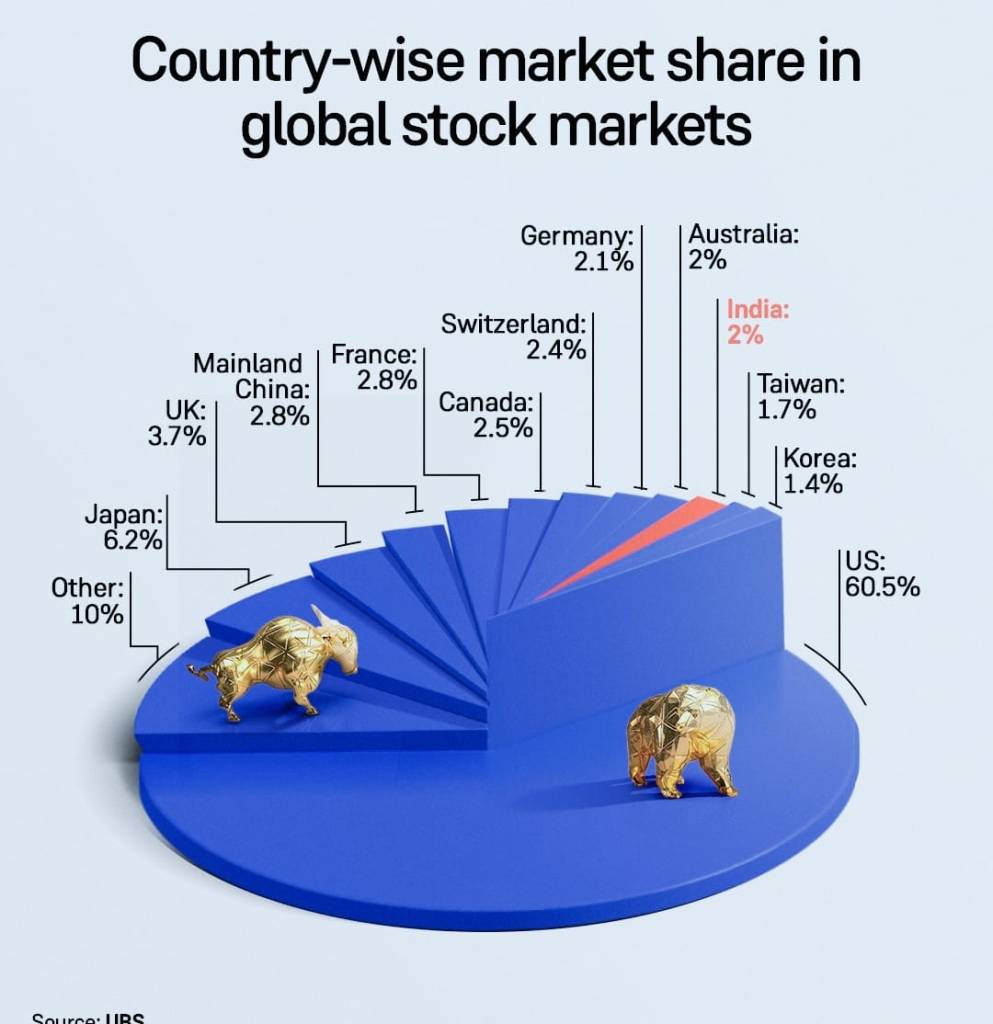
Liquidity, often described as the lifeblood of efficient markets, is another significant concern. During off-hours, liquidity tends to thin out, increasing the risks of price distortions. Continuous trading could scatter liquidity across multiple time zones and platforms, complicating large trades for institutional investors and undermining market stability. The coexistence of “lit” and “dark” markets further complicates the landscape. While 24 Exchange’s transparent “lit” market publicly records trades and prices, alternative trading systems like Blue Ocean operate in opaque “dark pools,” where prices remain undisclosed. This dichotomy could deepen inefficiencies and erode trust among market participants.
The accessibility of 24×7 trading is a double-edged sword, particularly for retail investors. Platforms like Robinhood have already demonstrated how ease of access can encourage speculative behavior driven by emotion rather than strategy. Extending trading hours could amplify impulsive decisions, increasing risks for individual investors who lack the expertise or resources to navigate such a complex environment.
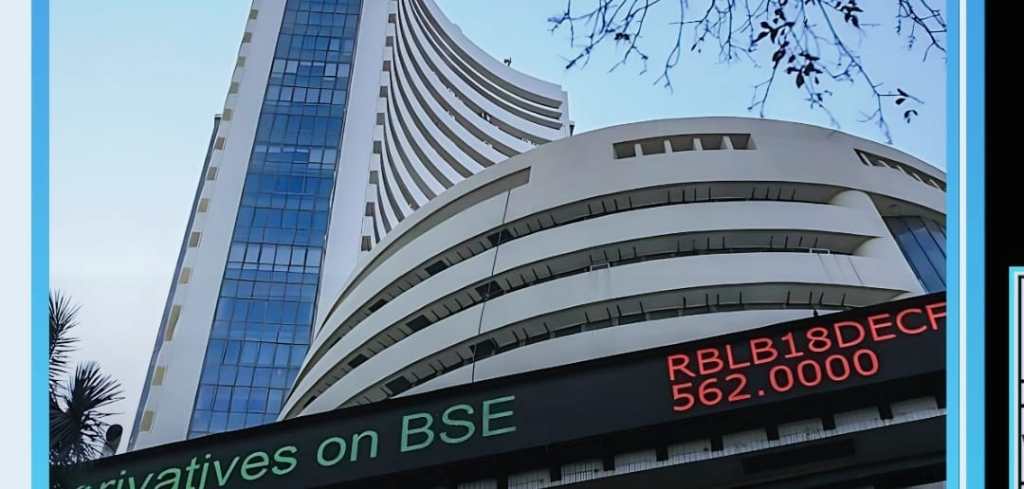
Moreover, the psychological toll of continuous market activity cannot be overstated. For professional traders and investors, the pressure to remain vigilant around the clock risks burnout and impaired decision-making. This perpetual state of alertness undermines the human oversight necessary for managing complex market scenarios effectively. For retail investors, the lure of constant market access may lead to overtrading and financial losses, further highlighting the psychological vulnerabilities introduced by 24×7 trading.
The global interconnectedness of financial markets adds another dimension to these risks. Disruptions in one region could ripple across the globe, magnified by the continuous nature of trading. Significant market events occurring during off-hours might trigger unchecked panic selling, leading to widespread instability. Historical precedents, such as the 1987 crash and the 2009 financial crisis, underscore the value of market closures as a “timeout” mechanism for recalibration. In a 24×7 trading environment, such reprieves would be non-existent, escalating the likelihood of systemic collapses.
Technological infrastructure becomes a critical linchpin in this scenario. The demands of uninterrupted trading require unprecedented levels of reliability, security, and operational efficiency. System outages or cyberattacks during extended trading hours could shatter investor confidence and disrupt markets. The costs of implementing such infrastructure, including personnel, technology, and compliance measures, raise questions about the overall feasibility and sustainability of this model.
Ethical and regulatory considerations also loom large. As the SEC continues to greenlight the shift toward 24×7 trading, pressing questions remain unanswered. How will regulators ensure equitable access for all investors? What safeguards will be put in place to prevent manipulation during low-liquidity periods? These issues necessitate a robust and inclusive regulatory framework to address the multifaceted challenges posed by round-the-clock trading.

Proponents of 24×7 trading argue that it reflects the demands of a globalized, tech-savvy investor base. They point to the success of the 24/7 cryptocurrency market as evidence of the viability of continuous trading. Extended hours, they claim, offer greater flexibility for retail investors and allow real-time reactions to market-moving news, enhancing the competitiveness of financial markets. Innovations such as “lit” markets could potentially reduce inefficiencies associated with “dark pools” and improve pricing transparency.
However, these advantages must be carefully weighed against undeniable risks. Historical evidence underscores the need for pause mechanisms to prevent cascading failures. For instance, the New York Stock Exchange’s recent application to extend trading hours to 22 hours daily highlights the intensifying competition in the financial markets but also serves as a reminder of the growing need for caution and prudence.
The transition to 24×7 trading requires a collective effort from regulators, market participants, and technology providers. Key measures include enhanced liquidity incentives to encourage market makers to sustain liquidity during overnight sessions, advanced risk management systems to counter flash crashes, and comprehensive investor education programs to empower participants to navigate this complex landscape. Additionally, global coordination is essential to harmonize regulations across jurisdictions and address interconnected risks effectively.
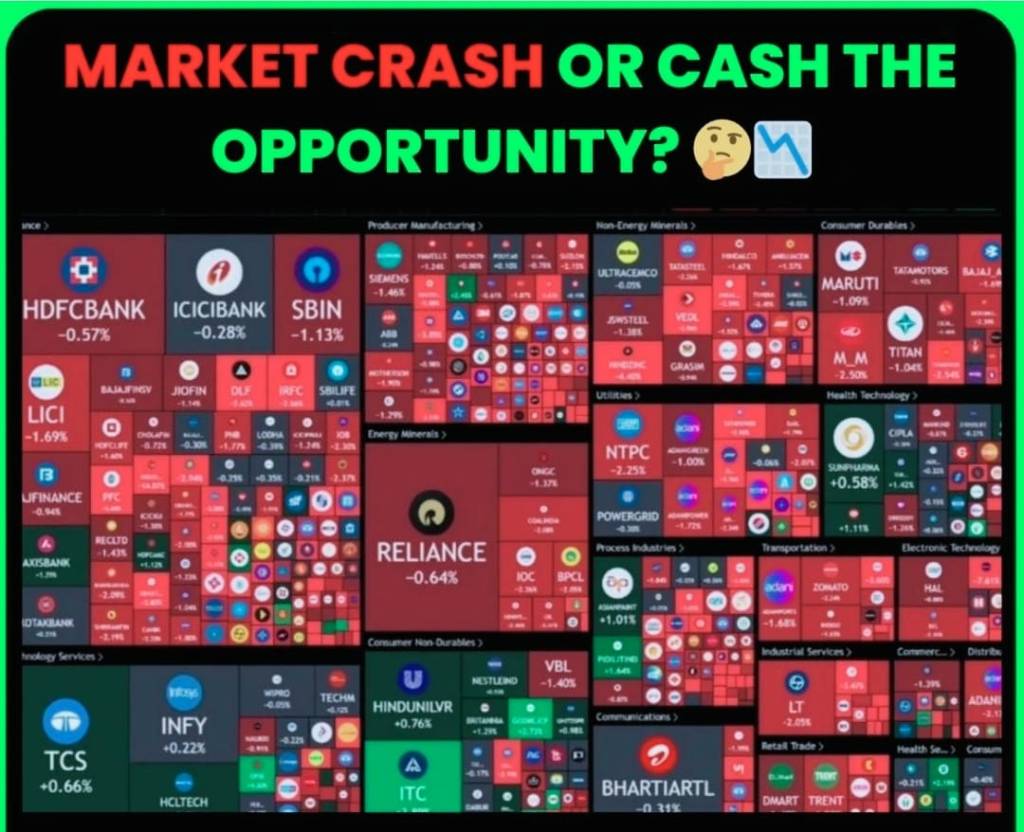
In conclusion, the shift to 24×7 trading represents a paradigm shift in global finance, driven by innovation and evolving investor behavior. However, it brings with it serious risks, ranging from heightened volatility and liquidity challenges to systemic instability. Balancing innovation with robust safeguards will be critical to ensuring market stability and investor protection. As regulators like the SEC shape this new landscape, their actions will ultimately determine whether sleepless markets become a boon or a bane for the financial world.
Visit arjasrikanth.in/ @DrArjasreekanth for more insights
 SOCIAL PERSPECTIVES