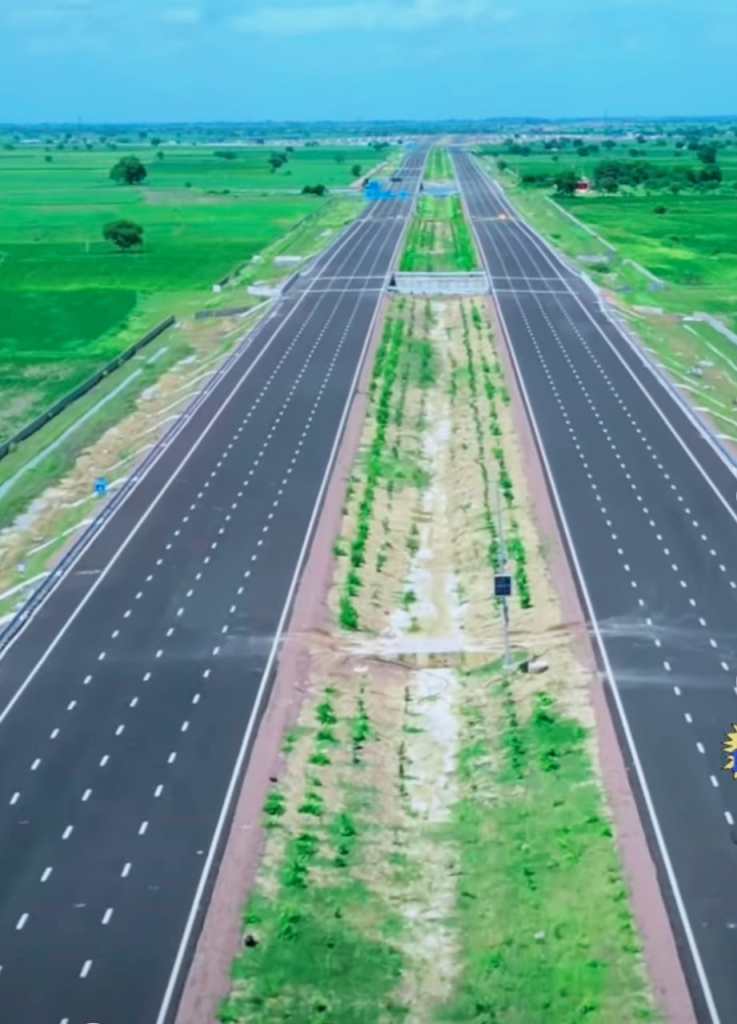
From Rapid Commutes to Economic Powerhouses: India’s Expressways are Reshaping the Future of Mobility, Trade, and Growth
Picture this: a highway not just for cars, but a road of transformation, pulsing with the energy of economic progress. The expressways of India, once a distant dream, are now a tangible reality, weaving a network that’s reshaping the country’s future. These highways are not mere stretches of concrete; they are the lifeblood of India’s modernization, the engines driving the country’s economic surge, urban growth, and even the spirit of national unity. From rapid commutes to fostering trade and tourism, India’s expressways are transforming the way we live, work, and travel, and they are poised to fuel the nation’s growth for years to come.
For decades, India’s transportation system was characterized by slow, bumpy rides along outdated highways. These roads, while essential, were a barrier to efficient travel, commerce, and communication. But with the advent of expressways, the country has entered a new era. These high-speed, controlled-access roads are not just reducing travel times; they are revolutionizing the way we experience distance, moving India toward a future of unparalleled connectivity. A striking example of this transformation is the Mumbai-Pune Expressway. This landmark project has reduced travel time between the two cities by over an hour, providing more productive hours for businesspeople, tourists, and daily commuters. In a country where time is often a scarce commodity, expressways are game-changers, offering an unprecedented speed of movement and fostering greater economic and social dynamism.
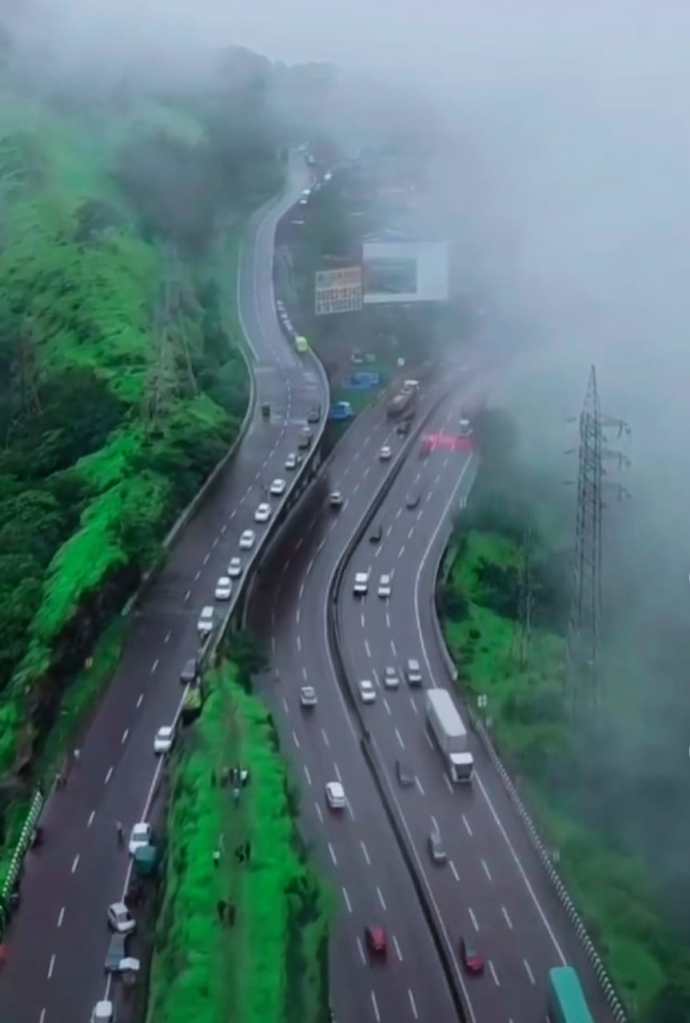
However, these roads do more than just make travel convenient. They serve as arteries that pump economic vitality into India’s heart. The Delhi-Gurgaon Expressway is a prime example of this, enhancing connectivity between Delhi and Gurgaon. By streamlining the flow of goods and services, this expressway helps businesses thrive, cutting transportation costs and opening new markets. This kind of connectivity is invaluable for industries like e-commerce, which rely on efficient logistics to meet growing consumer demand. The expressways are not just reducing travel time—they are acting as the fuel that powers India’s economic engine, enhancing trade, reducing business costs, and fostering growth in industries that contribute to the nation’s GDP.
The reach of expressways extends far beyond the bustling urban hubs. They are opening up the remotest corners of the country, ensuring that rural areas benefit from the same opportunities as their urban counterparts. The Yamuna Expressway, for instance, connects Delhi to Agra, facilitating faster travel to one of India’s most famous tourist destinations. This route has not only boosted tourism but also created new avenues for local businesses. Previously isolated towns along the expressway now have access to larger markets, goods, and even tourists, creating a ripple effect of economic activity in their wake. The once-sleepy towns along this route have experienced a surge in employment opportunities, real estate development, and local businesses, thanks to the infrastructure that ties them to larger economic centres.
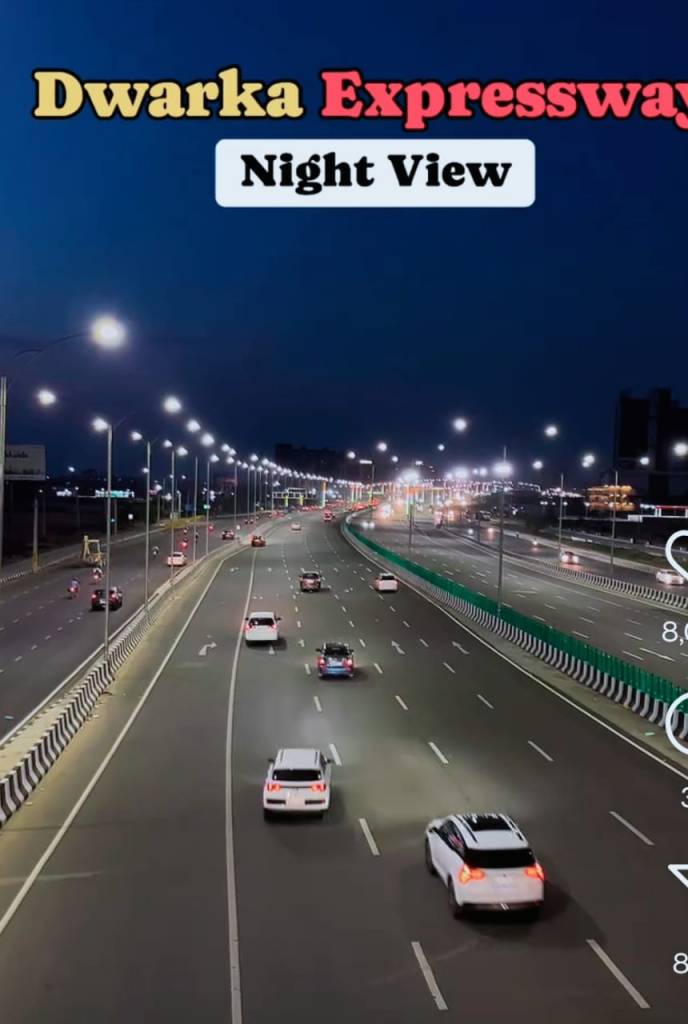
The impact of expressways isn’t just about commerce; it’s about setting new standards for infrastructure in India. As the country’s expressway network expands, it is also pushing the boundaries of safety, technology, and environmental sustainability. The Delhi-Meerut Expressway is a notable example of this. It incorporates cutting-edge electronic toll collection systems, advanced traffic management technology, and eco-friendly green spaces along its route. These innovations not only improve the driving experience but also help reduce pollution and mitigate the environmental impact of rapid development. The expressway is an example of how modern infrastructure can be built with sustainability in mind, ensuring that growth is balanced with environmental responsibility.
One of the most striking effects of expressways is their role in urban development. Cities like Gurgaon and Noida, once peripheral towns, have evolved into thriving metropolises, thanks in large part to their proximity to major expressways. The Ahmedabad-Vadodara Expressway has similarly transformed the region, serving as the backbone of a real estate boom. This expressway has made it easier for people to travel between Ahmedabad and Vadodara, facilitating residential and commercial development along its route. The ease of access has spurred the growth of new neighborhoods, business parks, and employment opportunities, turning these once-marginalized towns into bustling hubs of economic activity.
Expressways also play a critical role in improving national logistics. The Delhi-Mumbai Expressway, one of the country’s most ambitious infrastructure projects, promises to slash travel time between the national capital and the financial capital by half. This 1,350-kilometer road will significantly improve the efficiency of goods transportation, reducing costs and accelerating the movement of goods between two of India’s most important economic centres. This improved logistics capacity is a game-changer for industries like e-commerce, where the speed of delivery can make or break customer satisfaction. Expressways enable faster deliveries, boosting the online retail market and ensuring that consumers have access to products more quickly and reliably. In a world where convenience and speed are paramount, expressways are key to keeping businesses competitive and consumers satisfied.

The financial impact of expressways is also substantial. While the cost of building these high-speed roads can be enormous—upwards of 14 crores per kilometre for a four-lane expressway—the returns on investment are equally impressive. Reduced travel time, greater efficiency in goods transportation, and increased local economic activity all contribute to a more dynamic, competitive economy. The Delhi-Mumbai Expressway alone is expected to save businesses billions of rupees annually by cutting transportation costs. The value generated by expressways far exceeds the cost of their construction, making them one of the most cost-effective investments for the nation’s future.
Despite their many benefits, expressways are not without challenges. The construction of these high-speed roads often involves significant land acquisition, which can lead to the displacement of communities. Additionally, large-scale infrastructure projects like these can have environmental impacts, including noise pollution and disruption to ecosystems. However, with careful planning, compensatory measures, and the use of eco-friendly construction techniques, these challenges can be mitigated. The benefits of expressways, however, far outweigh the drawbacks, as they serve as the backbone of India’s modern economy and contribute to national development in profound ways.
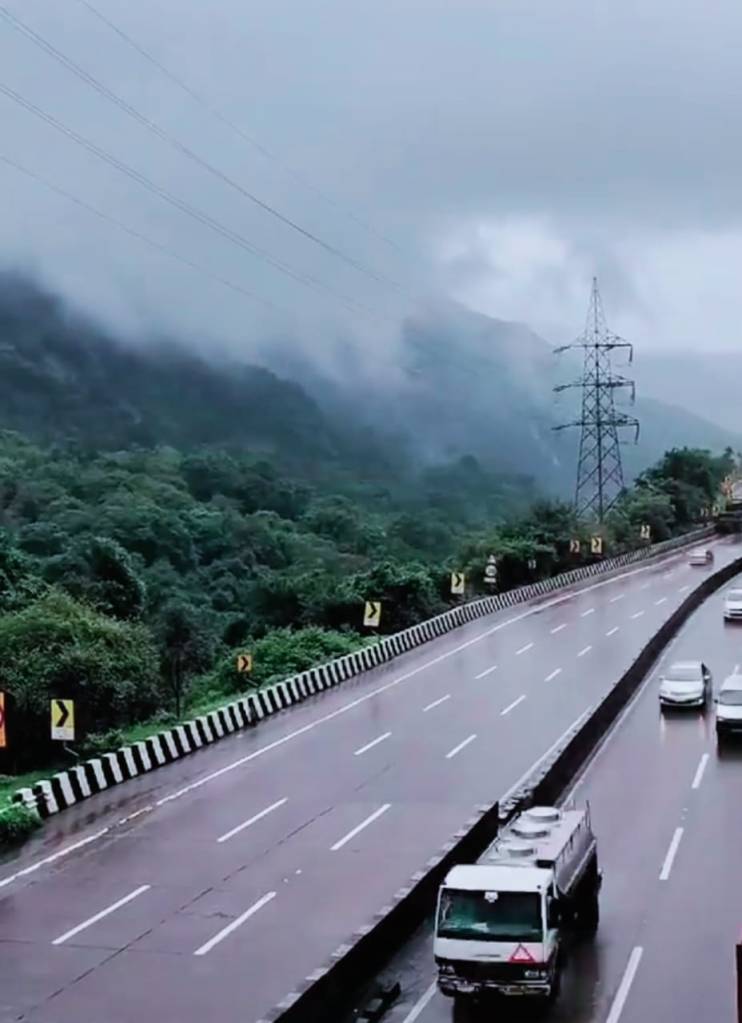
India’s ambitious plans for expanding its expressway network are transforming the country’s landscape. From the Delhi-Mumbai Expressway to the upcoming Bangalore-Chennai Expressway, new projects are constantly in the works, each one making India more connected, dynamic, and prosperous. These roads are not just infrastructure; they are the highways of progress, driving the nation toward new economic and social heights. As India’s expressway network continues to grow, the country is moving toward a future that is faster, more efficient, and more interconnected than ever before. The expressways are not just the arteries of India’s road system—they are the lifeblood of its future.
Visit arjasrikanth.in for more insights
 SOCIAL PERSPECTIVES