
“Crypto, Contraband, and Chaos: Inside the Financial Web of Terror Networks”
In the annals of modern history, few events have sent shockwaves through the global consciousness quite like the terrorist attacks that gripped Mumbai in November 2008. For 60 harrowing hours, the city that never sleeps was brought to its knees as ten operatives from the militant group Lashkar-e-Taiba executed a series of coordinated assaults on iconic locations. Among the targets were the historic Taj Mahal Palace Hotel, the Chhatrapati Shivaji Maharaj Terminus, the bustling Leopold Café, a Jewish synagogue, and a cinema. The aftermath was devastating: at least 166 lives were lost, including 20 security personnel and 26 foreign nationals, with over 300 individuals injured. The trauma and deep psychological scars inflicted by these attacks are incalculable, but the tangible costs are staggering and demand our attention.
The financial implications of terrorism have become glaringly apparent in the aftermath of such tragedies. Earlier this year, the Global Terrorism Index (GTI) reported a chilling statistic: the total economic cost of terrorism surged by 22% to $8,352 billion in 2023, marking the highest level since 2017. This alarming figure does not even account for the devastating attacks that occurred on October 7 in Israel, which, if included, could push the total cost even higher. While the incidence of terrorist attacks decreased by 22% to 3,350, the average number of casualties per attack skyrocketed by an astonishing 56%. The grim reality is that the average number of people killed in attacks increased from 1.6 in 2022 to 2.5 in 2023—the worst trend observed in nearly a decade.
What drives these organizations that inflict devastating harm upon innocent civilians? Where do they secure their funding? The answers are complex and unsettling. Terrorist financing has evolved dramatically, with groups increasingly turning to digital currencies like Bitcoin for their transactions. The anonymity afforded by cryptocurrencies makes it nearly impossible to trace the origins and destinations of funds, complicating global efforts to combat financing terrorism. Meanwhile, traditional methods such as donations through charities, hawala networks, and state sponsorship continue to play a significant role in sustaining terror networks.

In India, the statistics surrounding terrorism and its impact reveal a troubling landscape. Since 2007, the country has seen a decline in large-scale terrorism, yet there have been over 90 different organizations responsible for at least one terrorist attack in the last 15 years. These groups range from small-scale local factions to larger, more organized entities. The cost of maintaining security forces to counter these threats is staggering. Estimates suggest that India maintains approximately 343,000 personnel in Kashmir alone, with the cost of counter-terrorism measures ballooning to unsustainable levels.
The financial burden of terrorism stretches far beyond immediate casualties; it reverberates through the economy, affecting tourism, foreign investment, and the overall perception of safety in the region. Major security precautions at airports, train stations, and public events often lead to a country losing face on the global stage. As fears of terrorism grow, tourist activity declines, resulting in a decrease in foreign investments that are essential for economic growth. The repercussions are felt not only in the immediate aftermath of an attack but also in the long-term economic stability of affected regions.
The GTI provides invaluable insights into the trends and patterns of terrorist activities worldwide. The report highlights a significant increase in the average number of deaths per attack, with 1,200 individuals killed in a single incident underscoring the severity of the threat. Countries with the highest impact of terrorism are often characterized by political instability, lack of governance, and weak state control. Shockingly, this year marked the first time that a country other than Afghanistan or Iraq witnessed the highest levels of terrorist activity.
The challenges surrounding terrorism are exacerbated by the emergence of new tactics and methods employed by extremist groups. The October 7 attack in Israel was the largest since the September 11 attacks, showcasing the increasing sophistication of operations carried out by organized and competent groups. Terrorism has morphed into a global challenge, with local attacks in Europe, Africa, and beyond illustrating that the threat is not confined to any particular region.
As governments and law enforcement agencies grapple with these challenges, the need for comprehensive counterterrorism strategies has never been more critical. The Financial Action Task Force (FATF) has highlighted the gaps in many countries’ abilities to combat money laundering and terrorist financing effectively. In India, despite being classified as largely compliant in addressing these issues, the stark reality reveals that only 28 convictions have been secured in the past five years for money laundering related to terrorism—a mere fraction of the actual instances occurring.
Moreover, social media has become a powerful tool for terrorists, enabling them to recruit supporters and incite violence. The unprecedented access to global audiences allows extremist ideologies to spread rapidly, resonating with individuals across borders. This phenomenon poses a significant challenge to traditional counterterrorism efforts, as communication channels blur the lines between local and international threats.
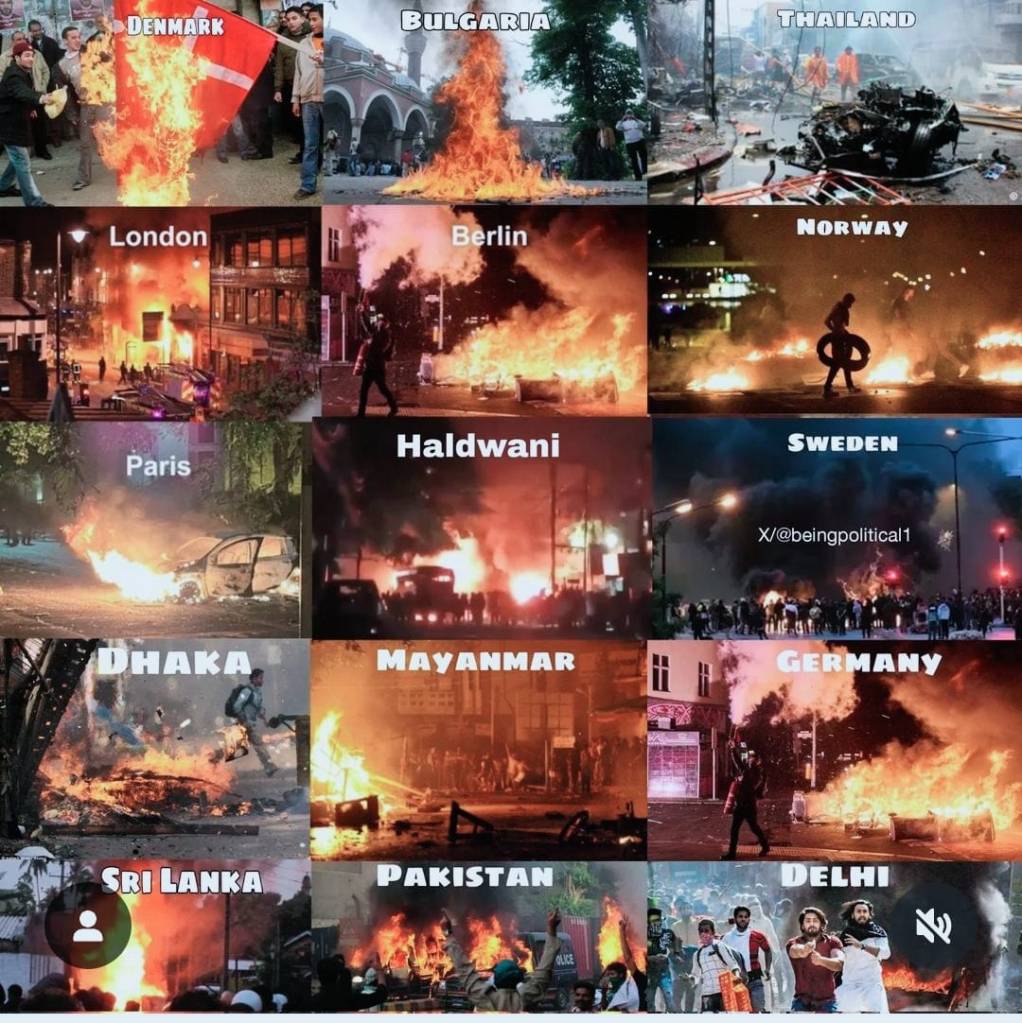
In the context of the evolving landscape of terrorism, the question remains: how can we effectively combat this pervasive threat? The answer lies in a multifaceted approach that encompasses not only intelligence and military strategies but also economic measures and community engagement. Building resilience within affected communities, investing in education, and promoting social cohesion can help counter the narratives that fuel extremism.
As we reflect on the economic toll of terrorism, it becomes evident that the fight against this menace is not just about military might; it is about addressing the root causes that drive individuals toward violence. Countries must work collaboratively to share intelligence, enhance enforcement mechanisms, and tackle the financial networks that sustain terrorist organizations.
The trauma inflicted by attacks like those in Mumbai, New York Israel, serves as a grim reminder of the urgency to act. The scars left on individuals, families, and communities are profound, and the economic ramifications extend far beyond the immediate aftermath. It is imperative for governments, civil society, and the international community to unite in a concerted effort to combat terrorism, ensuring that the principles of justice and security prevail.

In a world that often feels increasingly divided, the fight against terrorism demands resilience, collaboration, and an unwavering commitment to peace. The statistics paint a sobering picture, but they also serve as a call to action. By confronting the issue head-on and addressing the underlying factors that contribute to extremist violence, we can work toward a future where safety, security, and prosperity are not just aspirations but fundamental rights for all.
The battle against terrorism is not solely a fight against armed groups; it is a struggle for the very fabric of society itself, a testament to our collective resolve to create a world free from the shadows of fear and violence. In this ongoing battle, the lessons learned from past tragedies must guide our actions, ensuring that we remain vigilant and proactive in safeguarding our communities against the scourge of terrorism. Only through unity and determination can we hope to build a safer world for ourselves and future generations.
Visit arjasrikanth.in/ @DrArjasreekanth for more insights
 SOCIAL PERSPECTIVES