Unmasking Injustice, Fear, and the Fight for Survival in a Fractured Nation
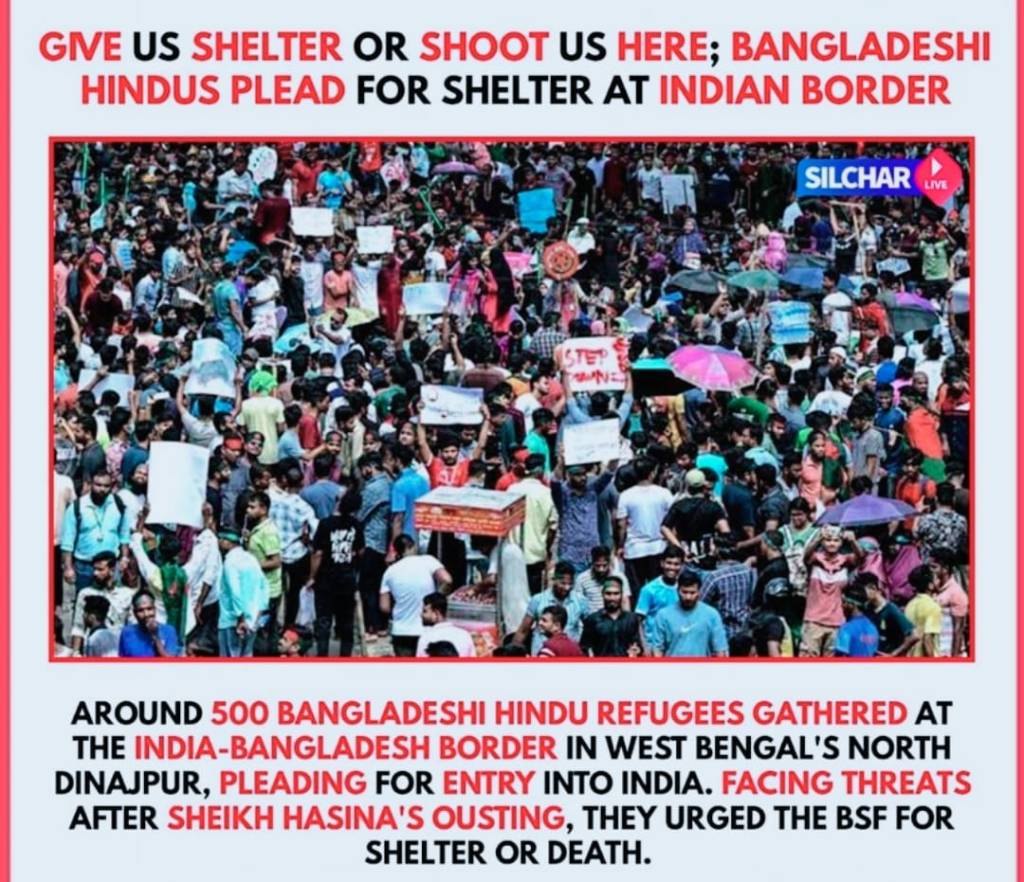
The plight of religious minorities, particularly the Hindu community in Bangladesh, has reached a critical juncture, often overshadowed by broader political narratives and geopolitical manoeuvrings. Recent developments highlight the urgent need for domestic and international attention to address the escalating violence and discrimination against these vulnerable groups.
Reports of increasing violence against Hindus in Bangladesh are not isolated incidents but part of a troubling pattern that has unfolded over decades. Since Bangladesh’s independence, the Hindu population has plummeted from approximately 30% to less than 8%, underscoring the systemic marginalization and persecution they face. Acts of violence, including the desecration of temples and targeted attacks on communities, have left a deep scar on the country’s social fabric. These incidents demand immediate governmental action to ensure justice and protect the fundamental rights of all citizens, regardless of their religious affiliation.

Amid this crisis, the Hindu community’s calls for protection resonate as a desperate plea for recognition and action. They argue that the government must uphold its constitutional duty to provide safety and security to all its citizens. The recurring violence against minorities has cultivated an environment of fear and insecurity that can only be mitigated through decisive intervention and robust policy measures. The involvement of all stakeholders, including community leaders and civil society, is critical in addressing these challenges and fostering a sense of inclusivity.
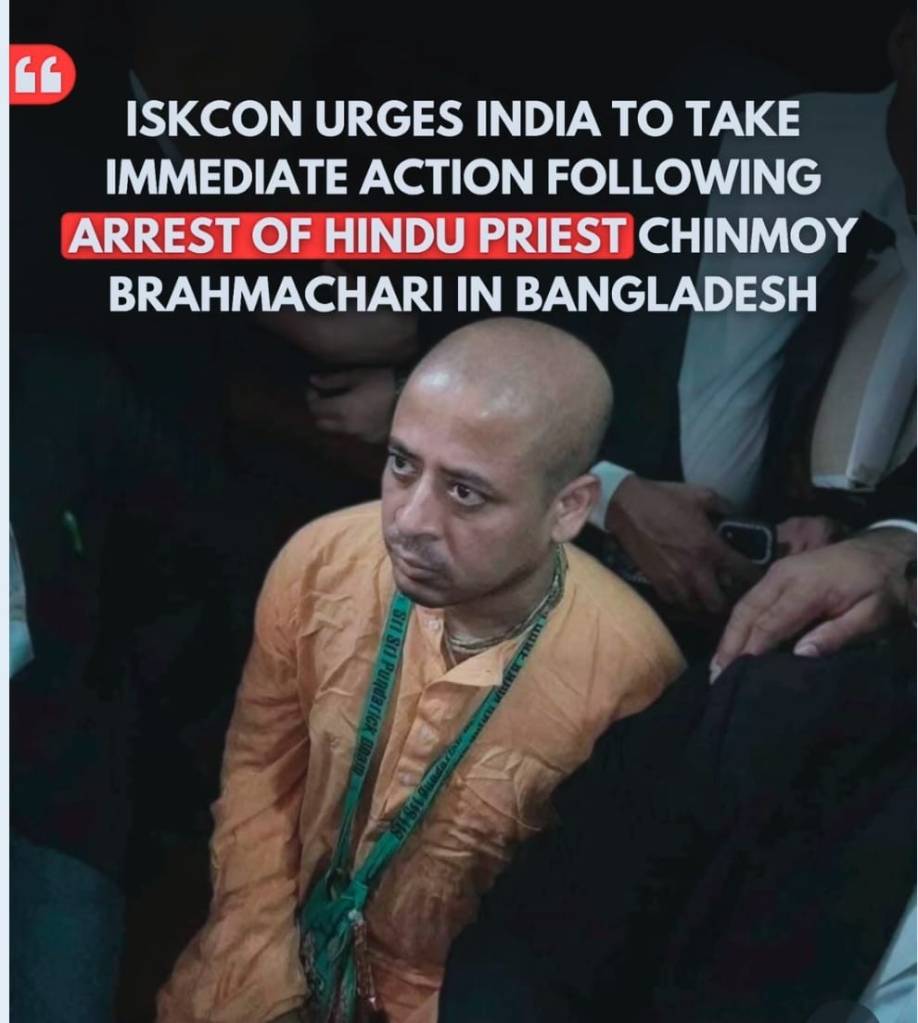
Adding complexity to the situation is the targeting of organizations like the International Society for Krishna Consciousness (ISKCON). As a global movement promoting universal values of compassion and service, ISKCON has been a beacon of hope for many in the Hindu community. Yet, recent attacks on its temples and members highlight the growing hostility from radical elements. Such incidents not only threaten the existence of these organizations but also strike at the core of religious freedom in Bangladesh.
Statements from government representatives often paint a starkly different picture. For instance, the Law Ministry, through figures like Asif Nazrul, has asserted that minorities feel safer under the current administration. However, these claims have been met with widespread scepticism. Surveys reveal that a significant portion of the population—64.1%, according to some reports—believes the government is failing to ensure the safety of minorities. This disconnect between official narratives and ground realities raises critical questions about the credibility and effectiveness of the administration’s efforts.
The issue also carries profound geopolitical implications. Many have criticized the Bangladeshi administration for using external surveys, such as those conducted by Voice of America, to downplay the atrocities against minorities. He argues that these narratives distract from the urgent need to address the systemic violence and discrimination faced by marginalized communities.
The roots of this crisis can be traced back to Bangladesh’s liberation struggle in 1971. Historical grievances, including allegations of collaboration with Pakistan by certain political figures, have left a legacy of mistrust and division. This history continues to influence contemporary inter-community relations and complicates efforts to achieve reconciliation and unity.
As global awareness of these issues grows, calls for intervention from international leaders are becoming more pronounced. During his campaign, former U.S. President Donald Trump highlighted the need to address violence against Hindu minorities in Bangladesh, urging stronger action from the United States. Whether such rhetoric will translate into tangible policy shifts remains uncertain, particularly as the Biden administration navigates its strategic interests in the region, primarily focused on countering China’s influence. Critics argue that these geopolitical considerations often overshadow human rights concerns, allowing oppressive policies to persist unchecked.

Despite the bleak circumstances, there are glimmers of hope. Acts of solidarity between Muslim and Hindu communities in Bangladesh demonstrate the potential for inter-community dialogue and cooperation. Many Muslim citizens have expressed their support for their Hindu neighbour’s, emphasizing the shared humanity that transcends religious divides. Such gestures are vital for building bridges in a society increasingly polarized by politics and ideology.
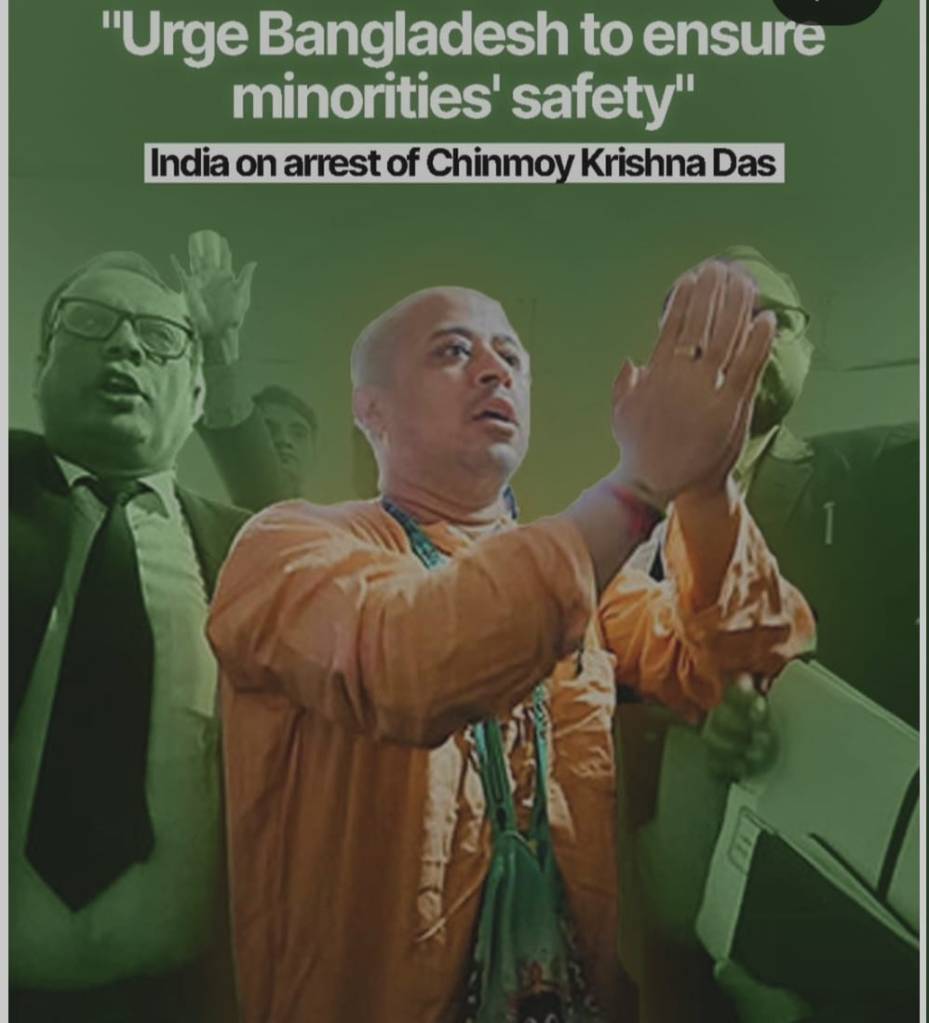
India, as a neighboring country with deep historical and cultural ties to Bangladesh, has a significant role to play in addressing this crisis. The Indian government, led by the Prime Minister and the Ministry of External Affairs, must take a firm stance on the issue, advocating for the protection of minorities and considering economic measures if the violence continues unabated. The legacy of the 1971 genocide serves as a stark reminder of the consequences of inaction, urging the global community to hold the Bangladeshi government accountable for safeguarding its most vulnerable populations.
The narrative surrounding the treatment of minorities in Bangladesh is further complicated by allegations of foreign interference in its politics. Figures like Dr. Muhammad Yunus have been accused of collaborating with external powers to influence the country’s internal dynamics. Such allegations raise concerns about the role of international actors in exacerbating or mitigating the crisis.
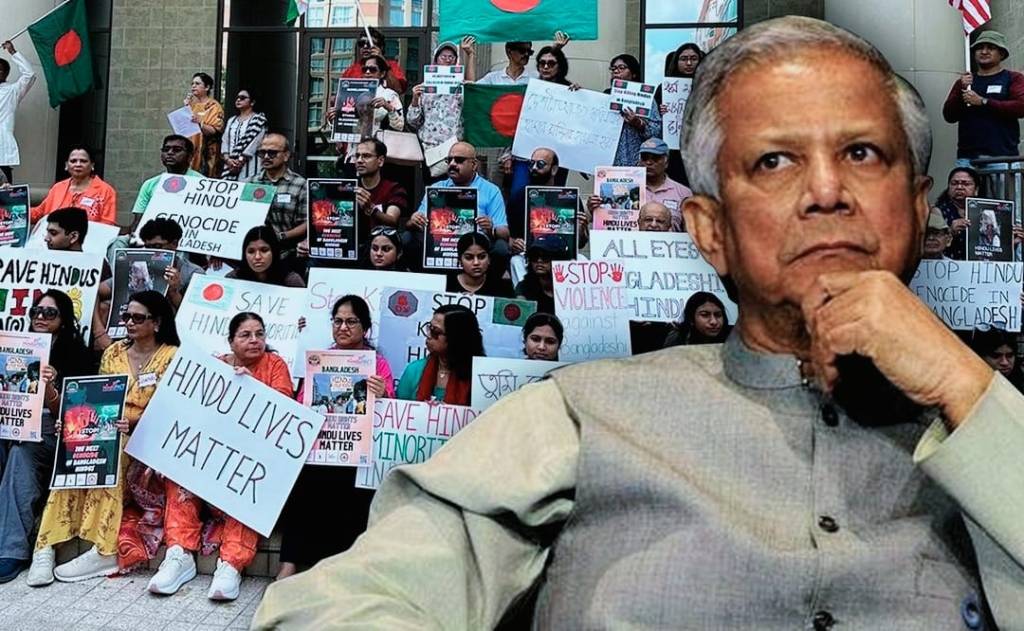
As the world watches, the situation in Bangladesh stands as a test of its commitment to justice and human rights. The international community must amplify the voices of those affected by violence and discrimination while addressing the broader geopolitical factors that shape the narrative. Advocacy for peace and tolerance must transcend national and religious boundaries, fostering a unified front against hatred and oppression.
The challenges facing Bangladesh are immense, but so are the opportunities for transformative change. By promoting dialogue, understanding, and cooperation among communities, Bangladesh can aspire to a future where all its citizens live in harmony and security. The lessons of history and the values of justice must guide the nation’s journey toward peace, ensuring that the shadows of persecution give way to the light of unity and compassion.
Visit arjasrikanth.in for more insights
Also @DrArjasreekanth on X
 SOCIAL PERSPECTIVES