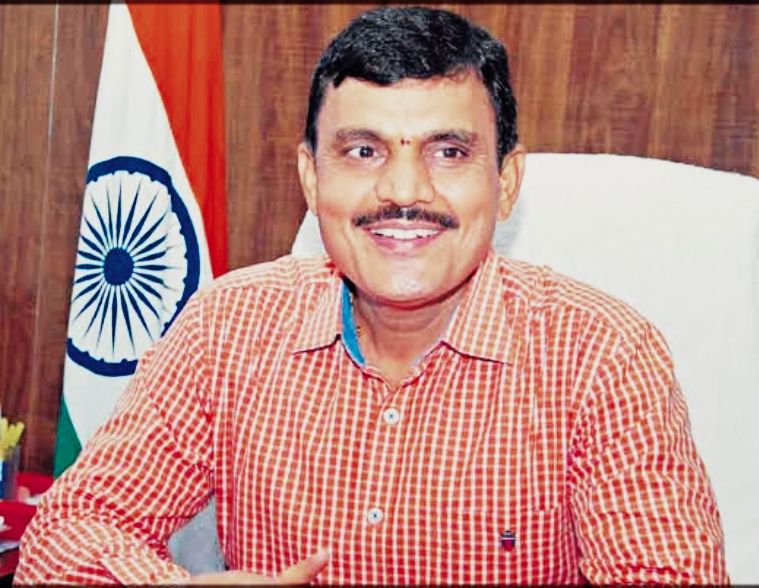
**From Tribal Roots to IAS Glory: The Unfolding Saga of Transformation Through Resilience!**
History frequently spotlights inspiring figures whose journeys defy social and personal limits, reshaping our world through vision and courage. They emerge from diverse backgrounds, yet their shared resolve to challenge the status quo and leave a legacy resonates across generations. One such extraordinary figure in contemporary India is Dr. A. Sharath, an IAS officer whose life journey traces a compelling narrative from the humble tribal landscapes of Telangana to exalted heights of public service. His story epitomizes a relentless quest to uplift marginalized communities, illuminating the profound impact that determination, innovation, and compassion can instigate in society.
Born into the Lambadi tribal community in the Nalgonda district, this remarkable individual’s life was anything but privileged. Instead, he emerged from an environment where opportunities were scarce, and challenges were abundant. Rather than being deterred by these obstacles, he transformed them into motivating forces, charting a path that defied societal expectations. His ascent to the esteemed Indian Administrative Service (IAS) becomes not just a personal accomplishment but a testament to the resolute spirit that drives people towards societal transformation.
This narrative encapsulates an invaluable lesson in resilience and service. Growing up in a tribal family devoid of wealth, he faced limited access to essential resources. Yet, these challenges were the catalysts that ignited his resolve to forge change not merely for himself but for those in dire need. His journey to the IAS wasn’t a fleeting ambition; it became a mission grounded in a profound commitment to enhancing lives across his community. This trajectory revealed a beginning where every achievement heralded a new opportunity to improve communal welfare.
As he embarked on his career, each role he undertook allowed him to interact closely with tribal communities. Initially serving as a Tribal Project Officer, he tackled the pressing issues gripping tribal regions—education, healthcare, and livelihoods—leveraging local knowledge and culturally- sensitive approaches. His models, rooted in sustainable practices, focused not merely on addressing immediate woes but looking toward long-lasting resilience. His inconspicuous beginnings forged a leader who would later influence policies and administrative frameworks not just locally, but also through impact felt across India.
Ascending to key positions such as District Magistrate and Collector, his tenure solidified his reputation as an innovative leader. “Together we will win,” his emblematic mantra reverberated through his communities, serving as a clarion call for collaboration. In cultivating a participatory governance approach, he mobilized people toward collective progress, revolutionizing governance practices extending from land rights to healthcare services. His visionary leadership transformed districts into models of administrative efficiency, uplifting educational institutions to top state rankings, all while improving healthcare access and standards.
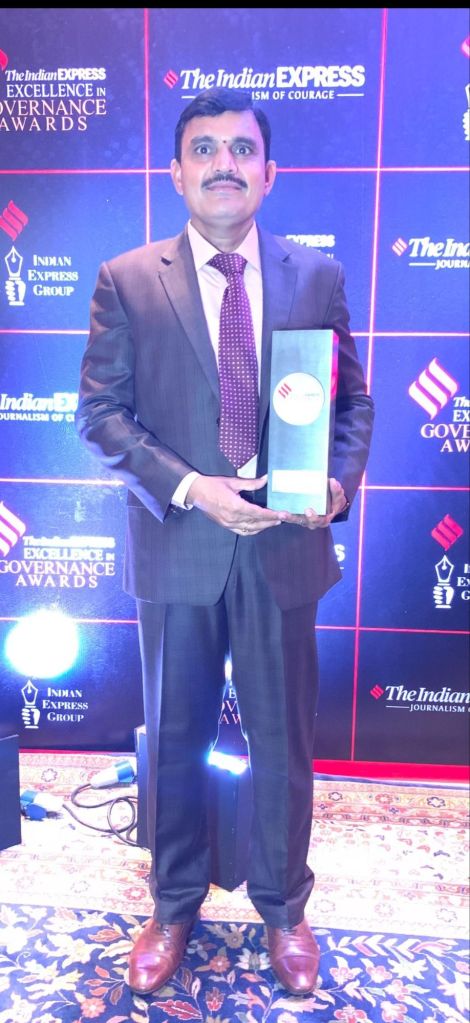
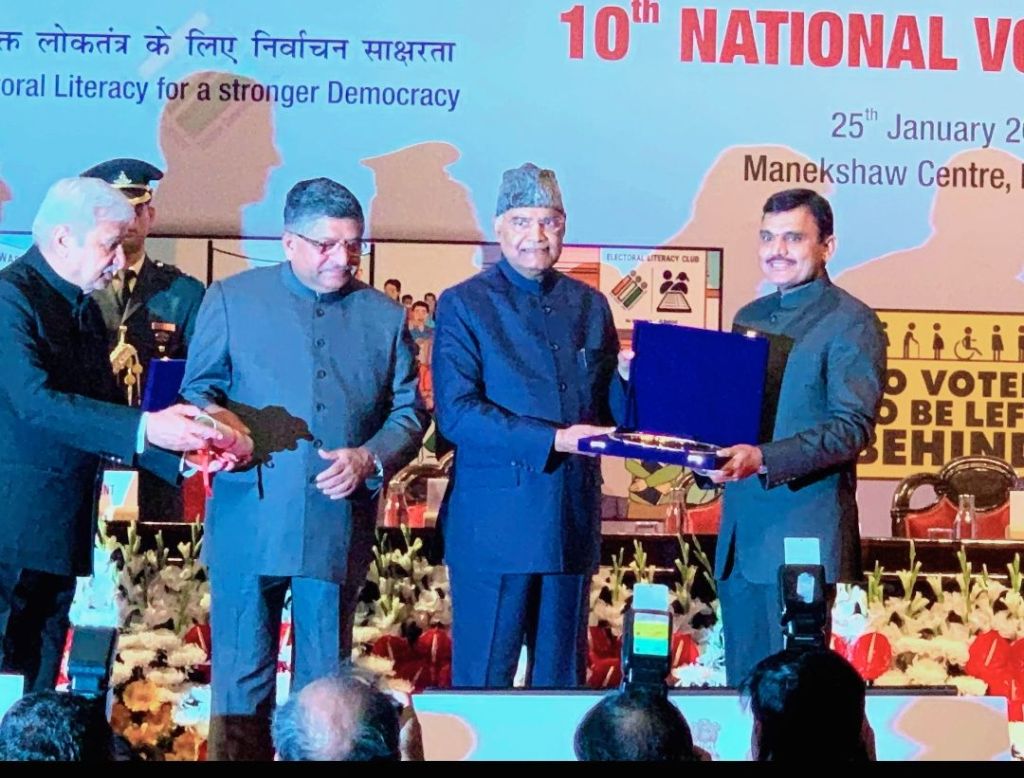
The numerous accolades he received reflect the magnitude of his contributions to society. Named in honor by community members through infrastructure and landmarks—a remarkable honor for any public servant—his achievements resonated beyond personal accolades. Receiving two national awards from the President of India underscores his meaningful and impactful work as District Magistrate, carving inroads towards transformative community upliftment.
His diverse roles—spanning Commissioner of Panchayat Raj, Secretary of the Tribal Welfare Department, and Vice Chairman of the Girijan Cooperative Corporation (GCC)—illustrate a comprehensive, systems-thinking approach to public administration. He embraced technology and innovation, ensuring streamlined service delivery, transparency, and efficiency across government tiers. By fostering market linkages and promoting tribal produce, he forged pathways for economic empowerment while diligently preserving traditional cultural practices, marking an intertwining of growth and heritage.
Central to his illustrious narrative is a steadfast commitment to the welfare of tribal communities, grappling with the complexities of systemic injustices. He established initiatives encompassing educational upliftment, healthcare access, and economic independence, embodying sustainable development principles that promise enduring change. Fostering skills and supporting entrepreneurship, he laid the groundwork for a brighter and more equitable future.
More than merely a civil servant, he emerged as a forward-thinking leader where public service intersects sustainability. His approach advocates for a circular economy, underscoring the importance of ecological balance alongside development, reflecting visionary leadership that harmonizes progress with environmental stewardship—an urgent narrative for future generations.
Across three decades of impressive service, this IAS officer exemplifies tireless dedication and relentless pursuit for betterment. His work ethic rivals that of newcomers, rooted in purpose—a tenet that drives him to see public service not as mere duties, but as essential components of a broader mission to uplift society.
This journey stands testament to the transformative power of value-oriented leadership. By merging compassion, integrity, and innovative thinking, he demonstrates that meaningful change emerges through collaborative action. His legacy not only inspires others but also incites a call to action among the next generation of public servants to pursue change with undeterred resolve.
In the annals of Indian public service, Dr. A. sharath’s IAS narrative shines brightly, heralding a shift towards governance focused on the marginalized. Ultimately, his story reaffirms the profound truth that genuine leadership transcends accolades or positions; it resides in the lives uplifted, the systems refined, and the baton of justice and compassion carried forward. As he continues his work, he embodies an ethos poised for the capturing of hope, equity, and sustainability, inscribing a new chapter in India’s socio-economic tapestry.
Visit arjasrikanth.in for more insights
Also @DrArjasreekanth on X
 SOCIAL PERSPECTIVES
One response to “Echoes of the Lambadi Legacy: Dr. A. Sharath’s IAS , Defiance of Limits”
yes,he is a legend personality having vast experience in tribal issues and ensured their upliftment where ever he worked in the capacities from ITDA project officer to Dist Collector level and now Prl secratary to Tribal dept of Telangana.👌👏💐🌹🙏
LikeLike