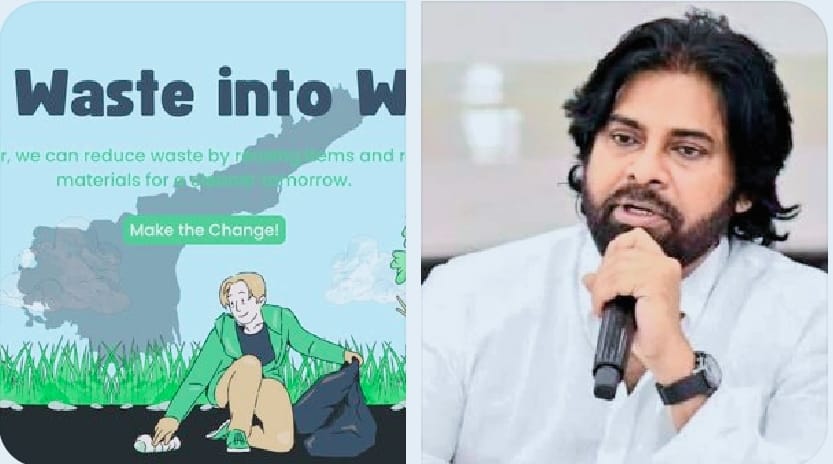
“From Polluted Pastures to Prosperous Villages – Andhra Pradesh’s Bold Step Toward Sustainability“
Waste is not merely an environmental challenge; it is a lost economic opportunity. In Andhra Pradesh, the reality of rural waste management underscores this paradox. While urban conglomerates leverage recycling units to create wealth, over 70% of the 6,500 tonnes of daily waste in the state is generated across its 13,000 villages. Most of this rural waste ends up polluting water bodies, canals, and village outskirts, exposing rural and animal populations to severe health risks.
Deputy Chief Minister Pawan Kalyan has championed a ground-breaking initiative to bridge this gap, bringing a vision of economic viability to rural waste management. With a proactive plan to establish cluster dump yards and create wealth from waste, Kalyan’s strategy represents a turning point for Andhra Pradesh’s rural development. The comprehensive initiative is rooted in infrastructure development, environmental sustainability, and an inclusive approach to community well-being.
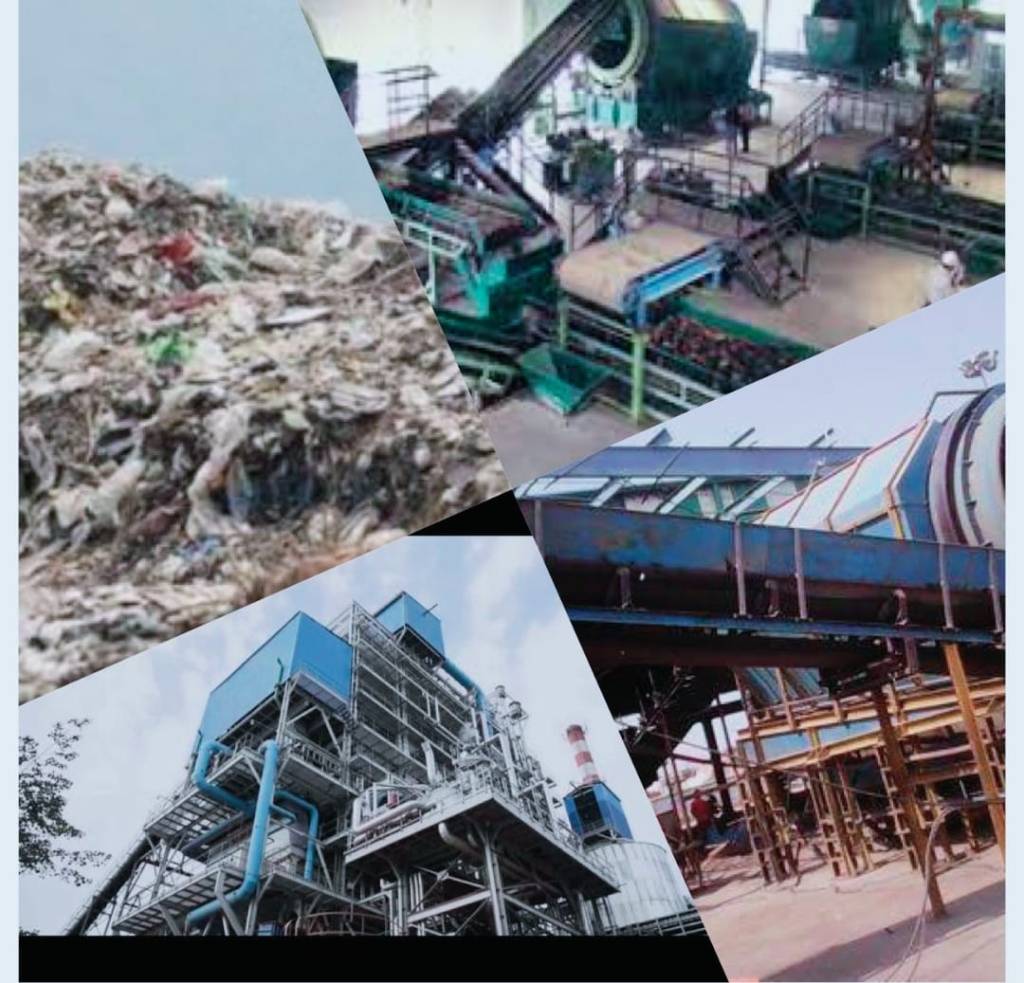
Andhra Pradesh, with 16,152 inhabited revenue villages and 689 hamlets, has 96.03% of its villages populated. The state’s 26 districts include over 13,324 village panchayats, many of which lack structured waste management systems. The significance of addressing rural waste lies not just in its volume but also in its composition and effects.
India as a whole generates 1.15 lakh metric tons of municipal solid waste daily, with only 23% processed or treated. Andhra Pradesh contributes a significant portion, with 6,440 tonnes per day generated by urban local bodies alone. However, the rural areas, home to 70.53% of the state’s population, contribute the lion’s share of the state’s overall waste. Yet, unlike urban centres with established recycling facilities, rural areas are left behind due to economic constraints and infrastructural gaps.
One of the most transformative aspects of Kalyan’s vision is the concept of **cluster dump yards**. This approach involves establishing centralized waste disposal facilities for groups of 10–15 gram panchayats. The move addresses a persistent issue: the unavailability of adequate government land for individual dumping yards in each village. By pooling resources and fostering collaboration among neighboring gram panchayats, this model offers a scalable and sustainable solution.

The benefits of cluster dump yards extend beyond waste management. These shared facilities promote inter-village cooperation, reduce land use for waste disposal, and enable the creation of centralized recycling and composting units. Moreover, they form the backbone of a system that ensures waste is seen not as a problem but as an opportunity to generate wealth.
The cluster dump yard initiative complements Andhra Pradesh’s existing waste management programs, particularly the establishment of Solid Waste Processing Centres (SWPCs). Under the Mahatma Gandhi National Rural Employment Guarantee Scheme (MGNREGS), the state has constructed 10,808 SWPCs, of which many are made non functional during last five years. These centres process waste into compost and segregate recyclables, demonstrating the economic potential of waste.
The state’s flagship branded compost, “Amaravathi Gold,” highlights the innovative outcomes of these centres. Derived from biodegradable waste, the compost is sold to agricultural communities, creating a circular economy. By expanding the functionality of SWPCs and linking them with cluster dump yards, Kalyan’s strategy aims to ensure a seamless system from collection to wealth generation.
One of the key barriers to rural waste management has been economic feasibility. Recycling and waste processing have traditionally been concentrated in urban areas where economies of scale justify the investment. Rural areas, with their dispersed populations, struggle to attract such initiatives.
Kalyan’s plan tackles this challenge head-on by emphasizing self-sustainability and resource optimization. The cluster model reduces costs by sharing facilities, while compost and recycled materials provide revenue streams. Additionally, the government’s commitment to funding operations and seeking financial support from the 15th Finance Commission ensures the initiative’s long-term viability.
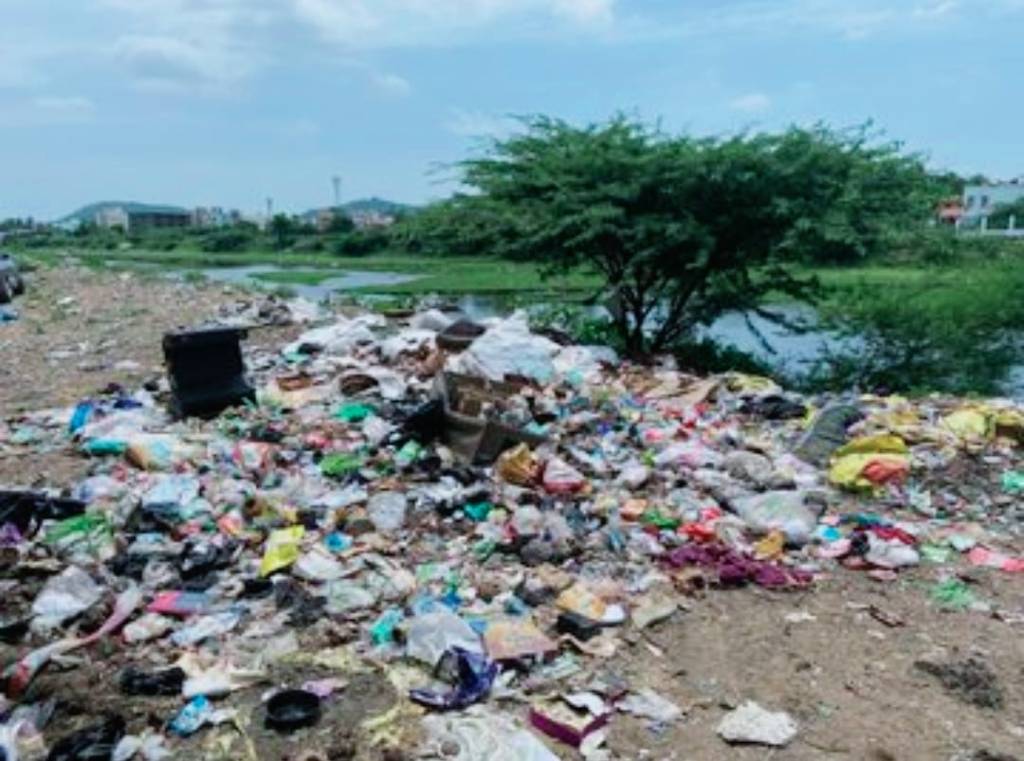
Improving rural waste management is not just an economic exercise—it is a social and environmental imperative. The improper disposal of waste in rural areas often leads to the contamination of water bodies and agricultural fields, threatening livelihoods and public health. Pawan Kalyan’s initiative directly addresses these concerns, offering a cleaner, healthier environment for rural communities.
The initiative also highlights inclusivity. By involving local communities in waste collection and processing, the program fosters a sense of ownership and responsibility among residents. Green Ambassadors and village volunteers play a pivotal role, ensuring community engagement and accountability.
The vision of Pawan Kalyan is ambitious but achievable. By March 2025, his plan includes reviving 1,426 non-functional SWPCs and ensuring that partially functional ones are fully operational. The goal of making all Gram Panchayats self-sustainable by 2026 reflects a commitment to long-term success. This timeline emphasizes action and results, not just policy.
Moreover, the initiative serves as a blueprint for other states grappling with similar challenges. By proving that rural waste management can be economically viable and socially impactful, Andhra Pradesh is setting a precedent for sustainable rural development nationwide.
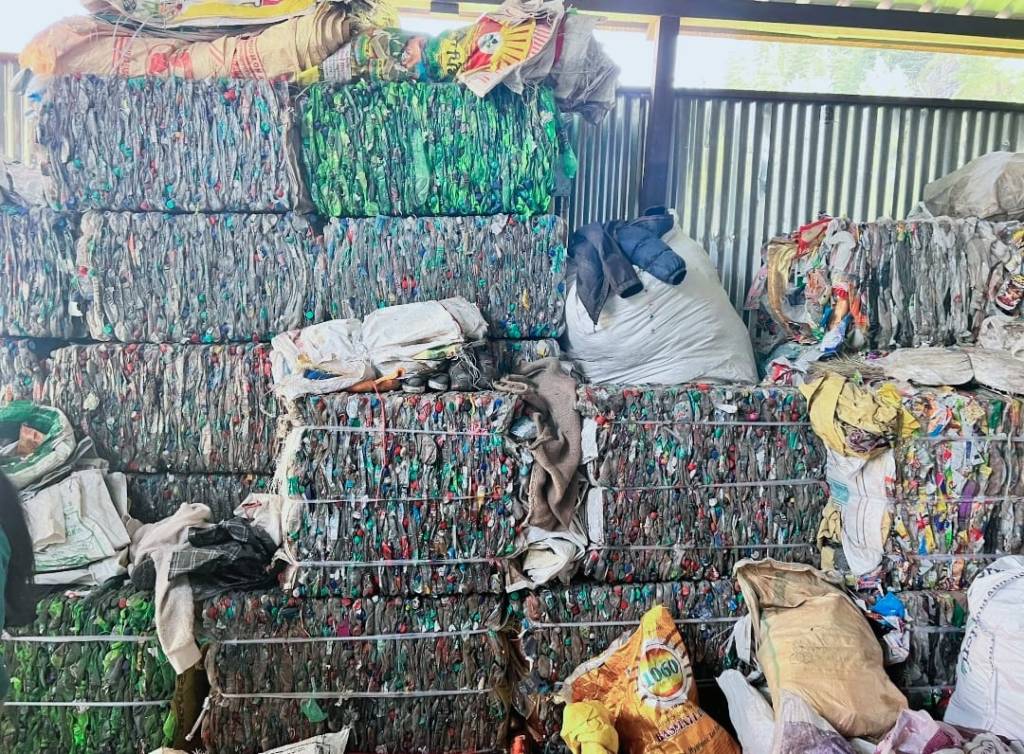
Rural waste management in Andhra Pradesh is no longer a neglected issue, thanks to the visionary leadership of Pawan Kalyan. By creating wealth from waste, establishing cluster dump yards, and strengthening SWPCs, the state is on the path to a cleaner, healthier, and more prosperous future. The initiative transforms waste from a burden to a resource, highlighting the interconnectedness of environmental sustainability, economic growth, and community well-being. Andhra Pradesh is not just managing waste—it is redefining it as an asset. In the words of Deputy Chief Minister Pawan Kalyan, the ultimate goal is to ensure that “no rural community is left behind in the journey towards sustainable development.”
Visit arjasrikanth.in for more insights
 SOCIAL PERSPECTIVES