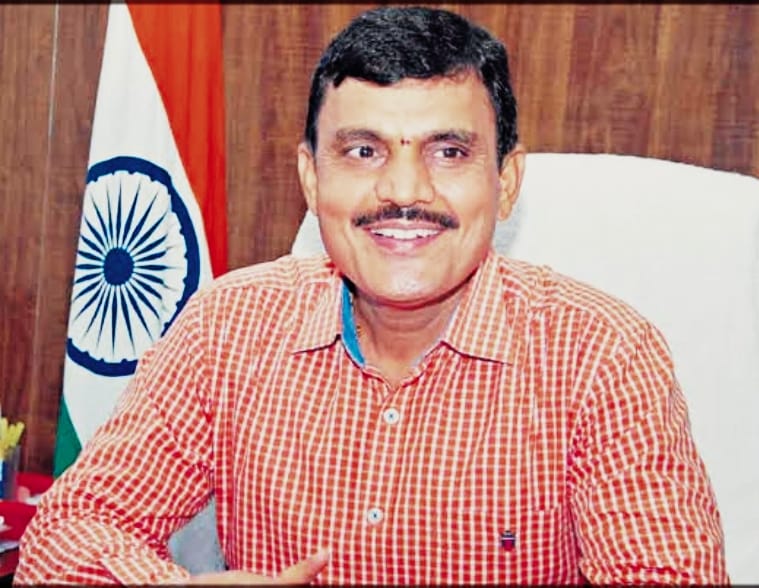
“From the Heart of a Village to the Soul of a Nation: Dr. A. Sharath’s Journey of Unyielding Resolve and Compassion”
History often echoes the inspiring journeys of individuals who dare to dream and defy limits, reshaping the world with vision and courage. Throughout time, we’ve seen figures, despite their varied backgrounds and missions, embody a relentless resolve to challenge the status quo, leaving legacies that endure for generations. Their stories encapsulate the essence of true leadership—not merely through power, but by making a tangible impact on humanity. In contemporary India, a remarkable figure embodies this spirit of service and change: Dr. A. Sharath, an IAS officer whose life journey from the modest tribal landscapes of Telangana to the heights of public service reflects an extraordinary tale of triumph over adversity. Driven by an unwavering commitment to uplift the marginalized, he strives tirelessly to transform lives and inspire hope. This narrative serves as a powerful reminder that with vision, dedication, and courage, one can ignite change and foster a brighter future for their community.
Emerging from the Lambadi tribal community in Nalgonda district, this journey has turned obstacles into stepping stones, navigating the murky waters of socio-economic challenges to stand as a beacon of hope for many. Born into a world where opportunities were few and challenges aplenty, he charted a path that defied expectations. His ascent to the prestigious Indian Administrative Service (IAS) was not merely the culmination of personal ambition; it was a testament to the power of perseverance and vision aimed at societal transformation.
This narrative is a masterclass in resilience and service. His upbringing in a tribal family, far from the bustling corridors of power and privilege, was characterized by limited access to resources. Yet, these very limitations became the seeds of his resolve to initiate change. What began as a personal journey swiftly transformed into a broader mission to enhance the lives of those who need it most. His rise to the IAS didn’t just symbolize a personal victory; it marked the beginning of a career wherein every achievement would be carefully oriented towards expansive community welfare.
From his initial roles interacting directly with tribal communities, he set a new standard in public service. As a Tribal Project Officer, he addressed core issues plaguing tribal areas—from education and healthcare to livelihoods—through tailored programs leveraging local strengths while focusing on long-term solutions rather than transient fixes. The models he implemented, especially in the realms of education, health, and livelihood, soon gained recognition, influencing policies within India and encouraging similar approaches in neighboring regions.
His tenure as District Magistrate and Collector further crystallized his reputation as an innovative leader. “Together we will win,” his mantra, wasn’t just a slogan but a call to collaborative action. By cultivating a participatory environment, he mobilized communities towards collective progress, revolutionizing aspects of governance ranging from land rights to healthcare delivery. Under his visionary leadership, various districts became benchmarks of efficient administration. Educational institutions saw remarkable improvement, becoming top performers in state rankings, while healthcare services were restructured to prioritize accessibility and quality.
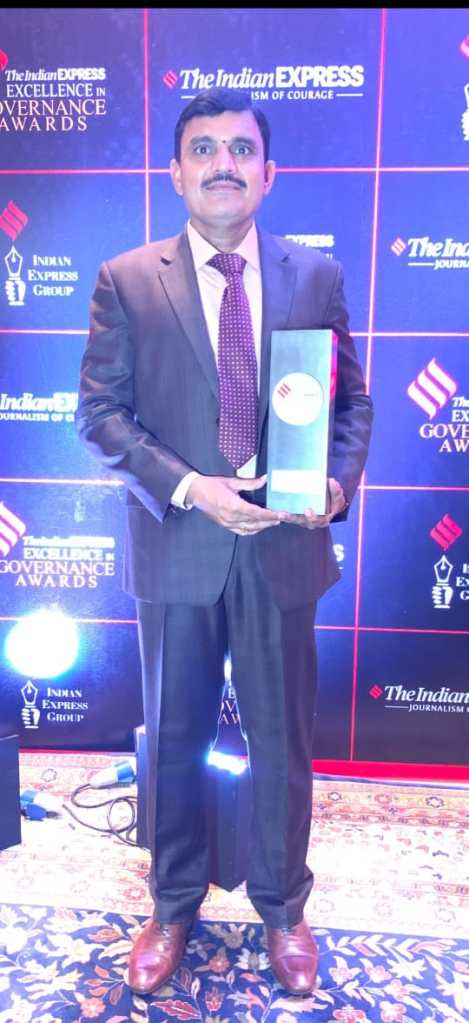
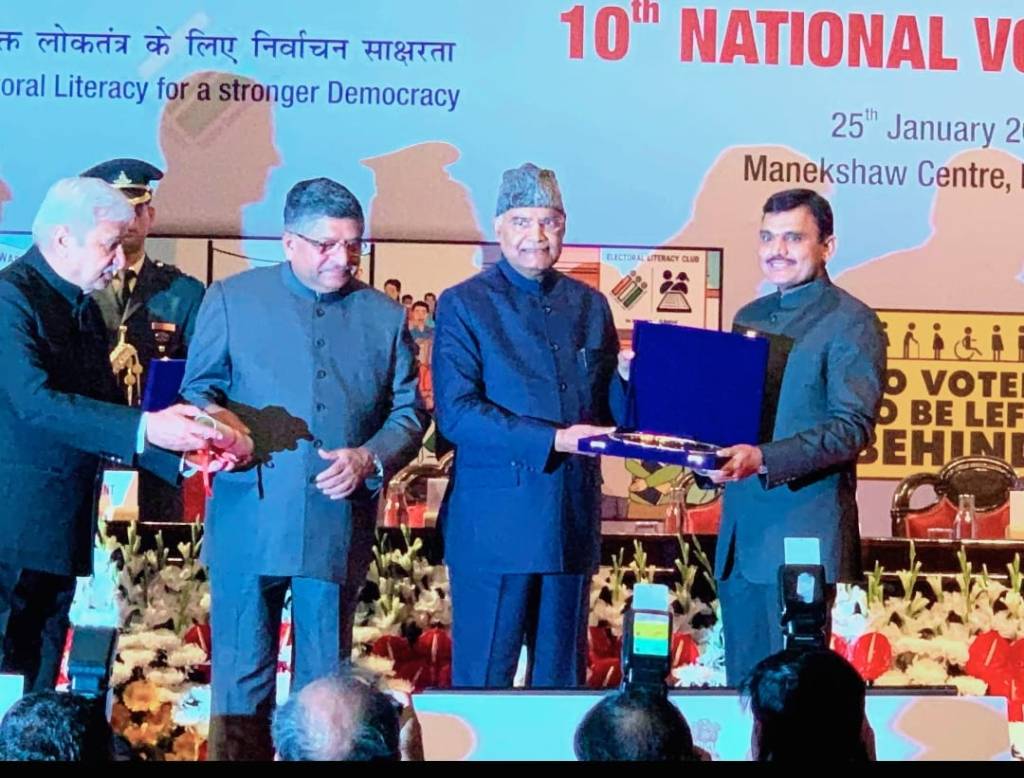
The accolades he has received are numerous, reflecting the breadth and depth of his contributions. Community members, recognizing his unwavering dedication, have honoured him by naming infrastructure and landmarks after him—a rare tribute for any public servant. Furthermore, the numerous awards from regional and national authorities, including two coveted national awards from the President of India for exemplary performance as District Magistrate, underscore the significant, life-changing impact of his work.
His diverse roles, spanning Commissioner of Panchayat Raj and Rural Development to Secretary of the Tribal Welfare Department, showcase his systemic approach to public administration. Leveraging technology, he has relentlessly pursued improvements in service delivery, enhancing transparency and efficiency across various governmental tiers. As the Vice Chairman and Managing Director of the Girijan Cooperative Corporation (GCC), his innovative leadership style came to the fore. By forging market linkages and promoting tribal produce, he has facilitated economic empowerment while ensuring cultural preservation—a balancing act achieved with remarkable deftness.
Central to his illustrious career is his steadfast commitment to tribal welfare. Understanding the multifaceted challenges these communities face—often entrenched in systemic complexities—he has embarked on initiatives ranging from educational upliftment and healthcare access to fostering economic independence. His strategies extend beyond temporary solutions; they emphasize sustainable development. By fostering skill development, supporting entrepreneurship, and ensuring equitable access to resources, he is laying a foundation that promises enduring progress.
More than a civil servant, he stands as a forward-thinking leader whose work intersects public service and sustainability. His initiatives embrace a circular economy mindset, ensuring that development does not compromise ecological balance. Such initiatives speak to his foresight—recognizing paths to harmonize growth with ecological stewardship, which safeguard the interests of future generations.
In a career spanning over three decades, he exemplifies tireless service and passionate commitment. His work ethic mirrors that of a newcomer—persistently enthusiastic and motivated by the belief that the mission of public service is ever-evolving. A purpose-driven approach has consistently informed his actions, seen not merely as duties, but as components of a grander plan inspired by a calling to uplift humanity.
This journey is a resounding testament to the transformative power that value-oriented leadership can effect. His work demonstrates that enduring impact is achieved through a fusion of compassion, integrity, and innovation. As he continues to lead with unmatched zeal, his legacy not only stands as a source of inspiration but also challenges the next wave of public servants to pursue change with similarly resolute determination.
In the chronicles of Indian public service, Dr. A. Sharath’s IAS story serves as a beacon, marking a shift towards governance that genuinely prioritizes the welfare of the marginalized. His leadership reaffirms an eternal truth—that the truest form of leadership is measured not by accolades or titles, but by the quality of life uplifted, the systems refined, and the baton carried forward towards a more just and compassionate society. His narrative, while remarkable in its own right, is ultimately a collective one—championing a newfound ethos of hope, equity, and sustainability across India’s socio-economic landscape.
Visit arjasrikanth.in for more insights
 SOCIAL PERSPECTIVES