
BSNL’s Phoenix Rise: From Tariff Ashes to Telecom Titan on India’s Digital Playground
In the volatile saga of India’s telecommunications sector, where private giants like Reliance Jio and Bharti Airtel have shaped the narrative for years, an unexpected contender has risen from the shadows. Bharat Sanchar Nigam Limited (BSNL), once dismissed as an aging relic of public sector inefficiency, is rewriting the rules of the game. Its resurgence is not merely a corporate turnaround; it is a spectacle—a phoenix emerging from the ashes to challenge the titans of one of the most competitive industries in the world.
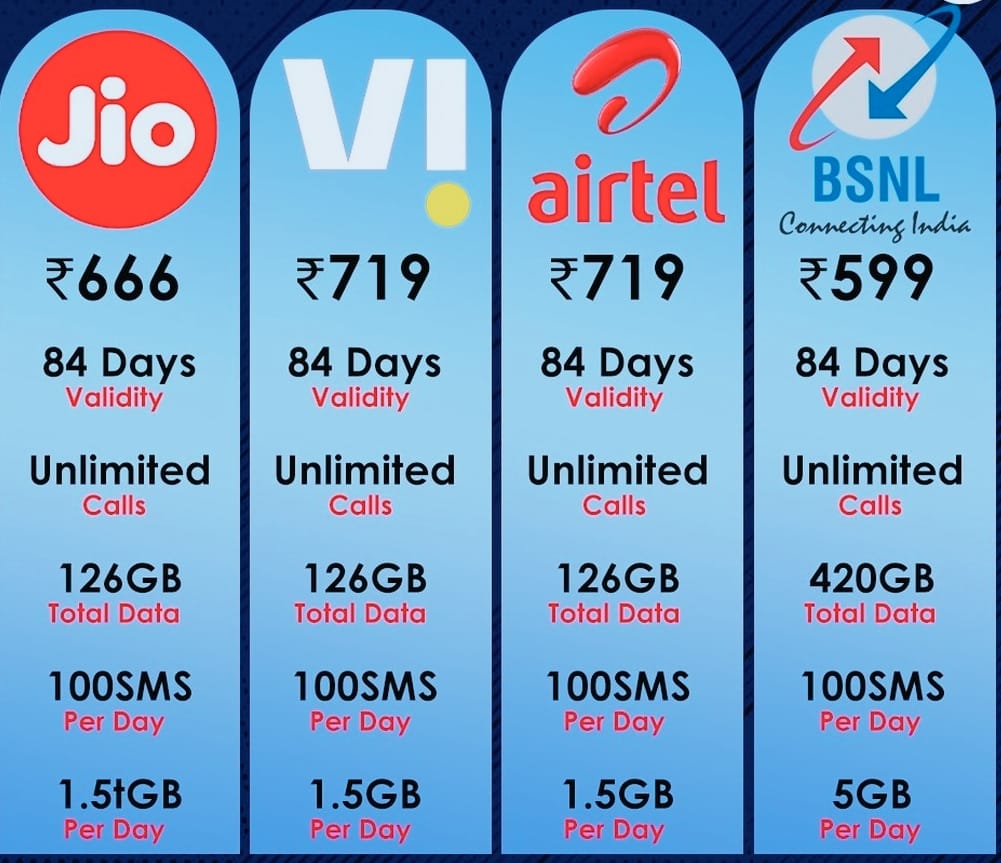
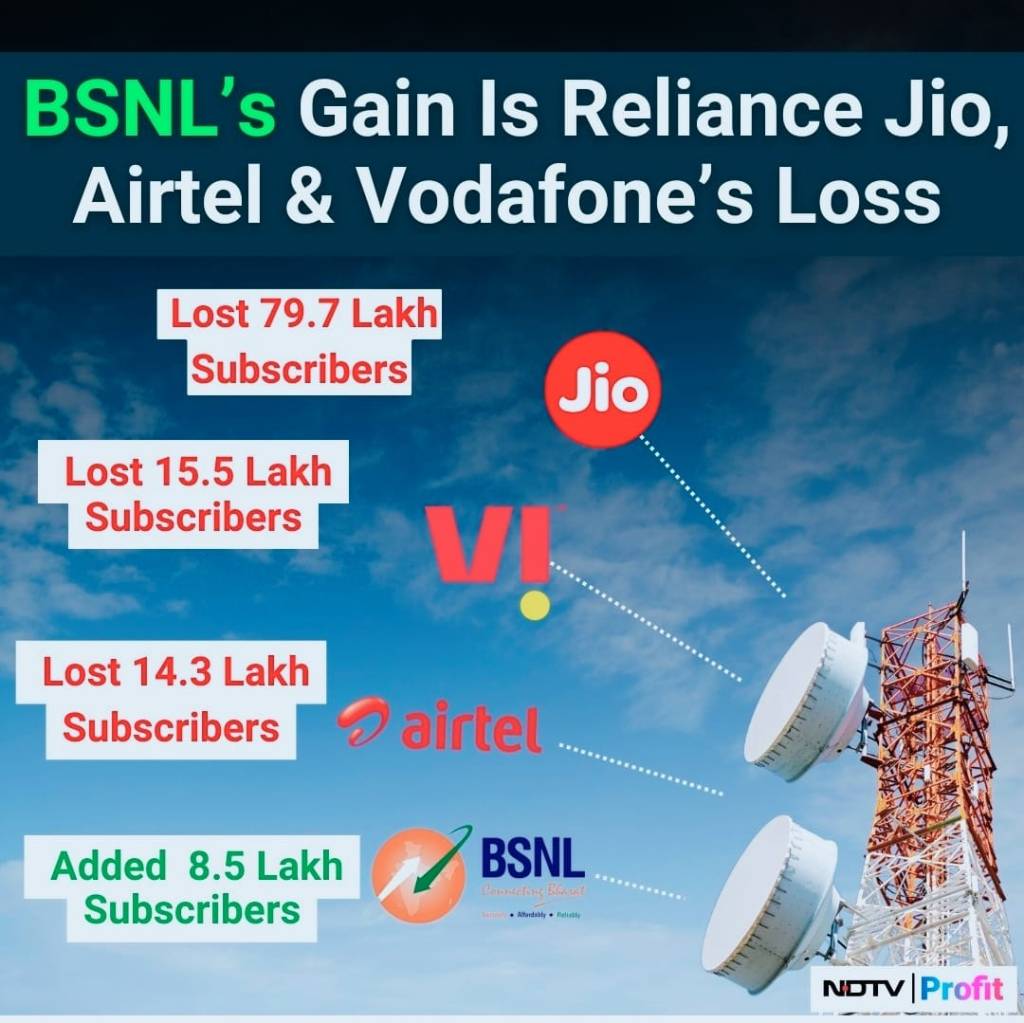
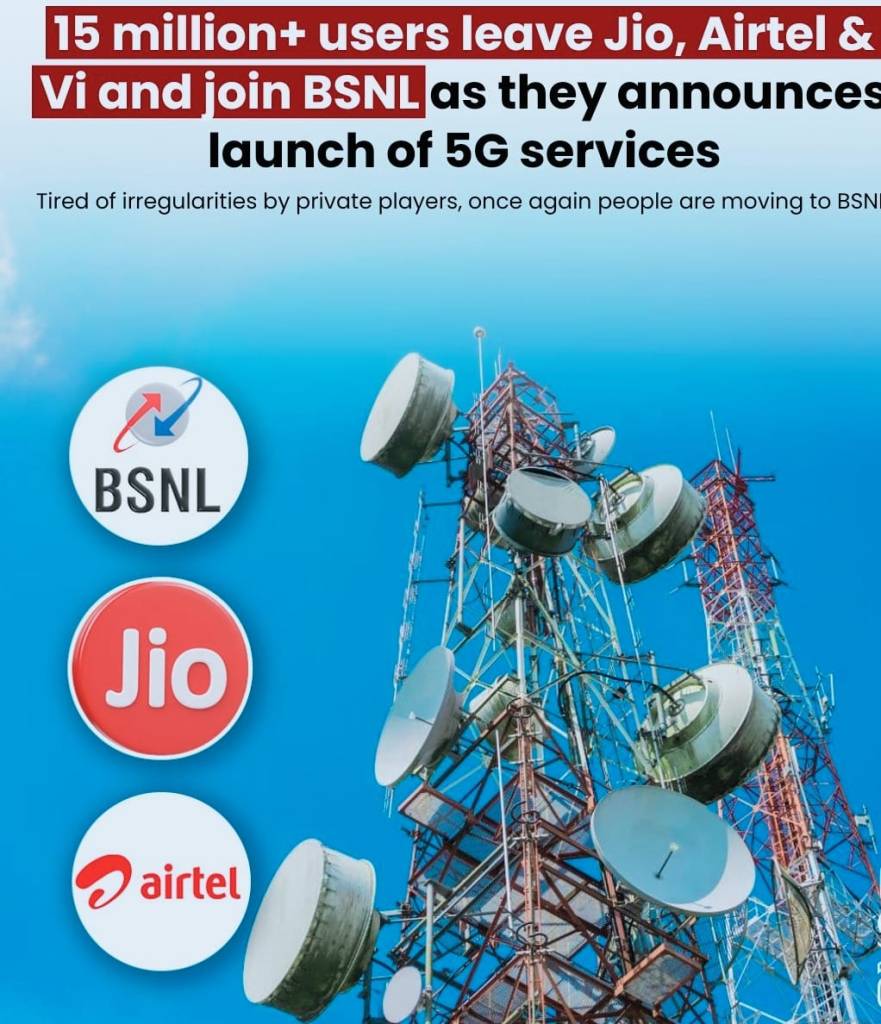
This dramatic revival is powered by an alchemy of strategic foresight, technological innovation, and unwavering government backing. At a time when Jio and Airtel chose to hike tariffs, alienating cost-sensitive consumers, BSNL made a bold counter-move. It steadfastly maintained affordable pricing, resonating deeply with customers facing rising telecom bills. The results were immediate and staggering: BSNL gained over 55 million new users between July and August alone, a testament to the enduring power of affordability in a price-sensitive market like India. This was not merely a business strategy; it was a masterstroke that turned adversity into opportunity.

Affordability, however, is just one piece of the puzzle. BSNL’s comeback is also a story of embracing technology and infrastructure expansion on an unprecedented scale. The company has rolled out over 41,000 4G towers, with plans to deploy an additional one lakh by June 2025. This massive investment is not merely about catching up with its competitors; it’s about bridging connectivity gaps in underserved areas and setting the stage for future growth. The adoption of satellite-to-device communication technology, which offers SIM-free connectivity, positions BSNL at the forefront of innovation. This is not the BSNL of yesteryears; this is a telecom player ready to redefine the industry’s technological landscape.
The Indian government’s steadfast support has been pivotal in BSNL’s transformation. In a sector dominated by private players, the state-run operator has received a lifeline through three monumental revival packages totaling ₹3.2 lakh crore. The 2019 package of ₹69,000 crore focused on operational restructuring and laying the groundwork for modernization. The 2022 package, worth ₹1.64 lakh crore, facilitated infrastructure upgrades, viability gap funding, and the merger of Bharat Broadband Network Limited (BBNL) with BSNL. Finally, the 2023 package allocated ₹89,047 crore to procure 4G/5G spectrum and expand connectivity to remote areas, drastically reducing the company’s debt from ₹32,944 crore to ₹22,289 crore. Since FY 2021-22, BSNL has even achieved operational profitability—a remarkable feat in a sector known for its razor-thin margins.
Beyond financial restructuring, BSNL’s role as a vehicle for digital inclusion underscores its broader significance. The Union Communications Minister has positioned BSNL as a linchpin in India’s vision for bridging the digital divide. By extending connectivity to remote and rural areas, BSNL has transcended its identity as a mere telecom provider, becoming a catalyst for socio-economic transformation. Its services empower marginalized communities, facilitating access to education, healthcare, and economic opportunities in regions long overlooked by private operators.
Yet, the challenges ahead are formidable. The telecom battleground is marked by rapid innovation, aggressive competition, and ever-evolving consumer demands. Jio’s unmatched infrastructure and Airtel’s premium services remain significant threats. For BSNL, sustaining its momentum requires an unrelenting focus on customer experience, technological upgrades, and operational efficiency. Legacy issues, including financial liabilities and bureaucratic inertia, still linger, threatening to undermine its long-term sustainability.
However, BSNL’s future is as much about opportunity as it is about challenge. Its re-entry into the broadband and enterprise solutions markets opens up lucrative revenue streams. Collaborations with tech innovators and private enterprises could accelerate its growth, while strategic partnerships might enhance its service portfolio. With its 5G rollout planned for 2025, BSNL has the potential to redefine its role in India’s digital ecosystem, from being a service provider to becoming a central player in the country’s technological ambitions.
BSNL’s story is a compelling reminder of what is possible when resilience meets vision. It has defied conventional wisdom, proving that even the most beleaguered entities can stage extraordinary comebacks. As the state-run telecom giant squares off against private behemoths, it is not merely competing; it is reshaping the very contours of the industry. For consumers, BSNL’s resurgence promises affordability, choice, and innovation—a much-needed antidote to the oligopolistic tendencies of the sector. For the industry, it is a cautionary tale that no player can be written off in an ever-evolving market.
The rise of BSNL is more than a comeback—it is a revolution. It embodies the spirit of reinvention, the power of strategic acumen, and the impact of government support in a hyper-competitive landscape. As the phoenix continues to soar, BSNL’s journey serves as an emblem of hope and a testament to the enduring potential of public sector enterprises in India’s dynamic economy.
Visit arjasrikanth.in for more insights
 SOCIAL PERSPECTIVES