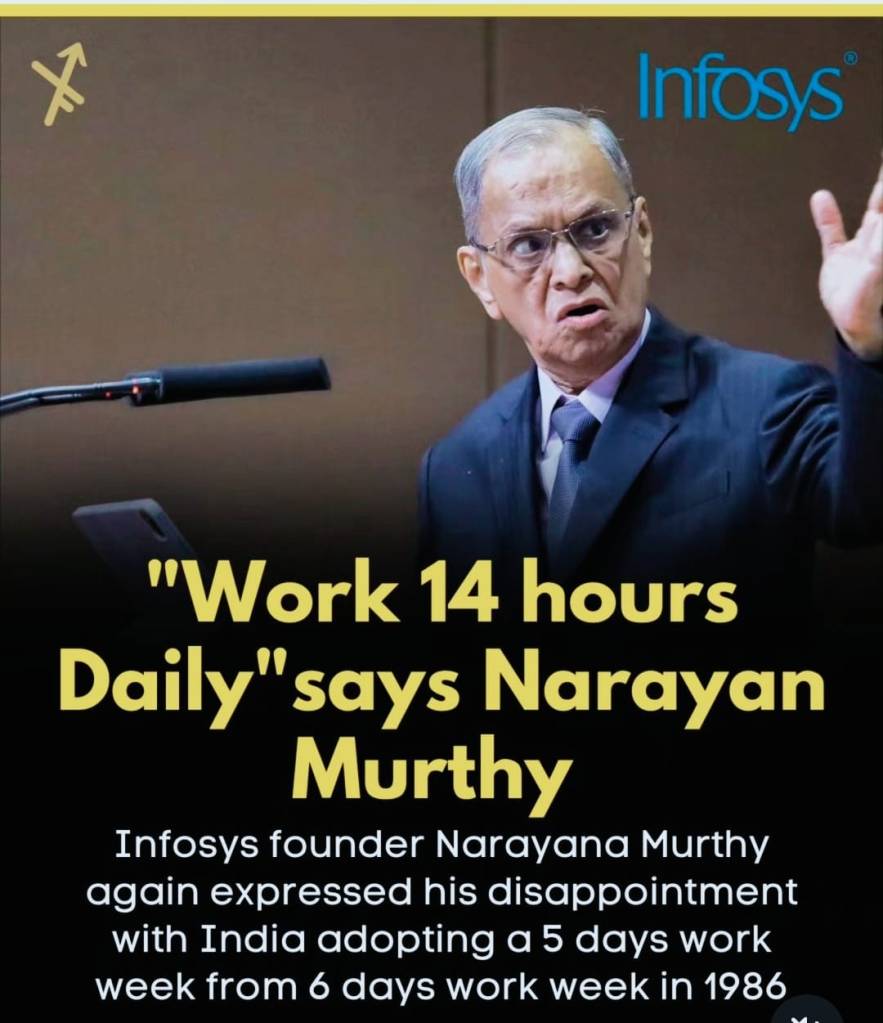
“Narayana Murthy’s Workaholic Wisdom vs. Wellness Revolution: India’s Clash Over the Workweek”
Narayana Murthy’s recent remarks criticizing India’s move from a six-day to a five-day workweek have ignited a fiery debate about the nation’s work culture. The Infosys co-founder, revered for his role in shaping India’s IT landscape, believes the shift could undermine long-term growth. Drawing inspiration from post-World War II Germany and Japan, Murthy argues that relentless dedication and sacrifice are the keys to transforming India into a global powerhouse. His own career, defined by 14-hour workdays starting at the crack of dawn, serves as a testament to his belief in hard work as the foundation of success.
However, the reality of India’s work culture paints a starkly different picture. On average, Indian workers clock 46.7 hours per week, placing the nation among the most overworked globally, second only to Bhutan. By comparison, employees in countries like the UK, USA, and Canada work between 34 and 40 hours weekly. But the problem in India goes beyond long hours. The pervasive expectation of constant availability—emails, calls, and messages at all hours—creates a toxic environment where personal time becomes a casualty of professional demands. This unrelenting pressure has fostered a culture of burnout, eroding both mental health and job satisfaction.
India’s transition to more flexible work environments, spurred by the pandemic, has brought these issues to the forefront. A generational divide is emerging, with younger workers prioritizing mental health, personal fulfilment, and work-life balance over the traditional notion of success tied to endless work hours. The burgeoning “right to disconnect” movement, which challenges the expectation of constant availability, is gaining traction globally. As it slowly makes its way into India, it raises a pivotal question: should personal well-being take precedence over the outdated belief that success demands unrelenting sacrifice?
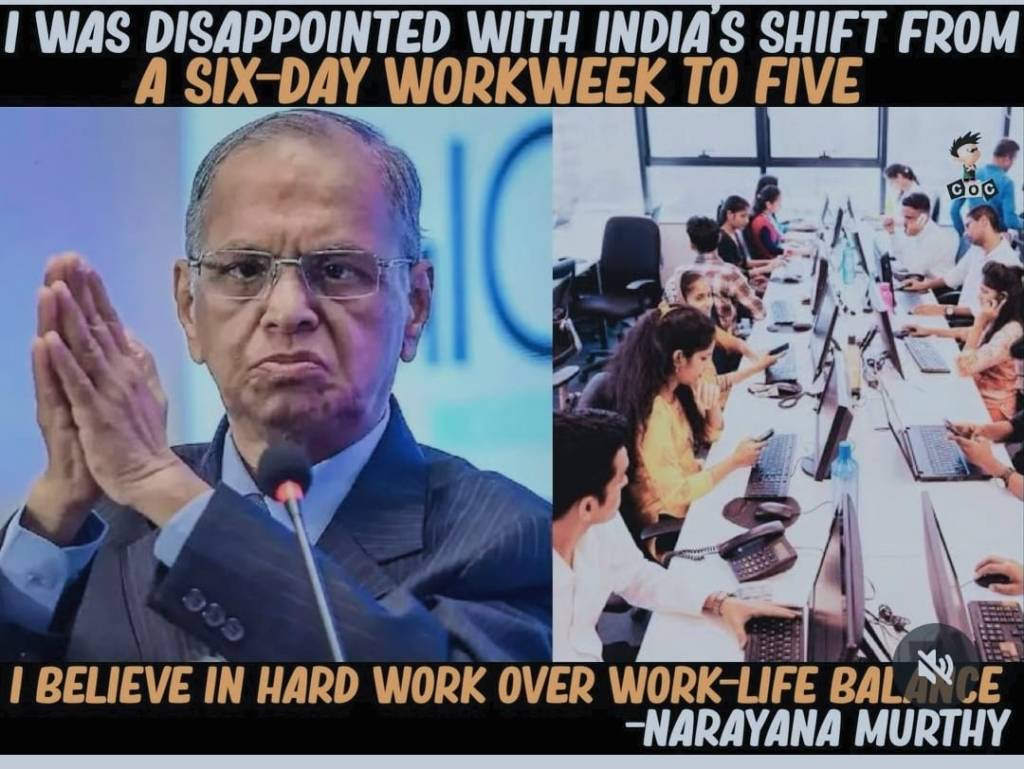
Experts have weighed in on this debate, advocating for a more balanced approach. One suggestion is to empower employees to manage their work hours, provided they meet performance expectations. This shift toward flexibility respects individual needs, fostering job satisfaction and enhancing mental well-being. However, the fear of being penalized in a competitive job market looms large. With career advancement often tied to visible dedication—measured by long hours—employees may feel compelled to overwork, perpetuating a cycle of stress and exhaustion.
Countries like Denmark provide a compelling counterpoint to India’s work culture. In Denmark, the “right to disconnect” is not just a concept; it’s a legal right. Employees are not expected to be available after working hours, allowing them to maintain a healthy balance between work and personal life. Evidence suggests that such practices lead to healthier, more productive employees. By fostering a culture of balance, organizations benefit from an engaged workforce that contributes to long-term success.
India’s work culture also intersects with a growing mental health crisis. Rising rates of stress-related illnesses, including anxiety, depression, and heart disease, highlight the toll of overwork. The relentless demands of long hours and constant availability leave little room for personal well-being. It is clear that India needs a new definition of success—one that values mental wellness and personal fulfilment alongside professional achievements.
This debate underscores the broader societal values at play. Murthy’s traditional view emphasizes hard work as the bedrock of progress, but it conflicts with a modern understanding of productivity. Today, success is increasingly defined by working smarter, not harder, and finding harmony between professional ambitions and personal happiness. Advocating for a balanced work culture does not mean avoiding hard work—it’s about redefining it. It’s about creating a system where productivity and well-being coexist, benefiting both individuals and organizations.
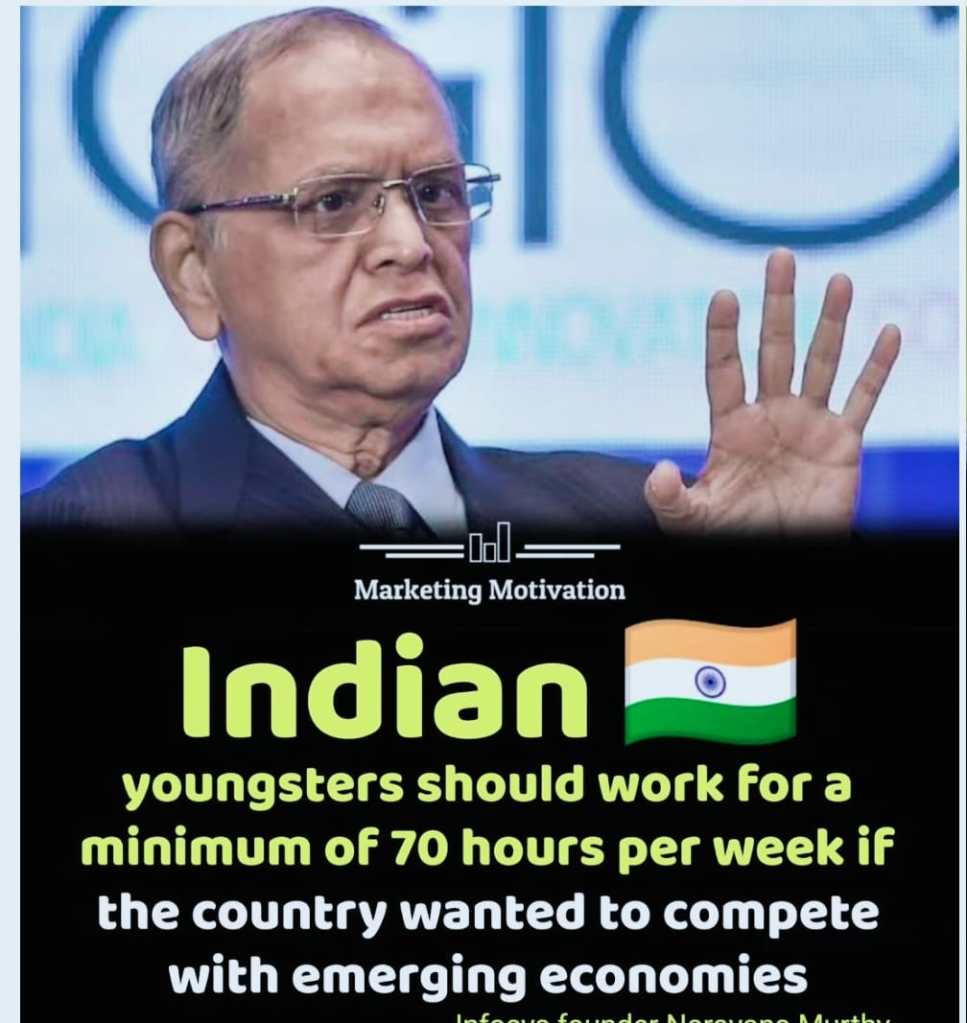
The stakes are high for Indian employers. As younger generations increasingly value work-life balance, companies that fail to adapt risk losing their best talent to nations with more progressive work policies. This shift is not just a moral imperative but also a strategic one. Organizations that prioritize employee mental health and flexibility stand to gain in productivity, creativity, and innovation. Forward-thinking companies must recognize that respecting personal time and fostering a healthy work environment are critical to staying competitive in a globalized economy.
Murthy’s stance, while rooted in admirable principles, highlights the need for India to re-evaluate its work culture. The generational shift toward prioritizing well-being is a reflection of broader societal changes. Today’s workers recognize that professional success should not come at the cost of personal happiness or health. By embracing this evolving perspective, India has an opportunity to redefine its work culture, creating an environment that values balance as much as it does ambition.
In conclusion, the debate sparked by Murthy’s remarks serves as a crucial moment for introspection. While his dedication to hard work is inspiring, it’s clear that the realities of modern life demand a more nuanced approach. Supporting mental health, embracing flexibility, and prioritizing work-life balance are essential steps toward building a thriving, sustainable workforce. The future of work in India lies in adapting to these changing expectations. Success should not be measured by hours worked but by the quality of life achieved. In the end, it’s not just the economy that will prosper—it’s the people who drive it.
Visit arjasrikanth.in for more insights
 SOCIAL PERSPECTIVES