
Polluted Skies, Political Apathy, and the Fight for Clean Air
Delhi, the vibrant heart of India, is suffocating. The city’s air, thick with pollutants, has turned into a silent killer, forcing its inhabitants to navigate an invisible enemy daily. As other global cities like Beijing, Los Angeles, and London embark on ambitious missions to combat pollution, Delhi finds itself gasping for solutions, locked in a crisis that threatens public health, well-being, and the very fabric of urban life. The situation is no longer just alarming; it is a dire call to action.
Take Beijing, for instance. During the 2008 Olympics, the Chinese government implemented aggressive pollution control measures, from limiting vehicles to shutting down factories. These actions laid the groundwork for long-term reforms, culminating in a declared “war on air pollution” in 2013. Over the next decade, life expectancy in Beijing increased by four years due to improved air quality, with pollution levels dropping by 60%. While challenges remain, Beijing’s commitment to change underscores the transformative power of systematic intervention.
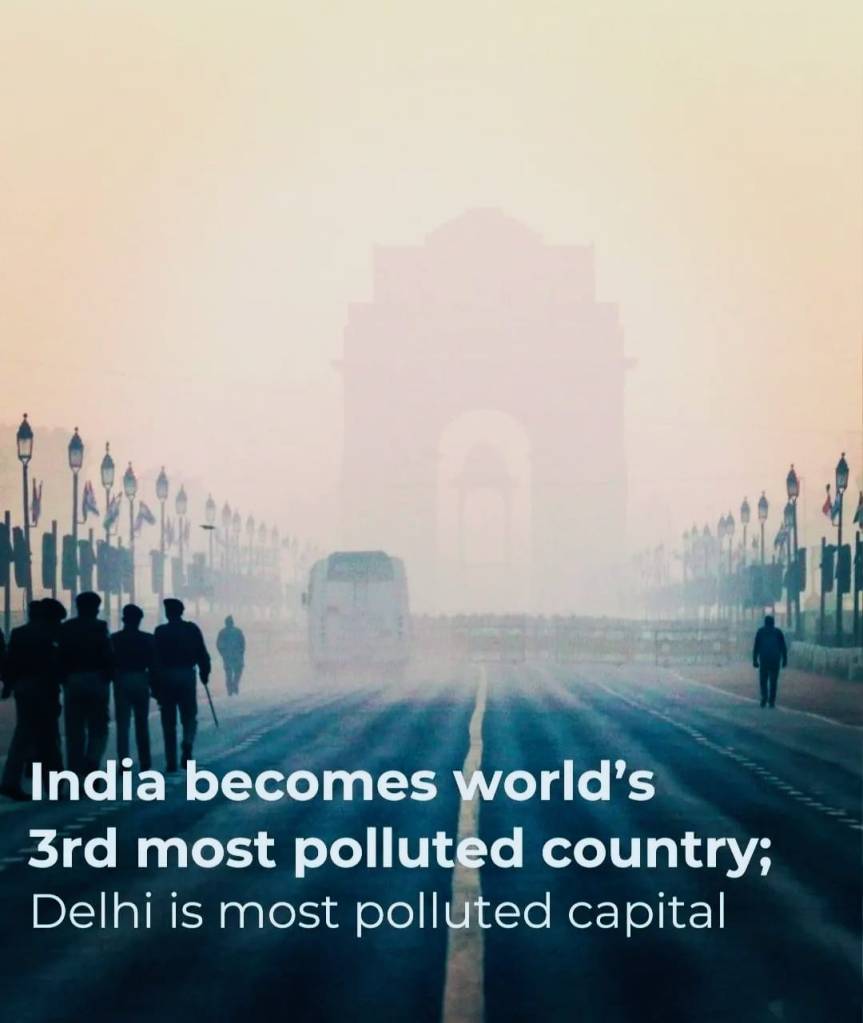
In stark contrast, Delhi’s air quality continues to plummet. On November 18, parts of the city recorded an Air Quality Index (AQI) of 1707—nearly sixty five times the maximum limit deemed safe by the World Health Organization (WHO). Such figures evoke memories of London’s 1952 Great Smog, a catastrophic event that claimed 12,000 lives and prompted swift governmental action, including the landmark Clean Air Act of 1956. Yet in Delhi, similar urgency and clarity of purpose remain conspicuously absent.
The response from Delhi’s political and administrative machinery often feels like a toxic fog of its own. Schools in nearby cities like Gurgaon have shifted online during hazardous air episodes, while others in Noida and Faridabad continue physical classes despite the risks. This reactionary approach reflects a pattern: governments scramble to implement stopgap measures during pollution peaks but fail to adopt long-term, sustainable policies. Meanwhile, the public remains trapped in an endless cycle of exposure, with no respite in sight.
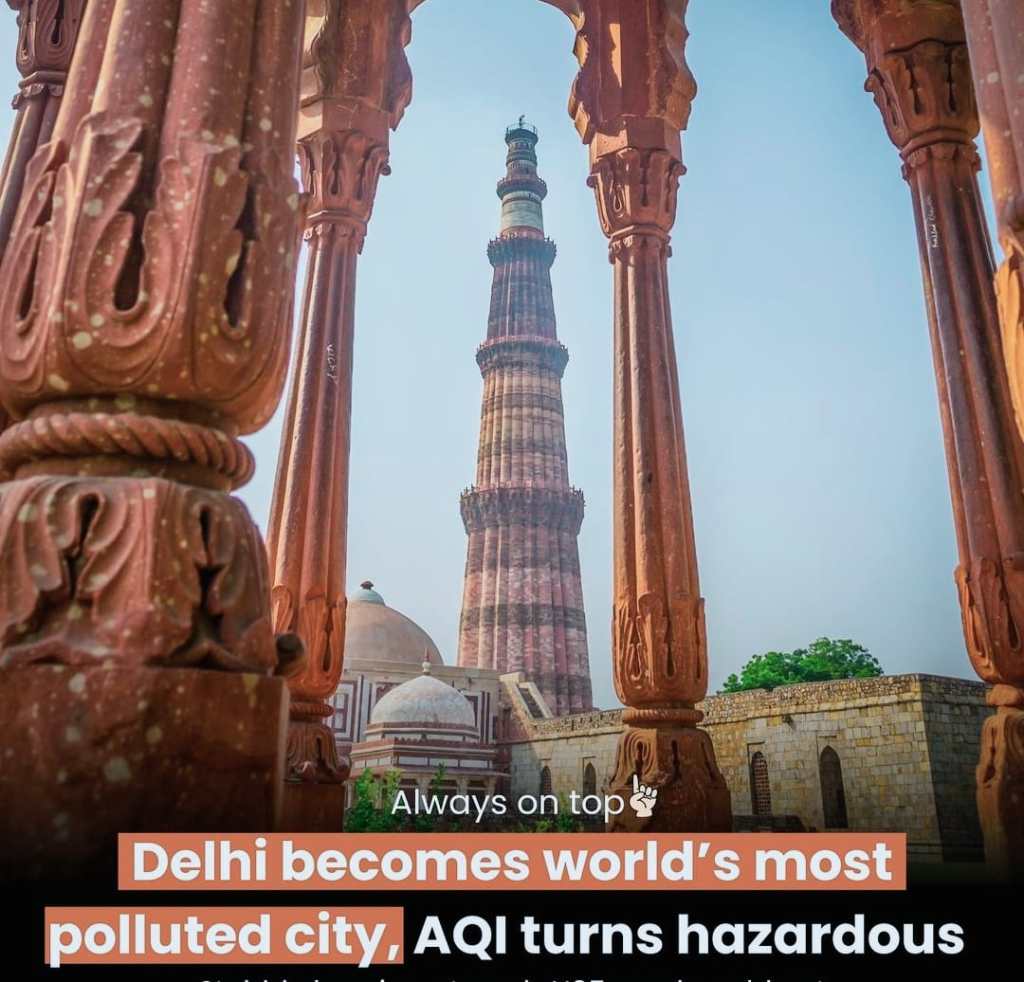
Part of the problem lies in the politics of blame. Farmers in Punjab and Haryana have frequently been scapegoated for the seasonal burning of crop stubble, which contributes significantly to the smog enveloping Delhi. However, recent NASA satellite data suggests a decrease in farm fires, challenging the narrative that farmers bear sole responsibility for the crisis. Instead, these incidents reveal a broader systemic failure, exacerbated by inadequate support for transitioning to sustainable agricultural practices and the delayed acknowledgment of scientific evidence.
Globally, cities grappling with pollution crises have demonstrated the importance of robust governance and cross-sectoral cooperation. Los Angeles, once infamous for its smog, now boasts significantly cleaner air thanks to decades of coordinated policy action, technological innovation, and public awareness campaigns. Mexico City implemented restrictions on industrial emissions and vehicle use while expanding public transport infrastructure. These cities proved that combating pollution is not merely an environmental issue but a public health imperative demanding unwavering political will and citizen involvement.
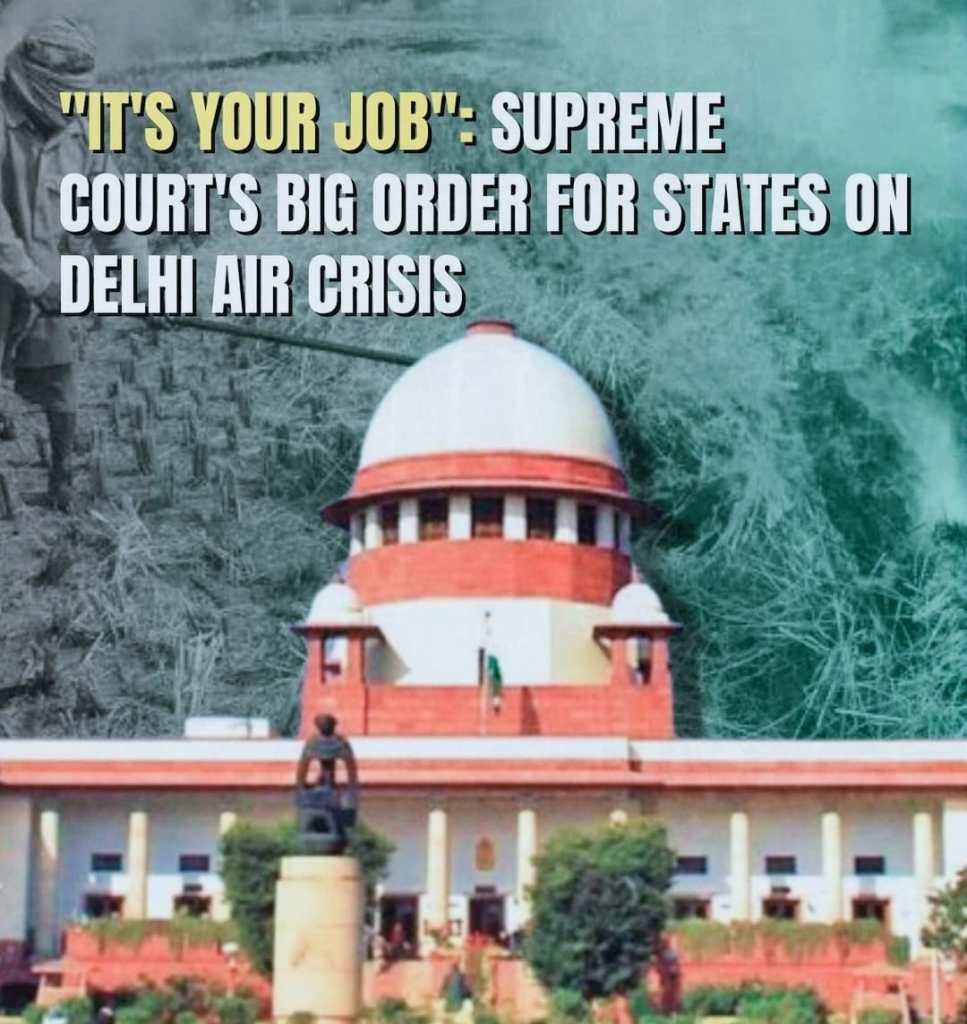
In Delhi, however, politics often overshadows action. The Supreme Court has repeatedly demanded answers from the government regarding air quality measures, yet meaningful progress remains elusive. Discussions are mired in finger-pointing between state and central authorities, leaving citizens to fend for themselves in an increasingly toxic environment. When AQI levels exceed 1700 in some areas, as reported during peak pollution seasons, it is clear that complacency is no longer an option.
The Indian government could draw valuable lessons from China’s approach. Despite its reputation for opacity, China has delivered tangible results in its battle against air pollution through strict policy enforcement, large-scale investment in renewable energy, and public engagement. In contrast, India’s fragmented efforts and lack of a unified strategy highlight the urgent need for transformative leadership and cohesive planning.
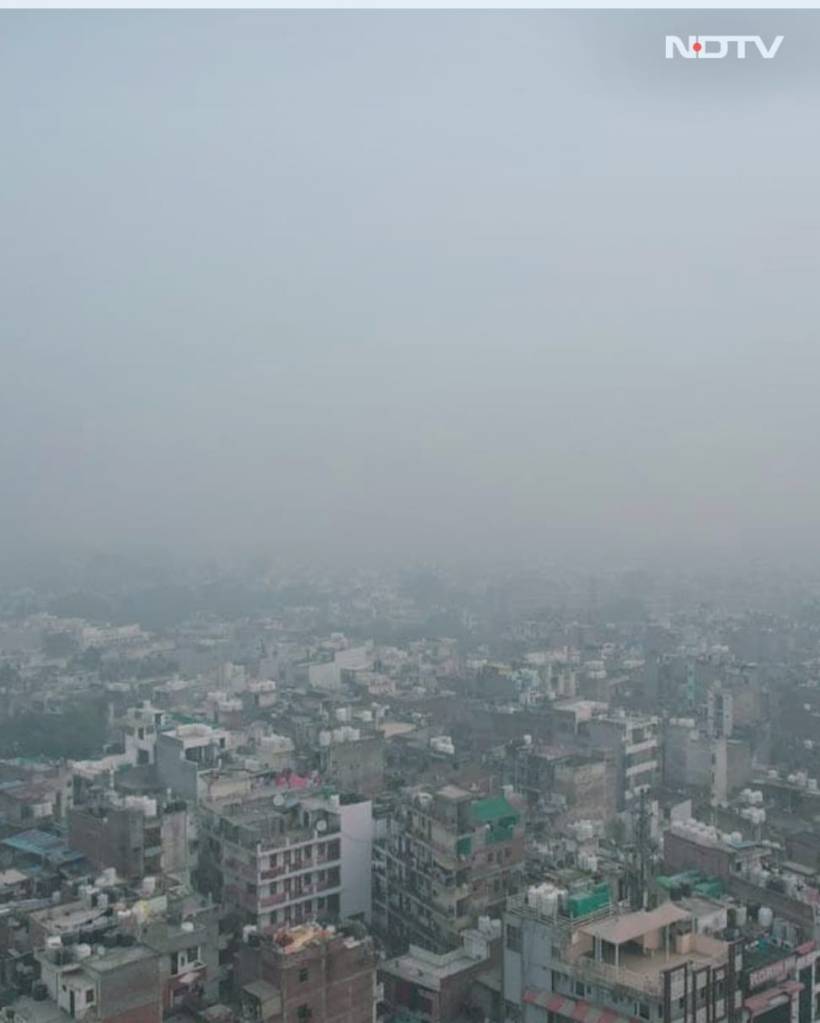
Experts emphasize the need for a comprehensive roadmap addressing key pollution sources—vehicular emissions, industrial pollutants, construction dust, and biomass burning. Such a plan must integrate stringent emission controls, promote clean energy alternatives, and foster public awareness. Yet year after year, Delhi witnesses the same reactive measures, from banning firecrackers to temporary odd-even vehicle policies, which barely scratch the surface of the problem.
This inertia is compounded by the lack of accountability among policymakers. The public health crisis caused by Delhi’s air pollution is not just an environmental failure; it is a moral one. The costs are borne disproportionately by vulnerable populations, including children, the elderly, and those with pre-existing health conditions, who suffer most from respiratory illnesses linked to poor air quality.
The path forward demands bold, decisive action. Policymakers must prioritize public health over political expediency, embracing transparency and collaboration to implement long-term solutions. Citizens, too, have a role to play, from reducing personal emissions to holding leaders accountable for their inaction. Only through collective resolve can Delhi hope to shed its grim title as one of the world’s most polluted capitals.
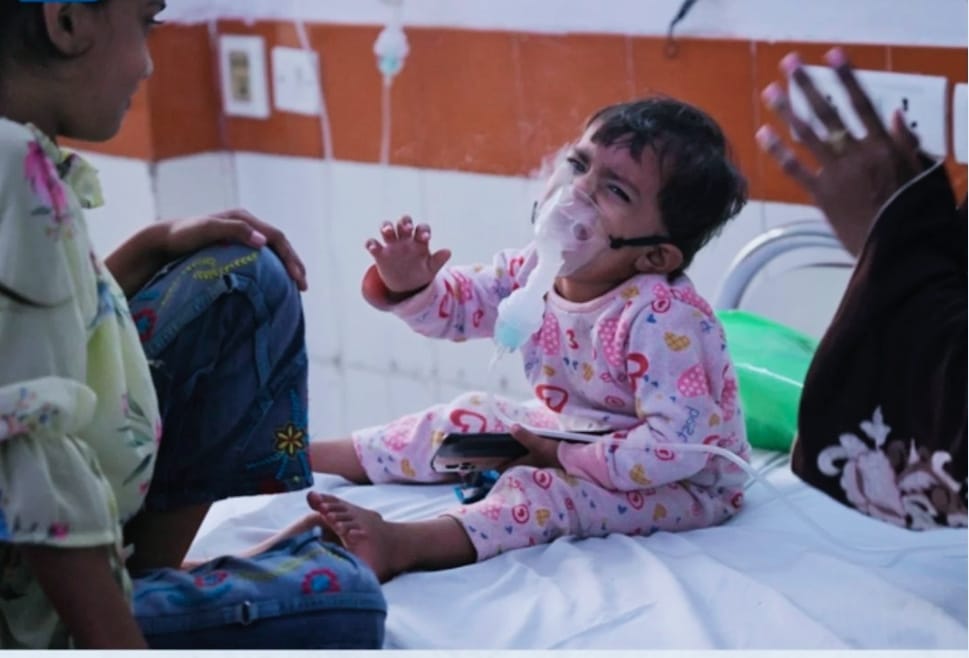
In conclusion, the air pollution crisis in Delhi is a tragedy unfolding in plain sight. As citizens choke on toxic air, political leaders must rise above the fog of blame and procrastination to champion the health and dignity of the people they serve. The stakes are far too high to ignore. Clean air is not a luxury; it is a fundamental right. Delhi’s journey toward breathable skies demands an unwavering commitment to change—a commitment that must begin today. Together, we can reclaim the air we breathe and ensure a healthier future for generations to come.
Visit arjasrikanth.in for more insights
 SOCIAL PERSPECTIVES