
Turbulence in the Skies: The Unseen Chaos of AI 460’s Journey
On November 18, 2024, the passengers of AI 460 from Vijayawada to Delhi found themselves trapped in a whirlwind of confusion, anxiety, and impatience. What began as a routine flight at 9:30 AM quickly spiraled into a tumultuous experience, where the absence of communication from the cockpit amplified the mounting tension. The pilots’ non-communicative behavior and the rough tone of their sporadic announcements left guests feeling irritated and concerned, while the cabin crew, despite their polite demeanor, appeared helpless amid the chaos.
As AI 460 approached Delhi, things took a dramatic turn. The aircraft was met with an impenetrable wall of thick fog, rendering visibility nearly nonexistent. Floating above the city for an hour, passengers were left in a state of uncertainty, with no clear direction from the cockpit. The silence from the pilots only deepened the sense of unease, as passengers were left to speculate about what was happening. With no information coming through, anxiety levels soared, and the atmosphere onboard became increasingly tense.
When the decision was finally made to divert the flight to Jaipur, relief washed over some passengers, but this moment of hope was short-lived. Upon landing in Jaipur at 1:00 PM, the crew prepared for what they thought would be a straightforward disembarkation process. But just as they began to make their descent, the aircraft suddenly took off again, leaving passengers bewildered and frustrated. The flight circled Jaipur for an additional 30 minutes, further exacerbating the anxiety of those onboard. The lack of communication from the cockpit during this crucial time turned what could have been a manageable situation into a frenzy of panic.

Arriving back in Jaipur for the second time at 1:28 PM, the passengers were met with further delays as the aircraft struggled to find a parking spot. After 17 long minutes of circling, the plane finally came to a stop at 1:45 PM. Throughout this ordeal, the captain remained silent, failing to provide any updates to the passengers. In emergencies, communication is vital; it offers reassurance and a sense of control. However, the absence of announcements from the cockpit left everyone feeling abandoned and questioning the competence of the crew.
As the clock ticked toward 2:00 PM, the mounting frustration among passengers became palpable. Toilets filled to capacity, causing long lines of people desperately seeking relief. Meanwhile, a passenger nearby engaged in a loud video call, narrating the entire ordeal to his wife in excruciating detail. While his commentary provided an odd form of entertainment, it also underscored the desperate need for information that was glaringly absent from the cockpit.
In times of crisis, engaging with guests is paramount. Unfortunately, the lack of communication from the captain only exacerbated the situation. While the cabin crew remained cordial and patient, answering numerous queries with smiles, they too were left in the dark about what would happen next. This disconnect between the cockpit and cabin crew only added to the growing anxiety of the passengers.
Despite facing immense pressure, the cabin crew exemplified professionalism and poise. At 2:30 PM, refreshments were finally loaded onto the aircraft, providing a much-needed distraction for the tired passengers. The crew distributed snacks with courtesy, attempting to ease the tension in the cabin. Their ability to maintain a positive demeanor amidst the chaos was commendable, showcasing their extensive training and preparedness for such situations.
However, the cockpit remained silent, and the passengers could not shake the feeling of unease. The lack of communication from the pilots created an environment ripe with speculation. Gossip spread like wildfire, with passengers debating whether they would be deplaned for overnight accommodations or if they would eventually take off for Delhi. The uncertainty was maddening, and as time went on, frustrations boiled over.
As the hours dragged on, the situation grew increasingly chaotic. By 3:15 PM, the Indian Oil Aviation tanker began refueling the aircraft, but the passengers remained restless. The pilots had completed their duty hours and, although they had received special permission to fly, their silence continued to irritate the guests. As rumors circulated about potential overnight accommodations, the crowd began to move toward the cockpit, seeking answers. By 4:15 PM, the atmosphere had reached a boiling point, with passengers arguing loudly and expressing their discontent with the cabin crew.
Finally, at 4:30 PM, the captain made a long-awaited announcement: the flight was canceled, and passengers were instructed to deplane and contact ground staff for necessary arrangements. This news tested the patience of those onboard, as they had been stuck in the aircraft for nearly eight hours since their initial boarding. The collective sigh of exasperation filled the cabin as passengers began to disembark, feeling the weight of the entire ordeal.
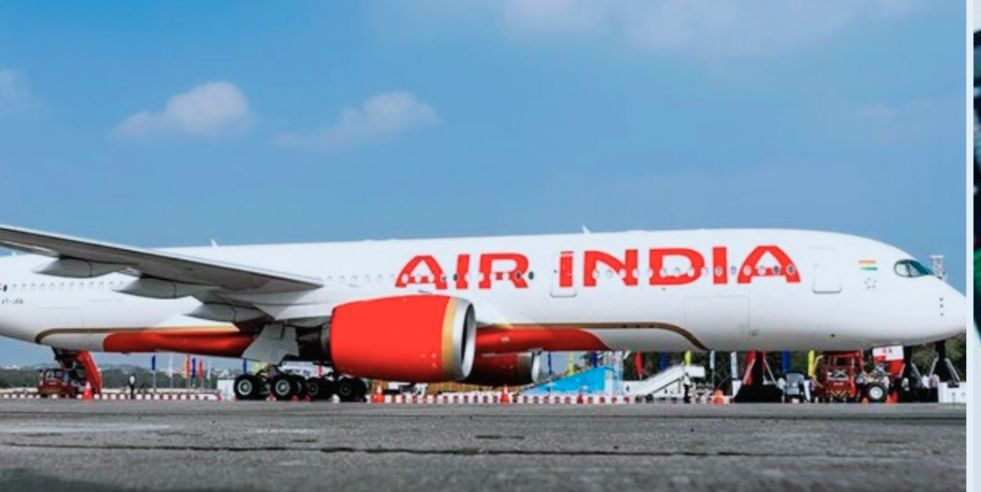
The events of AI 460 serve as a stark reminder of the crucial role communication plays in aviation, especially during emergencies. While the cabin crew demonstrated exceptional patience and professionalism throughout the ordeal, the pilots’ silence left passengers feeling vulnerable and frustrated. In future flights, it is imperative that pilots prioritize clear and consistent communication with the cabin crew and passengers. By doing so, they can foster an environment of trust and reassurance, transforming a potentially chaotic situation into a more manageable one. Ultimately, the experience of AI 460 underscores that effective communication is not just a courtesy; it is a necessity in ensuring the safety and comfort of all those aboard.
Visit arjasrikanth.in for more insights
 SOCIAL PERSPECTIVES
One response to “The Silent Skies: A Chaotic Flight of Confusion and Frustration”
Did you travel in the flight?
LikeLike