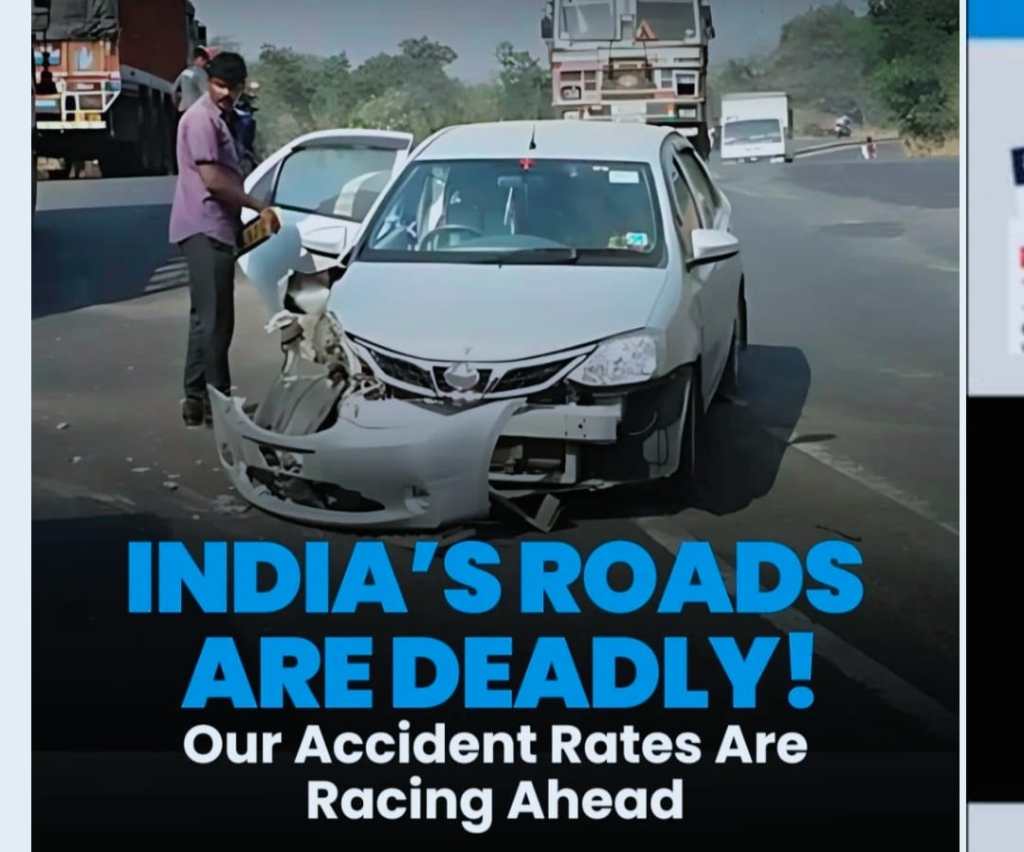
“Driven to Danger: India’s Road Crisis and the Battle Against a Culture of Chaos”
India, with its sprawling network of 254,000 kilometres of roads, stands as one of the most perilous countries for road users. Despite an extensive road network comparable to global giants like the United States and China, India suffers from some of the highest rates of road accidents worldwide. At the core of this crisis is not just a lack of infrastructure but a deeply ingrained, reckless mindset regarding road safety. India’s accident rate is staggering—250 per 10,000 kilometres, which is five times higher than the United States and more than double China’s rate. This grim statistic reflects not only the state of the roads but the dangerous attitudes that drive the culture of road usage in the country.
The consequences of this mindset are devastating. Each year, an average of 419,100 people die on India’s roads, a toll equivalent to the population of an entire city like Chandigarh. These numbers are not just statistics; they represent lives lost, families torn apart, and a national crisis that demands immediate action. Despite these alarming figures, awareness and adherence to road safety rules remain shockingly low, especially in rural areas. On state and national highways that wind through small towns and villages, the lack of respect for basic traffic laws like speed limits, lane discipline, and traffic signals is widespread. Drivers often fail to follow even the most basic of safety protocols, contributing to the country’s high accident rates.

A large part of this problem lies in the inefficacy of driver training and licensing systems. In many cases, individuals can acquire driving licenses with minimal training or examination, which allows an unqualified and poorly trained population to take the wheel. This creates a pool of road users who not only lack the skills required to drive safely but also often disregard the rules of the road altogether. The result is an environment where road safety is an afterthought, and reckless driving becomes the norm rather than the exception.
India’s road infrastructure, despite being vast, is woefully inadequate when compared to international standards. Poorly maintained roads with frequent potholes, inadequate signage, and poorly designed intersections contribute significantly to the high accident rate. A study of India’s road networks reveals a stark reality: although only 4.9% of India’s roads are classified as national and state highways, these roads are responsible for 16.5% of the accidents. This data underscores the fact that the quality of infrastructure is a major contributor to road safety issues across the country.
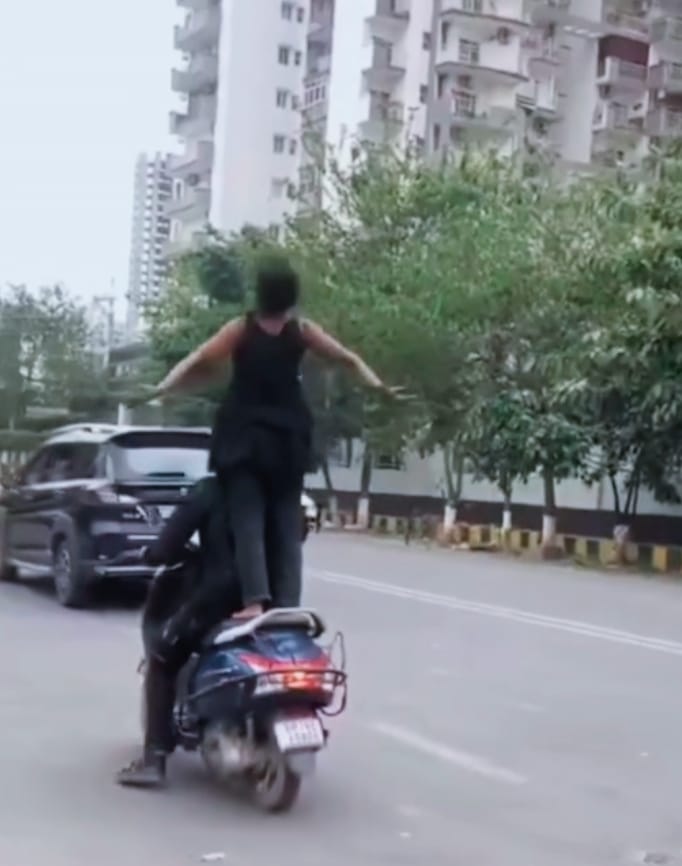
The problem of road safety in India is multifaceted, extending beyond poor infrastructure and driver negligence. It is deeply rooted in a cultural mindset that normalizes dangerous behavior. Road users in India often exhibit a tolerance for high risk, frequently overtaking on narrow lanes, speeding, ignoring traffic signals, and showing impatience at intersections. Such behavior is often viewed as a sign of assertiveness or, in some cases, even social status. There is also the prevalent mentality of “jugaad”—a tendency to bend or break the rules to suit one’s convenience. This mindset, combined with sporadic enforcement of traffic laws, creates an environment where lawlessness on the roads is more the norm than the exception.
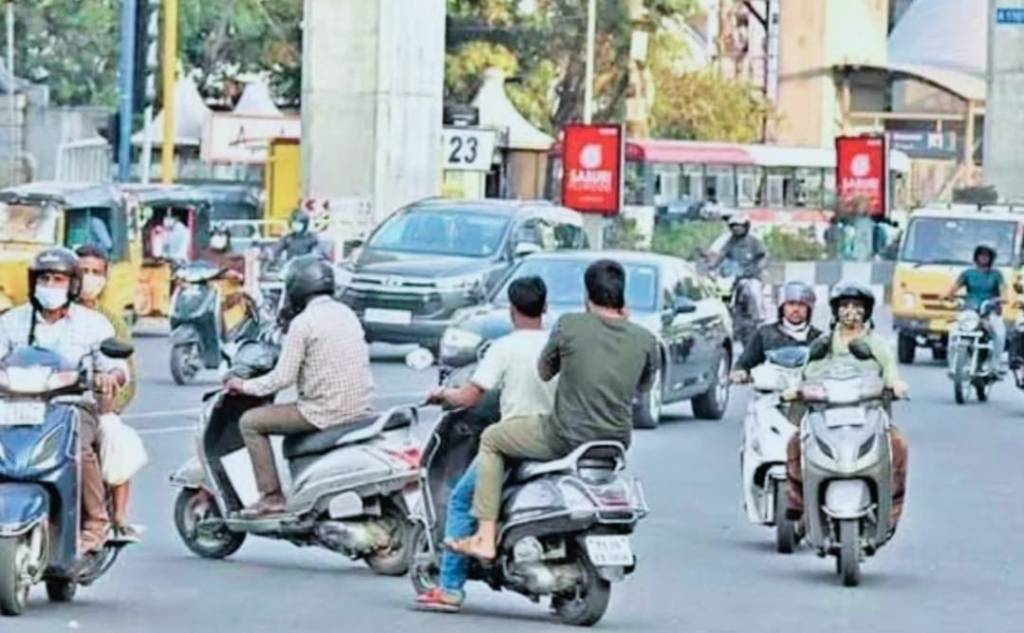
Pedestrians, cyclists, and other vulnerable road users suffer the most from this culture of recklessness. In many places, there is little to no dedicated infrastructure for pedestrians or cyclists, forcing them to share space with motor vehicles. As a result, vulnerable road users are often at the mercy of reckless drivers, leading to a deadly mix of poor infrastructure and dangerous behavior. The absence of proper pedestrian crossings, cycling lanes, and other safety features further compounds this problem, creating an environment where basic safety is a luxury rather than the rule.
Young people, particularly adolescents, are also contributing to the crisis. A recent study of adolescent road users in Patna revealed widespread unsafe practices, including rash driving and ignoring traffic rules. Peer pressure, a lack of proper road infrastructure, and cultural norms that celebrate risky behavior all play a part in this troubling trend. This demographic is particularly vulnerable because they often lack the maturity and experience necessary to make safe decisions on the road. Without proper education and stricter enforcement, this dangerous behavior will continue to thrive, further increasing the risk to everyone on the road.
To address this crisis, India needs a multi-pronged approach that tackles both the cultural mindset and the systemic failures in road safety. First and foremost, road safety education needs to begin at an early age. Schools should focus on teaching children the importance of responsible road behavior, instilling habits that can last a lifetime. In addition to education, the licensing process must be reformed to ensure that only individuals who have undergone rigorous training and testing are allowed to drive.
Improving infrastructure is equally crucial. Roads must be designed with safety in mind, with adequate signage, proper lane markings, and pedestrian facilities. Governments and contractors responsible for road construction should be held accountable for any negligence that leads to unsafe conditions. Furthermore, there must be an emphasis on maintaining existing roads to ensure that they remain safe for all users.
Finally, public awareness campaigns are essential to changing attitudes toward road safety. A nationwide campaign that emphasizes the dangers of reckless driving and educates people about the importance of following traffic rules could help shift the public mindset. Such campaigns should challenge the cultural norms that tolerate dangerous driving and promote a more responsible, law-abiding approach to road use.
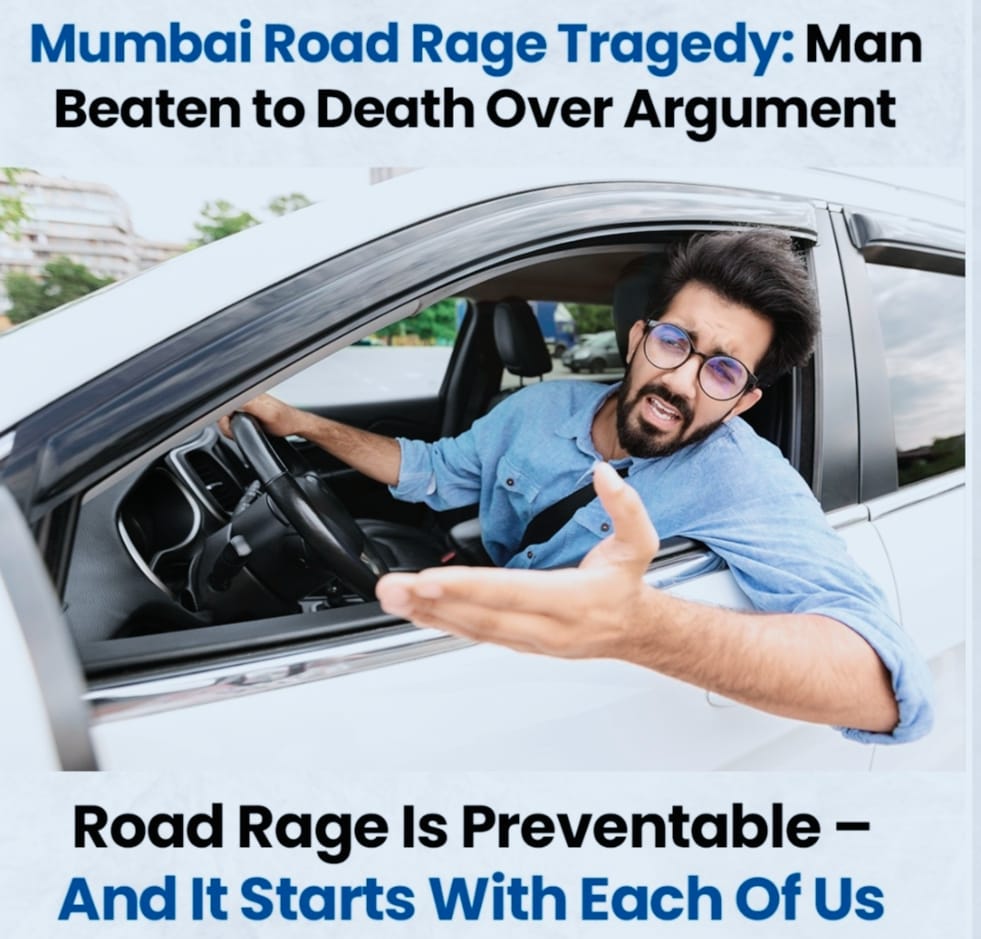
In conclusion, India’s road safety crisis is not just a matter of infrastructure or regulatory enforcement; it is a deep-seated cultural issue. The tragic deaths of individuals like Cyrus Mistry and countless others serve as painful reminders of the urgent need for change. The staggering accident rate and death toll highlight the scale of the problem. However, with concerted effort, including better education, stricter licensing, improved infrastructure, and a cultural shift in attitudes toward road safety, India can make its roads safer for everyone. The time to act is now—lives are at stake, and the country must respond to this crisis with urgency and commitment. The responsibility lies with every road user, from the government to the individual, to ensure that India’s roads are no longer places of danger, but safe pathways for all.
Visit arjasrikanth.in for more insights
 SOCIAL PERSPECTIVES